Best Hawaiian Beaches 2026: Honest Island Guide
Hawaiian beaches are not interchangeable postcards. Each island’s shoreline has a distinct personality defined by volcanic geology, prevailing winds, and the raw power of a specific swell season.
The Hawaii Tourism Authority reports that Oahu, Maui, Kauai, and the Big Island collectively draw over nine million visitors annually, most of whom head straight for the sand. The beach you pick will make or break your trip.
This 2026 guide gives you the unvarnished truth about Hawaii’s most famous shores. You will learn where the sand is soft, where the shorebreak will hurt you, and which island fits your actual vacation style.
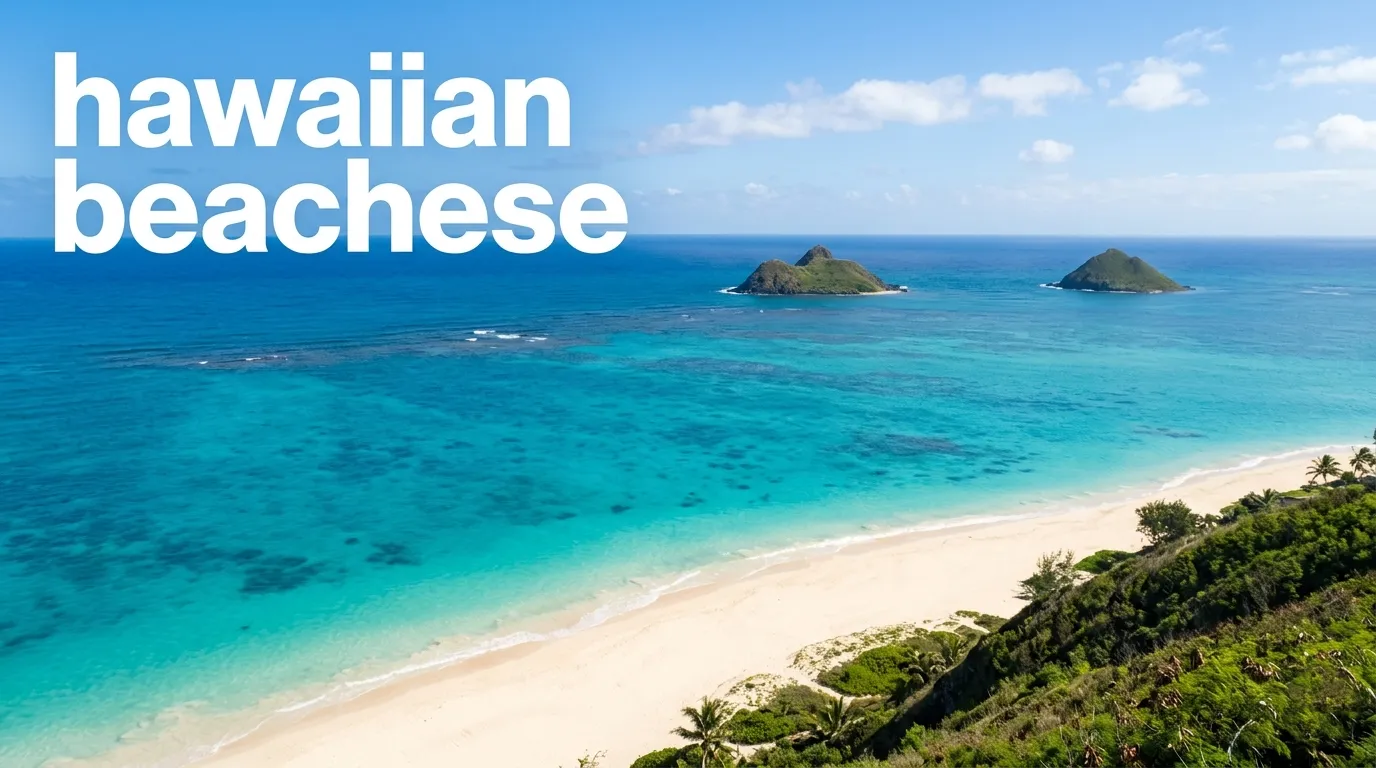
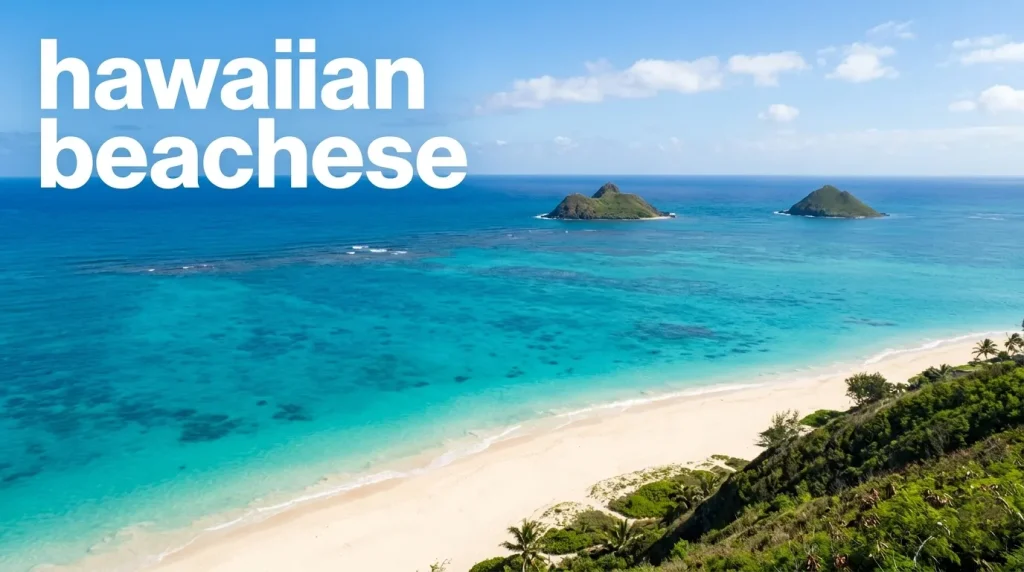
hawaiian beachese
The hawaiian beachese you have seen in photographs are the product of millions of years of volcanic erosion, coral growth, and powerful wave action. No two islands have the same beach sand
Oahu’s beaches are the most diverse, mixing the soft, imported sand of Waikiki with the raw, thundering reef breaks of the North Shore. Maui offers the most manicured resort strips with golden sand and calm morning water.
The Big Island has the youngest, most dramatic beaches. The black sand at Punalu’u is raw, hot, and sharp, while the green sand at Papakolea is literally a crumbling cliff of the semi-precious mineral olivine.
Budget travelers should focus on Oahu. The sheer volume of free, accessible public beaches and the option of a bus system make a car-free beach vacation financially possible, which is not true on the other islands.
best hawaiian beaches
The best hawaiian beaches for a classic, safe, and beautiful swim are Lanikai Beach on Oahu and Poipu Beach on Kauai. They offer soft sand, clear water, and a protective reef that calms the surf.
Lanikai delivers a mile of impossibly fine, powdery white sand and a view of the twin Mokulua Islands that is the most photographed seascape in the state. The water is a vivid turquoise and typically flat during the summer months.
Poipu Beach on Kauai’s sunny south shore is a protected crescent with a natural tombola that creates a shallow, child-safe wading pool. A Hawaiian monk seal hauling out onto the sand here is a near-daily guarantee.
Hapuna Beach on the Big Island wins for sheer, expansive grandeur. A half-mile arc of bright white sand meets deep blue, clear water, offering a classic beach experience with volcanic mountain backdrops.
Kaanapali Beach on Maui is the best choice if you want a resort draped directly behind you. The three-mile stretch of golden sand has boardwalk access to hotels, restaurants, and a nightly cliff-diving ceremony at Black Rock.
hawaii beaches map
A functional hawaii beaches map must separate the islands by their windward and leeward shores. The windward sides are lush, wet, and pounded by trade wind swells, while the leeward sides are dry, sunny, and calm.
Oahu’s map shows the concrete crescent of Waikiki on the south shore and the seven-mile miracle of surf breaks on the North Shore. There is no road circling the entire island, so you must choose a coast for the day and commit.
Maui’s map reveals a figure-eight-shaped island with the resort-packed Kaanapali and Wailea on the leeward west and south shores. The legendary windsurfing beach, Ho’okipa, sits on the windward north shore and is an entirely different, wilder planet.
Kauai’s map shows one road that rings the island except for the Napali Coast. This geographic barrier means the north shore beaches like Hanalei Bay are a long, slow drive from the south shore resort area of Poipu.
The Big Island’s map is the most deceptive due to its sheer size. Driving from Kona to Hilo to see different beaches takes over two hours one way. You must pick a coast, Kona or Hilo, as your beach base.
Key Takeaway: Your Hawaii beach map must dictate your hotel location. Do not book a resort on one coast and plan daily drives to beaches on another.
waikiki beach hawaii
Waikiki Beach Hawaii is a two-mile, artificially engineered urban beach backed by a dense wall of high-rise hotels. The sand is mostly imported, the water is calm, and the crowd density rivals a music festival.
The beach is actually eight distinct, interconnected sections, from the family-friendly Kuhio Beach with its low sea wall to the surf break at Queen’s. The water is shallow, warm, and crystal-clear by an urban standard.
Honeymooners booking a luxury room at the Royal Hawaiian or the Halekulani are paying for a historic, romantic hotel and the view. They are not paying for a private beach, because the sand in front is packed with the public all day.
Solo travelers will find Waikiki the easiest and most social beach in Hawaii. You can walk from your hotel to the sand, rent a surfboard, hit a beach bar, and meet people without ever getting in a car.
The main limitation is the illusion of nature. The sand is not native. The beach was engineered. If you want a raw, volcanic Hawaiian beach, Waikiki will disappoint you profoundly. It is a resort city, not a nature escape.
Parking is a nightmare. A rental car in Waikiki is a liability, costing upwards of $50 per night at a hotel. Use the bus, a ride share, or a rented bicycle to reach the beach.
north shore beaches oahu
The north shore beaches oahu span a legendary seven-mile stretch from Haleiwa to Turtle Bay. In summer, the water is flat and calm like a lake. In winter, it transforms into the most dangerous surf on Earth.
Waimea Bay is the star. In summer, it is a stunning, deep bay with a famous jump rock that attracts a party crowd. In winter, the shorebreak closes out with 20 to 30-foot waves that kill inexperienced swimmers without hesitation.
Sunset Beach offers a wide, expansive strip of sand that is perfect for a summer picnic and a long walk. The rip current here is strong even in the summer, so keep children very close to the shore.
Banzai Pipeline is a reef break directly off a narrow, sloping sand beach. You do not swim here. You watch professionals surf one of the heaviest waves on the planet from the safety of the dry beach.
Couples should time a North Shore visit for June through August. Rent a convertible, drive the coast slowly, and stop at the shrimp trucks in Kahuku. The summer north shore is a perfect, calm Caribbean-blue day trip.
The winter warning is non-negotiable: do not enter the water at Pipe or Waimea from November to March unless you are an experienced, big-wave surfer. The ocean safety lifeguards will order you out of the water for a reason.
Key Takeaway: The North Shore is a summer swimming paradise and a winter spectator sport. Do not confuse the two seasons.
kaanapali beach maui
Kaanapali Beach Maui is a three-mile resort strip of golden sand, anchored by Black Rock at its northern end. It is the most walkable, amenity-rich beach destination in the Hawaiian Islands.
A paved beach boardwalk runs the entire length of the sand, connecting the Hyatt Regency, Sheraton, and Westin resorts. You can walk from your hotel room to the water, to a restaurant, and to the nightly cliff dive ceremony without ever touching a road.
The water in front of Black Rock is the best snorkeling in West Maui. The coral rock formation attracts a dense school of tropical fish and sea turtles, and the sandy bottom entrance from the shore makes it accessible for beginners.
Families should book a stay at the southern end near the Kaanapali Ali condos. The beach is wider and calmer here, and the proximity to the Whalers Village shopping center offers easy access to food and supplies.
The honest limitation is the crowd and the cost. Kaanapali is a dense, luxury resort zone. It is not the place for a secluded, natural Hawaiian beach experience. You are paying a premium for convenience, not solitude.
lanikai beach oahu
Lanikai Beach Oahu on the windward coast is consistently ranked among the most beautiful beaches in the world, and the ranking is earned, not marketing hype. The sand here is absurdly fine and soft.
The water is a powdery, reflective turquoise due to the fine white sand and the protection of the outer reef. The twin Mokulua Islands sit a mile offshore, creating a postcard view that defines the Kailua coast.
The beach is accessed by narrow public walkways squeezed between multi-million dollar homes. There is no parking lot, no restroom, and no lifeguard. This total lack of facilities keeps the crowd manageable but frustrates the unprepared.
Honeymooners and couples should park at Kailua Beach Park and walk the 10-minute sandy path to Lanikai. The effort filters out the big coolers and the speaker bluetooth crowds, leaving a quieter, more romantic stretch of sand.
The swimming is best in the summer months. The winter trade winds kick up a choppy, rough surf, and the offshore kayak paddle to the Mokuluas becomes legitimately dangerous for a novice.
Insider Tip:
- Park legally or your car will be towed immediately from the residential neighborhood.
- The weekday mornings before 9 a.m. are the only reliably uncrowded window.
- The sand is so fine it will get into every piece of camera equipment you own.
poipu beach kauai
Poipu Beach Kauai on the sunny south shore is the island’s safest and most family-friendly swimming destination. A natural crescent-shaped lava rock tombola creates a shallow, calm wading pool.
The beach is actually two small, connected crescents. The left side is a protected, sandy-bottomed pool perfect for toddlers. The right side is a slightly deeper, reef-protected snorkeling zone with a steady parade of colorful fish.
A Hawaiian monk seal is almost always sleeping on the shore, cordoned off by volunteers from the Kauai Monk Seal Conservation Program. This is an authentic, daily wildlife encounter that no resort can fabricate.
Families with small children should base their entire Kauai trip here. The gentle water, the adjacent playground, the clean restrooms, and the reliable sun create a stress-free beach day that is rare on the lush, wild north shore.
The main limitation is the size. Poipu is small and gets very crowded by late morning. The nearby Shipwreck Beach offers a wide, sandy alternative for a walk or a beach run but has a dangerous, steep shorebreak that is not safe for swimming.
Key Takeaway: Poipu is the only south shore Kauai beach that combines a safe toddler pool, a decent snorkel reef, and a seal sighting in one small package.
hapuna beach big island
Hapuna Beach Big Island is a half-mile arc of pure white sand on the dry Kona Coast, consistently voted one of the best beaches in the United States by Travel + Leisure. It feels like a desert island spliced onto a volcanic moonscape.
The sand is a soft, white coral sand. The water is a stunning deep blue and is significantly clearer than the beaches on Oahu or Kauai, due to the younger volcanic rock that does not produce as much fine silt.
The swimming is excellent during the calm summer months but the winter shorebreak can be surprisingly powerful and steep. The beach drops off quickly, and the waves break hard on the sand, which can injure the neck and back of an inexperienced body surfer.
The state park charges a small parking fee for non-residents, and the lot fills to capacity by 10 a.m. on weekends. There is a modern restroom, a large shaded pavilion, and a small concession stand.
Solo travelers and luxury seekers should book a room at the nearby Mauna Kea Beach Hotel and walk over to Hapuna for a more natural, public beach day. You get the benefit of a private resort without being trapped on one manicured strip of sand.
punaluu black sand beach
Punaluu Black Sand Beach on the Big Island’s windward Kau coast is a dramatic, jet-black crescent of coarse volcanic sand backed by a grove of swaying coconut palms. It is a wildly photogenic and wildly uncomfortable beach.
The sand is made of tiny, sharp fragments of basalt lava. It is not soft. It is hot, scratchy, and gets into every crevice of your towel, your bag, and your skin. Walking barefoot on a sunny day is genuinely painful.
The water here is cold, fed by freshwater springs that bubble up through the black sand into the ocean. The snorkeling is often murky due to the mixing cold and warm water and the dark volcanic bottom.
The real draw is the wildlife. Hawksbill and green sea turtles frequently haul out onto the black sand to rest. It is illegal and harmful to touch or approach them, and county officials strictly enforce a 15-foot buffer zone.
Budget travelers should know this is a free, public county beach with a large parking lot and restrooms. It is a perfect stop on the drive between Kona and Hawaii Volcanoes National Park, but it is a terrible place to spend a comfortable full beach day.
hanalei bay kauai
Hanalei Bay Kauai is a majestic two-mile crescent of soft sand on the lush, rain-soaked north shore, framed by the towering, misty green peaks of the Napali Coast. It is the most cinematic beach in the islands.
The bay has a pier, a large grassy park, and a sandy-bottomed ocean floor that is perfect for a long, waist-deep wade. In the summer, the bay is a calm, mirror-like lake used by stand-up paddleboarders and outrigger canoe clubs.
The quaint, walkable town of Hanalei sits directly behind the bay. Couples can swim all day, then walk barefoot across the street for a plate of fresh ahi poke and a shave ice, creating a seamless, car-free beach day.
The major limitation is the rain and the seasonal access. The north shore is one of the wettest places on Earth, and a sunny beach day is far from guaranteed. From October to April, heavy rains frequently close the single-access road.
The winter swell turns Hanalei Pier into a punishing shorebreak. The swim zone disappears. This is the time for experienced surfers, not for a relaxing float. Plan a Hanalei swim trip exclusively from May to September.
big beach makena maui
Big Beach Makena Maui, officially named Oneloa Beach, is a massive, undeveloped stretch of golden sand south of the Wailea resort strip. It is the wild, no-frills antidote to the manicured Kaanapali experience.
The beach is over three-quarters of a mile long and up to 100 feet wide, giving every visitor room to spread out. The sand is a deep, burnt orange-gold, and the view of the small island of Molokini offshore is striking.
The shorebreak here is infamously powerful and has earned the local nickname “break-neck beach.” The wave breaks directly onto a steep, hard sand shelf, driving unsuspecting body surfers headfirst into the bottom with paralyzing force.
Adventurous couples and solo travelers who are strong swimmers can body surf the reform wave in the inside shorebreak with caution. Never turn your back on the ocean here, and never enter the water if the lifeguards have posted a red flag.
There are portable restrooms and a small food truck often parked in the lot, but no other facilities. The southern end of the beach, known as “Little Beach,” is a de facto clothing-optional area with a drum circle on Sunday evenings.
kailua beach oahu
Kailua Beach Oahu is the practical, wind-powered neighbor of Lanikai, offering a wider, more accessible stretch of the same fine white sand and turquoise water. It is the best windward beach for a full-day setup.
A large, free public parking lot, clean restrooms, showers, and a massive grassy park sit directly behind the sand. Kayak and paddleboard rentals operate from the beach, giving you easy access to the flat-water paddle out to the Mokulua Islands.
The steady trade winds make Kailua a world-class windsurfing and kiteboarding destination. The swimming is excellent in the morning, but by noon, the wind chop can make the water rough and less pleasant for a casual float.
Families should absolutely choose Kailua over Lanikai. The sand is equally soft, the water is the same color, but the presence of a parking lot, a bathroom, and a lifeguard stand makes the logistics of a day with small children infinitely easier.
The town of Kailua itself is a charming, walkable neighborhood with excellent breakfast cafes and sandwich shops. Stock up on provisions at the Whole Foods or Target on the way in, and you can set up on the sand for the entire day.
best snorkeling beaches hawaii
The best snorkeling beaches hawaii offer a calm, clear-water entry, a healthy coral reef, and a high density of tropical fish and green sea turtles. Hanauma Bay on Oahu and Honolua Bay on Maui lead the list.
Hanauma Bay Nature Preserve is a sunken volcanic crater on Oahu’s south shore. The reef is shallow, the water is calm, and the fish population is staggering due to the protected, no-fishing status of the bay.
Access to Hanauma Bay in 2026 requires a timed-entry reservation booked well in advance. Walk-ins are almost never allowed. This is not a spontaneous beach stop. The reservation system is strict and you must watch a safety video before entry.
Honolua Bay on Maui’s north shore offers a more rugged, advanced snorkel from a rocky shoreline. The coral formations are dense and the summer water clarity is exceptional, but the winter swell turns the bay into a surf break.
Poipu Beach on Kauai is the best choice for a beginner snorkeler. You can wade into a sandy, shallow, reef-protected pool and see colorful fish immediately without ever swimming into deep or murky water.
Kapalua Bay on Maui is another excellent, protected sandy entry snorkel with a high turtle population. The crescent shape blocks the trade wind chop, making it a reliably calm swim almost every morning of the year.
Key Takeaway: The best snorkeling in Hawaii requires a reservation (Hanauma), a short rocky walk (Honolua), or a specific calm-season window.
best family beaches hawaii
The best family beaches hawaii combine a soft, sandy, shallow-water entry, a protective reef, and a clean restroom within a short walk. Poipu Beach on Kauai and Waikiki’s Kuhio Beach are the winners.
Poipu Beach’s natural lava rock enclosure creates a truly safe toddler pool. The water is bathtub-calm, the depth is barely a foot at the edge, and the adjacent park has a modern playground and a clean restroom.
Kuhio Beach in Waikiki has a low sea wall that calms the ocean into a shallow, lagoon-like swimming area. The soft imported sand, the lifeguard tower, and the immediate access to food and supplies make it a zero-stress family day.
Kaanapali’s southern end near the Kaanapali Ali condos offers a wide, sandy beach with a gentle slope and a paved boardwalk for strollers. The nearby Whalers Village has a splash pad, a food court, and free cultural activities for kids.
Hapuna Beach is great for families with strong-swimming teenagers. The boogie-boarding here on a one-to-two-foot swell day is the best in the state. The soft sand and large pavilion work well for a long day, but the shorebreak requires vigilant supervision.
A family safety rule for every Hawaiian beach: Keep children in the designated swimming area. The open-ocean drop-off and the powerful lateral rip currents are invisible to a child and can pull them into deep water in seconds.
hawaii winter surf season
The hawaii winter surf season runs from November to February, transforming the north shores of all the major islands into a violent, awe-inspiring arena of 20 to 60-foot waves. This is a spectator season, not a swim season.
Oahu’s North Shore is the epicenter, hosting the Vans Triple Crown of Surfing. Beaches like Waimea Bay, Pipeline, and Sunset Beach become a closed-off, professional-only arena. The public is kept far back on the dry sand for good reason.
The south shores of Oahu, Maui, and Kauai switch roles in the winter and become the calm, swim-safe zones. Waikiki, Poipu, and Wailea offer flat, gentle water perfect for the family snorkeling and swimming that is impossible on the north shore.
Maui’s north shore sees a massive influx of humpback whales during the winter months. The whale watching from a south shore beach like Wailea is spectacular, as the whales breach and slap their fins in the calm, protected water between the shore and Molokini.
A winter beach trip requires you to flip your mental map. You fly to Oahu and avoid the North Shore entirely, basing yourself in Waikiki. You fly to Kauai and stay in Poipu, not Princeville, unless you are a surfer.
Do not underestimate a winter swell warning. Even a “small” 8-foot day on the North Shore can generate a shorebreak with enough force to break bones and crush a swimmer against the sand. Ocean Safety posts red flags for a reason.
Safety and Seasonal Warnings for Hawaiian Beaches
The greatest danger at Hawaiian beaches is the powerful shorebreak that breaks directly onto steep, hard sand. It causes more spinal injuries and drownings than shark attacks or rip currents combined.
Key safety and seasonal facts every visitor should know:
- Never turn your back on the ocean. A rogue wave can arrive without warning. This is the most basic safety rule and the most frequently ignored.
- Jellyfish, including the Portuguese man-of-war, arrive 8 to 10 days after a full moon. They wash ashore on south-facing beaches. Obey all warning signs.
- The sun is lethal, even on a cloudy day. Hawaii’s low latitude means UV radiation is intense. A reef-safe mineral sunscreen must be reapplied every hour.
- Rip currents are powerful and invisible. If caught in one, do not fight it. Swim parallel to the shore until you exit the current, then swim back in at an angle.
Check daily surf and hazard reports from Honolulu Ocean Safety on Oahu and Maui County Ocean Safety, and always, without exception, swim at a lifeguarded beach.
Frequently Asked Questions About Hawaiian Beaches
Which Hawaiian island has the best beaches?
Maui has the most consistently beautiful and accessible resort-style beaches, like Kaanapali and Wailea.
Oahu has the widest variety, from the urban energy of Waikiki to the wild surf of the North Shore.
Kauai offers the most dramatic, cinematic beach landscapes at Hanalei Bay and the Napali Coast.
Is it safe to swim at Hawaii beaches?
It is safe to swim only at lifeguarded beaches during a posted green flag day.
The powerful shorebreak, rip currents, and sudden rogue wave are lethal dangers to the unaware.
The water is safe and calm on the leeward south shores during the winter and the north shores during the summer.
When should you avoid swimming on the North Shore?
You should avoid swimming on the North Shore from November through February.
The winter swell generates 20 to 60-foot waves that create a violent, inescapable shorebreak.
Even wading in shallow water is unsafe during a high surf advisory on any North Shore beach.
Do any Hawaiian beaches have pink sand?
No, Hawaii has no pink sand beaches. That is a Bermuda and Bahamas phenomenon.
Hawaii is famous for white, black, and green sand, all created by volcanic basalt and olivine.
The red sand beach at Kaihalulu on Maui is the closest unusual color, but it is a dangerous, eroding trail.
Are there all-inclusive resorts on Hawaiian beaches?
No, the classic Caribbean-style all-inclusive resort does not exist in Hawaii.
A few properties like the Four Seasons on Maui and Lanai offer a premium, full-board package at an extreme price.
Hawaii is an a la carte destination where you budget separately for meals, parking, and resort fees.
Which Hawaiian beach is best for seeing turtles?
Laniakea Beach on Oahu’s North Shore is the most reliable, accessible place for a guaranteed turtle sighting.
Poipu Beach on Kauai frequently hosts green sea turtles and Hawaiian monk seals resting on the sand.
The black sand at Punalu’u on the Big Island often has honu basking, but you must keep a 15-foot distance by law.
Your mental map of Hawaii now divides the islands into their seasonal, swimmable coasts and their dangerous, spectacular surf zones. You know that the North Shore is a winter spectator sport and a summer swimming pool.
Your first booking decision is picking one or two islands and locking down a rental car. The wrong move is trying to see four islands in ten days, which will trap you in airports and leave you exhausted, not relaxed on the sand.
Beach parking fees, reservation systems for Hanauma Bay and Haena State Park, and inter-island flight schedules are subject to change in 2026. Verify the latest details with the Hawaii Department of Land and Natural Resources before you go.
Now pick your island, respect the ocean, and find your perfect stretch of sand.