Haiti Beautiful Beaches: 2026 Guide to Safe, Stunning Sand
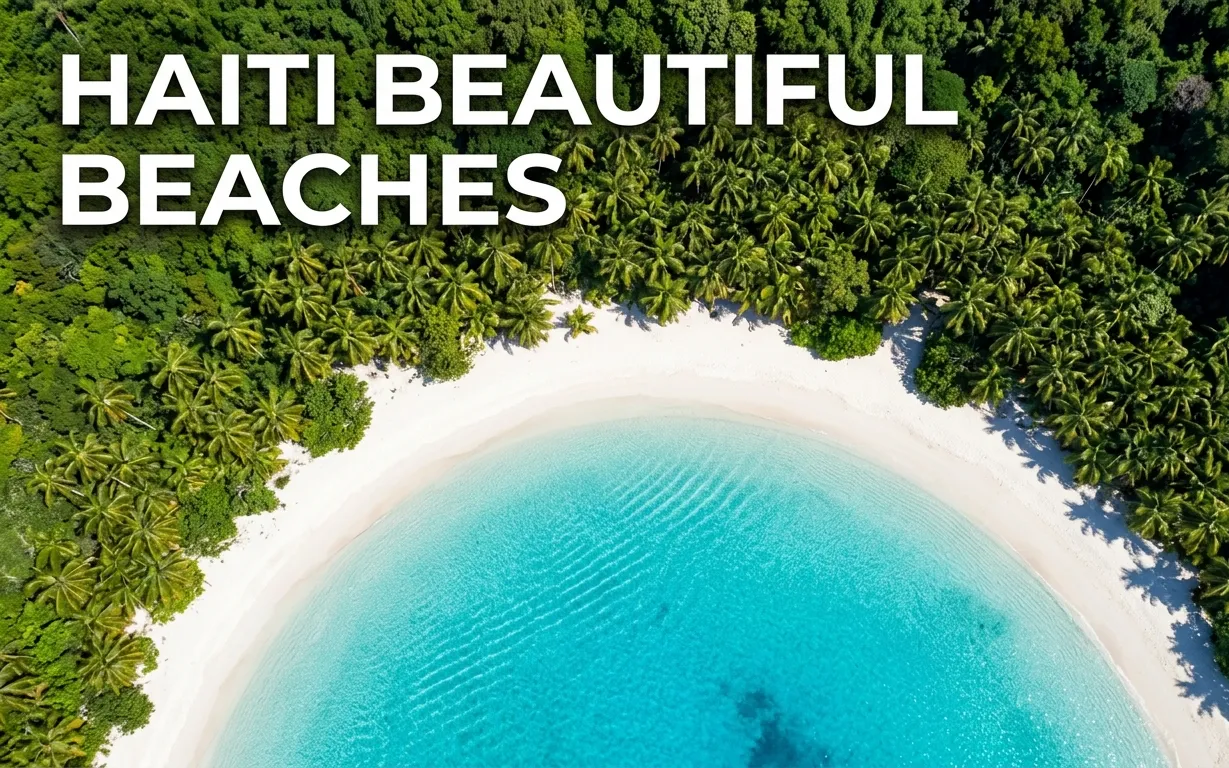
Haiti’s beaches are among the most stunning and least visited in the entire Caribbean. This is an undeniable fact obscured by a very real security crisis.
The sand in places like Île-à-Vache rivals the powder of Turks and Caicos but sees maybe a dozen visitors on a busy day. You trade crowded shores for a completely raw, undeveloped coastline.
This 2026 guide names the best beaches and the safest ways to reach them. It delivers an unflinching security assessment and a pragmatic resort strategy for seeing Haiti’s beautiful coast now.
Haiti Beautiful Beaches Guide: The Overlooked Caribbean Shore
Haiti occupies the western third of Hispaniola with over 1,100 miles of coastline. The shore runs from arid desert peninsulas in the south to lush, mountainous cliffs in the north.
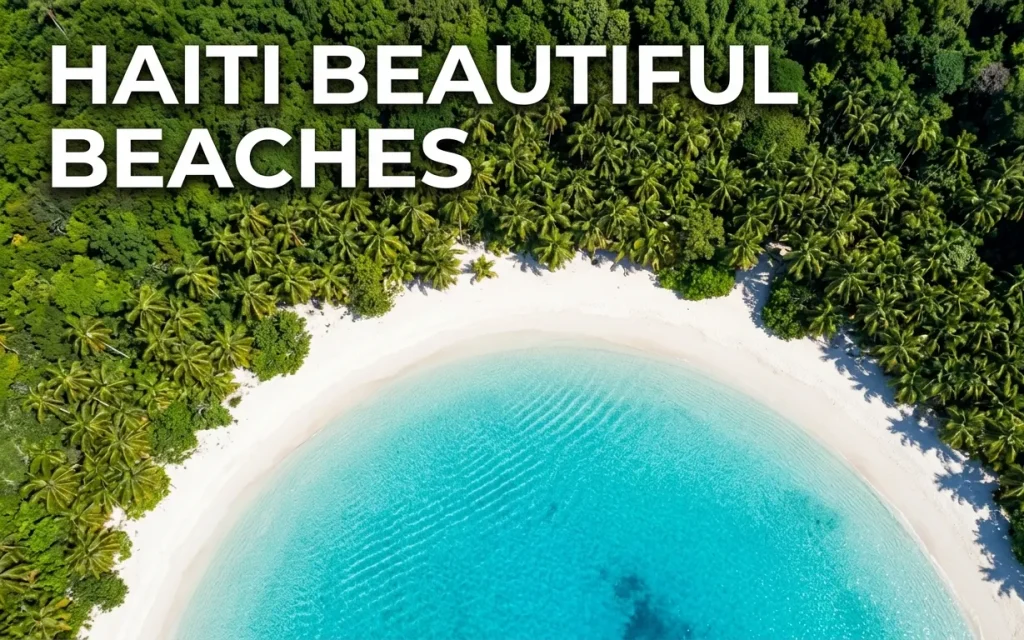
The beach character shifts dramatically from powdery white sand to golden stretches to dramatic black pebble coves. This geological variety is unmatched on a single Caribbean island.
The tourism infrastructure is minimal and concentrated in a few secure, gated pockets. You will not find a seamless, resort-to-excursion experience here like in the Dominican Republic.
The lack of development is precisely why the beaches feel so wild and pristine. Haiti’s coast is a raw masterpiece best suited for a specific, highly prepared traveler.
Key Takeaway: Haiti’s coastline is vast and varied, but access is limited to specific safe enclaves in 2026.
Are Haiti Beaches Beautiful? An Honest Assessment
Haiti’s beaches are genuinely and spectacularly beautiful by any Caribbean standard. The water achieves a vivid, glassy turquoise clarity in the sheltered southern and northern bays.
The sand on the best beaches is a fine, white powder you can sink your feet into deeply. This is the same high-quality carbonate sand found on the region’s most expensive islands.
The backdrop is often a dramatic wall of jungle-covered mountains falling directly into the sea. This creates a sense of scale and wildness absent from flat, arid vacation islands.
The water visibility for snorkeling is often exceptional due to a lack of coastal runoff. The beaches are physically on par with the very best in the Caribbean Sea.
The honest assessment is that the physical beauty is not a question. The challenge is exclusively about the safety and logistics of reaching a specific stretch of that sand.
Best Beaches in Haiti: A Curated 2026 List
The best beaches in Haiti for 2026 are those accessible without transiting through Port-au-Prince. This list prioritizes safety, access, and genuine beauty.
- Labadee (Cap-Haïtien): A private, secured peninsula leased by Royal Caribbean cruise line.
- Île-à-Vache (Les Cayes): A car-free, idyllic island off the south coast, reached by boat.
- Jacmel (Sud-Est): A historic artistic town with wild, powerful beaches and nearby waterfalls.
- Côte des Arcadins (Port-au-Prince region): The closest beach strip to the capital with gated resorts.
- Port-Salut (Sud): The south coast’s classic golden-sand public beach with a local food scene.
- Cormier Plage (Cap-Haïtien): A private, gated beach near Cap-Haïtien with a historic resort.
Labadee Beach: The Private Cruise Line Destination
Labadee is a 260-acre private peninsula on Haiti’s north coast leased by Royal Caribbean. It is the safest and most controlled beach experience in the entire country.
The beaches here are separated into distinct coves with calm, clear, shallow water. Adrenaline Beach faces the open ocean, while Columbus Cove is a calm, family-friendly lagoon.
Access is exclusively via a Royal Caribbean cruise ship or a very rare resort day pass. You are physically separated from the rest of Haiti by high fences and a private security force.
The experience is a surreal, sanitized slice of Haiti that feels like a theme park. You will have safe, clean sand and a zipline but zero authentic interaction with the country.
For a family looking for a worry-free beach day in Haiti, this is the only guaranteed solution. For an independent traveler, it may feel inauthentic and ethically complex as an experience.
Jacmel Beaches: Timouillage and the Artistic Coast
Jacmel is a crumbling, beautiful historic coffee port on the south coast. It is famous for its art, papier-mâché carnival masks, and a wild, black-sand coastline.
Timouillage is the best beach spot, a wide golden-sand bay just a short drive west of the town center. The surf can be rough here, making it better for experienced swimmers.
The real swimming star in Jacmel is not a beach but the Bassin Bleu waterfall series. A short, guided hike leads to a series of deep, sapphire-blue jungle pools.
The sense of a real Haitian town with a creative, resilient soul is what makes Jacmel special. Jacmel is only safely reachable via a direct, secured private vehicle from Port-au-Prince as of 2026.
This is a destination for a solo adventurer or couple with a high risk tolerance. It is not a place to bring children or to wander around exploring without a trusted local guide.
Key Takeaway: Jacmel’s beauty is in its art, culture, and wild coast, but only with a trusted local guide.
Ile a Vache: The Ultimate Caribbean Escape
Île-à-Vache is a small, lush, car-free island off the southern coast near Les Cayes. It is the postcard image of a perfect, undeveloped, castaway Caribbean paradise.
The beaches here are some of the finest in the world, with zero engine noise. Abaka Bay is a long, perfect crescent of white powder sand lapped by exceptionally calm, shallow water.
To reach the island, you fly domestically into Les Cayes and then take a small boat taxi for about 20 minutes. Once there, the only transport is by foot, horse, or motorbike taxi.
Accommodation is limited to a small handful of boutique resorts like the Abaka Bay Resort. A stay here is about doing absolutely nothing in perfect, silent natural beauty.
This is the ideal destination for a couple seeking a romantic, disconnected escape with no distractions. It is profoundly not a fit for anyone who wants vibrant nightlife, dining variety, or reliable Wi-Fi.
Is It Safe to Travel to Haiti Beaches in 2026?
The overall security situation in Haiti, particularly in Port-au-Prince, remains at a critical level in 2026. The U.S. State Department maintains a Level 4 “Do Not Travel” advisory for the entire country.
This advisory is driven by widespread violent crime, armed gangs, and a high risk of kidnapping. This applies most urgently to the capital, Port-au-Prince, and its immediate surrounding areas.
The safest way to visit a Haitian beach is to completely bypass Port-au-Prince. This means flying directly into Cap-Haïtien in the north or flying domestically from PAP to Les Cayes without leaving the secure airport zone.
- Direct flight into Cap-Haïtien: Access to Labadee and Cormier Plage. The city has a separate, safer security ecosystem.
- Secured domestic flight and transfer: Fly from PAP to Les Cayes to access Île-à-Vache and Port-Salut.
- Cruise ship day visit: The only access to Labadee without flying into Haiti directly.
Do not attempt to travel by road between cities. Armed gangs control or extort drivers on key highways, including the road north from Port-au-Prince.
Key Takeaway: Haiti beach travel in 2026 requires bypassing Port-au-Prince entirely via a direct flight or secured air transfer.
Haiti Beach Resorts: The All-Inclusive and Boutique Options
The resort landscape in Haiti is limited to a few gated, security-focused properties. These resorts function as safe compounds, not as bases for free exploration.
They are categorized by region and offer fundamentally different experiences:
- Wahoo Bay Beach Resort (Côte des Arcadins): The closest upscale beach escape to Port-au-Prince, accessible via a direct, secured transfer. It offers a calm beach, infinity pool, and all-inclusive meal plans.
- Cormier Plage Resort (Cap-Haïtien): A historic, gated beachfront property on a private cove near Cap-Haïtien. It is a tranquil, lush garden resort with a classic, old-school Caribbean feel.
- Abaka Bay Resort (Île-à-Vache): A rustic-chic, boutique beachfront property on a perfect white sand beach. The all-inclusive rate includes fresh, local seafood and zero urban noise.
- Dan’s Creek Hotel (Port-Salut): A simple, comfortable motel-style property directly on the public beach.
All-inclusive rates typically range from $150 to $350 per person per night. The premium you pay is for the security perimeter, the private transfer logistics, and the sheer isolation.
How to Get to Haiti’s Best Beaches Safely
You cannot rent a car and road-trip Haiti in 2026. The only safe and realistic way to get to the best beaches is through a combination of secured flights and resort-organized transfers.
To reach the beaches of the north or the south safely, follow this process:
- Book a flight directly into Cap-Haïtien (CAP) from Florida, bypassing Port-au-Prince entirely. This is the single safest move you can make for a Haiti beach trip.
- If you must fly into Port-au-Prince (PAP) , stay inside the airport’s secure perimeter.
- Arrange a domestic flight on Sunrise Airways to Cap-Haïtien or Les Cayes. Book the next connecting flight immediately after your international arrival.
- Pre-arrange a private driver through your specific resort to meet you at the domestic terminal. Do not hail a taxi or use a ride-share app.
- Never, under any circumstances, attempt a long-distance road trip by public bus or tap-tap. The risk of a violent encounter at a gang checkpoint is extremely high.
Wahoo Bay Beach Resort: A Cote des Arcadins Gem
Wahoo Bay Beach Resort is the premier beach resort option on the Côte des Arcadins. This coast is the closest beach strip to Port-au-Prince, about a 90-minute secured drive north.
The resort sits in a private, gated cove with a calm, protected sandy beach. The water here is clear and good for swimming, though not the electric turquoise of the southern coast.
The standout feature is its direct, easy access from the airport via a resort security transfer. This makes it the only practical beach resort option for someone with a 24-hour layover in Port-au-Prince.
The property includes an infinity pool, a spa, and a restaurant serving fresh seafood under a thatched roof. The honest limitation is the sediment-laden water runoff after heavy rains.
For a business traveler or an NGO worker on a break, it’s a genuine oasis. For a dedicated leisure traveler, the journey south to Île-à-Vache offers a far more spectacular payoff.
Key Takeaway: Wahoo Bay is the pragmatic, safe beach choice, not the most spectacular one.
Port Salut: The Southern Coast’s Best Beach
Port-Salut is a classic public Caribbean beach on the southern peninsula, near Les Cayes. It’s a long, gentle curve of palm-backed golden sand with a string of humble seafood shacks.
The water is calm, shallow, and warm, making it an excellent and safe spot for a long swim. This is a local Haitian weekend beach scene, not a curated resort experience.
For lunch, the grilled lobster and fried plantains at the beachfront restaurants are legendary. The lobster is pulled fresh from the sea by local fishermen and cooked simply over charcoal.
The area was severely impacted by Hurricane Matthew in 2016 and has slowly rebuilt. The Dan’s Creek Hotel is a good, simple base with air conditioning and reliable security.
Port-Salut is for an adventurous budget traveler who wants an authentic beach experience. It is not for anyone who needs lounger service, a swim-up bar, or a pristine, manicured environment.
Cote des Arcadins: Haiti’s Closest Beach Escape
The Côte des Arcadins is a 20-mile stretch of coast north of Port-au-Prince. Its strategic location makes it the most accessible beach zone in the country for a short visit.
The beaches here are backed by the dramatic, green peaks of the Matheux Mountains. The sand is a mix of white and golden grains, and the water is generally calm.
A cluster of gated, secure resorts like Wahoo Bay and the Moulin sur Mer museum resort operates here. These properties provide a controlled bubble for a weekend escape from the capital’s tension.
The water clarity is not as pristine as the south due to river runoff during the rainy season. Snorkeling is limited, but paddleboarding and kayaking in the calm bay are standard resort activities.
This coast is the only practical choice for a beach day from Port-au-Prince. Accept it for what it is: a safe, pleasant escape, not a world-class snorkeling destination.
Best Time to Visit Haiti Beaches for Sun and Safety
The best time to visit Haiti’s beaches is the dry season, from late November through March. The weather is reliably sunny, the humidity is lower, and the roads are passable.
The water is at its clearest during these months due to a lack of sediment-laden rain runoff. This is crucial for seeing the vivid turquoise color in places like Île-à-Vache at its peak.
The worst time to visit is the hurricane season, from August to October. The southern peninsula is exposed and frequently hit by major tropical storms and hurricanes.
The summer months of June and July are hot and dry but come with a risk of Sahara dust haze. This dust can flatten the light and reduce visibility for days at a time.
Traveling during Haiti’s Carnival in February adds a significant security complexity in urban areas. The beach resort zones remain insulated but confirm resort security measures in advance.
What to Pack for Haiti Beaches in 2026
Packing for Haiti requires preparing for a self-sufficient beach trip in a remote environment. The resort gift shop will not be able to replace a forgotten essential.
Essential items for a safe and comfortable trip:
- High-SPF Reef-Safe Sunscreen: The Caribbean sun is fierce, and sunscreen is nearly impossible to find locally.
- A Comprehensive Medical Kit: Pack prescription meds, anti-diarrheals, rehydration salts, and strong insect repellent containing DEET.
- Cash in Small US Dollars: ATMs are unreliable, and credit card machines frequently fail at resorts. Cash is king.
- A Portable Power Bank: Electricity supply can be intermittent, even at the best resorts.
- Sturdy Water Shoes: Essential for rocky coves and for protecting against sea urchins.
- A Travel Door Lock: For an added layer of personal security in boutique hotels or Airbnbs.
Key Takeaway: Pack as if you are going on a remote expedition, not a standard resort vacation.
Haiti as a Beach Destination: The Real Caribbean Comparison
Comparing Haiti to a standard resort destination like Punta Cana is a category error. Haiti is a raw, high-risk, high-reward adventure destination that happens to have Caribbean beaches.
| Profile | Haiti Beach Experience | vs. Dominican Republic | Verdict for Haiti |
|---|---|---|---|
| Physical Beauty | Stunning, empty, and pristine. | Beautiful but crowded. | Haiti wins on raw, unspoiled beauty. |
| Resort Comfort | Gated compounds with rustic charm. | World-class all-inclusive luxury. | DR is far superior for service. |
| Safety Certainty | High risk, requiring strict protocols. | Very low risk for resort tourists. | DR is the only choice for peace of mind. |
| Cultural Depth | Profound, intense, and unavoidable. | Curated and entertainment-focused. | Haiti offers a genuinely life-changing experience. |
| Cost for Standard Trip | Deceptively high due to security logistics. | Packaged and competitive. | Haiti is a poor value for a casual vacation. |
Haiti is for a traveler who wants an untamed, unforgettable experience and accepts a real danger premium. The standard Caribbean tourist should wait for the security situation to fundamentally change.
Safety and Seasonal Warnings for Haiti Beaches
The primary safety risk in Haiti is not the beach conditions but the violent crime and kidnapping risk in transit. The security situation requires treating the entire trip as a high-risk logistical operation.
Key safety and seasonal facts every visitor should know:
- Port-au-Prince is a No-Transit Zone: Do not leave the airport grounds and do not stay overnight in the capital. Connect directly to your domestic flight.
- Road Travel is Extremely Dangerous: Armed gangs operate highway checkpoints. The risk of armed robbery and kidnapping on intercity roads is severe.
- Hurricane Exposure: The southern peninsula is extremely vulnerable to hurricanes from August through October.
- No Ocean Lifeguards: There are no organized ocean rescue services on any public beach.
- Bottled Water Only: Tap water is unsafe to drink. Avoid ice in unverified locations and raw fruits washed in tap water.
In a security or medical emergency, your resort manager is your primary first responder. Call 911, but be aware that police and ambulance response is unreliable and often nonexistent.
Frequently Asked Questions About Haiti Beaches
Is it safe to go to the beach in Haiti?
Yes, specific beach resort enclaves like Labadee and Île-à-Vache are safe for 2026.
The danger is not the beach itself but the journey through Port-au-Prince to reach it.
A trip is only safe by bypassing the capital entirely via a direct flight or secured air transfer.
What is the most beautiful beach in Haiti?
Abaka Bay on Île-à-Vache is widely considered the single most beautiful beach in Haiti.
It is a perfect crescent of powder-white sand with calm, vividly turquoise and crystal-clear water.
The beach is completely undeveloped, silent, and often entirely empty.
Does Haiti have white sand beaches?
Yes, the southern coast and offshore islands have stunning, fine white sand beaches.
Île-à-Vache and Port-Salut are the best examples of classic, powdery Caribbean white sand.
The northern coast near Labadee has golden sand and protected coral coves.
Can you still visit Labadee, Haiti in 2026?
Yes, but only via a Royal Caribbean cruise ship on a private day visit in 2026.
The resort day pass program for independent travelers is not consistently available.
The cruise line’s private security force completely isolates the peninsula from the mainland.
What is the best time of year to visit Haiti’s beaches?
The dry season from late November through late March is the best time to visit.
The weather is sunny, the humidity is lower, and the sea visibility is at its clearest.
Avoid the hurricane season from August to October at all costs.
Are there all-inclusive resorts in Haiti?
Yes, a handful of gated, security-focused resorts offer all-inclusive meal and drink packages.
Abaka Bay Resort on Île-à-Vache and Cormier Plage Resort in Cap-Haïtien are the top examples.
The all-inclusive rate is about security and a remote location, not a luxury buffet concept.
Your 2026 Haiti Beach Planning Reality
Haiti’s beautiful beaches are a genuine Caribbean wonder for a specific, prepared traveler. The experience is a logistical challenge that rewards you with empty, spectacular sand.
Your first booking must be a direct flight into Cap-Haïtien (CAP) or a domestic connection that avoids the Port-au-Prince street exit. A secured resort in the north or a trip to Île-à-Vache is the only sensible 2026 strategy.
The US State Department advisory level and resort security status are subject to rapid change. Verify both of these critical pieces of information directly and explicitly on the day you book.
The trip is a calculated risk with a profound reward for the right person.