Best Beaches in Antigua 2026: Honest Guide to 365 Beaches
The best beaches in Antigua are not all 365 of them. The famous marketing claim sounds wonderful in tourism brochures but the honest truth is that perhaps 15 to 20 beaches deliver what international visitors actually want.
Powdery white sand, calm turquoise water, and reasonable access cluster primarily along the Caribbean-facing leeward coast of Antigua.
The Antigua and Barbuda Tourism Authority confirms the island’s coastline is heavily indented with countless coves and bays. This guide identifies exactly which specific beaches earn your limited vacation time and which ones you can skip without missing anything.
Beaches Antigua Overview
Beaches Antigua offers fall into two distinct categories that determine everything about your beach experience on this Leeward Islands destination.
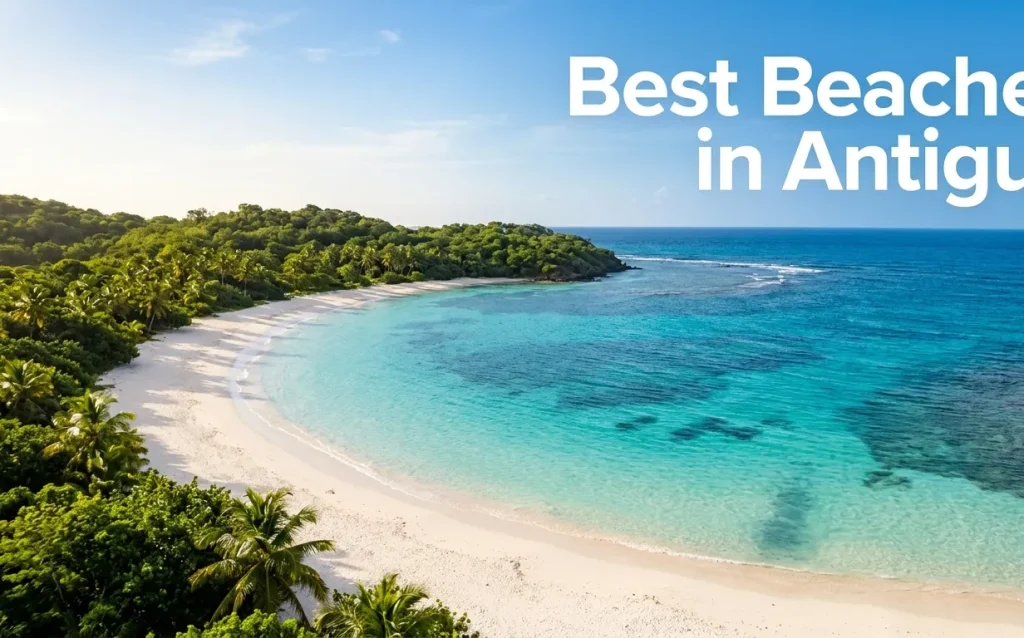
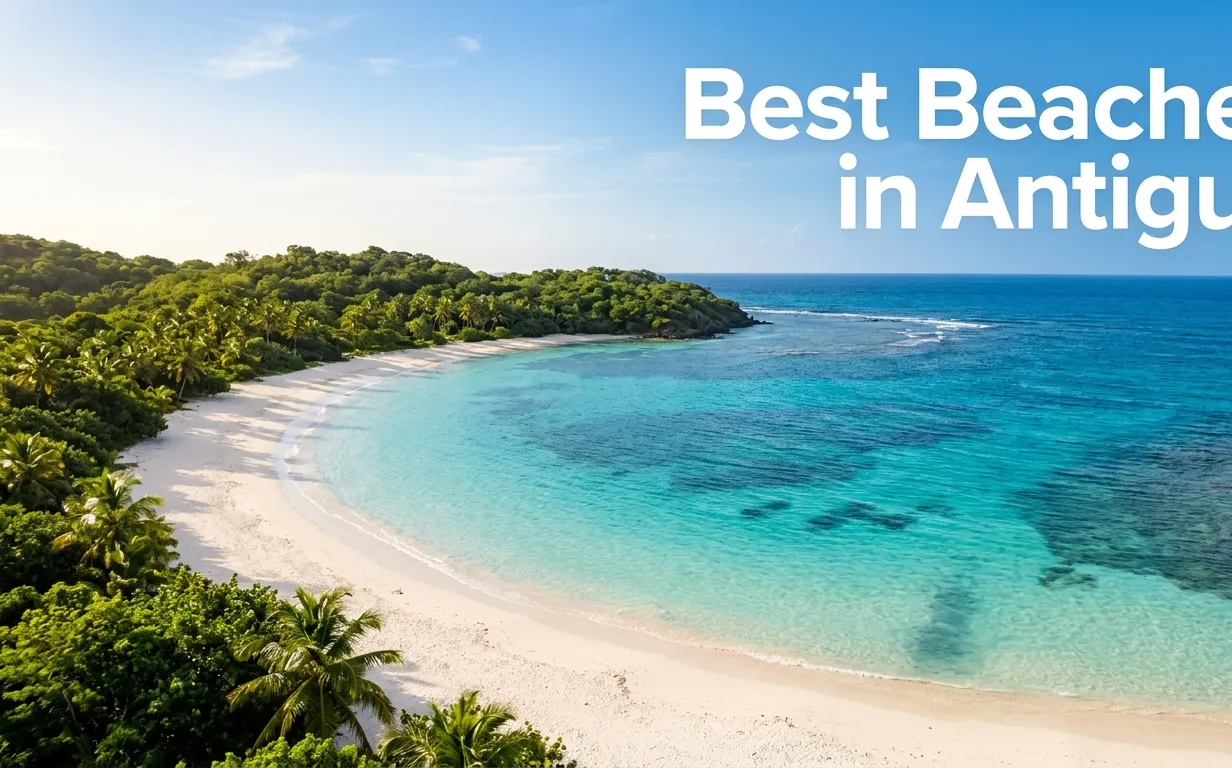
The Caribbean-facing west and southwest coast delivers the calm, clear, swimmable beaches that made Antigua famous. The Atlantic-facing east coast is wild, windswept, and largely unsuitable for casual swimming.
Antigua’s coastline spans roughly 95 miles with an extraordinary number of bays, coves, and sandy inlets carved into the shoreline. This geology creates the “365 beaches” claim.
The sand quality on Antigua’s best beaches is genuinely exceptional. Fine white powder sand, not coarse coral rubble, defines the top beaches along the leeward coast.
Water color ranges from pale turquoise in the shallows to deep sapphire blue beyond the reef lines. Visibility on calm days typically reaches 40 to 80 feet on the leeward side.
According to the Caribbean Tourism Organization, Antigua consistently ranks among the top five Caribbean destinations for beach quality in visitor satisfaction surveys.
That ranking reflects the leeward beaches specifically, not the Atlantic side.
Key Takeaway: Antigua’s Caribbean-facing west coast delivers the calm white sand beaches visitors want. The Atlantic east coast is scenic but not swimmable.
Antigua Beaches Overview by Region
Antigua beaches distribute across four primary coastal regions, each delivering a genuinely different beach experience that affects where you should spend your beach days.
The northwest coast from Fort James to Runaway Bay anchors the primary resort zone. Dickenson Bay, Runaway Bay, and Fort James Beach sit here with calm water and resort proximity.
The southwest coast from Jolly Harbour to Darkwood Beach offers some of Antigua’s most beautiful beaches with slightly fewer crowds than the northwest resort strip.
The south coast around English Harbour and Nelson’s Dockyard features smaller coves with historical context and calm water protected by the island’s southern peninsula.
The east coast faces the Atlantic Ocean with dramatic scenery, strong trade winds, and rough water. Half Moon Bay sits on this coast and is the one east coast beach worth visiting for its beauty, not swimming.
Each region suits different traveler priorities. Resort guests typically stay near their property’s beach on the northwest or southwest coast. Independent travelers with a rental car can mix regions across multiple days.
The rental car is essential for exploring Antigua’s beaches beyond your resort. Taxis are expensive and public transportation does not serve most beach access points.
Best Antigua Beaches Ranked
The best Antigua beaches vary dramatically by what you want to do on them. The beach that ranks highest for swimming may rank low for snorkeling or seclusion.
Half Moon Bay ranks as Antigua’s most beautiful beach overall with a perfect crescent of pink-tinged white sand and dramatic Atlantic views. It is breathtaking to photograph but only swimmable in calm summer conditions.
Dickenson Bay takes the top spot for resort proximity and swimming convenience with calm water, full facilities, and multiple resort beachfronts along a continuous sandy stretch.
Valley Church Beach delivers the best combination of stunning beauty, calm swimming, and manageable crowds outside cruise ship hours. The water color here is genuinely remarkable.
Darkwood Beach offers excellent swimming and snorkeling with a more local, less resort-dominated atmosphere and reasonable facilities.
| Beach | Best For | Water | Sand | Crowds |
|---|---|---|---|---|
| Half Moon Bay | Photography, scenery | Rough except summer | Pink-white powder | Low |
| Dickenson Bay | Swimming, resort access | Calm, clear | White powder | High |
| Valley Church | Beauty, swimming | Calm, turquoise | White powder | Moderate |
| Darkwood | Snorkeling, local vibe | Calm, good viz | White powder | Moderate |
| Turner’s | Views, lunch | Generally calm | White powder | Moderate |
| Pigeon Point | Family swimming | Very calm | White powder | Low |
Each beach earns its ranking for different reasons. The right choice depends entirely on your priority for the day.
Key Takeaway: Half Moon Bay wins for beauty, Dickenson Bay for convenience, Valley Church for the best overall balance.
The Antigua 365 Beaches Claim
The Antigua 365 beaches claim is the island’s signature tourism marketing message but the honest reality requires clarification for visitors planning an actual beach vacation.
Antigua’s coastline is genuinely heavily indented with hundreds of sandy inlets, coves, and bays. The count of 365 is marketing, not a verified beach inventory with names and access points for each one.
The Antigua and Barbuda Tourism Authority uses the claim to communicate the island’s defining feature: an extraordinary density of beaches along a relatively small coastline.
In practical visitor terms, perhaps 20 to 25 beaches offer the combination of quality white sand, calm swimmable water, reasonable vehicle access, and basic facilities that international visitors expect.
Many of the 365 are small rocky coves inaccessible by road, Atlantic-facing rough-water beaches unsuitable for swimming, or tiny patches of sand between rocky headlands that photograph beautifully but do not function as a usable beach day destination.
The marketing works because even the 20 genuinely visitor-ready beaches would take multiple trips to fully explore.
Visitors who understand this distinction have a much better Antigua beach experience than those who arrive expecting to find hundreds of accessible, swimmable beaches around every corner.
The leeward Caribbean coast between Fort James and Carlisle Bay contains the highest concentration of visitor-ready beaches.
Focus your limited vacation time on this stretch and supplement with one east coast scenic visit to Half Moon Bay.
Dickenson Bay Antigua
Dickenson Bay is Antigua’s most developed and accessible beach, anchoring the northwest resort corridor with calm water, white sand, and full tourist infrastructure.
The beach stretches for roughly one mile of continuous powdery white sand backed by Antigua’s highest concentration of resorts and beachfront restaurants.
Water conditions are consistently calm due to the bay’s protected northwest orientation. Swimming is excellent year-round with gradual sandy entry and minimal current.
Sandals Grande Antigua occupies a prime section of Dickenson Bay with a well-maintained beachfront and all-inclusive service. Other resorts and independent hotels line the remaining beachfront.
The honest downside is crowds. Dickenson Bay is the busiest beach in Antigua, particularly during peak season December through April when resort guests and cruise ship visitors converge on the same shoreline.
Vendors and water sports operators are more persistent here than at less developed Antigua beaches. This is the tradeoff for having the most facilities and easiest access.
Families benefit from Dickenson Bay’s calm water and abundant amenities including beach chair rentals, restrooms, restaurants, and water sports outfitters directly on the sand.
Couples seeking quiet romance should visit Dickenson Bay early morning before 9:00 AM or look to less developed beaches like Valley Church or Darkwood instead.
Half Moon Bay Antigua
Half Moon Bay is widely considered Antigua’s most beautiful beach, a perfect crescent of pink-tinged white sand on the island’s Atlantic east coast.
The beach curves in a dramatic one-mile arc with powdery sand that takes on a subtle pink hue from crushed coral and shell fragments mixed into the white sand.
The honest limitation is that Half Moon Bay faces the Atlantic Ocean, which means rough water and strong currents during most months.
Swimming is only safe during calm summer conditions, typically June through August, and even then only when conditions are visibly settled.
During winter months November through March, the Atlantic swell creates dangerous conditions with powerful waves and rip currents. This is a photography and walking beach during those months, not a swimming beach.
Facilities include a beachfront restaurant and bar that operates seasonally. Restrooms and changing facilities are limited.
Half Moon Bay rewards visitors who accept it on its own terms. The beauty is genuinely remarkable and the beach is rarely crowded because most visitors prioritize swimming over scenery.
Couples and photographers should make the drive to Half Moon Bay for a morning walk and photos. Families with young children should stay on the calmer leeward beaches.
Key Takeaway: Half Moon Bay is Antigua’s most beautiful beach but only swimmable in calm summer conditions.
Valley Church Beach Antigua
Valley Church Beach delivers what many visitors consider the best overall beach experience in Antigua: genuine natural beauty, calm clear water, and manageable crowds.
The beach features exceptionally fine white sand and water that shifts through multiple shades of turquoise and pale blue in the shallows.
The sheltered position along the southwest coast creates calm swimming conditions year-round with gentle wave action and excellent water clarity.
A beachfront restaurant and bar provides food, drinks, restroom access, and chair rentals. The facilities are sufficient without the overdevelopment feel of Dickenson Bay.
Crowds are moderate with the busiest periods occurring mid-morning through early afternoon. Cruise ship excursions sometimes arrive here but in smaller numbers than at Dickenson Bay.
Parking is available in an informal lot adjacent to the beach access path. Arrive before 10:00 AM during peak season for the best parking and beach position.
Valley Church Beach suits couples seeking a beautiful swimming beach without the resort density of Dickenson Bay. Families appreciate the calm water and available facilities.
The honest note is that Valley Church is no longer a secret. Its reputation has grown significantly and it can feel busy during peak season weekends.
Antigua Beaches for Swimming
The best Antigua beaches swimming conditions are found on the Caribbean-facing leeward coast where protected bays and coves deliver calm, clear, gently deepening water.
Dickenson Bay provides the most consistently calm swimming conditions on Antigua with protected northwest orientation, gradual sandy entry, and year-round gentle water.
Valley Church Beach offers excellent swimming with water clarity that rivals any Caribbean beach and a more scenic setting than Dickenson Bay.
Pigeon Point Beach near English Harbour delivers exceptionally calm, shallow swimming in a protected south coast bay that is ideal for children and less confident swimmers.
Ffryes Beach on the southwest coast combines excellent swimming conditions with a more local, less tourist-dense atmosphere than the northwest resort strip.
Swimming beaches to approach with caution include any Atlantic-facing east coast beach outside calm summer months. Half Moon Bay and Long Bay are scenic but potentially dangerous for swimming November through March.
The leeward side between Fort James and Carlisle Bay contains Antigua’s safest and most consistent swimming beaches. Focus your swimming days on this coastline.
Water temperatures range from 79 to 84 degrees Fahrenheit year-round, making swimming comfortable in any season.
Reef-safe sunscreen is essential for protecting Antigua’s coral ecosystems while swimming and snorkeling near reef areas.
Key Takeaway: Stick to the Caribbean leeward coast for safe swimming. Dickenson Bay and Valley Church lead the list.
Antigua Beaches for Snorkeling
The best Antigua beaches snorkeling takes place along the southwest and south coasts where nearshore reefs and rocky headlands create marine habitat accessible from shore.
Darkwood Beach offers the best shore-entry snorkeling in Antigua with rocky sections at either end of the beach hosting coral formations and tropical fish.
Cades Reef is Antigua’s premier snorkeling destination but requires a boat trip to access. The reef sits offshore from the southwest coast near Jolly Harbour with guided excursions departing regularly.
Pigeon Point Beach near English Harbour provides calm, shallow snorkeling suitable for beginners with small reef patches visible in clear shallow water close to shore.
Carlisle Bay on the south coast features healthy coral gardens accessible from the beach at the bay’s edges where the sand transitions to rocky reef.
Antigua’s snorkeling is good but not the Caribbean’s best. The island is more famous for calm sandy swimming beaches than for extensive coral reef systems accessible from shore.
Serious snorkelers should consider a boat excursion to Cades Reef or explore the rocky headland areas at the ends of southwest coast beaches.
The best snorkeling conditions occur during dry season December through April when water visibility is highest and calm conditions prevail.
Turtle sightings are possible at several Antigua beaches, particularly near seagrass areas where green sea turtles feed.
Stingray City Antigua offers a unique marine encounter in shallow water but is an organized boat excursion, not beach snorkeling.
Antigua Beach Access and Parking
Antigua beach access is generally free and public under Antiguan law, but the quality of access roads, parking availability, and facilities varies dramatically between beaches.
All beaches in Antigua are public up to the high water mark. Resorts may occupy beachfront land but cannot legally prevent public beach access.
Parking at most Antigua beaches is informal and unpaved. Dickenson Bay has the most developed parking with resort and public lots available.
Darkwood Beach, Turner’s Beach, and Valley Church Beach feature informal dirt or gravel parking areas adjacent to beach access paths. These fill during peak hours but are generally adequate.
Half Moon Bay parking is a small unpaved area near the beach entrance. The access road is rough and unpaved for the final stretch.
To navigate Antigua beach parking successfully:
- Rent a vehicle with reasonable ground clearance for unpaved beach access roads
- Arrive before 10:00 AM for the best parking at popular beaches
- Never leave valuables visible in your parked car at any Antigua beach
- Verify that your rental car agreement covers unpaved road driving
- Some beaches require a short walk from parking to sand, pack accordingly
Most Antigua beaches lack formal entrance fees. A few beaches near resorts may charge a small parking fee, typically $2 to $5 USD equivalent.
Verify current access conditions with your hotel or the Antigua and Barbuda Tourism Authority before visiting remote beaches, as access roads deteriorate after heavy rains.
Key Takeaway: Antigua beaches are free and public but parking is informal. Arrive early and drive a vehicle suited for unpaved roads.
Antigua Beaches for Families
The best Antigua beaches for families prioritize calm shallow water, gradual entry, available facilities, and proximity to food and restrooms.
Dickenson Bay is the most family-friendly beach in Antigua with consistently calm water, sandy entry, multiple restaurants, restroom access, chair rentals, and resort proximity.
Pigeon Point Beach near English Harbour provides exceptionally calm shallow swimming in a protected bay that is ideal for young children. The water stays shallow far from shore.
Jolly Beach on the southwest coast offers a long stretch of calm sandy shoreline with resort amenities nearby and gentle wave conditions suitable for family swimming.
Runaway Bay north of Dickenson Bay provides a quieter family beach alternative with similar calm conditions and fewer crowds than the main resort strip.
Beaches to avoid with children include any Atlantic-facing east coast beach due to rough water, and remote beaches without facilities where restroom access and shade are unavailable.
The sand at Antigua’s top family beaches is soft white powder, ideal for sandcastle construction and barefoot walking.
Shade is limited at most Antigua beaches. Bring sun shelters or umbrellas for young children as natural shade from trees is rare along the beachfront.
Families staying at all-inclusive resorts like Sandals Grande Antigua or the family-friendly section of Jolly Beach Resort benefit from beachfront convenience with food and facilities steps away.
Budget-traveling families should pack a cooler with drinks and snacks as beachfront restaurant prices add up quickly for a family group.
Antigua Beaches for Couples
The best Antigua beaches for couples deliver romantic settings, manageable crowds, and beautiful surroundings without the resort density and vendor activity of Dickenson Bay.
Valley Church Beach provides the ideal couples beach experience with stunning water color, fine white sand, adequate facilities, and a romantic atmosphere particularly in late afternoon.
Half Moon Bay offers the most dramatically beautiful setting for couples who value scenery and photography over swimming. The crescent shape and pink-tinged sand create genuine romance.
Carlisle Bay on the south coast delivers a more secluded couples experience with calm swimming, excellent scenery, and fewer visitors than the northwest coast beaches.
Ffryes Beach combines excellent swimming conditions with a more intimate atmosphere than the busier resort strip beaches.
Couples seeking a private beach experience should consider properties with dedicated beachfront access. Curtain Bluff Resort and Galley Bay Resort and Spa offer all-inclusive adults-oriented experiences with excellent private beach settings.
Sunset on Antigua’s west coast beaches creates genuinely romantic conditions. The sun sets over the Caribbean Sea with colors reflecting off calm water.
Couples should avoid Dickenson Bay during peak cruise ship hours 10:00 AM to 3:00 PM when the beach is busiest. Early morning and late afternoon visits offer a quieter experience.
Honeymooners benefit from Antigua’s concentration of adults-only and couples-oriented resort properties that provide beach experiences calibrated for romance rather than family activity.
Key Takeaway: Valley Church and Carlisle Bay deliver Antigua’s best couples beach experiences away from resort crowds.
Least Crowded Antigua Beaches
The least crowded Antigua beaches require either a drive away from the resort corridor, a short hike, or a willingness to visit beaches without facilities that most tourists bypass.
Carlisle Bay on the south coast remains relatively uncrowded due to its location away from the main northwest resort zone. The beach is beautiful with calm water and limited visitor numbers.
Ffryes Beach sees fewer visitors than neighboring Darkwood despite offering comparable beauty and swimming conditions. Weekday visits here feel genuinely uncrowded.
Fort James Beach north of St. John’s provides a local atmosphere with far fewer tourists than the Dickenson Bay strip just minutes south.
Rendezvous Bay requires a hike or boat access, which keeps it among Antigua’s most secluded beaches. The effort filters out casual visitors.
To find uncrowded Antigua beach experiences:
- Visit popular beaches before 9:00 AM or after 3:00 PM
- Drive to south coast beaches away from the northwest resort corridor
- Visit beaches without beachfront restaurants, as these lack the amenities that draw crowds
- Explore on Sundays when cruise ship traffic is lighter
- Consider a rental car essential for reaching uncrowded beaches independently
Budget travelers benefit most from seeking uncrowded beaches. Free public access and a rental car tank of gas cost far less than resort beachfront premium pricing.
Couples seeking romantic seclusion should prioritize Carlisle Bay, Ffryes Beach, and Rendezvous Bay for the quietest beach experiences on Antigua.
Antigua Sargassum Seaweed and Season
Antigua sargassum seaweed is the single most impactful seasonal factor affecting beach quality, and the one that most visitor guides fail to address honestly.
Sargassum is a brown macroalgae that drifts into Caribbean beaches primarily from May through October, peaking during the summer months.
The leeward Caribbean coast of Antigua generally experiences less sargassum accumulation than the Atlantic east coast because prevailing winds and currents push the seaweed toward windward shorelines.
According to the University of South Florida Sargassum Watch System, sargassum blooms in the Caribbean have varied significantly in severity year to year with some years seeing major accumulation and others experiencing minimal impact.
Beaches most affected by sargassum include Atlantic-facing Half Moon Bay, Long Bay, and some north coast beaches during peak season.
Beaches least affected include the deeply protected southwest coast beaches like Carlisle Bay and the English Harbour area where the coastline orientation naturally deflects floating seaweed.
Dickenson Bay and other northwest coast beaches experience moderate sargassum during peak season but resort staff typically clear beachfront areas daily.
To avoid sargassum disappointment:
- Travel December through April for the lowest sargassum risk
- Stick to leeward southwest and south coast beaches during summer months
- Check recent visitor photos on travel forums before committing to summer travel dates
- Verify current conditions with your resort before booking summer stays
- Accept that even during sargassum season, many Antigua beaches remain clear
The dry season December through April sees minimal sargassum and represents the safest booking window for guaranteed clear beaches.
Key Takeaway: Travel December to April for minimal sargassum. Summer months bring seaweed risk to windward beaches.
Which Side of Antigua Has the Best Beaches
Which side of Antigua has the best beaches depends entirely on what you want to do on those beaches, but the honest answer for most visitors is the Caribbean-facing west and southwest coast.
The leeward west coast from Fort James to Jolly Harbour contains Antigua’s calmest, clearest swimming water, the highest concentration of white sand beaches, and the most developed visitor infrastructure.
The southwest coast from Jolly Harbour through Darkwood, Turner’s, and Valley Church delivers Antigua’s most beautiful beaches with exceptional water color and slightly fewer crowds than the northwest resort strip.
The south coast around English Harbour and Nelson’s Dockyard offers protected calm-water coves with historical context and a more intimate scale than the broad west coast beaches.
The Atlantic east coast features Half Moon Bay and Long Bay, which are extraordinarily scenic but largely unswimmable outside calm summer months due to rough Atlantic surf.
| Coast | Swimming | Beauty | Crowds | Facilities |
|---|---|---|---|---|
| Northwest | Excellent | Good | High | Excellent |
| Southwest | Excellent | Excellent | Moderate | Good |
| South | Good | Good | Low | Limited |
| East | Poor except summer | Excellent | Low | Minimal |
The honest recommendation for a one-week Antigua trip is to base yourself on the west or southwest coast for swimming and convenience, then make one dedicated trip to Half Moon Bay on the east coast for the scenery.
Families and swimming-focused visitors should stick to the northwest and southwest coasts exclusively.
Couples and photographers should add an east coast scenic stop at Half Moon Bay outside swimming months.
Safety and Seasonal Warnings for Antigua Beaches
Atlantic hurricane season and sargassum seaweed present genuine risks that affect Antigua beach quality and visitor safety during specific months.
The Atlantic hurricane season runs from June 1 through November 30, with peak storm risk occurring August through October.
Antigua lies within the hurricane belt and has experienced direct storm impacts historically.
Key safety and seasonal facts every Antigua beach visitor must know:
- Book travel insurance covering hurricane-related cancellations for any Antigua trip June through November. Resort closures and flight cancellations occur during major storms.
- Sargassum seaweed typically peaks May through October with severity varying by year and beach location. Windward and north-facing beaches are most affected.
- Never swim at Atlantic-facing beaches like Half Moon Bay during winter months November through March. Powerful surf and rip currents create life-threatening conditions.
- Trade winds are strongest December through July, creating choppy afternoon conditions at exposed beaches. Morning hours provide calmer water at all Antigua beaches.
- Reef-safe sunscreen is essential for protecting Antigua’s coral ecosystems. Standard sunscreen chemicals are harmful to reef systems present at many Antigua snorkeling beaches.
- Medical facilities in Antigua are limited. Serious medical emergencies may require evacuation to Puerto Rico or the United States. Travel medical insurance is essential.
Antigua and Barbuda Search and Rescue (ABSAR) provides emergency response services. Dial 911 or 999 for emergencies.
Frequently Asked Questions About Antigua Beaches
What is the best beach in Antigua for swimming?
Dickenson Bay is the best beach in Antigua for consistent year-round swimming thanks to its protected northwest orientation and calm clear water.
Valley Church Beach offers similarly excellent swimming conditions with a more scenic setting and fewer crowds.
Both beaches provide gradual sandy entry suitable for swimmers of all ability levels.
Which side of Antigua has the best beaches?
The Caribbean-facing west and southwest coast has the best Antigua beaches for calm swimming, white sand quality, and visitor facilities.
The Atlantic east coast has dramatically beautiful scenery but rough water unsuitable for swimming outside calm summer months.
Base yourself on the west coast for beach days and visit Half Moon Bay on the east coast for photography and views.
Are Antigua beaches free to access?
Yes, all Antigua beaches are free public access up to the high water mark under Antiguan law.
Resorts cannot legally prevent public beach access even when their property fronts the shoreline.
Parking at most beaches is free and informal, though a few locations may charge a small parking fee.
What is the best Antigua beach for families with children?
Dickenson Bay is the best Antigua beach for families thanks to consistently calm water, sandy entry, restaurants nearby, restroom access, and chair rentals available on the sand.
Pigeon Point Beach near English Harbour offers exceptionally calm shallow water ideal for young children.
Both beaches provide the facilities and safe conditions that family beach days require.
When is sargassum seaweed worst on Antigua beaches?
Sargassum seaweed is typically worst on Antigua beaches from May through October with peak accumulation during the summer months.
The Atlantic east coast and some north coast beaches experience the heaviest sargassum impact.
Travel December through April for the lowest sargassum risk and clearest beaches.
How many beaches does Antigua actually have?
Antigua markets itself as having 365 beaches, one for each day of the year, but this is tourism marketing rather than a verified inventory.
Approximately 20 to 25 beaches offer the combination of quality sand, calm swimming water, vehicle access, and facilities that international visitors expect.
The remaining hundreds are small rocky coves, Atlantic rough-water beaches, or inaccessible shoreline that does not function as a usable visitor beach.
Your Antigua Beach Plan for 2026
Antigua delivers some of the Caribbean’s finest white sand beaches when you match the right beach to your activity and season.
Focus your beach days on the leeward Caribbean coast between Fort James and Carlisle Bay for the calm water and powdery sand that made this island famous.
Plan at least one scenic drive to Half Moon Bay for the photographs and the reminder that the Atlantic side of Antigua is dramatically wild and beautiful on its own terms.
Travel between December and April for the lowest sargassum risk, clearest water, and most reliable beach conditions.
Beach conditions, sargassum accumulation, resort access, and parking availability change with seasons and weather.
Verify current beach conditions with the Antigua and Barbuda Tourism Authority and your specific accommodation before finalizing your beach itinerary.
A week on Antigua’s leeward beaches with one east coast scenic detour delivers exactly the Caribbean beach experience the island’s 365-beach reputation promises.