Grenada Beaches in 2026: An Honest Guide to the Best Sand
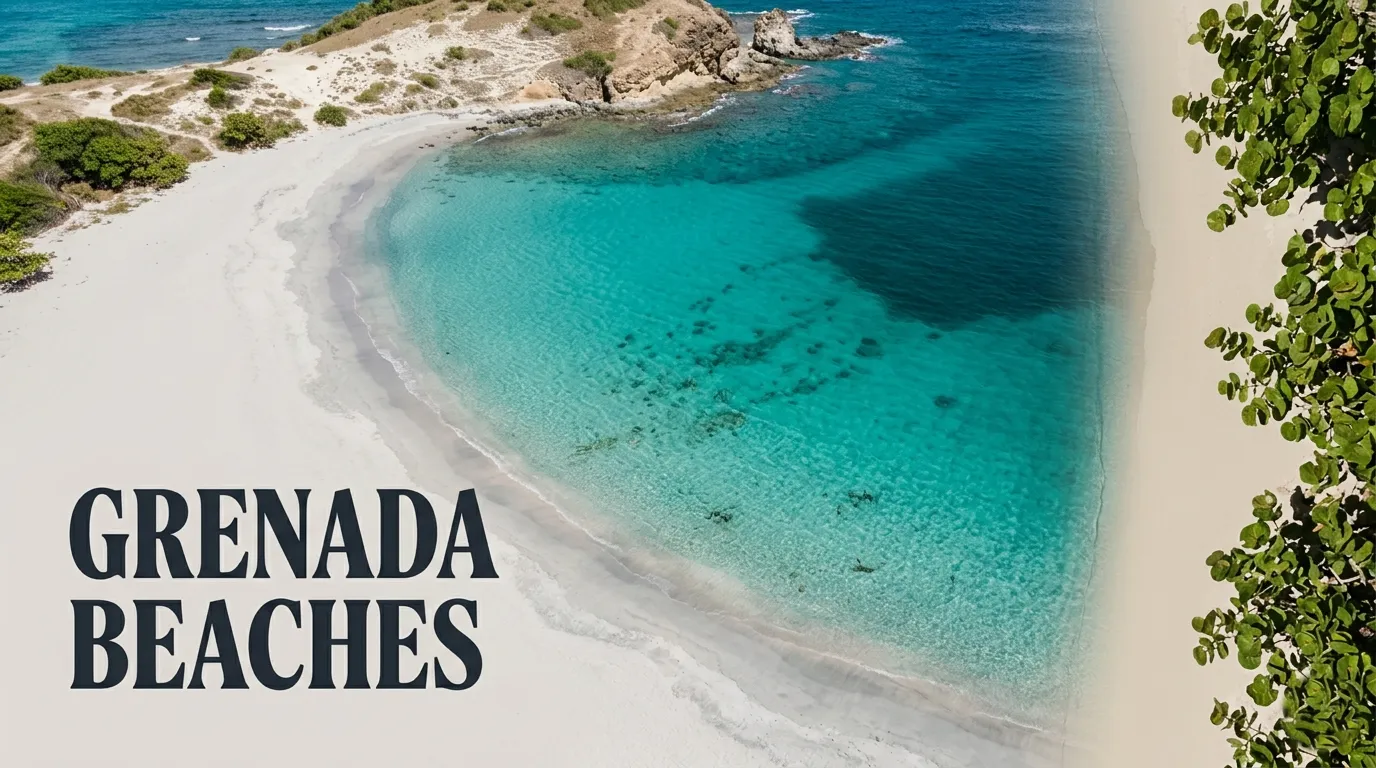
Grenada beaches are not a one-size-fits-all Caribbean cliché.
You trade the blinding white of Turks and Caicos for character and variety.
The island offers a famous two-mile resort stretch and wild, empty coves.
Water clarity and seaweed levels shift sharply depending on the coast you choose.
The Grenada Tourism Authority identifies over 45 named beaches across the
tri-island nation. Most visitors stick to the southwestern leeward coast.
This guide names the specific beach that matches your trip, not just your hotel.
Grenada Beaches
Grenada’s coastline divides into two distinct beach personalities.
The leeward, or Caribbean, side is calm, clear, and developed for tourism.
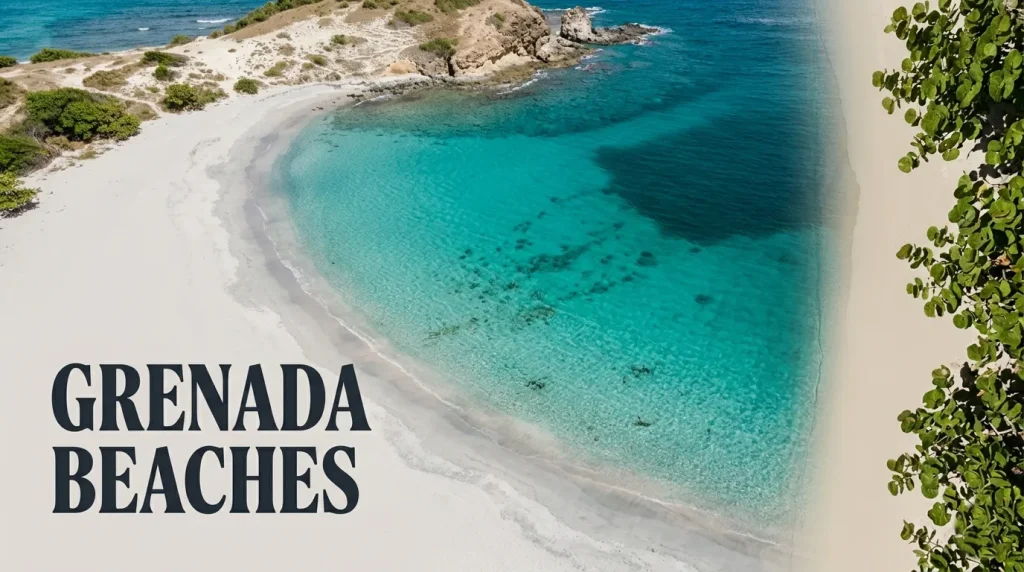
The windward, or Atlantic, side is raw, rough, and often empty.
Grand Anse Beach anchors the leeward side with two miles of white-grey sand.
Luxury resorts and local vendors share this stretch in a rare, authentic balance.
Smaller coves like Morne Rouge sit tucked between headlands minutes away.
The windward coast offers a wilder experience at Bathway Beach and Levera Beach. Swimming here is often dangerous due to strong currents and waves.
Most visitors never leave the southwestern peninsula.
That is a mistake only if you crave true solitude and don’t mind a drive.
Grenada Island Beaches
The main island of Grenada holds the vast majority of accessible beaches.
Sister islands Carriacou and Petite Martinique offer their own remote
strips.
Carriacou’s Paradise Beach delivers a castaway experience with a beach bar.
You reach it via a 90-minute ferry or a short puddle-jumper flight from GND.
Petite Martinique feels entirely separate from the tourism grid.
Its beaches are quiet, local, and lack any significant infrastructure.
On the main island, the southwestern coast from St. George’s to Point Salines holds
the most options. A single road, the Maurice Bishop Highway, connects most beaches.
A rental car opens up the north and east coasts for day trips.
Without one, you will be limited to Grand Anse and the busier southwestern coves.
Key Takeaway: Base yourself on the leeward coast but budget a day trip or two to explore the wilder Atlantic side by car.
Best Beaches in Grenada
The best beach depends entirely on your tolerance for other humans.
Grand Anse is the best for convenience, amenities, and safe swimming.
Morne Rouge Beach is the best for calm, shallow water and a local hangout vibe.
La Sagesse Beach is the best for a quiet, golden-sand nature escape.
| Beach | Best For | Water | Crowds | Insider Note |
|---|---|---|---|---|
| Grand Anse | Convenience, Swimming | Calm, Clear (leeward) | High on cruise days | Sargassum hits the southern end hardest. |
| Morne Rouge (BBC) | Families, Shallow Dip | Very Calm, Shallow | Medium | Called BBC Beach by locals. Arrive before 10am for shade. |
| La Sagesse | Couples, Solitude | Calm, Golden Sand | Low | Small hotel on site. Weekdays feel private. |
| Magazine Beach | Snorkeling, Lunch | Clear, Rocky Edges | Low-Medium | Aquarium Restaurant is steps away. |
| Bathway Beach | Wild Scenery | Rough Atlantic Surf | Very Low | A natural rock pool protects swimmers. |
Grand Anse Beach Grenada
Grand Anse Beach is a two-mile curve of pale grey-white sand south of St.
George’s. It holds Grenada’s highest concentration of resorts and visitor services.
The water is typically calm and clear from December to May.
Swimming is excellent along most of the stretch, with a gradual sandy entry.
Multiple public access paths connect the main road to the sand.
The most central paths are near Umbrellas Beach Bar and the Grand Anse Craft
Market.
This accessibility means the beach is genuinely public, not hotel-gated.
Spice Island Beach Resort and Silversands Grenada anchor the northern end
with five-star luxury. Their loungers are for guests only, but the sand in front of
them remains public.
Cruise ship passengers cluster near the central craft market access point.
Walk five minutes north toward Silversands for a much quieter section of the same
beach.
Vendors sell spices, jewelry, and drinks but a firm “no, thank you” works.
They are less aggressive than on some other Caribbean islands but persistent.
Morne Rouge Beach Grenada
Morne Rouge Beach, locally called BBC Beach, sits a five-minute drive south of
Grand Anse. A protected cove shelters it from the open Caribbean Sea.
The water here is almost always flat calm and strikingly shallow.
This is the best beach on the island for young children and nervous swimmers.
A steep hill and a small parking area limit the crowds naturally.
The beach has basic facilities, a small restaurant, and chair rentals.
Weekends draw local families and the atmosphere turns lively with music.
Weekday mornings offer a completely different, near-empty experience.
The northern edge of the cove has shade from sea grape trees.
Claim a spot here early if you plan to stay through the midday heat.
For couples, the intimacy of this cove beats the vastness of Grand Anse.
The water warms quickly here, becoming a bath-like pool by late morning.
Key Takeaway: Morne Rouge is the genuine answer for a calm, safe, family-friendly swim without the Grand Anse scale.
Best Snorkeling Beaches Grenada
Molinere Bay is the best snorkeling site, but it is not a beach.
You reach the Underwater Sculpture Park exclusively by boat.
For shore-entry snorkeling, Magazine Beach at the Aquarium Restaurant offers
the best accessible reef. Rocky outcrops on either side of the small cove hold
schools of reef fish.
Enter from the southern end near the rocks for the most marine life.
Flamingo Bay, just south of Morne Rouge, provides another solid shore snorkel.
A small reef sits 50 yards offshore in calm, clear water.
You need your own gear as no rental shop sits directly on this beach.
Pink Gin Beach, near the airport, has clear water and scattered coral heads.
It is a quiet, often-overlooked option for a quick pre-flight snorkel.
Boat trips to the sculpture park depart from Grand Anse and St. George’s harbor.
Half-day group trips typically cost $50 to $75 USD per person.
Underwater Sculpture Park Grenada Beach
The Underwater Sculpture Park is in Molinere Bay, not off a swimmable
beach. A boat is the only way to access it properly.
The bay is a designated marine protected area with a collection of life-sized
concrete sculptures. They sit in 15 to 25 feet of water on a sandy bottom.
Strong swimmers can see some sculptures by snorkeling from a boat.
Scuba diving provides the only complete, unhurried experience of the full gallery.
Visibility is generally best from January through April.
Summer months can bring murkier water and stronger currents to the bay.
Book a half-day trip with a licensed operator like Dive Grenada or Aquanauts Grenada. Verify the sculpture park permit is included in your price.
This is not a casual shore-snorkel adventure, despite what some marketing implies.
Treat it as a dedicated morning boat trip for the best result.
La Sagesse Beach Grenada
La Sagesse Beach sits on the island’s quieter southeastern coast, a 30-minute
drive from Grand Anse. A golden sand crescent unfolds in a sheltered bay.
The water is calm, clear, and shaded by palm trees at the waterline.
A small, charming hotel and restaurant sit just behind the sand.
This beach feels like a different island entirely from the busy southwest.
Weekdays here are often completely empty, even during the high season.
The drive to La Sagesse passes through the island’s lush, mountainous interior.
Combine the beach visit with a stop at a roadside nutmeg processing station.
The sand here is slightly coarser than Grand Anse but more photogenic.
The color is a warm gold that catches the low afternoon light perfectly.
For couples seeking a romantic, private-feeling lunch by the sea, this is the spot.
The restaurant serves fresh fish and cold Carib beer steps from your chair.
Magazine Beach Grenada
Magazine Beach is a small, picturesque cove just south of the airport runway.
The Aquarium Restaurant overlooks the sand and operates a lively beach bar.
The beach itself is narrow, with coarse white sand and rocky edges.
Those rocks are exactly what make the snorkeling here unusually good for a beach
entry. Schools of sergeant majors and parrotfish navigate the shallow coral.
Plane-spotters will love the periodic arrivals drifting overhead.
The runway threshold sits just a few hundred yards from the water.
Arrive by late morning to secure a spot, as the beach fills by midday.
The restaurant allows you to use loungers if you are dining or drinking there.
Parking is directly in the restaurant’s lot, making this a hassle-free trip.
The vibe is more social and expat-heavy than the resort stretches of Grand Anse.
Key Takeaway: Magazine Beach solves the puzzle of good snorkeling, easy parking, and a quality lunch all in one compact stop.
Grenada Beaches Near Cruise Port
The cruise ship terminal sits directly on the harbor in downtown St. George’s.
Grand Anse Beach is the closest and most convenient option for cruise passengers.
A water taxi from the cruise terminal to Grand Anse takes roughly 10 minutes.
Expect to pay $10 to $15 USD per person for a round-trip water taxi ride.
The water taxi drops you near the central craft market access point.
This is the busiest section of Grand Anse, especially with multiple ships in port.
A land taxi to Morne Rouge Beach or Magazine Beach takes 15 to 20 minutes.
Negotiate the round-trip fare before you leave the cruise terminal area.
For a quieter cruise day, hire a taxi directly to La Sagesse Beach.
The 30-minute drive is worth the trade for an empty, golden-sand beach.
Return to the ship at least 90 minutes before the all-aboard time.
St. George’s afternoon traffic can clog the single road back to the port.
Best Grenada Beach for Families
Morne Rouge Beach is the best beach on Grenada for families with young
children. Its shallow, cove-protected water eliminates wave anxiety.
The water depth increases so gradually that toddlers can wade far out safely.
The cove’s shape naturally contains children within a defined, visible space.
Grand Anse is the best for families with older kids who want more services.
The wider beach allows for running games, and multiple restaurants provide easy
lunch options.
Stick to the northern end of Grand Anse, away from the cruise crowds.
This section, near Mount Cinnamon Resort, feels calmer and more spacious.
Avoid Bathway Beach on the Atlantic side for swimming with children.
The natural rock pool is the only safe spot, and it is still rough by leeward
standards.
Rent a car for your family trip to easily shuttle between Morne Rouge and Grand
Anse. Taxis with car seats are difficult to secure on the island.
Best Grenada Beach for Couples
La Sagesse Beach is the most romantic beach on the island for couples.
The golden sand, the quiet boutique hotel, and the utter lack of crowds create a
private escape atmosphere.
Have lunch at the La Sagesse restaurant under the almond trees.
The grilled lobster, when available, is worth the trip alone.
Pink Gin Beach offers another strong couple’s option near the luxury resorts.
The stretch in front of Silversands Grenada is quiet, wide, and largely
traffic-free.
Book a sunset dinner at the resort’s beachfront restaurant afterward.
The long infinity pool here stretches directly toward the Caribbean horizon.
For adventurous couples, a day trip to Anse La Roche on Carriacou delivers a
true castaway beach. A short hike through the woods drops you onto a perfect,
empty crescent of white sand.
Pack a cooler, water, and a sense of total isolation for this one.
No facilities exist, and that is precisely the romantic appeal.
Most Secluded Beach Grenada
The most secluded accessible beach on the main island is Levera Beach on the
northern tip. It requires a 90-minute drive from the Grand Anse area.
The beach is a wild, wind-swept sweep of sand with views of Sugar Loaf Island.
Leatherback turtles nest here between March and August.
Swimming is dangerous due to strong Atlantic currents and rip tides.
Walk the sand, watch the turtles at night with a guide, but stay out of the water.
Bathway Beach, also on the north coast, provides more facilities.
A natural rock pool offers the only safe swimming option, protected from the open
ocean. The black volcanic sand here is strikingly different from the leeward coast.
For total seclusion, hire a local boat captain to drop you at a nameless cove.
This is common for half-day private charters on the leeward side.
Expect to pay $300 to $500 USD for a half-day private boat trip.
It delivers a level of isolation that no road-accessible beach can match.
Key Takeaway: True seclusion requires a drive to the Atlantic north, a boat trip, or a willingness to hike with no facilities.
Grenada Beaches Sargassum
Sargassum seaweed is a genuine seasonal factor on Grenada beaches.
The Caribbean Regional Fisheries Mechanism tracks significant influxes annually.
The windward Atlantic coast and the southern end of Grand Anse are most affected.
Seaweed typically arrives in mats from May through October.
The severity varies year by year and even week by week.
A beach clear on Monday can be buried by Wednesday under certain wind patterns.
Leeward coves like Morne Rouge and Magazine Beach are usually less affected.
Their protected, north-facing orientation shields them from the prevailing current.
Check the NOAA sargassum outlook reports before booking a summer trip.
Many luxury resorts now deploy floating barriers to protect their shoreline.
Do not assume a seaweed-free trip if you book during hurricane season.
Frame your expectation honestly: winter and spring are clear, summer and fall are a
gamble.
Best Time to Visit Grenada Beaches
The best time is January through April for the most reliable beach conditions.
Rainfall is low, humidity is manageable, and sargassum is at its annual minimum.
Water visibility during these months often exceeds 80 feet for divers.
The trade winds keep the heat pleasant without the oppressive summer stillness.
May and June offer a sweet spot of lower prices and still-good weather.
The sargassum risk begins to increase in late May but is not yet at its peak.
Avoid September and October if your trip revolves around beach perfection.
These are the peak hurricane months with the highest rainfall and seaweed influx.
November brings the start of the dry season transition, but it can still be damp.
Cruise traffic spikes from December through March, making Grand Anse crowded.
Book your beachfront hotel 6 to 8 months ahead for a January or February stay.
The best luxury properties like Silversands and Calabash fill up far in
advance.
Safety and Seasonal Warnings for Grenada Beaches
Grenada beaches present specific safety hazards distinct from the calmer northern
Caribbean islands. The island’s geography creates a sharp contrast between calm
leeward water and dangerous Atlantic surf.
Key safety and seasonal facts every visitor should know:
- Rip Currents on the Atlantic Coast: Bathway and Levera Beaches have powerful, deadly currents. Swim only inside the protected natural rock pool at Bathway.
- Sargassum Inhalation: Decaying seaweed releases hydrogen sulfide gas. Avoid sitting near large piles of rotting sargassum, especially if you have respiratory issues.
- Sun Exposure: Grenada sits at 12 degrees north latitude. The sun is directly overhead and extremely intense. Apply SPF 50 reef-safe sunscreen every 90 minutes.
- Hurricane Season: Runs officially from June 1 to November 30. While Grenada sits south of the main hurricane belt, it is not immune. Hurricane Beryl caused significant damage in 2024. Monitor forecasts closely.
- Isolated Beach Safety: Do not leave valuables in your rental car at remote beach parking areas. Break-ins occur at La Sagesse and Bathway lots. Take only essentials.
- Sea Urchins: Black spiny sea urchins inhabit rocky areas at Magazine Beach and Flamingo Bay. Wear sturdy water shoes when snorkeling near rocks.
Contact the Grenada Coast Guard via VHF Channel 16 for marine emergencies. The main hospital is in St. George’s, a short drive from the southwestern beaches.
Frequently Asked Questions About Grenada Beaches
Which part of Grenada has the best beaches?
The southwestern leeward coast from St. George’s to Point Salines has the best
swimming beaches.
Grand Anse, Morne Rouge, and Magazine Beach are all located in this area.
The calm Caribbean water here is ideal for swimming and snorkeling.
Is Grand Anse Beach safe for swimming?
Grand Anse Beach is safe for swimming along most of its two-mile length.
The water is typically calm with a gradual depth increase.
Avoid the far southern end near the rocks where currents can be stronger.
Can you visit the Underwater Sculpture Park without a boat?
You cannot properly visit the Underwater Sculpture Park without a boat.
The sculptures sit in Molinere Bay, accessible only by a swim from a moored vessel.
Book a half-day snorkel or dive trip with a licensed Grenadian operator.
What is the sargassum season in Grenada?
Sargassum season in Grenada generally runs from May through October.
The seaweed affects windward Atlantic beaches and the southern end of Grand Anse
most severely.
Severity varies year to year based on broader Atlantic currents.
Are there black sand beaches in Grenada?
Yes, Bathway Beach on the north coast has distinctive black volcanic sand.
Levera Beach also features darker sand mixed with lighter grains.
These Atlantic beaches are scenic but unsafe for casual swimming.
How much is a taxi from the cruise port to Grand Anse Beach?
A water taxi from the cruise port to Grand Anse costs $10 to $15 USD per person.
A land taxi to Grand Anse takes about 10 to 15 minutes.
Agree on the round-trip fare with the driver before leaving the port.
Grenada rewards the traveler who matches a beach to their specific mood.
Pick Grand Anse for convenience and a vibrant local scene.
Choose Morne Rouge for a calm, safe family swim in a protected cove.
Drive to La Sagesse for a romantic, golden-sand day that feels like a private
island.
The trade-off is an honest one: less manufactured perfection, more genuine
Caribbean soul. Check the NOAA sargassum forecast before you book a summer 2026
trip. Rent the car, drive the coast, and let the beach you find be the one that
fits the day.