Kona Beaches Guide 2026: Which Beach Actually Delivers for You
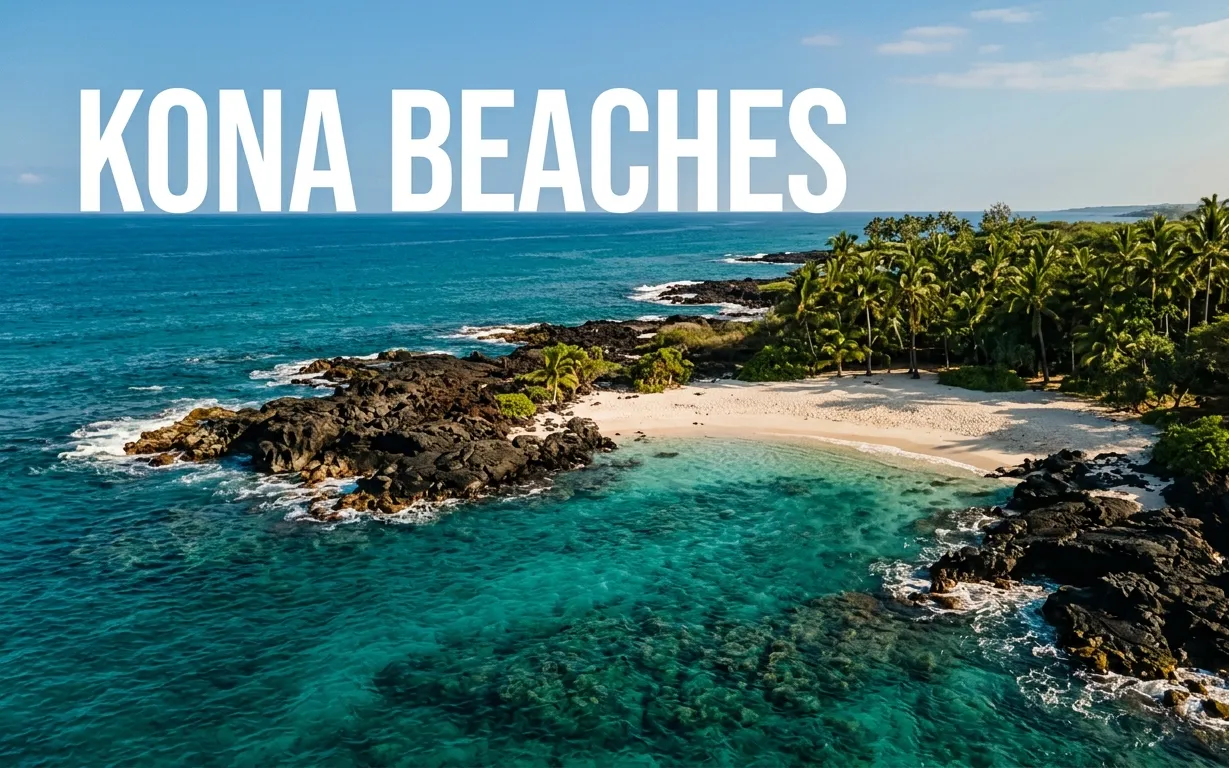
Kona beaches are not the endless sandy stretches most travelers picture when booking a Hawaii beach vacation. They are volcanic, intimate, and dramatically different from the Kohala Coast resort beaches just 30 minutes north.
The Hawaii Department of Land and Natural Resources manages most Kona coast beaches as public lands with free access. That public access creates a genuinely different experience from the private resort beach clubs found elsewhere on the island.
This guide covers exactly which Kona beaches deliver for snorkeling, swimming, families, couples, and sunset seekers in 2026. It also tells you honestly which beaches to skip during specific seasons, what parking actually costs, and what most visitors misunderstand about Kona beach selection.
Beaches Near Kona Hawaii Overview
The beaches near Kona Hawaii cluster along a roughly 60-mile stretch of the Big Island’s western coastline from Kona International Airport south past Kealakekua Bay.
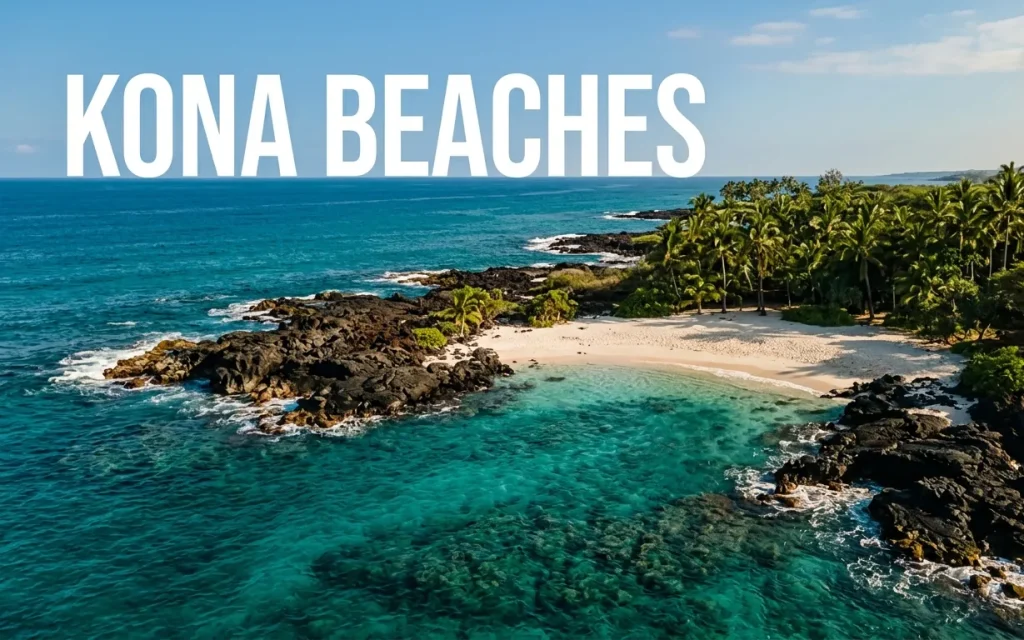
This is geologically young coastline with lava rock shorelines, coral rubble, and pockets of white sand.
Most Kona beaches are smaller and more intimate than the broad sandy expanses at Waikoloa Resort or Hapuna Beach. That smaller scale is part of what makes them special, but it also means parking fills fast and crowds concentrate at the most accessible spots.
The water along the Kona coast is typically clear with visibility ranging from 40 to 100 feet on calm days. Water temperatures stay between 75 and 80 degrees Fahrenheit year-round.
According to the Hawaii Tourism Authority, the Kona coast receives over 60 percent of Big Island visitors, making it the island’s primary tourist base.
That popularity means popular Kona beaches get genuinely crowded during peak morning hours, especially on cruise ship days when Kailua Pier is active.
Kona Coast Beaches Character
Kona coast beaches share a volcanic character that distinguishes them from every other major Hawaiian beach destination.
Lava rock formations frame most coves and bays. Sand color ranges from bright white coral sand to salt-and-pepper volcanic grain.
Many Kona beaches require walking across rough lava rock to reach the water entry point. This is not the barefoot stroll into soft sand that visitors expect from Caribbean or Florida beach experience.
The upside is extraordinary water clarity and marine life density. The volcanic substrate supports healthy coral gardens close to shore at multiple Kona beaches.
Green sea turtles, known locally as honu, surface regularly at several Kona snorkeling spots.
Spinner dolphins rest in Kona bays during morning hours, though federal law prohibits approaching within 50 yards.
The honest tradeoff on the Kona coast is dramatic volcanic beauty and exceptional snorkeling in exchange for fewer broad sandy beaches and more challenging water entries.
Travelers who understand this tradeoff before arriving have a significantly better Kona beach experience than those expecting Waikiki-style sandy shoreline.
Key Takeaway: Kona beaches deliver volcanic drama and world-grade snorkeling but not endless sandy shoreline. Adjust expectations accordingly.
Best Kona Beaches Ranked
The best Kona beaches depend entirely on what you want to do there. A beach that ranks first for snorkeling may rank last for swimming with young children.
Two Step Beach at Honaunau Bay consistently ranks as the best Kona snorkeling beach due to its extraordinary coral gardens, calm morning conditions, and reliable turtle encounters.
Manini’owali Beach at Kua Bay takes top marks for overall swimming beauty with bright white sand, turquoise water, and a postcard-perfect crescent cove.
Kahalu’u Beach Park is the best Kona beach for beginner snorkeling and families because of its protected shallow lagoon, lifeguard presence, and abundant reef fish visible in waist-deep water.
| Beach Name | Best For | Water Entry | Crowd Level | Facilities |
|---|---|---|---|---|
| Two Step | Advanced snorkeling | Rocky lava step | Moderate | Portable toilets |
| Kua Bay | Swimming, beach day | Sandy, can be steep | High by 10am | Restrooms, showers |
| Kahalu’u | Beginner snorkeling, families | Rocky but protected lagoon | High | Full facilities, lifeguard |
| Magic Sands | Bodyboarding, sunset | Sandy, shore break | Moderate | Restrooms, lifeguard |
| Makalawena | Secluded beach experience | Sandy after long hike | Low | None, pack everything |
Each beach delivers a genuinely different experience. Choosing the wrong beach for your activity creates frustration that no amount of scenic beauty can fix.
Kona White Sand Beaches
Kona white sand beaches are fewer and smaller than most Hawaii visitors expect, but the ones that exist are genuinely lovely.
Manini’owali Beach at Kua Bay inside Kekaha Kai State Park is the premier Kona white sand beach. The crescent of bright white coral sand meets clear turquoise water in a setting that photographs beautifully and delivers in person.
Makalawena Beach offers the most pristine white sand on the Kona coast, but reaching it requires a roughly 20-minute hike across rough lava trail. The reward is a genuinely uncrowded white sand beach with calm swimming in protected coves.
Magic Sands Beach Park in central Kailua-Kona features white sand that seasonally disappears and reappears with winter swell patterns. The sand can vanish entirely during heavy winter surf, leaving only lava rock exposed at the shoreline.
Hapuna Beach, while technically north of Kona on the Kohala Coast, is the closest broad white sand beach for Kona-based travelers willing to drive 30 to 40 minutes north.
White sand beaches on the Kona coast proper tend to be pocket beaches, small coves with limited sand area rather than miles of uninterrupted sandy shoreline.
Couples and romantic travelers typically prefer Kua Bay and Makalawena for their beauty and relative seclusion compared to family-heavy Kahalu’u.
Families with children who want gentle sandy entry should look north to Hapuna Beach rather than any Kona-proper white sand option.
Key Takeaway: Kona has beautiful white sand pockets, not broad sandy expanses. Hapuna Beach north of Kona fills that need.
Kona Beaches for Snorkeling
Kona beaches snorkeling is genuinely world-class, with accessible coral gardens, reliable green sea turtle encounters, and water clarity that rivals any Hawaiian destination.
Two Step Beach at Honaunau Bay is the best shore-entry snorkeling on the Kona coast. Enter via a natural lava rock step into water that deepens quickly over coral gardens teeming with tropical fish and frequent honu.
Kahalu’u Beach Park provides the best beginner snorkeling experience in Kona. The shallow protected lagoon holds dozens of reef fish species visible in three to five feet of water without needing to swim over deep coral.
Kealakekua Bay offers the most dramatic snorkeling in Kona but requires booking a permitted kayak or boat tour to reach the Captain Cook Monument area. Shore access via the steep Ka’awaloa Trail is grueling and not recommended for casual snorkelers.
| Snorkeling Beach | Skill Level | Turtle Likelihood | Best Time | Entry Type |
|---|---|---|---|---|
| Two Step | Intermediate+ | Very high | 7am-10am | Lava rock step |
| Kahalu’u | Beginner | Moderate | 8am-11am | Rocky, protected |
| Kealakekua Bay | Intermediate+ | High | Morning tours | Boat/kayak required |
| Kikaua Point | Beginner+ | Moderate | Any calm day | Sandy, easy |
Morning hours before 10:00 AM provide the calmest water and best visibility at all Kona snorkeling beaches. Afternoon trade winds typically kick up surface chop that reduces visibility.
Reef-safe sunscreen is required by Hawaii law. Standard sunscreen chemicals damage coral reefs. Purchase mineral-based sunscreen on island if needed.
Kona Beaches for Swimming
Kona beaches for swimming require careful selection because many Kona shorelines feature rocky entries, shore break, and seasonal surf conditions that make casual swimming hazardous.
Manini’owali Beach at Kua Bay is the best Kona beach for pure swimming during calm conditions. The sandy bottom, gradual depth increase, and protected cove shape create the closest thing to a classic swimming beach on the Kona coast.
Kikaua Point Beach near the Four Seasons Hualalai provides another excellent swimming option with a protected sandy lagoon, calm water, and easy entry suitable for children and less confident swimmers.
Magic Sands Beach can offer excellent swimming during summer calm periods but becomes dangerous with powerful shore break during winter swell months. The shore break here has caused serious neck and spinal injuries.
Swimming at Kona beaches requires honest daily condition assessment. A beach that is perfect for swimming in July may be hazardous in January due to north swell wrapping around the island.
Hawaii County Ocean Safety maintains lifeguard towers at Kahalu’u Beach Park and Magic Sands Beach. Check with lifeguards about current conditions before entering the water at any Kona beach.
Never swim at unguarded Kona beaches during winter swell months unless you have confirmed calm conditions and possess strong ocean swimming skills.
Key Takeaway: Kua Bay and Kikaua Point offer Kona’s best swimming. Always verify conditions before entering.
Kona Beach Access and Parking
Kona beach access is generally free and public under Hawaii law, but parking availability and access ease vary dramatically between beaches.
Kahalu’u Beach Park offers the easiest access with a dedicated parking lot directly adjacent to the beach, full restroom facilities, outdoor showers, and a lifeguard tower. The lot fills by 9:00 AM during peak season and cruise ship days.
Manini’owali Beach at Kua Bay requires entering Kekaha Kai State Park with a paved parking lot that fills quickly. Late arrivals park along the highway shoulder and walk in, adding significant distance on hot asphalt.
Two Step Beach at Honaunau Bay has no dedicated parking lot. Visitors park along the narrow road shoulder in a residential area. Respect local residents, park legally, and arrive before 8:00 AM to find parking.
Makalawena Beach has no direct vehicle access. Reach it by hiking approximately 20 minutes across rough lava trail from the Kekaha Kai State Park parking area.
Most Kona beaches are free to access as county or state public beach parks. Hapuna Beach State Recreation Area charges a per-vehicle entry fee, typically $5 to $10 for non-residents as of recent reports.
Verify current parking fees before visiting, as state park rates change.
Rental car is essential for Kona beach exploration. Public transit does not serve most beach access points, and rideshare availability is limited at remote beach locations.
Kona Beach Parking Reality
Kona beach parking is the single most frustrating logistics challenge that visitors consistently underestimate.
Parking lots at popular Kona beaches are small, fill early, and offer no overflow solution beyond waiting or leaving.
Kahalu’u Beach Park has the most reliable parking with roughly 70 spaces that fill by 9:00 AM during peak periods. Cruise ship days make parking here nearly impossible after 9:30 AM.
Kua Bay parking inside Kekaha Kai State Park holds approximately 40 vehicles. Weekend and holiday parking fills before 9:00 AM year-round.
Two Step parking is entirely roadside on a narrow residential street with no designated lot. Illegal parking in the Pu’uhonua o Honaunau National Historical Park lot results in citations.
To park successfully at popular Kona beaches:
- Arrive before 8:00 AM for guaranteed parking at Kahalu’u and Kua Bay
- Visit on non-cruise-ship days when possible
- Accept that Magic Sands and Two Step require parallel parking skill and patience
- Never leave valuables visible in your rental car at any Kona beach parking area
- Consider afternoon visits after 2:00 PM when morning crowds depart
Insider Tip:
- Keauhou area beaches like Kahalu’u often have turnover parking as snorkelers complete morning sessions and leave by 10:30 AM
- Parking at Kikaua Point is extremely limited, reserved primarily for Four Seasons Hualalai guest access, with a small number of public spots available
- Makalawena requires hiking but guarantees zero parking stress because no vehicle access exists
Kona Beaches for Families
Kona beaches for families require specific features that many dramatic Kona beaches simply do not provide: gentle water entry, lifeguard presence, shade availability, and restroom facilities.
Kahalu’u Beach Park is the best family beach on the Kona coast. The protected shallow lagoon allows children to see tropical fish in waist-deep water without venturing over deep coral or facing strong current.
Kikaua Point Beach provides an excellent family swimming experience with a sandy-bottom lagoon, calm protected water, shade from shoreline trees, and easy entry suitable for toddlers and young children.
Hapuna Beach, located 30 to 40 minutes north of Kailua-Kona on the Kohala Coast, offers the broadest family-friendly sandy beach experience. The gradual sandy entry, lifeguard presence, and wide beach area make it ideal for families who want a classic beach day.
| Family Beach | Young Kids (0-5) | Older Kids (6-12) | Shade | Lifeguard |
|---|---|---|---|---|
| Kahalu’u | Good in lagoon | Excellent snorkeling | Limited | Yes |
| Kikaua Point | Excellent | Good swimming | Good | No |
| Hapuna | Good in calm conditions | Excellent | Limited | Yes |
| Kua Bay | Caution, steep entry | Good in summer | None | No |
Avoid Magic Sands Beach with young children during winter months due to powerful shore break that knocks adults off their feet and creates dangerous conditions for small bodies.
Families should pack reef-safe sunscreen, water shoes for rocky entries, rash guards for sun protection, and plenty of drinking water. Most Kona beaches lack concession stands or nearby food vendors.
Key Takeaway: Kahalu’u and Kikaua Point are Kona’s best family beaches. Hapuna Beach north of Kona is worth the drive.
Kona Beaches for Couples
Kona beaches for couples deliver romantic settings, sunset views, and relative seclusion that family-heavy beaches cannot match.
Manini’owali Beach at Kua Bay is the most romantic Kona beach for couples during late afternoon. The white sand crescent, turquoise water, and sunset light over the ocean create a genuinely beautiful setting that photographs well and feels intimate.
Makalawena Beach offers the most secluded couples experience on the Kona coast. The 20-minute lava trail hike filters out most visitors, leaving a pristine white sand beach with protected coves and genuine privacy.
Kikaua Point Beach near the Four Seasons Hualalai provides a well-maintained, uncrowded beach experience with calm swimming and sunset views without the strenuous access of Makalawena.
Couples seeking a resort beach experience along the Kona coast should book accommodations with private beach access rather than relying on public beaches for a romantic atmosphere.
The Four Seasons Resort Hualalai and Mauna Lani Auberge Resorts Collection offer the best couples resort beach experiences on the island, though both sit north of Kona proper on the Kohala Coast.
Couples without children should avoid Kahalu’u Beach Park during peak family hours. The energy is wonderful for families but not romantic.
Sunset timing on the Kona coast varies from roughly 5:45 PM in December to 7:00 PM in June. Arrive at least 45 minutes before sunset to secure a good viewing spot and enjoy the full color transition.
Least Crowded Kona Beaches
The least crowded Kona beaches require either early arrival, physical effort to access, or willingness to visit less famous shoreline spots that most tourists skip.
Makalawena Beach stays uncrowded because the 20-minute lava trail hike deters casual beachgoers. The reward is a genuinely peaceful white sand beach experience even during peak season.
Kikaua Point Beach remains relatively uncrowded due to extremely limited public parking and its location north of the main Kona tourist corridor. Weekday visits offer near-private beach conditions.
Kealakekua Bay shoreline near the Captain Cook Monument remains lightly visited because reaching it requires a permitted boat or kayak tour or a strenuous downhill hike. Most visitors never see this shoreline from land.
End of Ali’i Drive beaches south of Keauhou see fewer visitors than the central Kona beaches. These small lava and sand pocket beaches offer solitude without the long hike required for Makalawena.
To find uncrowded Kona beach experiences without strenuous access:
- Visit popular beaches before 8:00 AM or after 3:00 PM
- Target beaches without restroom facilities, which reduces casual visitor numbers
- Avoid cruise ship port days when Kailua-Kona beaches flood with day visitors
- Explore south Kona shoreline pull-offs between Keauhou and Pu’uhonua o Honaunau
Budget travelers benefit most from uncrowded beach strategies. Public beach access is free, and avoiding peak times costs nothing while dramatically improving the experience.
Key Takeaway: Makalawena and early morning visits deliver crowd-free Kona beach experiences for those willing to plan.
Kona Beach Safety
Kona beach safety requires understanding seasonal swell patterns, rocky shoreline hazards, and marine life awareness that are specific to Hawaii Island’s volcanic coastline.
Winter north swell from November through March creates the most significant safety hazard at Kona beaches. Large surf wraps around the island, generating powerful shore break and rip currents at west-facing beaches that are calm all summer.
Hawaii County Ocean Safety Division warns that Magic Sands Beach has caused multiple spinal injuries from its powerful shore break during winter months. The steep beach profile creates waves that slam swimmers directly onto hard sand.
Portuguese man-o-war jellyfish appear along Kona beaches primarily from December through March. Their stings are painful and require immediate treatment with hot water, not vinegar.
Box jellyfish influx occurs 8 to 10 days after full moons year-round. Check the Hawaii Beach Safety website for current jellyfish warnings before visiting.
Key Kona beach safety rules every visitor must follow:
- Never turn your back on the ocean at any Kona beach. Waves arrive unpredictably and sweep people off rocky shoreline areas.
- Check with lifeguards at Kahalu’u or Magic Sands about current conditions before entering at any unguarded Kona beach.
- Wear water shoes at all Kona snorkeling beaches. Lava rock and coral are sharp and cuts become infected easily in tropical water.
- Never enter water at unguarded beaches during winter swell advisories. Drowning is the leading cause of visitor death in Hawaii.
- Stay at least 50 yards from spinner dolphins and 15 feet from green sea turtles. Federal law mandates these distances.
According to NOAA Hawaii Marine Forecasts, winter swell events can arrive with minimal warning. Check the marine forecast before any Kona beach day.
Kona Beaches vs Waikoloa Beaches
Comparing Kona beaches versus Waikoloa beaches helps travelers decide which Big Island coast aligns with their vacation priorities.
Waikoloa and Kohala Coast beaches offer broad sandy expanses, gentle entry, resort-maintained facilities, and consistently calm water protected from winter swell by the island’s northern geography.
Kona beaches offer volcanic drama, superior snorkeling, more intimate coves, and a less manicured, more authentically Hawaiian beach experience.
| Feature | Kona Beaches | Waikoloa/Kohala Beaches |
|---|---|---|
| Sand type | Mixed white sand pockets, lava rock | Broad white sand beaches |
| Snorkeling | Excellent, varied sites | Good, fewer sites |
| Swimming ease | Variable by season and beach | Consistently easier |
| Crowds | Concentrated at accessible spots | Dispersed across resort beaches |
| Facilities | County-maintained, limited | Resort-maintained, extensive |
| Public access | Excellent, free | Good but parking limited at some |
| Winter safety | Hazardous at some beaches | Generally safer |
| Resort proximity | Mix of independent and resort | Resort-dominant coastline |
Families with young children who prioritize easy swimming and sandy beach play typically prefer Waikoloa and Kohala Coast beaches.
Snorkeling enthusiasts and couples seeking dramatic volcanic coastal scenery typically prefer Kona beaches.
Budget travelers benefit from Kona’s greater concentration of free public beaches with genuine quality, whereas Waikoloa’s best beaches require resort access or paid parking at state parks.
The honest recommendation is to split time between both coasts if your itinerary allows. Kona for snorkeling and volcanic scenery, Waikoloa for classic sandy beach days.
Key Takeaway: Kona wins for snorkeling and volcanic drama. Waikoloa wins for sandy swimming ease.
Kona Beaches for Sunset
Kona beaches for sunset take advantage of the west-facing coastline where the sun drops directly into the Pacific Ocean with unobstructed views.
Kua Bay delivers the most beautiful sunset experience on the Kona coast. The white sand crescent, surrounding lava formations, and open western horizon create a genuinely memorable sunset setting.
Magic Sands Beach Park in central Kailua-Kona offers easy-access sunset viewing with a lively local atmosphere. The beachfront lawn area provides comfortable seating for sunset watching without sitting on sand.
Keauhou Bay area shoreline points offer sunset views with fewer crowds than Magic Sands or Kua Bay. The lava rock points south of the Outrigger Kona Resort provide quiet sunset perches.
Sunset at Pu’uhonua o Honaunau National Historical Park combines cultural significance with natural beauty. The palm-fringed shoreline of this ancient Hawaiian place of refuge faces directly into the sunset.
To plan a Kona sunset beach evening:
- Arrive 45 minutes before sunset to secure parking and position
- Pack a light jacket as Kona evenings cool after sunset
- Bring reef-safe headlamp or flashlight for the walk back to your car
- Kua Bay gate closes at sunset, verify current closing time to avoid being locked in
- Magic Sands has the most reliable after-sunset facilities and nearby dining
Couples and honeymooners should prioritize Kua Bay for a romantic sunset experience.
Families benefit from Magic Sands for its convenient location and post-sunset dinner options along Ali’i Drive.
Safety and Seasonal Warnings for Kona Beaches
Winter north swell and Portuguese man-o-war jellyfish present genuine safety risks at Kona beaches that visitors consistently underestimate because summer conditions feel so benign.
Winter north swell from November through March creates life-threatening conditions at west-facing Kona beaches that are calm and swimmable all summer long.
Key safety and seasonal facts every Kona beach visitor must know:
- Check the Hawaii Beach Safety website or consult lifeguards at Kahalu’u or Magic Sands before entering water at any Kona beach during winter months. Conditions change rapidly.
- Never swim at Magic Sands Beach during winter swell. The shore break has caused spinal injuries and drownings. This warning is not conservative; it is survival-level.
- Portuguese man-o-war jellyfish typically appear December through March along Kona beaches. Their blue float sacs are visible on the sand and in the water. Stings cause immediate intense pain. Rinse with hot water, not vinegar or fresh water.
- Box jellyfish arrive 8 to 10 days after full moons year-round. Check the Hawaii Beach Safety jellyfish calendar before visiting.
- Lava rock and coral are sharp. Even minor cuts become infected easily in tropical water. Wear water shoes at all times.
- Rip currents exist at unguarded Kona beaches year-round. If caught in a rip current, swim parallel to shore, never directly against the current.
Hawaii County Ocean Safety lifeguards are stationed at Kahalu’u Beach Park and Magic Sands Beach Park. These are the only lifeguarded beaches on the Kona coast. All other Kona beaches are unguarded.
Frequently Asked Questions About Kona Beaches
What is the best beach in Kona for snorkeling?
Two Step Beach at Honaunau Bay is the best Kona beach for snorkeling due to its extraordinary coral gardens, reliable turtle encounters, and clear water.
Enter via the natural lava rock step on the north side of the bay into water that deepens quickly over healthy coral.
Arrive before 8:00 AM for calm conditions, best visibility, and any chance at roadside parking.
Which Kona beaches have the calmest water for swimming?
Kikaua Point Beach and Kahalu’u Beach Park lagoon offer the calmest swimming water on the Kona coast with protected conditions year-round.
Kua Bay provides calm swimming during summer months but becomes hazardous during winter north swell.
Always check current conditions with lifeguards before swimming at any Kona beach.
Are Kona beaches free to access?
Most Kona beaches are free public access under Hawaii law with no entry fee required.
Hapuna Beach State Recreation Area charges a per-vehicle entry fee, typically $5 to $10 for non-residents.
Parking at county and state beach parks is free at most locations but fills early.
What is the best Kona beach for families with young children?
Kahalu’u Beach Park is the best Kona beach for families with young children thanks to its protected shallow lagoon and lifeguard presence.
Kikaua Point Beach provides another excellent family option with sandy lagoon entry and calm water.
Hapuna Beach north of Kona offers the broadest family-friendly sandy beach experience on the island.
When should I avoid Kona beaches due to dangerous conditions?
Avoid Kona beaches during winter north swell events from November through March when large surf creates dangerous shore break and rip currents.
Avoid any Kona beach during posted high surf advisories regardless of season.
Portuguese man-o-war and box jellyfish presence also warrants avoiding affected beaches during influx periods.
How do Kona beaches compare to Waikoloa beaches?
Kona beaches offer superior snorkeling, volcanic scenery, and more intimate coves than Waikoloa beaches.
Waikoloa beaches provide broader sandy expanses, gentler water entry, and more resort-maintained facilities than Kona beaches.
The choice depends on whether snorkeling adventure or sandy beach relaxation matters more for your trip.
Your Kona Beach Plan for 2026
Kona beaches reward travelers who match specific beaches to their activities, arrive early, and respect seasonal conditions. The volcanic coastline delivers snorkeling and scenery that genuinely earns the trip across the Pacific.
Choose Kahalu’u or Kikaua Point for family beach days. Pick Two Step or Kealakekua Bay for snorkeling that competes with any Hawaiian destination.
Head north to Hapuna Beach or Waikoloa when you need a classic broad sandy beach day that Kona proper cannot provide.
Check Hawaii Beach Safety for current conditions, pack reef-safe sunscreen and water shoes, and arrive before 8:00 AM to claim parking at popular Kona beaches.
Seasonal conditions, parking availability, state park fees, and lifeguard staffing change. Verify current conditions with Hawaii County Ocean Safety before visiting any Kona beach.
A smart Kona beach day planned around the right beach for your activity, the right season for your comfort, and the right arrival time for parking delivers exactly the Hawaii beach experience you traveled for.