Best Nicaragua Beaches 2026: Surf, Sand & Honest Guide
Nicaragua beaches force you to make a choice before you even pack a bag. You must decide between raw Pacific surf energy and a dreamy Caribbean castaway escape.
A traveler expecting to easily sample both coasts in a week will fail. The country’s geographic and logistical reality demands a strategic, informed beach choice from the start.
This guide matches each coast and its named beaches to your travel personality. I will tell you where to go, what it costs, and exactly how to get there in 2026.
Nicaragua Beaches: Two Coasts, Two Completely Different Worlds
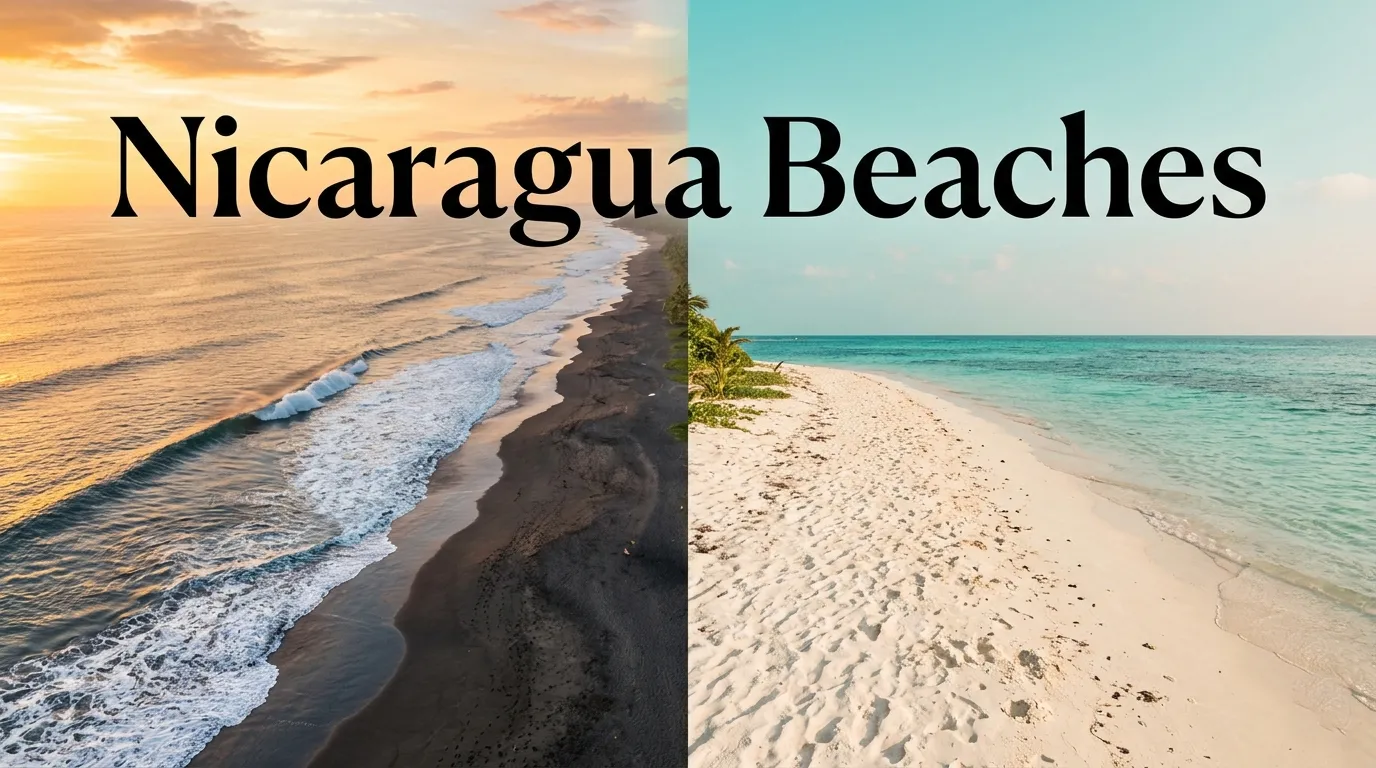
Nicaragua is the only country in Central America where you can choose between two totally distinct ocean beach experiences. The Pacific coast is a rugged, volcanic, surf-powered machine.
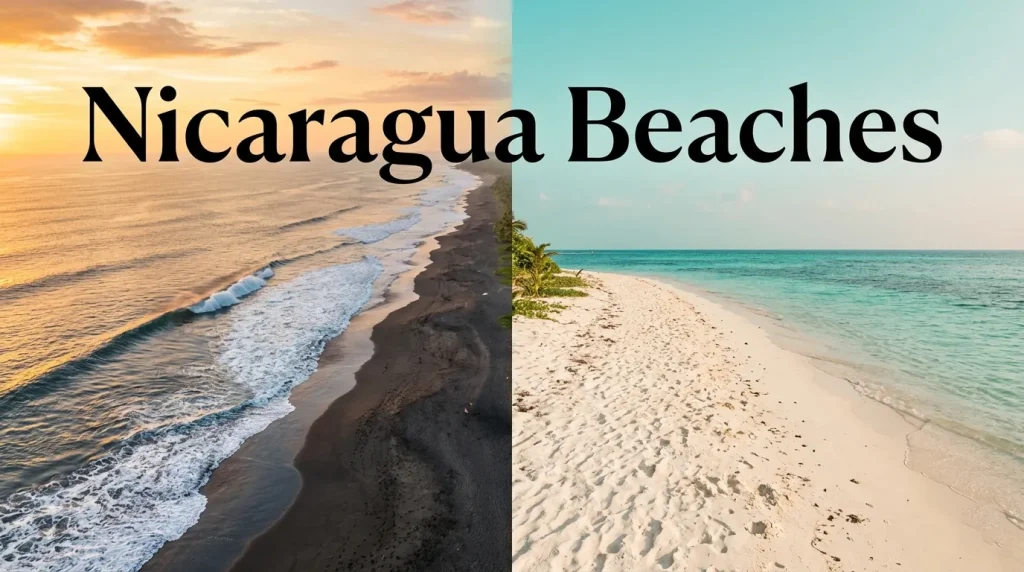
The Caribbean coast is a remote, undeveloped, white-sand and turquoise-water dream. These two coastal experiences share a country name but almost nothing else in character.
The Pacific is easily accessible by road from Managua. The Caribbean’s best beaches, on Little Corn Island, require a flight and a boat transfer.
Water color is your most honest initial filter. The Pacific is a beautiful but often moody blue-grey, while the Caribbean delivers that postcard-perfect clear turquoise.
Sand follows the same rule. Pacific beaches feature dark volcanic sand that can burn your feet at midday. Caribbean beaches are made of soft, powder-white coral sand.
According to the Nicaraguan Institute of Tourism (INTUR), the country prioritizes sustainable, low-density coastal development. You will not find a Cancun-style hotel zone on either coast.
The fundamental traveler mistake is choosing a coast based on photos alone. A quiet swimmer will hate the Pacific’s powerful shore break, just as a surfer will feel adrift on the Caribbean.
Key Takeaway: Nicaragua’s two coasts are distinct products. Choose the Pacific for surf and adventure, the Caribbean for calm water and a digital detox.
Best Beaches in Nicaragua: The 2026 Selection
The best beach in Nicaragua is the one that correctly aligns with your tolerance for logistical chaos. My list prioritizes specific experience quality over mere postcard beauty.
| Beach | Coast | Best For | Honest Logistical Note |
|---|---|---|---|
| Little Corn Island | Caribbean | Castaway romance, snorkeling, total disconnect | The journey here is a pilgrimage: flight, taxi, panga boat. |
| Playa Popoyo | Pacific | Expert surfers, surf couples | A 4×4 on rough roads is mandatory to access the break. |
| Playa Maderas | Pacific | Beginner surfers, backpacker social scene | Crowded lineup on weekends. An easy day trip from San Juan del Sur. |
| Playa Hermosa | Pacific | Families, long walks, gentle surf | The sand is volcanic but the water is calmer here than further north. |
| Playa Remanso | Pacific | Beginner surfers, sunset watchers | The protected bay shape makes this the tamest Pacific wave. |
| Pearl Cays | Caribbean | Ultra-exclusive, private island day trip | Access is by private boat from Pearl Lagoon; not a budget option. |
| Playa Marsella | Pacific | Couples, quiet beachfront hotel stays | A darker, quieter alternative to Maderas. No party scene. |
| Playa Las Peñitas | Pacific | Local culture, budget travelers | Near León, this is a true Nicaraguan beach town, not a tourist zone. |
Nicaragua Pacific Coast Beaches: The Surfer’s Playground
The Pacific coast of Nicaragua is globally recognized for its consistent, warm-water surf breaks. The Tola region, north of San Juan del Sur, is its beating heart.
This coastline is defined by dark volcanic sand and a powerful, punchy shore break. It is not a gentle, wading-into-the-water type of beach for most of its length.
The offshore winds, known locally as the Papagayo winds, blow from December to April. They groom the waves into perfect, barreling shapes and keep the sky cloudless.
The rainy season, from May to November, transforms the landscape into a lush green. The surf is often bigger, but the roads to reach the breaks become heavily rutted and challenging.
A 4×4 vehicle is not a luxury on this coast. It is an essential tool to access the prime breaks and hidden coves south of the booming surf town of San Juan del Sur.
Hacienda Iguana is the epicenter of the luxury surf community. This gated beachfront development houses the famous Playa Colorado break, a world-class, consistent sandbar wave.
The limitation of Hacienda Iguana for the non-surfing traveler is its isolation. You are in a beautiful bubble, far from the local town life of Tola or Rivas.
For a high-end, boutique hotel experience, Mukul Beach, Golf & Spa at Guacalito de la Isla offers the most polished luxury. Its prices, however, are in a tier far above the rest of the country.
Key Takeaway: The Pacific coast is a surf-first destination. A non-surfing traveler must carefully select a protected bay like Playa Hermosa to safely enjoy the water.
Nicaragua Caribbean Beaches: The Castaway Dream
The Corn Islands, or Islas del Maíz, are Nicaragua’s ultimate beach reward. They sit about 70 kilometers off the Caribbean coast and are a world away from the Pacific’s volcanic energy.
Little Corn Island is the star. This vehicle-free, two-square-kilometer island is a castaway fantasy of white sand paths and reggae-paced life.
There is not a single car on Little Corn. You walk barefoot or take a trail through the jungle center to reach the northern, more secluded beaches.
The water here is the calm, clear, turquoise you expect from the Caribbean. A fringing reef system keeps the surf gentle, making it ideal for snorkeling and casual swimming.
Yemaya Reefs on Little Corn is the top-tier romantic hotel. Its honest limitation is its cost relative to the island’s rustic, electricity-dependent infrastructure.
The journey to Little Corn is the price of its beauty. You must take a one-hour flight from Managua to Big Corn Island, then a 30-minute open-air panga boat ride to the Little Corn dock.
The boat ride can be rough, wet, and disorienting during the windy season from November to January. Pack all essentials in a dry bag, including any critical medication.
The other Caribbean stunner, the Pearl Cays, is a string of ten tiny islands further south. They are so undeveloped that they are only accessible via a private, pre-arranged boat tour from the mainland.
Insider Tip: On Little Corn, head to Otto’s Beach on the north side for the clearest, calmest water. Walk east from the dock and follow the signs through the village and past the baseball field.
San Juan del Sur Beaches: The Boom Town and Its Surroundings
San Juan del Sur (SJDS) is not the best beach in Nicaragua. It is the most famous basecamp for accessing the great beaches that surround it.
The town’s main bay is a working harbor with dark sand and a loud party energy. You don’t come to SJDS for the city beach; you come for the daily shuttle to the surrounding coves.
The town is a backpacker hub filled with surf shops, hostels, and expat-owned restaurants. It is the best place for a solo traveler to meet people and arrange transport.
From SJDS, a $5 to $10 shuttle truck ride takes you north to the true coastal gems. This model turns the town into a launchpad, not the destination itself.
Playa Maderas, a 30-minute drive north, is the most popular surfing beach within reach. Its consistent breaks are perfect for beginners and intermediates, which makes its lineup very crowded.
Maderas has a distinct backpacker social scene with beach bars and surf camps. The vibe is a youthful, international, party-on-the-sand energy.
A couple seeking romance from SJDS should book a hotel on Playa Marsella. This quieter, darker-sand beach is just a few minutes from Maderas but feels decades more serene.
Playa Remanso is the protected bay to the south of town. This is the safest swimming beach in the area, with a gentle, slow-rolling wave perfect for a first surf lesson.
According to local surf instructors, Remanso at high tide is the best Pacific option for young families. The lack of a pounding shore break creates a rare, calm-water swim zone.
Key Takeaway: San Juan del Sur is a practical, social hub, not a beach paradise. Use it as a bed-and-restaurant base, not your primary beach destination.
Little Corn Island Beaches: A Deep Dive into Paradise
Little Corn Island is not a single beach but a ring of distinct, named beaches around a jungle core. Each side of the island offers a completely different mood.
Kelly Gully Bay, directly in front of the dock, is the social center. The water is calm, but boat traffic can stir up the sandy bottom and reduce midday clarity.
Walking counter-clockwise, you reach Iguana Beach and the quieter southwestern coves. These spots offer good snorkeling close to shore and are far less busy.
The northern coast, anchored by Otto’s Beach, is the island’s masterpiece. The water here is a deeper turquoise, and the trade winds on a hot day are a welcome relief.
The island’s perimeter path is a 90-minute walk at a slow pace. This means you can realistically sample four different beaches in a single day of wandering.
The best lodging, like Little Corn Beach and Bungalow, is on the quieter north side. You trade instant social access for a peaceful, romantic sunset view from your cabana.
The island’s honest limitation is its medical and commercial infrastructure. A serious injury requires a stressful, multi-leg evacuation back to a mainland hospital in Managua.
There are no ATMs on Little Corn, and credit cards are largely useless. You must carry all the cash in córdobas (NIO) that you will need for your entire stay.
Key Takeaway: Little Corn Island is for the self-sufficient traveler. The lack of cars, ATMs, and reliable Wi-Fi is either its greatest charm or its most significant flaw.
Nicaragua Surfing Beaches: Where to Paddle Out
Nicaragua’s Pacific coast is a legitimate world-class surf destination, not a backup plan to Costa Rica. The wave quality, consistency, and crowd levels are superior in many key locations.
The surf season has two distinct windows of excellence. The dry season (December to April) delivers perfect, groomed barrels from the offshore Papagayo winds.
The rainy season (May to November) brings bigger, more powerful south swells. The winds are more variable, but the best days of the year often happen in this green window.
Playa Colorado is the undisputed king, a perfect A-frame peak over a sandbar. It is a fast, hollow, and world-famous wave located inside the private Hacienda Iguana community.
Non-members can only surf Panga Drops, the break just outside the gated community. Accessing the true Playa Colorado peak requires a boat trip or a premium rental inside the gate.
Playa Popoyo is the second jewel in the crown, an outer reef break that produces a long, powerful, and rippable right-hander. It is best suited for intermediate to advanced surfers.
The boat trip to the Popoyo reef is coordinated with local boatmen. The nearby Two Brothers Surf Resort offers a premium, all-inclusive package that includes guided boat access.
For beginners, Playa Maderas and Playa Remanso are the only responsible choices. The beach breaks here are softer, more forgiving, and populated by surf schools.
A common mistake is a beginner surfer paddling out at a reef break. The sharp volcanic rock bottom and powerful wave energy at Popoyo or Colorado can cause serious injury.
Key Takeaway: Playa Colorado is the best wave in Nicaragua for experts with the budget or connections to access it. For the rest of us, Popoyo is the world-class public alternative.
Most Beautiful Beaches in Nicaragua: The Visual Crowns
Beauty in Nicaragua is defined by two very different standards. The Pacific standard is a dramatic, raw, and volcanic frame, while the Caribbean standard is pure, soft, white-sand perfection.
Little Corn Island’s Otto’s Beach wins the title of most conventionally beautiful. The fine white sand, fringing palm trees, and multi-toned turquoise water are the full postcard.
The lack of development on the north end enhances its beauty. You will find no buildings, no beach bars, and often no other people for hours.
On the Pacific coast, Playa Hermosa (Guanacaste) is the most photogenic due to its sheer scale. The dark sand, while not tropical-white, creates a dramatic contrast against a fiery sunset.
The crescent bay of Hermosa stretches for nearly a mile. It is backed by green hills and a low-tide shelf that reflects the sky, creating a mirror effect in the wet sand.
The privately managed Guacalito de la Isla is a beauty of a different kind. It is an impeccably manicured, low-density luxury reserve that contains the five-star Mukul resort.
The Pearl Cays are the most visually stunning Caribbean islands in the country. The tiny, white-sand dots on a glassy sea are the image of a perfect screensaver.
Their beauty, however, is matched by their logistical difficulty and cost. A private boat charter from the remote mainland town of Pearl Lagoon is the only way to visit.
The single most over-photographed and disappointing beach on arrival is San Juan del Sur’s main bay. The Instagram angles hide the industrial port reality and the murky water quality.
Key Takeaway: Otto’s Beach on Little Corn is the visual masterpiece you travel to Nicaragua for. The challenge of getting there is the tax you pay for that beauty.
Nicaragua Hidden Gem Beaches: Beyond the Brochure
Nicaragua rewards travelers who push past the Tola coast and the Corn Islands. The hidden gem beaches require a genuine sense of adventure and a flexible itinerary.
Playa Las Peñitas, near the colonial city of León, is a hidden gem for cultural immersion. This is a real Nicaraguan fishing and surf village, not an expat enclave.
The beach is long, wide, and dark-sand, with a wilder, less groomed feel. The surf can be heavy, so swimmers must be cautious, but the local seafood and sunset scene are unmatched.
The Isla Juan Venado nature reserve, accessible by boat from Las Peñitas, is a hidden treasure. This mangrove island is a critical turtle nesting site and a kayaker’s dream.
On the Caribbean side, the mainland coast south of Bluefields remains largely unexplored by mass tourism. The beaches here are a patchwork of Afro-Caribbean and indigenous Miskito culture.
The village of Pearl Lagoon is the gateway to the Pearl Cays and a destination in itself. It is a place to learn about Creole culture, eat fresh lobster, and experience the real Caribbean coast.
For a Pacific hidden gem with luxury, look to the far north near the Gulf of Fonseca. The nascent Costa Esmeralda project is trying to create an upscale zone without the Tola crowds.
The honest trade-off for these hidden gems is infrastructure. You exchange seamless resort living for an authentic, sometimes buggy, and often unpredictable travel experience.
Fodor’s Travel has recently highlighted Las Peñitas as the “next great Nicaraguan beach town” for its balance of local charm and increasing boutique hotel options.
Key Takeaway: Playa Las Peñitas is the best hidden gem for a traveler who wants a real Nicaraguan beach experience paired with the cultural richness of nearby León.
Best Beaches in Nicaragua for Families
Nicaragua is a challenging family beach destination, and I will not pretend otherwise. The powerful Pacific surf and remote Caribbean logistics are genuine obstacles for young children.
The safest and most family-friendly beach on the Pacific is Playa Remanso. The bay’s natural shape protects it from the big swells, creating a gentle, rare-for-the-Pacific swimming zone.
The sand is dark and hot, so water shoes are essential for little feet. Several small restaurants and surf schools line the beach, providing shade and basic amenities.
For a resort-style family experience, Rancho Santana is the most complete option. This 2,700-acre private community on the Tola coast has multiple beaches within its boundaries.
Its standout feature for families is Playa Santana, a protected cove with lifeguards during peak season. The resort also offers a kids’ club, making it the best full-service family choice on the Pacific.
The honest limitation is the price. Rancho Santana is a premium investment, and getting there still requires a long drive from Managua.
On the Caribbean side, Big Corn Island is a more practical family choice than Little Corn. The flight lands directly on the island, eliminating the panga boat transfer.
The hotel Arenas Beach on Big Corn has a shallow, calm swimming area perfect for toddlers. The island also has roads, taxis, and a more developed medical infrastructure than its little sister.
Key Takeaway: For families, prioritize a protected bay like Remanso or a full-service resort like Rancho Santana. Do not attempt a remote surf break with young children.
Nicaragua Beaches for Couples
Nicaragua is a phenomenal couples’ destination for those who define romance as shared adventure and wild beauty. It is not for couples seeking a passive, butler-serviced beach-box experience.
Mukul Beach, Golf & Spa at Guacalito is the premier luxury choice for a honeymoon couple. The cliffside villas, private plunge pools, and world-class spa create a truly secluded romantic cocoon.
The price premium at Mukul is significant, but the privacy and design are unmatched in the country. This is where you go to celebrate a milestone anniversary in a dramatic oceanfront suite.
For a more grounded, barefoot-luxury romance, Little Corn Island is the answer. The Yemaya Reefs hotel is specifically designed for couples with its open-air spa and overwater dining deck.
The romantic rhythm on Little Corn is set by nature. Your days consist of a circular beach walk, a lobster lunch, and a sunset at the Quiet Place bar on the north end.
A surfing couple will find their paradise at Two Brothers Surf Resort near Popoyo. This all-inclusive, perched on a cliff, offers guided boat access to world-class waves and an infinity pool for recovery.
The limitation of a surf-centric trip is the energy. A non-surfing partner may feel left out if the daily schedule is dictated entirely by the tide chart.
Playa Marsella, near San Juan del Sur, is the best budget-romantic option. Small boutique hotels line a quiet, dark-sand beach, just far enough from the Maderas party scene to feel private.
Key Takeaway: Little Corn Island, specifically the hotel Yemaya Reefs, offers the most balanced romantic experience for couples who value beauty, privacy, and authentic island charm.
Nicaragua Beach Resorts: From Surf Camps to Five-Star Sanctuaries
Nicaragua’s beach resort landscape is a spectrum. It runs from rustic, all-inclusive surf camps on one end to a single, genuine five-star luxury property on the other.
The bulk of the accommodations fall into the boutique eco-lodge and surf resort category. These properties prioritize the destination’s natural assets over marble lobbies.
Hacienda Iguana is the most famous resort community, built around the Playa Colorado wave. It is a mix of private rental homes and condos within a gated, manicured, surf-first environment.
Its limitation is a clear one. The atmosphere can feel exclusive and insular, designed primarily for surfing homeowners and their guests.
Rancho Santana is the most versatile upscale resort, spread across a massive coastal ranch. You can stay in a garden room, a luxury oceanfront villa, or anything in between.
The resort’s scale means you never feel crowded, but a vehicle is helpful to get around the property. The multiple restaurant options and activity center provide enough variety for a week-long stay.
Aqua Nicaragua is the standout wellness resort, perched on a cliff near Playa Redonda. Its open-air treehouse suites and yoga platform are designed for a digital detox reset.
The honest downside of Aqua is that the beach below is a hike down a steep set of stairs. This is a resort for looking at the ocean from a stunning perch, not for instant beach access.
At the budget end, numerous surf camps in San Juan del Sur and Popoyo offer an all-inclusive model. For around $150 to $250 per person per night, you get a room, three meals, and daily surf guiding.
Key Takeaway: Rancho Santana is the best all-around resort for a multi-generational or mixed-interest group due to its diverse accommodation and activity options.
Best Time to Visit Nicaragua Beaches
The best time to visit Nicaragua’s Pacific beaches is the dry season, from December to April. You are trading peak prices and marginally larger crowds for a near-guarantee of perfect sunny days.
The defining weather feature of this window is the offshore Papagayo wind. It grooms the surf into perfection and keeps the oppressive humidity at bay.
The rainy season, or “green season,” from May to November, is the underrated champion for value and solitude. The landscapes become explosively green, and hotel prices drop.
The trade-off is afternoon rain showers and, crucially, the access roads. Some tracks to the more remote Tola breaks become impassable in a standard SUV without 4×4.
October is historically the wettest month. The hardcore surfers still come for the swell, but a casual beach lounger should avoid this month.
Nicaragua’s Caribbean coast dances to a different meteorological tune. The driest, most pleasant months on Little Corn Island are typically February through May.
Hurricane season officially runs from June to November for the Caribbean coast. A direct hit is rare, but a passing system can strand you on the island for days.
Semana Santa, the Easter week, is the peak domestic holiday. All beaches are crowded, and hotels are fully booked, so check the Nicaraguan holiday calendar before planning your 2026 trip.
The National Hurricane Center is your official monitoring source for any Atlantic system that could affect the Corn Islands during your travel window.
Key Takeaway: Target early December or late January for the best balance of perfect weather and post-holiday quiet on both coasts.
How to Get to Little Corn Island
Reaching Little Corn Island is a multi-stage expedition. The journey is simple in steps but requires an acceptance of island-time logistics and weather dependency.
Your journey starts at Managua’s Augusto C. Sandino International Airport (MGA). Book a morning flight on La Costeña airlines to Big Corn Island.
The La Costeña flight is on a small, 12-seat prop plane with strict baggage weight limits. You must book this domestic leg months in advance for the 2026 high season.
Upon landing at Big Corn, take a taxi to the municipal dock. The official fare is fixed but confirm the price in córdobas with your driver before departing the airport.
At the dock, you wait for the next public panga boat to Little Corn. The schedule is a rough suggestion, and the boat departs when the captain decides it is full.
The 30-minute crossing can be calm or an extremely wet, hard-slamming ride. Pack your electronics and passport in a dedicated waterproof dry bag, not just a backpack.
A private boat charter from Big to Little Corn is an option for groups. This allows you to set your own schedule and avoid the crowded, sometimes jarring public panga.
Your luggage will be handed over the gunwale onto a wet dock. The island has no cars, so you will walk or hire a local to cart your bags to your hotel on a wheelbarrow-like trolley.
Insider Tip: Buy your La Costeña ticket directly on their official website. Third-party resellers frequently oversell flights or fail to communicate cancellations for this remote route.
Is It Safe to Go to the Beach in Nicaragua
The safety question is the one every traveler asks, and it deserves a direct, contextual answer. The beach zones have a different safety profile from urban Managua.
The main tourism beach corridor, from San Juan del Sur to the Tola coast, has a visible tourist police presence. Property crime is the primary risk, not violent confrontation.
Leaving valuables unattended on the sand, even for a quick swim, is a common mistake. Petty theft from a towel or an unlocked rental car is a daily occurrence on busy beaches.
Swimming safety is a far more immediate, underestimated danger on the Pacific coast. The powerful shore break and rip currents at beaches like Playa Maderas can overwhelm a strong swimmer.
The Caribbean coast’s remote location creates a different safety dynamic. Little Corn Island is extremely safe in terms of crime, but its medical isolation is the primary risk.
A serious cut from coral or a broken ankle on a jungle trail has no hospital solution on Little Corn. You must evacuate via panga and flight back to Managua.
The U.S. Department of State travel advisory for Nicaragua fluctuates. As of 2026 planning, it is essential to review the current level, which often notes specific safety concerns in certain regions.
The Caribbean mainland, specifically around Bluefields, has a different risk profile tied to the autonomous region’s complex political geography. Thorough, current research is mandatory.
The universal rule is to practice intelligent, cautious travel. Do not walk on isolated beaches after dark, secure your lodging, and trust local advice over a blog post.
Key Takeaway: The ocean itself is the most underestimated threat on the Pacific coast. On the Caribbean islands, the lack of medical infrastructure is the genuine safety concern.
Nicaragua Beach vs Costa Rica: The Honest Choice
This is the defining vacation dilemma. You are choosing between Costa Rica’s polished eco-tourism machine and Nicaragua’s raw, undervalued frontier.
Choose Costa Rica if you want seamless logistics, paved roads to the sand, and a dense network of established beach towns. The country specializes in making a jungle beach trip easy and expensive.
Choose Nicaragua if you want a more adventurous, less expensive, and less crowded surf experience. You trade infrastructure for a feeling of genuine discovery.
The water at Costa Rica’s prime Guanacaste beaches is generally clearer than Nicaragua’s volcanic Pacific. However, Nicaragua’s top surf breaks face much thinner, more competent crowds.
Nicaragua’s Caribbean island, Little Corn, rivals Panama’s San Blas for beauty at a fraction of the cost. Costa Rica’s Caribbean coast, while beautiful, cannot offer this same castaway-island feeling.
Costa Rica’s beach resorts are in a different league of service and amenities. The Four Seasons and Andaz are not comparable to any luxury property currently operating in Nicaragua.
Nicaragua’s value proposition is significantly stronger. The cost of a mid-range surf resort in Nicaragua often matches a barebones budget lodge in Costa Rica.
According to INTUR, Nicaragua’s tourism model is deliberately lower density. This means you will not find the resort-golf-course-condo sprawl that defines Guanacaste.
The safety conversation is more frequently raised for Nicaragua, but the tourist zones are comparable. Petty theft is a problem in both countries’ beach communities if you are careless.
Key Takeaway: Choose Costa Rica for a seamless, family-friendly first trip to Central America. Choose Nicaragua for a cheaper, more adventurous surf and castaway trip.
Nicaragua Beach Entry Requirements 2026
Entering Nicaragua for a beach trip in 2026 requires paying attention to a few specific rules that differ from neighboring Costa Rica. The entry process at Managua’s MGA airport is straightforward if you are prepared.
Most Western passport holders, including those from the US, Canada, and the EU, do not need a visa for a tourist stay of up to 90 days. A passport valid for at least six months beyond your entry date is mandatory.
The Nicaraguan government charges a tourist entry card fee of $10 USD. This fee must be paid in cash, and bringing a crisp, new bill is important, as damaged currency is often refused.
An exit tax is also typically included in your international flight ticket. Verify this with your airline, as paying a separate exit fee at the airport in córdobas can be a logistical headache.
The CA-4 Border Control Agreement theoretically allows travel between Nicaragua, Honduras, El Salvador, and Guatemala without new permits. This agreement functions inconsistently in practice.
The practical 2026 rule is to treat your Nicaraguan entry as a standalone event. Do not depend on a seamless, un-checkpointed road trip from Costa Rica across the Peñas Blancas border.
Proof of onward travel is occasionally requested at the airport. An email confirmation of your return flight or a bus ticket out of the country on your phone will satisfy this.
Currency confusion is the most common arrival mistake. Bring pristine USD for the entry fee, and acquire Nicaraguan córdobas from the ATMs in the arrivals hall for transport and small purchases.
Key Takeaway: Hand the immigration officer a pristine $10 USD bill for the tourist card, a valid passport, and a confident smile. Overcomplication is the enemy.
Safety and Seasonal Warnings for Nicaragua Beaches
The primary safety threat on Nicaraguan beaches shifts dramatically depending on which coast you choose. On the Pacific, it is the water itself, and on the Caribbean, it is the logistical isolation.
Key safety and seasonal facts every visitor should know:
- Swim intelligence on the Pacific is non-negotiable. The shore break at Maderas and other exposed beaches can dislocate shoulders and knock a grown adult unconscious. Enter the water sideways, never with your back to the wave.
- Sun exposure is an underestimated danger. The tropical sun combined with a cooling offshore wind creates a deceptive situation. You burn fast without feeling the heat; wear a rash guard and reapply zinc-based sunscreen.
- Medical evacuation planning is essential. Before your trip, research and purchase a travel insurance policy that includes helicopter or boat evacuation from remote locations like Little Corn Island.
- The rainy season transforms road conditions. A journey to a remote surf break that takes 30 minutes in March can take two hours in September. The mud in rural Tola is sticky and deep.
- Avoid swimming near rivermouths after heavy rain. Stormwater runoff carries debris and contaminants into the ocean at Playa Remanso and other bay beaches, drastically reducing water quality for 24 to 48 hours.
In a beach emergency, contact the local tourist police or your hotel’s front desk immediately. The number for the national emergency response system is 118 from a Nicaraguan phone.
Frequently Asked Questions About Nicaragua Beaches
Which side of Nicaragua has better beaches?
The “better” coast depends entirely on your travel goal. The Caribbean coast has fine white sand and calm, clear turquoise water.
The Pacific coast has dark volcanic sand, powerful waves, and world-class surf. Choose Caribbean for swimming and Pacific for surfing.
Can you swim in the ocean in Nicaragua?
Yes, but you must choose the right beach to do it safely. Playa Remanso, Playa Hermosa, and Little Corn Island are safe for swimming.
Do not swim at open-ocean Pacific breaks like Playa Maderas or Popoyo unless you are a strong, experienced ocean swimmer.
Is Nicaragua cheaper than Costa Rica for a beach trip?
Yes, Nicaragua is significantly cheaper across accommodation, food, and transport. A mid-range surf resort in Nicaragua costs what a budget lodge does in Costa Rica.
The 2026 price gap remains a primary reason many veteran travelers choose Nicaragua over its more expensive southern neighbor.
Do you need a car to get to the beaches in Nicaragua?
A 4×4 vehicle is essential for exploring the Pacific Tola coast independently. The roads are unpaved and can be deeply rutted.
A car is useless on Little Corn Island, where no vehicles exist, and you walk everywhere.
What is the safest beach in Nicaragua?
Playa Remanso is the safest swimming beach on the Pacific due to its protected bay shape. Little Corn Island is the safest in terms of crime.
The most significant daily safety risk is the power of the surf, not people, on the tourist beaches.
Is the water clear in San Juan del Sur?
No, the water in San Juan del Sur’s main bay is not reliably clear. The bay is a working harbor with a dark sand bottom that churns easily.
Drive 15 minutes north to Playa Maderas or south to Playa Remanso for significantly better water clarity.
Your Nicaragua Beach Match
Nicaragua is the most rewarding beach destination in Central America for the traveler who makes a conscious, informed choice. The coast you pick dictates the entire rhythm, look, and feel of your vacation.
A failure to match your travel personality to the right sand is the single greatest source of disappointment I see. A resort-lover will not thrive in a rustic surf camp, and a surfer will go stir-crazy on Little Corn.
Your next step is to book the logistical skeleton of your trip first. Secure your domestic La Costeña flight to the Corn Islands or your 4×4 rental for the Tola coast before any hotel.
Airline schedules, road conditions, and government entry fees are the most changeable parts of a 2026 Nicaragua trip. Verify every detail with an official source two weeks before you leave.
Close the guidebook, make the choice between Pacific power and Caribbean calm, and start packing. The right Nicaraguan beach for you is down a specific, unforgettable road.