Chile Beaches 2026: Swimmable, Surf & Scenic Guide
Most travelers picture warm Pacific water when they imagine Chile beaches. That expectation sets them up for a cold-water shock.
Chile’s 6,400-kilometer coastline is a geography lesson in the Humboldt Current. That current brings cold, nutrient-rich water from Antarctica northward along the entire continental coast.
Sernatur Chile identifies the country’s coastal regions as four distinct beach zones. They range from subtropical desert coves to subpolar fjord shorelines.
This article separates the genuinely swimmable beaches from the surf-only and scenic-only options. You will find specific guidance for families, luxury seekers, and surf pilgrims in 2026.
Chile Beaches Overview
Chile beaches fall into three functional categories, not just geographic regions. The first category is genuine swimmable beaches with tolerable water temperatures.
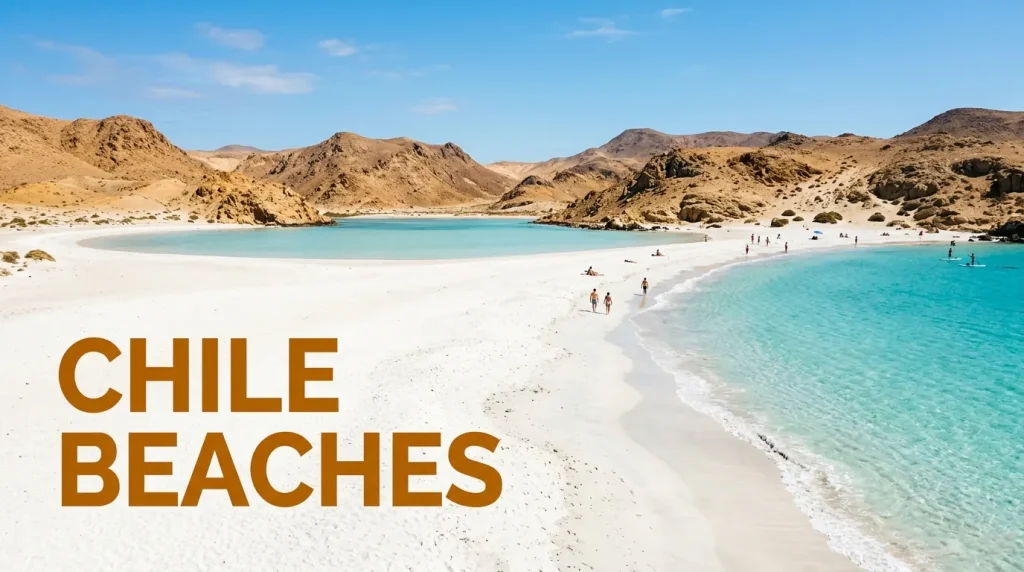
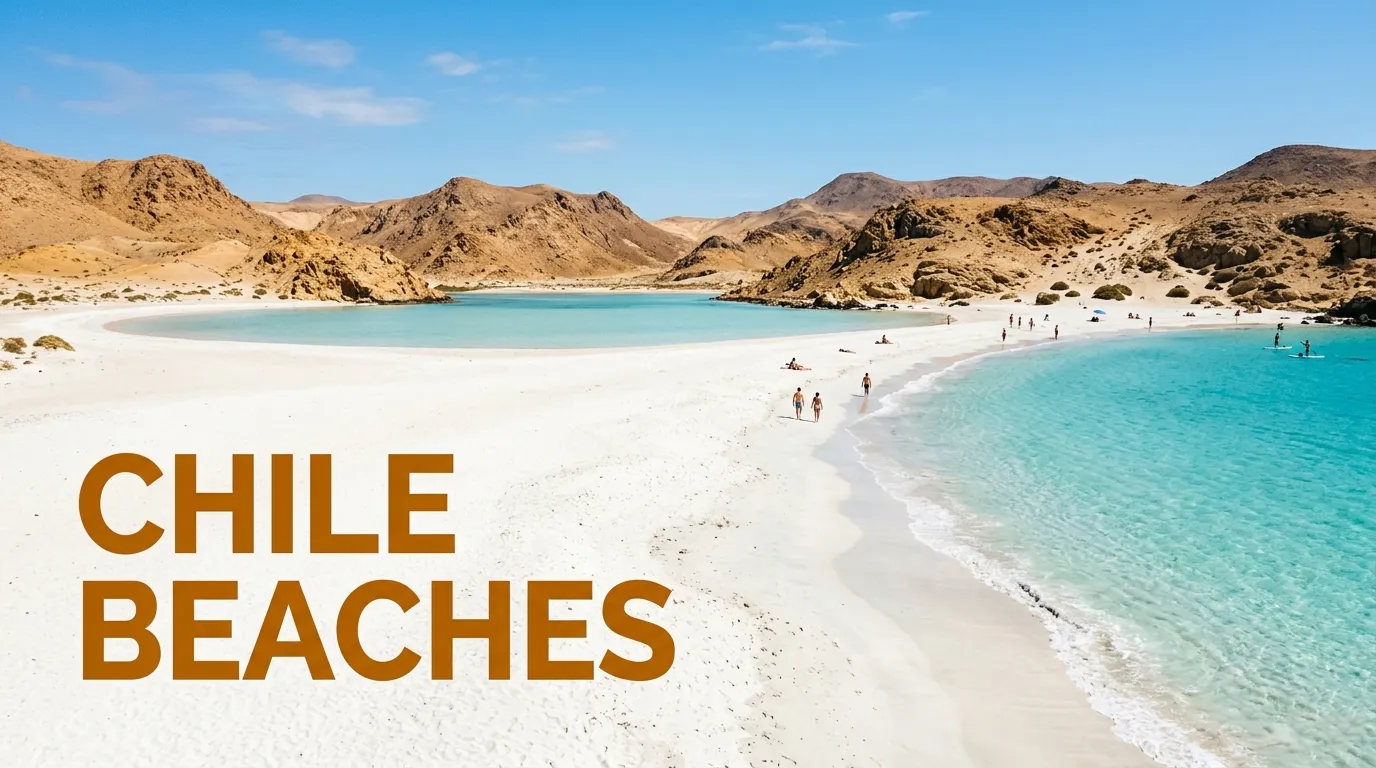
These exist only north of La Serena during the summer months of December through March. The northern desert coast offers white sand and turquoise water that can actually feel warm.
The second category is the cold-water surf and scenic beach. This defines the entire central coast from Valparaíso south to Pichilemu.
The third category is the scenic-only beach, found in Patagonia and Chiloé. You come here for the dramatic landscape, penguin colonies, and empty sands.
| Beach Category | Best Region | Water Feel | Core Activity |
|---|---|---|---|
| Swimmable | North (Iquique, Bahía Inglesa, Arica) | Cool to mild (18-22°C/64-72°F) | Swimming, sunbathing, SUP |
| Surf & Scenic | Central (Viña, Pichilemu, Zapallar) | Cold (15-18°C/59-64°F) | Surfing, walks, seafood |
| Scenic-Only | South (Chiloé, Patagonia) | Very cold (<15°C/<59°F) | Hiking, wildlife, photography |
Best Beaches in Northern Chile
Bahía Inglesa is the single finest swimmable beach in continental Chile. Its crescent of white, calcium-carbonate sand looks chemically engineered but is entirely natural.
The water here is a clear, pale turquoise that feels almost Caribbean on a hot January day. An offshore reef shelters the bay, creating a calm, wave-reduced swimming zone.
Cavancha Beach in Iquique is the urban northern contender. It offers a long, palm-lined promenade and reliable surf for beginners right in the city.
The limitation of Cavancha is its popularity and the strong afternoon wind. Families will appreciate the calm morning water and the dense lineup of beachfront restaurants.
Northern Chile Swimmable Beaches:
- Bahía Inglesa: Best overall white sand and calm turquoise water.
- Cavancha (Iquique): Best urban beach with facilities and gentle surf.
- Playa La Lisera (Arica): Best for families with very young children due to a natural rock wall creating a shallow pool.
Best Beaches in Central Chile
Central Chile beaches are defined by the cold Humboldt Current and dramatic Pacific swells. You do not visit these beaches primarily to float in the water for hours.
Viña del Mar is the “Garden City” beach hub. Its high-rise skyline, casino, and wide beaches evoke a Chilean version of the French Riviera but with far colder water.
The surf towns south of Valparaíso, like Pichilemu, define Chile’s central coast identity. Cold water, black sand, pine forests, and world-class left-hand point breaks are the draw.
The true luxury of the central coast is found in exclusive enclaves like Zapallar and Cachagua. These are not surf towns. They are discreet, old-money summer retreats with pristine, cliff-framed coves.
Key Takeaway: Swimmable water in Chile means flying north or flying to Easter Island; the central coast is for surf, seafood, and sunset strolls.
Best Beaches in Southern Chile
The beaches of southern Chile are not for swimming. They are for rugged coastal exploration, wildlife spotting, and experiencing the wild edge of a continent.
Chiloé Island offers the most accessible southern beach experience. Its western shore, facing the open Pacific, features long, empty, driftwood-strewn beaches like Cucao.
You walk these beaches bundled in a fleece, searching for rare Chilote foxes or watching the powerful surf pound the sand. The Pacific Ocean here feels impossibly vast.
The fjord coast further south into Patagonia is even more dramatic. Tierra Chiloé and similar lodges offer guided coastal hikes and boat trips to see Magellanic penguin colonies.
Warning: Never wade into the surf on the exposed Pacific beaches of Chiloé. The water is dangerously cold, the currents are unpredictable, and rescue services are minimal.
Chile Beach Resorts
Chile does not have all-inclusive beach resorts in the Caribbean mold. The beach resort concept here is adapted to the geography.
In the north, Iquique functions as a beach resort city. The Hilton Garden Inn Iquique and other modern hotels face Cavancha Beach with direct sand access and pool decks.
In the central coast, the Sheraton Miramar Hotel in Viña del Mar is the closest you get to a classic oceanfront resort. It has a spa, multiple pools, and direct access to the rocky shoreline.
The unique Chilean luxury resort experience is the coastal lodge. Noi Puma Lodge in the mountains near the coast, or explora Atacama with its private excursions to high-altitude lakes, redefine the beach trip entirely.
| Resort Type | Named Example | Location | Honest Assessment |
|---|---|---|---|
| Urban Beach Hotel | Sheraton Miramar | Viña del Mar | Best for families, spa, city access. No sandy beach entry. |
| Northern Resort | Hilton Garden Inn Iquique | Iquique | Direct Cavancha access, warmest water. Generic international feel. |
| Adventure Lodge | explora Atacama | San Pedro | No ocean beach, but exclusive high-altitude lagoon swims. Ultra-premium price. |
Best Time to Visit Chile Beaches
The Chilean summer, from December to February, is the only season for a classic beach holiday on the continental coast. Even then, the water is cold south of La Serena.
February is the peak of the Chilean holiday season. Beaches from Viña del Mar to Pichilemu become intensely crowded, and accommodation prices triple.
The shoulder months of November and March offer the smartest value. The weather is still sunny and warm in the central region, but the crowds are gone.
For the northern beaches like Bahía Inglesa, you can extend your window. The desert climate makes swimming comfortable from October through April.
| Month | North (Iquique/Bahía Inglesa) | Central (Viña/Pichilemu) | South (Chiloé) |
|---|---|---|---|
| Oct-Nov | Warm, sunny, empty beaches | Mild sun, cold water, low crowds | Cold, rainy, dramatic skies |
| Dec-Feb | Hot, perfect swimming | Hot sun, cold water, peak crowds | Mild, best weather, still cold water |
| Mar-Apr | Warm, ideal swimming window | Best value, sunny, quiet | Colder, rainy season starts |
| May-Sep | Cool, gray coastal fog | Cool, big surf, empty | Rainy, very cold, remote |
Chile Beaches for Swimming
The pool-sized natural rock formation at Playa La Lisera in Arica is the single best swimming spot in Chile for small children. The ocean fills a calm, shallow basin protected from waves.
For adults, the calm, clear waters of Bahía Inglesa represent the pinnacle of swimmable continental Chile. The water temperature can reach a genuinely pleasant 22°C (72°F) in January.
The central coast requires a mental reset. Swimming in the ocean at Reñaca or Viña del Mar means bracing cold water and powerful dump waves.
Outside of the far north in summer, the only reliably warm swimming in Chilean territory is on Easter Island. Anakena Beach offers a genuine tropical wading and swimming experience.
Key Takeaway: Swimmable means north of La Serena in summer or Easter Island year-round; central coast “swimming” is really just a very cold, brief splash.
Chile Surf Beaches
Pichilemu is the undisputed capital of Chilean surfing. The town’s famous left-hand point break at Punta de Lobos is one of the longest waves in South America.
This wave is not for beginners. It is a fast, powerful, cold-water left that peels over a rock reef and can hold swells up to 20 feet.
Iquique on the northern coast is the best place to learn to surf in Chile. The consistent, gentle waves at Playa Cavancha break over a forgiving sand bottom.
The hard truth about Chilean surfing is the wetsuit. You will wear a full 4/3 millimeter wetsuit year-round on the central coast.
Chile Surf Break Guide:
| Break | Level | Wave Type | Best Season |
|---|---|---|---|
| Punta de Lobos (Pichilemu) | Expert | Long left point, rock reef | Apr-Sep (biggest) |
| Playa Cavancha (Iquique) | Beginner | Gentle beach break | Dec-Mar (warmest) |
| El Gringo (Arica) | Advanced | Hollow, shallow reef | Apr-Aug |
| Reñaca (Viña del Mar) | Intermediate | Beach break, crowded | Dec-Mar |
Viña del Mar Beach Guide
Viña del Mar is the classic Chilean summer beach city. Its long, sandy coastline is broken into distinct sectors, each with a different personality.
Reñaca is the young, energetic heart. The beach fills with a dense crowd of sunbathers, bodyboarders, and vendors selling empanadas de mariscos.
The water is cold, roughly 16°C (61°F) even in summer, and the shore break can be deceptively powerful. A sandbar creates a strong rip current near the northern rocks.
Cochoa and Los Marineros beaches further north offer a slightly calmer experience for families. The small coves provide some shelter from the worst of the afternoon wind.
Couples seeking a quieter, more upscale Viña experience should skip Reñaca. Instead, head 20 minutes north to the discreet, pine-backed coves of Concón.
La Serena Beach Guide
La Serena is where the swimmable north begins to blend with the scenic central coast. The beaches here are long, wide, and windswept.
The water is still cold by tropical standards. But on a hot February day, the long, rolling waves at Playa El Faro are genuinely inviting for a quick, refreshing plunge.
The iconic landmark is the monumental lighthouse, El Faro, which anchors the main beachfront promenade. The Avenida del Mar runs for nearly six kilometers alongside the sand.
This is a top family beach destination for Santiago residents. The city offers a safe, walkable beachfront with abundant seafood restaurants and affordable apartment rentals.
Insider Tip: Avoid the first two weeks of February. The entire city is packed with Chilean vacationers, and finding a spot on the sand without a reservation is nearly impossible.
Bahía Inglesa Beach Guide
Bahía Inglesa in the Atacama region is the most beautiful swimmable beach in continental Chile. The sand is a shocking, brilliant white powder made from crushed seashells and calcium carbonate.
The water is a startling shade of turquoise that feels completely out of place in the arid desert landscape. You drive through a barren, rocky wasteland to suddenly find this blue-and-white oasis.
This beach is almost too popular in January. The tiny village infrastructure is overwhelmed, and the single access road becomes a parking lot.
Luxury seekers and couples wanting romance should visit in March or early April. The water is still warm, the weather is flawless, and the beach is nearly empty.
Key Takeaway: Bahía Inglesa is continental Chile’s only true tropical-looking beach, but visit in March to avoid the January infrastructure crush.
Pichilemu Beach Guide
Pichilemu is a pilgrimage site for the global surf community. The town smells of pine trees, salt spray, and wood smoke from the chimneys of the surf lodges.
The main beach, Playa Principal, is a long, gray-sand stretch fronting the town. It is scenic but often plagued by strong shore dumps and dangerous rip currents.
The real action is five kilometers south at Punta de Lobos. The basalt cliffs and the raw power of the Southern Ocean swells create an arena for some of the world’s bravest big-wave surfers.
Budget travelers and solo surfers thrive here. The town is full of simple hostels, craft beer bars, and cafes serving excellent espresso and quinoa bowls.
This is a terrible choice for a family seeking a relaxing beach vacation. The water is cold, the waves are aggressive, and the beach is not set up for lounging.
Algarrobo Beach Guide
Algarrobo is a classic Chilean family beach town with one record-breaking oddity. It is home to the San Alfonso del Mar resort, which has the world’s largest outdoor swimming pool.
The ocean beach itself is a long, pleasant curve of sand with moderate surf. The water is the typical central coast cold, but the vibe is purely family-oriented and bustling.
The 1,013-meter-long pool at San Alfonso del Mar is a genuine engineering marvel. The crystal-clear, heated turquoise water offers a Caribbean-style swim experience in the cold Pacific.
Budget travelers and purists will find the massive condominium complex soul-crushing. Honeymooners should also look elsewhere, this is a place for families and large groups.
Families with children who are frustrated by the cold ocean will find the resort pool a game-changer. They can kayak, sail, and swim in warm, calm water without a wetsuit.
Iquique Beach Guide
Iquique is the best city beach destination in Chile for the complete package. You get warm air, tolerable water, a historic wooden boardwalk, and great food.
Playa Cavancha is the main event. The horseshoe-shaped bay protects the beach from the worst of the Pacific swell, creating a safe swimming zone.
The water temperature in summer can hit 20°C (68°F), which feels practically tropical after a week on the central coast. The afternoon wind, however, is a real factor.
Windsurfing and beginner surfing are excellent here in the afternoon when the thermal breeze fills in. Morning is the time for glassy, calm swimming and stand-up paddleboarding.
Playa Brava, just south of Cavancha, is a stark warning. It is a beautiful, wild beach with massive, dangerous shore break waves that make it strictly a surf-only zone for experts.
Chiloé Island Beach Guide
Chiloé Island offers the most culturally unique beach experience in Chile. The western coast of this misty, green archipelago faces the full force of the open Pacific.
The beaches, like the long stretch at Cucao, are wild, empty, and littered with massive silver driftwood logs. The sand is often firm enough to drive on, a remote and haunting experience.
The water is bitterly cold year-round and the currents are lethal. The only people entering the water here are local fishermen in heavy rubber waders.
The true beach activity in Chiloé is walking and wildlife watching. You can spot Chilote foxes, pink flamingos in nearby lagoons, and massive colonies of shorebirds.
Palafito guesthouses in Castro, the main town, offer the best base for exploring. After a windswept day on the Pacific beach, return for a bowl of the island’s famous curanto seafood stew.
Zapallar Beach Guide
Zapallar is the most sophisticated and exclusive beach town in Chile. The main beach is a flawless, sheltered cove surrounded by impeccably manicured gardens and private vacation homes.
The sand is a golden brown, and the water is an impossibly clear emerald green on a calm day. A small fleet of colorful fishing boats rests on the sand at the south end.
This is the best beach in central Chile for a romantic, quiet, and upscale experience. Couples and honeymooners seeking Chilean elegance should choose Zapallar over Viña del Mar.
The honest limitation is access and cost. Street parking is nearly impossible in January and February. The few restaurants in town are excellent but priced for a wealthy Santiago crowd.
Insider Tip: Walk the coastal path north from the main beach to the secluded, rocky cove of Playa de los Pescadores for a more intimate and less manicured setting.
Key Takeaway: Zapallar delivers the central coast’s most exclusive scenery and romantic calm, but arrive before 10 AM or you will not find a parking spot.
Chile Beaches for Families
Playa La Lisera in Arica is the single best beach in Chile for families with very small children. The natural rock barrier creates a saltwater pool with zero waves and warm, shallow water.
For families with older, active children, Cavancha Beach in Iquique is the winning choice. The gentle waves are perfect for beginner surf lessons, and the city promenade has every modern facility.
Central coast family picks require more caution. Reñaca is popular but the shore break can flatten a small child. The calmest central coast beach is the sheltered bay at Las Cujas, near Viña del Mar.
The key for families in Chile is to choose a beach with a nearby seafood restaurant and clean public bathrooms. The best options are the urban northern beaches or the resort pools at San Alfonso del Mar.
Anakena Beach Easter Island Guide
Anakena Beach is the single most important exception to every rule about Chile beaches. It is a genuine tropical paradise with warm, clear, turquoise water and soft white coral sand.
The water temperature here hovers around 24°C (75°F), making it the warmest swimmable beach in all of Chile. The lagoon is protected by a reef, so the swimming is calm and effortless.
The iconic Ahu Nau Nau moai platform stands directly behind the beach. You can swim in warm water while looking at ancient Polynesian statues framed by coconut palms imported from Tahiti.
This is the only beach in Chile that delivers a classic, no-compromise tropical beach day. Honeymooners and couples seeking a romantic Chilean beach should prioritize Easter Island.
The honest practical hurdle is distance and cost. Easter Island is a five-hour flight from Santiago, and national park entry fees apply to visit the moai sites around the beach.
Safety and Seasonal Warnings for Chile Beaches
The Humboldt Current makes Chile’s waters uniquely dangerous for the unprepared. Cold water saps body heat quickly and powerful rips are standard on most exposed beaches.
Key safety and seasonal facts every visitor should know:
- Rip Currents: Reñaca, Playa Brava (Iquique), and Pichilemi have powerful, permanent rips. Swim only where you see lifeguard flags and local surfers in the water.
- Cold Water Shock: The water temperature on the central coast rarely exceeds 16°C (61°F). A full wetsuit is required for surfing, and casual swimming feels extremely cold.
- Tsunami Evacuation: Chile is the most seismically active country in the world. If you feel a strong earthquake at the beach, head immediately to the marked tsunami evacuation zone on higher ground.
- Sun Intensity: The sun in northern Chile and Easter Island is brutal. You will burn in under 20 minutes without high-SPF sunscreen.
In a coastal emergency, dial 137 for the Chilean Navy Rescue Service. The Chilean Navy operates all professional beach lifeguards in the country.
Frequently Asked Questions About Chile Beaches
Can you swim in the ocean in Chile?
Yes, you can comfortably swim in the ocean in northern Chile during summer.
The beaches at Bahía Inglesa, Iquique, and Arica have mild, swimmable water from December through March.
The central and southern coast water is very cold year-round and is mainly for surfing in a wetsuit.
What is the warmest beach in Chile?
Anakena Beach on Easter Island is the warmest beach in Chilean territory.
The clear, turquoise water averages a pleasant 24°C (75°F) year-round.
In continental Chile, Bahía Inglesa has the warmest swimmable water during the summer.
Are Chile beaches good for surfing?
Chile beaches are world-class for cold-water surfing, particularly for experienced surfers.
Pichilemu’s Punta de Lobos is an iconic left-hand point break that produces massive, long waves.
Beginners can learn on the gentler beach breaks at Iquique’s Playa Cavancha.
What is the best beach near Santiago Chile?
Viña del Mar and Reñaca are the closest major beaches to Santiago, roughly a 1.5-hour drive.
Zapallar is the best upscale, romantic beach near Santiago, located a two-hour drive north.
These beaches are for sunbathing and surfing, as the Humboldt Current keeps the water cold.
Is Easter Island good for beaches?
Easter Island has the best true tropical beach in all of Chile at Anakena.
It is the only place in the country with warm, calm, clear water and white coral sand for swimming.
The palm trees and ancient moai statues directly behind the sand create an unforgettable setting.
Does Chile have white sand beaches?
Yes, Chile has stunning white sand beaches in the northern Atacama Desert region.
Bahía Inglesa is a brilliant white beach made from crushed shells and calcium carbonate.
Anakena Beach on Easter Island is a classic white coral sand tropical beach with coconut palms.
Finding Your Chilean Beach Experience
Chile demands you choose your beach adventure with intention. The same country offers Polynesian palm trees, desert white sand, and subpolar fjord shorelines.
The critical choice is whether you need warm water. If swimming is non-negotiable, your 2026 plan must include northern Chile or Easter Island.
Resort facilities, parking rules, and national park fees on Easter Island shift annually. Verify current beach access and entry costs directly with Sernatur before booking.
A rental car on the northern and central coast unlocks the best hidden coves. Book it now, before the manual transmission fleet is all that remains for the peak February rush.