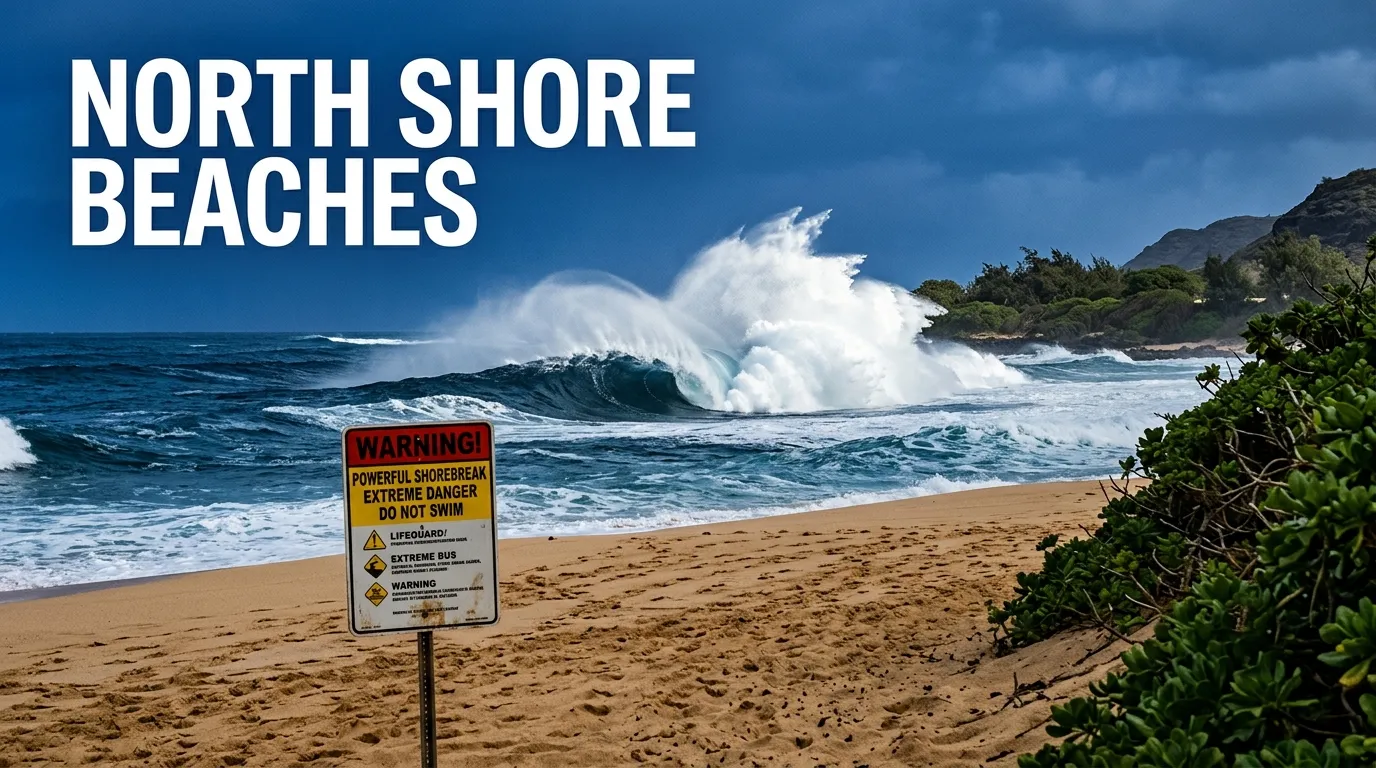
Best North Shore Oahu Beaches for 2026: Swim, Surf & Safety
North Shore beaches have a split personality that depends entirely on the month you visit. In winter, they are the most dangerous, awe-inspiring surf spots on Earth.
In summer, those same beaches become a flat, crystal-clear, snorkeling playground. You cannot plan a visit without understanding this radical seasonal shift.
This 2026 guide tells you exactly which beach to visit for your travel month. It covers the deadly shore break, the secret parking, and the exact right summer snorkeling cove.
North Shore Beaches: The Seven Mile Miracle Decoded
The North Shore is the 7-mile stretch of coastline from Haleiwa to Turtle Bay. It’s the global epicenter of big-wave surfing, not a casual beach day destination.
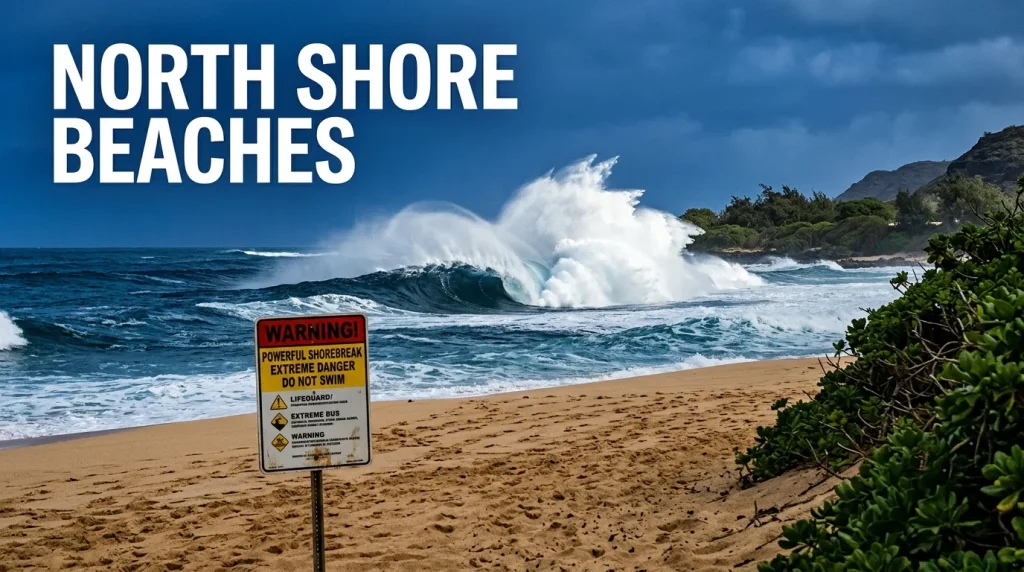
This coast faces the open Pacific, absorbing massive winter swells that march down from the Aleutian Islands. The resulting wave energy here is not comparable to any other tourist beach in Hawaii.
You are here to witness power, not to swim, unless you are here between May and September. Treat the ocean here with the same caution you would a professional sports arena.
Beaches North Shore: Beyond the Surf Magazine
The phrase “beaches north shore” encompasses a wide range of ecosystems, from razor-sharp lava reefs to soft white coral sand coves. It is not a monolith of giant waves.
The bay beaches like Waimea Bay and Kawela Bay are natural amphitheaters with wide, deep sand. The reef beaches like Pipeline and Sunset are shallow, volcanic rock shelves buried under a thin layer of sand.
Understanding this underground geology is the secret to not breaking an ankle. A wave that looks like it is breaking in deep water at Pipeline is actually detonating on a reef ledge in just two feet of water.
Best North Shore Beaches: The Two-Calendar System
The single best beach on the North Shore for you is not a static location. It is determined by the swell height on the specific date of your visit.
If you are traveling in the winter months (November to March), the best beach for the average tourist is not a beach at all. It’s the elevated, safe overlook at Ehukai Beach Park where you can watch Pipeline without getting in the water.
If you are traveling in summer (May to September), the best beach is Waimea Bay Beach Park. The legendary 30-foot winter wave is replaced by a flat, calm, deep-blue swimming hole with a famous cliff-jumping rock.
| Beach Name | Winter Profile | Summer Profile | Honest Danger Level (Winter) |
|---|---|---|---|
| Waimea Bay | 30-40 ft waves, closed to all but pros | Flat, calm, cliff jumping, perfect for families | Extreme, stay off the beach entirely |
| Banzai Pipeline | Deadly, shallow reef break, experts only | Flat, exposed reef for tide-pooling | Deadly, do not enter the water |
| Sharks Cove | Rough, often unsnorkelable | Crystal-clear, calm, the best snorkeling on Oahu | High, strong surge over the rocks |
| Sunset Beach | Massive, unrideable shore break | Flat, long sandy beach for walking | Extreme, lethal shore break |
| Turtle Bay (Kawela Bay) | Protected, calmer cove (monk seals present) | Glassy, shallow, excellent for paddleboarding | Moderate in the main bay |
Key Takeaway: If you see local surfers in the water, you should not be in the water unless you are one of them.
North Shore Hawaii Beaches: A Cultural Power Center
The North Shore is not a theme park. It is a rural, deeply proud community with a generational surfing lineage that governs the unwritten rules of the lineup.
When visiting these beaches, you are a guest at the world championship arena of surfing. Respect for locals, the aina (land), and the ocean’s power is mandatory and non-negotiable.
Do not leave valuables in your car at any beach parking lot. Theft is an unfortunate but real business here, and local police recommend leaving your car completely empty and unlocked to avoid a smashed window.
Waimea Bay Beach: The Jekyll and Hyde Beach
Waimea Bay Beach Park is the most visually recognizable beach on the North Shore, famous for the giant cliff rock jump at its southern end. In summer, the water is so flat and calm it resembles a lake.
The cliff jump is a rite of passage but strictly do so at your own risk. Check the water depth by watching locals jump first for a full 10 minutes.
Parking is a free but notoriously tiny lot right off Kamehameha Highway. You must arrive before 8:00 a.m. in summer to secure a spot.
The winter transformation of this bay is violent and immediate. When a giant swell hits, the entire sandy beach can be scoured away overnight, and the shore break becomes lethal.
Sunset Beach Oahu: The Longest Walk in Paradise
Sunset Beach Park is famous for its sheer length, a wide, beautiful stretch of sand that hosts the Vans Triple Crown of Surfing. The beach is backed by luxury homes and offers no shade.
In winter, the shore break here is deceptively dangerous. The wave crashes with a full oceanic force directly onto a steep sand slope, causing severe spinal injuries every single year.
Summer is the complete opposite, offering a flat, two-mile-long, picture-perfect walking beach with zero wave action. This is the best profile fit for a romantic sunset stroll on a post-surf-season evening.
The large dirt parking area sits across the street. The evening sunset view here is one of the most reliable free shows on the island.
Pipeline Beach Oahu: A Spectator Sport, Not a Swim Spot
Banzai Pipeline is not a beach you visit to cool off. It is the deadliest wave in the world, breaking over a shallow, jagged lava reef in less than six feet of water.
You visit Pipeline to sit on the sand at Ehukai Beach Park and witness the raw physics of the Pacific Ocean. Professional surfers die here, and you should watch from the safety of the dry sand.
There are no life preservers for tourists. The lifeguards here are the most elite ocean safety professionals in the world, and their warning to stay out of the water is absolute.
The viewing area is free, and the crowd is a respectful mix of surf photographers and stunned tourists. Parking is a small public lot that fills at dawn during a big swell.
Key Takeaway: You came to see the North Shore spectacle. Pipeline is the show, but the sand is your seat.
Sharks Cove Oahu: The Snorkeler’s Cathedral
Sharks Cove is the single best snorkeling destination on the North Shore, located inside the Pupukea Marine Life Conservation District. The name is a misnomer from the shape of the reef, not the presence of actual sharks.
A natural volcanic rock wall forms a massive, shallow, protected pool teeming with butterflyfish, tang, and the occasional passing turtle. The water clarity here in summer can exceed 50 feet of visibility.
Entry is only safe during the summer months (May to September). Winter waves wash over the lava wall with terrifying force, smashing snorkelers into the rocks.
You must wear hard-soled reef booties, not soft flip-flops. The lava rock inside the cove is covered in razor-sharp sea urchins (vana) and coral.
Insider Tip:
- Park in the large Pupukea Beach Park lot across the street from the Foodland grocery store.
- Arrive by 8:30 a.m. for a parking spot. The lot is tiny and fills to capacity.
- After snorkeling, walk across the street for a hot lunch at the famous food truck lot.
Three Tables Beach: The Cooler Older Sibling
Immediately to the left of Sharks Cove is Three Tables Beach, named for the three flat sections of exposed reef at the water’s surface. It offers a more advanced, wider snorkeling topography.
The reef here drops off more dramatically, creating a diverse underwater channel for spotting eagle rays and larger fish. The surge can be stronger here than at Sharks Cove due to the deeper water entry.
This beach is best for intermediate snorkelers confident in their ability to float over channels. The parking situation is the same shared Pupukea lot, so if Sharks Cove is too packed, walk 100 yards left.
Laniakea Beach: The Turtle Traffic Jam
Laniakea Beach, universally known as Turtle Beach, is the most reliable spot on the island to see honu (Hawaiian green sea turtles) resting on the sand. A local volunteer group, Malama na Honu, sets up a red-rope perimeter to keep tourists at a legal 15-foot distance.
You will see them, but you will also be a part of a massive, chaotic crowd spilling off a narrow roadside parking strip. This is not a secluded wildlife encounter, it is a roadside spectacle.
Do not touch the turtles. This is a federal crime carrying a heavy fine and potential jail time.
A volunteer will be present on most days to educate visitors and protect the turtles. Listen to them, and accept that the traffic jam here on Kamehameha Highway is a permanent feature of a 2026 North Shore trip.
Turtle Bay Beach: The Resort Sanctuary
Turtle Bay Beach sits on the grounds of the Turtle Bay Resort, the only major hotel on the North Shore, but all Hawaii beaches are public up to the high tide line. The main crescent bay, Kawela Bay, is a protected, calm cove excellent for paddleboarding and swimming.
The resort is undergoing a luxury transformation for 2026, but the public beach access path remains to the left of the main hotel entrance. Public parking is extremely limited and fills instantly.
This is the best North Shore beach for a family with mixed agendas. One parent can rent a cabana and a cocktail, the other can snorkel, and the kids can take a surf lesson from the Jamie O’Brien Surf Experience.
Insider Tip:
- Drive to the public access path on the far eastern side of the bay, away from the resort crowd.
- The majestic, twisted banyan trees framing the sand here are some of the most romantic backdrops for a honeymoon photo on Oahu.
Best Snorkeling North Shore Oahu: The Summer Flat Lake
The best snorkeling on the North Shore is unequivocally at Sharks Cove and Three Tables Beach within the Pupukea Marine Life Conservation District. This is a protected marine area where fish populations are dense and unafraid.
For a less crowded alternative, travel further northeast to Malaekahana Bay near the Polynesian Cultural Center. The shallow, sandy-bottomed bay offers a turtle-heavy, beginner-friendly snorkel with almost no crowd.
Never snorkel on the North Shore if you see white foam capping on the horizon. Winter swell can arrive in a set of massive waves preceded by a 15-minute deadly calm.
North Shore Beach Parking: The Zero-Dollar Hunger Games
Parking at a North Shore beach in 2026 is the most significant barrier to entry. There is almost no paid parking, just a limited number of free public stalls.
The lots at Waimea Bay, Pipeline, and Sharks Cove are legendarily small. They are completely full by 8:30 a.m. on weekends and holidays, year-round.
Your parking strategy must be to leave your Waikiki hotel by 7:00 a.m. sharp. Accept the early alarm, pack a malasada and Kona coffee, and treat the parking hunt as a competitive sport.
Never park in the red dirt shoulders along Kamehameha Highway. The tow trucks patrol aggressively, and the fine will destroy your beach day budget.
Key Takeaway: A 7 a.m. departure from Honolulu is the only parking strategy that works on a weekend.
Is North Shore Safe to Swim: The Question of the Season
Whether you can swim on the North Shore depends entirely on the date and the specific beach’s geography. A general rule for 2026 is that beaches are safe for swimming only from May through September.
During the winter surf season (October through April), the entire coast is considered a high-hazard zone for inexperienced swimmers. The shore break at beaches like Sunset and Waimea will break bones on what looks like a “small” four-foot day.
Honolulu Ocean Safety is the definitive authority. They post specific red “No Swimming” and yellow “Caution” flags at every major guarded beach.
If a yellow flag is up, do not go deeper than your knees. The “sneaker wave” phenomenon, where a sudden set of huge waves arrives after a period of calm, is a real and documented killer here.
Safety and Seasonal Warnings for Oahu’s North Shore
The North Shore’s beauty masks a violent, unpredictable winter energy that injures and kills tourists every single year.
Key safety facts every visitor must know:
- Never turn your back on the ocean. A wave can reach the dry sand line without warning and drag you out.
- Stand clear of the wet rock zone. Rogue waves sweep across the lava shelf at Sharks Cove and Ke Iki.
- Check the official Honolulu Ocean Safety website for real-time hazard advisories before leaving your hotel.
- The cliff jump at Waimea Bay is not a ride. It is a 25-foot impact into deep water that requires a physical climb out on sharp rocks.
- Portuguese man o’ war can wash ashore in winter. Their blue tentacles sting severely weeks after they are dead.
Frequently Asked Questions About North Shore Beaches
Can you swim at North Shore Oahu beaches?
Yes, you can swim safely at North Shore beaches from May through September.
The water is flat, warm, and crystal-clear during the summer months.
Swimming is extremely dangerous and strongly discouraged from October through April.
What is the best beach on the North Shore for seeing turtles?
Laniakea Beach is the most reliable and famous beach for seeing green sea turtles.
Turtles rest on the sand here almost every day of the year.
You must maintain a 15-foot distance by federal law and follow the volunteer guardians’ directions.
Which North Shore beach is best for beginner snorkelers?
Sharks Cove is the best beach for beginner snorkelers during the summer months.
A natural lava wall forms a giant, calm, shallow swimming pool protected from waves.
It is strictly unswimmable and closed to entry during the winter high surf.
Is Waimea Bay safe for kids in the summer?
Yes, Waimea Bay is exceptionally safe for kids during the summer months.
The bay transforms into a flat, calm, lake-like swimming area with a soft sandy bottom.
The cliff jumping rock has a deep water landing but is for experienced swimmers only.
Where do I park to see Pipeline?
Park in the small, free public lot at Ehukai Beach Park directly across from Pipeline.
This lot is extremely small and fills up completely by 8:30 a.m. on big surf days.
Never park on the grass or in private neighborhood driveways off Ke Nui Road.
What month are the biggest waves on the North Shore?
The biggest and most consistent giant swells typically arrive between December and February.
January is historically the peak month for the most famous big-wave contests.
A giant swell can appear anytime between November and March with just a few days’ notice.
Respect the Ocean and Pick Your Season
A day trip to the North Shore is the most humbling and physically awe-inspiring beach experience Oahu offers in 2026. The key to a perfect trip is accepting the season you are given: a wild, unswimmable winter spectacle or a pristine, flat summer lake.
If you are visiting in winter, shift your goal from swimming to spectating. Park at Ehukai, watch Pipeline, walk the length of Sunset Beach, and eat a shrimp plate from a Kamehameha Highway food truck.
Summer visitors should pack snorkel gear and hit Sharks Cove by 8:30 a.m. Check the Surfline swell forecast and the Honolulu Ocean Safety website before you drive.
The North Shore is not a beach, it’s a pilgrimage. Treat its winter power with the fear it deserves, and its summer beauty with the early-morning parking hustle it requires.