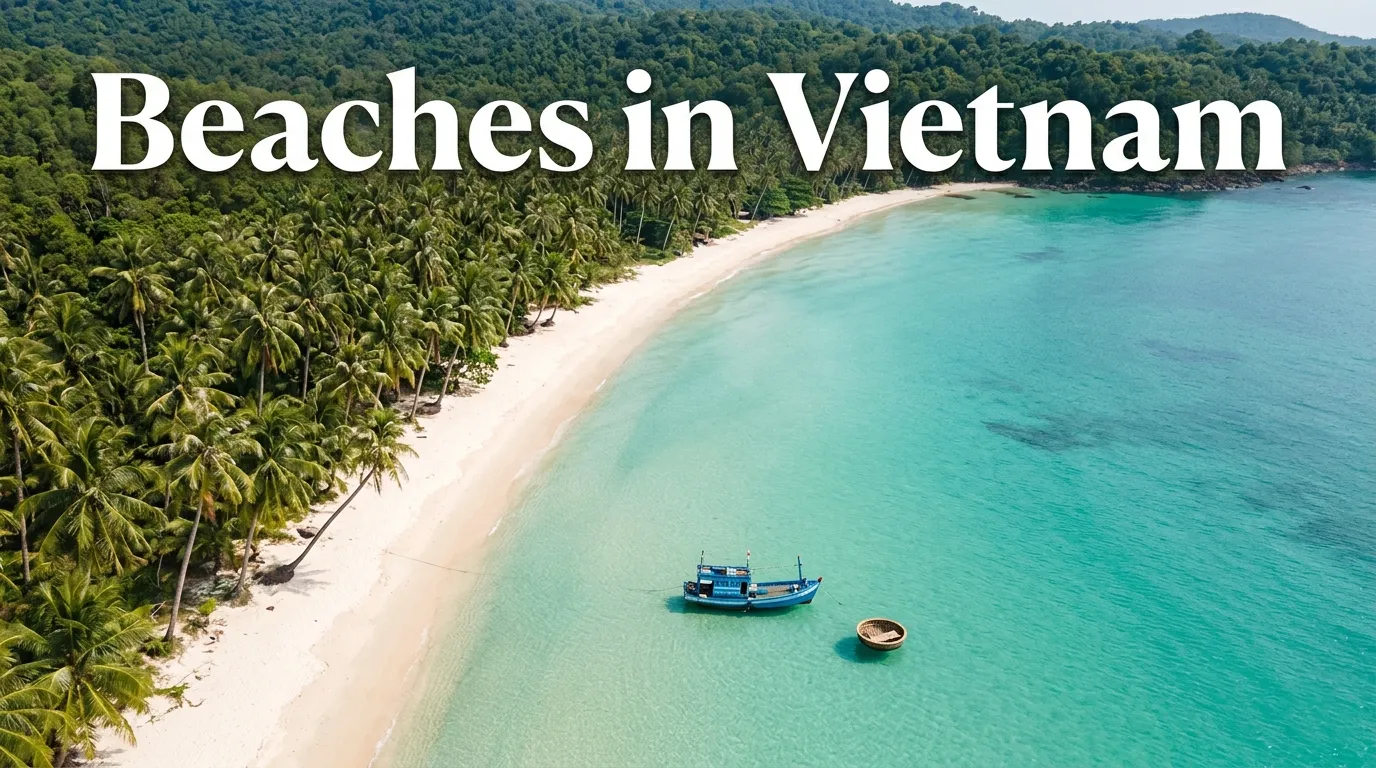
Best Beaches in Vietnam 2026: A Monsoon-Proof Guide
The single most important fact about beaches in Vietnam is that you must match your beach to the month. The country is not one climate zone.
A sunny February beach day in Phu Quoc is a grey, storm-battered washout in Da Nang. The geography demands a split-second understanding of the monsoon calendar.
This guide picks the specific beach for your exact travel month. I will tell you which sand is overdeveloped, which is pristine, and which resort is worth the money in 2026.
Does Vietnam Have Beaches
Yes, Vietnam has over 3,260 kilometers of coastline, and the beaches are spectacular when you are on the right coast at the right time. The war-era image obscures a country with world-class sand.
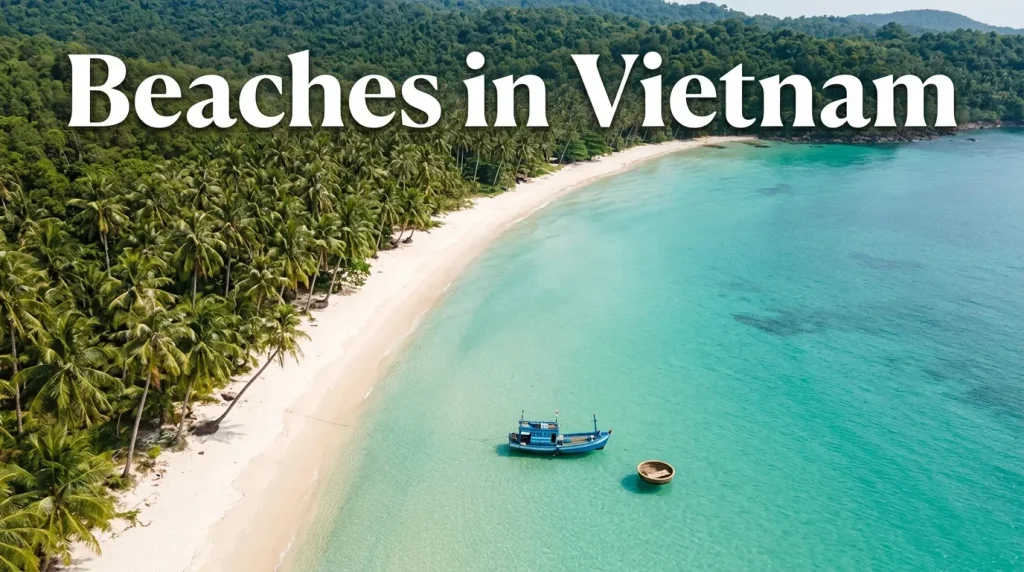
The coastline is not a single strip but three distinct beach systems. The Central Coast, the Southern Islands, and the Northern Gulf are as different as three separate countries.
The water is not the glassy, windless turquoise of the Maldives. It is a warm, often moody, deep blue-green South China Sea that is swimmable year-round in the right spot.
The sand quality varies from the coarse, golden grains of Da Nang’s urban beaches to the soft, white powder of Phu Quoc’s Sao Beach. Sand is a serious subject here.
According to the Vietnam National Administration of Tourism (VNAT), the country has aggressively developed its beach infrastructure for the 2026 high-end market. The luxury game has changed.
The answer to “does Vietnam have beaches” is a visual of the InterContinental Danang Sun Peninsula Resort. A masterpiece of modern architecture, it clings to a private bay, proving this is a luxury beach destination.
Key Takeaway: Vietnam has a 3,000-kilometer coastline but three different monsoon clocks. Wrong coast equals no beach day.
Vietnamese Beaches: North, Central, and South
Vietnamese beaches break down into three distinct climatic zones. You cannot treat a trip to Phu Quoc the same as a trip to Da Nang.
The North, from Ha Long Bay to Cat Ba, has a short, hot summer window from May to September. This is the only time the water is swimmable and the sky is reliably blue.
The Central Coast, anchored by Da Nang and Hoi An, is the sweet spot for long sunny seasons. Its dry period stretches from February to August, a perfect mirror opposite to the South.
The South, dominated by Phu Quoc Island, runs on a tropical monsoon clock. The dry, calm, picture-perfect window is November to April, with peak beauty in February and March.
A traveler’s biggest mistake is lumping all of Vietnam into one “Southeast Asia beach trip.” The internal flight between a rainy Da Nang and a sunny Phu Quoc is your most important booking.
Travel + Leisure has identified the Central Coast, specifically the Da Nang to Hoi An stretch, as the most globally relevant Vietnamese beach zone. The infrastructure here is the most mature.
The North’s beaches are more about the cultural landscape than the sand. The limestone karsts of Lan Ha Bay create a surreal kayaking backdrop, not a classic beach blanket scene.
Key Takeaway: Fly to Da Nang between February and August. Fly to Phu Quoc between November and April. Ignore this rule at your peril.
Beaches in Vietnam: A Coast-by-Coast Overview
Vietnam’s 2026 beach map is a tale of three hubs. You fly into one of these hub cities and radiate outward to the sand that matches your needs.
Da Nang is the gateway to the Central Coast. My Khe Beach is the urban icon, a long, broad sweep of golden sand backed by a wall of new hotels and seafood restaurants.
Phu Quoc in the south is the island escape, a large, forested, and rapidly developing island in the Gulf of Thailand. It feels more like a Thai island resort destination.
Nha Trang is the classic, slightly faded Russian tourist hub with a stunning crescent bay. It is the most urban and overdeveloped, but the offshore islands offer an escape.
Con Dao is the outlier: a remote, pristine, and historically heavy archipelago far off the southern coast. It is the most beautiful and the most expensive escape in the country.
Mui Ne is the kite-surfing capital, a long, windy, and ruggedly beautiful desert-meets-sea landscape. It is a specialty destination, not a great choice for a generic beach lounger.
Ho Tram, a two-hour drive from Ho Chi Minh City, has emerged as the luxury weekend escape. The Ho Tram Strip houses a new generation of integrated resorts and casinos.
Lonely Planet reports that the VNAT is actively promoting the Ly Son and Con Dao islands as the next frontiers. They remain far quieter than the Thai island alternatives.
Key Takeaway: Da Nang is the best all-round hub for a first-timer. Phu Quoc is for a dedicated island resort vacation.
Best Vietnam Beaches: The 2026 Power Rankings
The best beaches in Vietnam in 2026 are a combination of natural beauty, seasonal reliability, and development quality. A perfect sandbar with a derelict hotel is not a winner.
| Beach | Location | Best For | Honest Insider Note |
|---|---|---|---|
| Sao Beach | Phu Quoc | Postcard white sand, calm swim | Busy during the day. Come at dawn for the real empty paradise. |
| An Bang Beach | Hoi An | Bohemian couple vibe, beach bars | The shore break can be surprisingly strong. Sunbeds are a competitive sport. |
| My Khe Beach | Da Nang | Urban convenience, surf, city buzz | Spectacular wide sand. Not a quiet escape; it’s a public city spectacle. |
| Doc Let Beach | Nha Trang | Escape from the Nha Trang high-rises | A 45-minute drive north, but the tranquil, shallow water is a family dream. |
| Con Son Beach | Con Dao | Untouched nature, historic solitude | The water is the clearest in Vietnam. The remote flight keeps the crowds away. |
| Bai Truong | Phu Quoc | Sunset luxury, resort living | The Regent Phu Quoc frontage. Pure 5-star, not a local village scene. |
Places to Visit in Vietnam Beaches: The Hubs
The places to visit in Vietnam for beaches are the cities and towns that provide the logistics for the sand. Your hotel choice here dictates your entire trip rhythm.
Hoi An is not on the beach, but it is the essential cultural pair to An Bang Beach. You stay in the ancient town and cycle the four kilometers to the sand through rice paddies.
Da Nang is the modern city-beach hybrid, a place where you can have a five-star spa breakfast and then eat a $2 Mi Quang noodle from a street stall. The energy is addictive.
Phu Quoc is split between the developed, sunset-facing Long Beach strip and the wilder, less-tamed north and east coasts. The south is where the luxury resorts and the famous cable car live.
The Cham Islands, a short speedboat ride from Hoi An, are the best day trip for snorkelers. The protected marine park offers coral that is missing from the mainland coast.
Duong Dong on Phu Quoc is the island’s chaotic, workaday fishing port. You come here for the night market, not the beach, but it is the cultural anchor to the island’s resort strip.
The over-water cable car from Phu Quoc’s south to Hon Thom island is a genuine engineering marvel. It is the world’s longest sea-crossing cable car, and the view over the fishing boats is surreal.
Key Takeaway: Hoi An plus An Bang is the ultimate couple’s combo. Phu Quoc’s Long Beach is the best pure resort strip.
Da Nang Beaches: The City by the Sea
Da Nang beaches are the engine of a modern, aspirational Vietnamese city that has completely reinvented itself. This is not a sleepy fishing village.
My Khe Beach is the star, a kilometers-long, flat, wide arc of golden sand. The water is a clean, choppy blue during the spring and summer, with a surfable shore break.
The beach is backed by a dense row of seafood restaurants and high-rise hotels. A morning here is a cross-section of Vietnamese life: aerobics classes, joggers, and fishermen hauling in nets.
The Son Tra Peninsula, nicknamed Monkey Mountain, provides the dramatic green backdrop. The road over the peninsula leads to the InterContinental Danang Sun Peninsula Resort, Bill Bensley’s masterpiece.
The resort is a genuine architectural destination in itself. Even if you don’t stay, the fine-dining restaurant, La Maison 1888, with its Pierre Gagnaire menu, is a reason to visit.
A family’s best choice is a hotel on the quiet southern end of My Khe, away from the main tourist epicenter. The Fairmont and the Hyatt Regency offer calm pools with direct beach access.
The limitation of Da Nang is the winter monsoon. From September to January, the sea is rough, the wind is relentless, and the sky is a flat grey ceiling.
A surfer should target the winter months. The same northeast monsoon that sends sunbathers running creates the best surf of the year at My Khe’s defined break.
Key Takeaway: Book a Da Nang beach hotel on the quiet southern stretch of My Khe. Avoid the entire region from October to December.
Phu Quoc Beaches: Vietnam’s Island Escape
Phu Quoc is a large, forested island that has been transformed into a full-scale resort destination. It is Vietnam’s answer to Phuket, for better and for worse.
Long Beach is the main tourist artery, a twenty-kilometer stretch of sand facing west into the Gulf of Thailand. The sunsets here are the island’s daily masterpiece.
The mid-section of Long Beach is the sweet spot, home to the Regent Phu Quoc and the InterContinental Phu Quoc Long Beach Resort. This zone has a clean, manicured, premium resort energy.
The northern part of Long Beach is overdeveloped with budget bungalows and can feel run down. Choose your hotel location on Long Beach with surgical precision.
Sao Beach in the southeast is the island’s postcard image. The white sand is fine as powdered sugar, the water is calm and clear, and the palm trees lean at impossibly photogenic angles.
The honest reality of Sao Beach is that it gets swamped by day-trippers by 10:00 AM. A sunset cocktail on Long Beach is a more peaceful daily ritual than a midday trip to Sao.
The JW Marriott Phu Quoc Emerald Bay Resort, also designed by Bill Bensley, is a fantastical, university-themed architectural fever dream. It is the most unique luxury resort on the island.
The limitation of the JW Marriott is its isolation on the quiet southern tip. You are a captive audience to the resort’s own restaurants and price points.
Key Takeaway: Regent Phu Quoc on Long Beach delivers the best balance of luxury and access. Stay there for the sunset, visit Sao Beach at 7:00 AM.
Nha Trang Beaches: The Overdeveloped Classic
Nha Trang’s main crescent beach is a six-kilometer stretch of fine, golden sand. The promenade is beautiful, but the city behind it has a dense, chaotic, and heavily developed feel.
This is the most Russian-tourist-facing city in Vietnam. The signage is in Cyrillic, the restaurants serve borscht alongside pho, and the package tour energy is palpable.
The water quality on the main Nha Trang beach is the most honest negative point. During heavy rain, the runoff from the Cai River can significantly cloud the water near the city center.
The solution is to escape north. Doc Let Beach, a forty-five-minute drive from the city, is the tranquil, shallow-water escape that the Nha Trang main beach used to be.
For a once-in-a-lifetime splurge, the Six Senses Ninh Van Bay is a boat-accessed resort on a private peninsula north of Nha Trang. It is the definition of Robinson Crusoe luxury.
The Amanoi, a few hours south, is the most exclusive hotel in the country, set on a pristine marine cove in a national park. This is the ultra-luxury tier that stands up to anywhere in the world.
A budget traveler should avoid the main beachfront hotels. They charge a premium for a beach that is not the best in the area.
Key Takeaway: Stay in Nha Trang for the boat trips to the islands, not for the main city beach. Drive to Doc Let for your actual sand day.
Vietnam Best Beaches: The Judges’ Scorecard
Choosing the absolute best Vietnamese beach in 2026 requires an honest conversation about what you value. Silence, sand, or social life?
Con Dao wins for pure, untouched natural beauty. The main beach, Con Son, is a crescent of buttery sand fringed by casuarina trees and backed by the haunting colonial-era prison museum.
The water at Con Dao is the clearest in Vietnam. Snorkeling on the offshore reefs is genuinely world-class, with healthy coral and a thriving population of sea turtles.
The limitation of Con Dao is access. It is a flight from Ho Chi Minh City, and the island has a deliberately quiet, solemn atmosphere that does not suit a party traveler.
An Bang Beach near Hoi An wins for character. It is a bohemian social scene, a place where you rent a sunbed, drink coconut coffee, and watch the local fishermen pull in their nets beside swimmers.
Sao Beach on Phu Quoc wins for the visual of a pure tropical paradise. The sand is the whitest, the water the calmest, and the palm-tree lean the most dramatic.
The honest limitation of Sao Beach is the plastic. On a busy day, the detritus of the tourism boom can be visible on the fringes, requiring a conscious effort to find a clean stretch.
My Khe wins for pure scale and versatility. You can surf, play a game of beach volleyball with locals, and then walk to a world-class spa, all within a city.
Key Takeaway: Con Dao is the most beautiful untouched beach. Phu Quoc’s Sao Beach is the most beautiful accessible beach. Choose accordingly.
Best Beaches in Vietnam for Families
A family beach in Vietnam needs calm, shallow water, a clean resort with a kids’ club, and logistical ease from an international airport. Phu Quoc wins this category.
Long Beach on Phu Quoc is the family champion. The water is calm and gently sloping on the mid-island stretch, and the resort density means the infrastructure is seamless.
The Novotel Phu Quoc Resort and the JW Marriott both have extensive kids’ clubs. The Novotel is more budget-friendly; the JW Marriott is the fantasy splurge.
Vinpearl Land on Phu Quoc is a mega-amusement park and water park complex. This is the ultimate family wildcard, a day of slides and rides when the beach loses its novelty.
For families on the Central Coast, the Hyatt Regency Danang is the best choice. The vast pool complex and the sprawling lawn directly on My Khe Beach provide room for kids to run.
The honest limitation of the Central Coast for a young family is the aggressive shore break. My Khe is not a gentle, lapping bathtub; it is a proper ocean beach.
The South of Nha Trang at the Mia Resort Nha Trang offers a calmer family option on the Central Coast. The resort’s private beach is tucked into a more protected cove.
Insider Tip: Many Vietnamese luxury resorts have a “kids stay and eat free” policy during the shoulder season. Check for this in April or October to unlock significant value.
Key Takeaway: Phu Quoc’s Long Beach in March is the safest, most convenient family beach holiday in Vietnam.
Vietnam Beaches for Couples
Vietnam is a spectacular couples’ destination because it blends adventure and luxury at a price that feels like a genuine hack. Romance here is found in the quiet coves.
An Bang Beach is the best non-resort couple experience. The beachfront restaurants like The DeckHouse rent sunbeds, and the whole atmosphere is a relaxed, shared bohemian luxury.
The real romantic secret of An Bang is the evening. After the day-trippers leave, the remaining beachfront tables set up lanterns, and you eat fresh snapper with your feet in the sand.
For a pure luxury couple’s escape, the Four Seasons Resort The Nam Hai in Hoi An is the gold standard. The three-tiered infinity pools and the private villa courtyards are designed for privacy.
A honeymoon couple should book the pool villa at the Four Seasons. The specific romantic touch is the ability to have a private dinner in your own courtyard, completely removed from the main resort.
The InterContinental Danang is the couple’s choice for design and drama. The cable-car ride down to the private beach and the Long Bar for a sunset Negroni are pure architectural romance.
On Phu Quoc, couples should avoid the central, family-heavy sections of Long Beach. The Salinda Resort Phu Quoc is the mid-range, adult-leaning boutique gem on the island.
The limitation of the Salinda is the lack of a truly private villa experience. It is a hotel, not a collection of private compounds, so poolside privacy is limited.
Key Takeaway: Four Seasons Hoi An is the best honeymoon hotel in the country. An Bang’s sunset dinner scene is the best budget romantic date.
Vietnam Secret Beaches: Escaping the Crowds
The secret beaches of Vietnam are those that remain protected by geographical difficulty or strict government management. They are worth the effort.
Bai Xep, near the coastal city of Quy Nhon, is a small, palm-fringed cove that has managed to stay low-rise and authentic. The fishing village behind it is untouched by big resort development.
The Ly Son Island off the coast of Quang Ngai is a volcanic island with dramatic cliffs. The garlic-growing islanders are as much a draw as the black-sand volcanic beaches.
Bai Khem on the southern tip of Phu Quoc was historically a military beach. It is now accessible, and the water is arguably cleaner and calmer than the more famous Long Beach.
The honest limitation of these secret beaches is infrastructure. You will not find a luxury spa or a five-star restaurant, but you will find solitude.
Con Dao remains the ultimate not-so-secret secret. The Six Senses resort has a price tag that keeps out the backpacker crowd, effectively preserving the wild nature of the archipelago.
The Mui Dinh area near Phan Rang is a coastal desert landscape with dramatic sand dunes that plunge into the sea. This is a rugged, wind-swept beauty, not a postcard tropical cove.
Vietnam Tourism notes that these secondary destinations are targeted for eco-tourism development in 2026. The window to see them in their raw state is closing.
Key Takeaway: Bai Xep near Quy Nhon is the best quiet cove still on a rising but accessible tourist trail.
Vietnam Beach Resorts: The Full Spectrum
Vietnam’s beach resort scene is a pyramid. At the base are simple family-run guesthouses, and at the very top are two of the greatest architectural resort statements on the planet.
The Amanoi near Vinh Hy Bay is the ultra-luxury pinnacle. It is an Aman resort, meaning it is designed around a philosophy of profound, private, architectural silence.
The limitation of an Aman-level spend is the price, which can easily exceed $2,500 per night. This is for the traveler who values spatial peace above all else.
The JW Marriott Phu Quoc and the InterContinental Danang represent the “fantasy architecture” tier. They are as much art installations as hotels, designed by the maximalist genius Bill Bensley.
The next tier down is the luxury brand beachfront: the Regent Phu Quoc, the Four Seasons Hoi An, and the Banyan Tree Lang Co. These offer polished, predictable, high-end comfort.
The mid-range sweet spot is filled by Vietnamese-owned boutique resorts. The Salinda Phu Quoc and the Mia Nha Trang offer five-star intimacy at half the price of the international brands.
The budget traveler finds a different kind of luxury. A $30-a-night beach bungalow on Phu Quoc’s north shore buys you a simpler life of fresh-grilled fish and a hammock on the sand.
A common booking mistake is confusing a resort’s location with its address. A “Long Beach” resort on Phu Quoc can be on a pristine central stretch or a heavily eroded, budget-focused northern patch.
Key Takeaway: The Regent Phu Quoc and the Four Seasons Hoi An offer the best authentic luxury value in the 2026 market.
Best Time to Visit Vietnam Beaches
The best time to visit Vietnam beaches depends entirely on which coast you choose. There is no single “best” month for the whole country.
For the Central Coast (Da Nang, Hoi An), target the window from February to August. April and May are the golden months, with hot, clear skies and a cool-enough breeze.
For the South (Phu Quoc, Con Dao), target November to April. February and March are the sweet spot, with glassy calm water and the peak of the dry season.
For Nha Trang, the best months are January to August. The summer months of June to August are the hottest and most crowded with domestic tourism.
The worst time to visit a region is its specific monsoon. November in Da Nang is rainy and grey. July in Phu Quoc is a complete washout with rough ferry crossings.
The Tet holiday, the Vietnamese Lunar New Year, is a wild card. The dates shift but it typically falls in late January or February, and the entire country moves.
You must book your domestic flights and beachfront hotels months in advance for Tet. The demand is crushing, and the prices triple.
The National Center for Hydro-Meteorological Forecasting in Vietnam is the official source for tracking the monsoon onset and any potential typhoon activity.
Key Takeaway: Pick your month, then pick your coast. April in Da Nang or February in Phu Quoc are the two safest, sun-drenched windows.
How to Get to Phu Quoc Island
Getting to Phu Quoc Island in 2026 is easy by air and a logistical challenge by sea. You must fly unless you are on a very specific budget.
Phu Quoc International Airport (PQC) is the solution. Direct international flights arrive from Seoul, Bangkok, and Kuala Lumpur, making the island a standalone Southeast Asian hub.
Vietnam Airlines, VietJet Air, and Bamboo Airways operate multiple daily domestic flights from Hanoi and Ho Chi Minh City. The flight from SGN is a quick 60-minute hop.
The ferry from the mainland ports of Rach Gia and Ha Tien is the budget, time-consuming alternative. The combined car and speedboat transfer takes the better part of a day.
Honest warning: the ferry crossing can be extremely rough during the southwest monsoon from May to October. A flight is the only safe and comfortable option during the summer months.
The island’s airport is centrally located, a 15-minute drive from the Long Beach resort strip. Grab taxis are readily available and cheap.
The Phu Quoc visa exemption is a critical piece of 2026 logistics. The island has a special 30-day visa-free policy for all nationalities, even if mainland Vietnam requires an e-visa.
This policy means you can fly directly from Bangkok to Phu Quoc, enjoy the beach, and never formally enter mainland Vietnam. The e-visa is required if you connect via a domestic airport.
Insider Tip: Book the direct international flight into PQC if your holiday is exclusively on Phu Quoc. It saves you the hassle and cost of the Vietnam e-visa.
Vietnam Beach vs Thailand: The Honest Verdict
This is the definitive Southeast Asian beach showdown for 2026. Vietnam has better architectural luxury and value, while Thailand has better natural clarity and party infrastructure.
Choose Vietnam for the architectural spectacle. The Amanoi, the InterContinental Danang, and the JW Marriott Phu Quoc are resorts that exist on a level of design fantasy unmatched in Thailand.
Choose Thailand for the natural swimming environment. The Andaman Sea’s crystalline, calm turquoise water in the Phi Phi Islands is visually superior to Vietnam’s deeper, sometimes choppier South China Sea.
Vietnam wins on value. A five-star beachfront suite in Da Nang or Phu Quoc can cost the same as a dated mid-range bungalow in a prime Thai location like Phuket.
Thailand wins on island-hopping infrastructure. The longtail boat network in Krabi or the Samui archipelago is more mature and tourist-friendly than Vietnam’s emerging routes.
Vietnamese beach culture feels more raw and entrepreneurial. A vendor’s beach menu is a local negotiation, not a laminated corporate price list.
Thai beach culture is more globally polished and service-oriented. The “Land of Smiles” hospitality is a deeply ingrained cultural standard.
A family seeking a luxury deal should pick Phu Quoc. A solo backpacker seeking a party and an easy social scene should pick Thailand’s Koh Phi Phi.
Key Takeaway: Choose Vietnam for high-design, high-value luxury. Choose Thailand for classic, easy, and visually perfect tropical island hopping.
Vietnam Beach Holiday 2026 Guide
Planning a 2026 beach holiday in Vietnam is an exercise in connecting the dots between your month of travel, your chosen coast, and your resort’s micro-location.
Your first booking is your domestic flight. The internal air network is the backbone of any multi-stop beach trip between Da Nang, Phu Quoc, and Nha Trang.
The 90-day e-visa for 2026 is your second priority. It is a simple online process for most nationalities, but do not leave it to the last 48 hours.
Your resort’s specific beachfront is the third, most overlooked detail. A resort on “Long Beach” could be on a pristine, wide patch of sand or a narrow, eroded strip.
A well-planned 2026 Vietnam beach holiday looks like this: seven nights at the Four Seasons Hoi An in June for a cultural couple’s escape. It is a trip of a lifetime.
A poorly planned holiday looks like this: a Phu Quoc booking in July, a week of staring at grey monsoon rain, and a rough, cancelled ferry ride.
The Vietnamese don’t expect a tip, but they remember the guests who treat them with genuine respect. The service you receive in return for a smile is the country’s secret weapon.
Key Takeaway: A Vietnamese beach holiday in 2026 rewards the meticulous planner. The lazy “book and go” approach will burn you with the monsoon.
Safety and Seasonal Warnings for Vietnam Beaches
The greatest safety threat on a Vietnamese beach is not crime but the ocean itself during the monsoon. The weather patterns dictate your safety.
Key safety and seasonal facts every visitor should know:
- Monsoon means no swimming. The rough seas and strong rip currents during the northeast or southwest monsoon close beaches and make swimming lethally dangerous.
- Typhoon season targets the Central Coast. From July to November, typhoons can approach Da Nang and Hoi An. Monitor the National Center for Hydro-Meteorological Forecasting daily.
- Sun exposure is an extreme risk. The equatorial sun combined with a deceptive ocean breeze will burn you in 30 minutes. A high-SPF, reef-safe sunscreen is a medical necessity.
- Theft from the sand is a low but real risk. A phone left unattended on a busy public beach like My Khe is a target. Use a waterproof pouch or leave valuables at the hotel.
- Box jellyfish are a rare but present danger. They are occasionally reported in the waters off Nha Trang and Phu Quoc during the seasonal transitions.
In a beach emergency, contact your resort’s front desk immediately. They have the direct lines to the local marine rescue services and hospital infrastructure.
Frequently Asked Questions About Vietnam Beaches
Which part of Vietnam has the best beaches?
Central Vietnam has the best overall beaches, anchored by the long, sandy arc of My Khe in Da Nang and the laid-back beauty of An Bang in Hoi An.
Phu Quoc Island in the south has the best soft, white-sand tropical island beaches.
The best coast depends on the month of your visit.
Are beaches in Vietnam swimmable?
Yes, beaches in Vietnam are highly swimmable during the dry season in each specific region. The water is warm and the surf is manageable.
During the monsoon season, the beaches are not swimmable due to rough seas, strong rips, and poor visibility.
Is Phu Quoc better than Nha Trang?
Phu Quoc is better for a calm, clear-water island escape with pristine white sand and modern luxury resorts.
Nha Trang is better for a bustling city beach with a beautiful bay and excellent offshore island day trips by boat.
What is the most beautiful beach in Vietnam?
Sao Beach on Phu Quoc Island is the most visually beautiful beach, with powder-white sand and calm, clear, turquoise water.
Con Son Beach on Con Dao Island is the most beautiful untouched beach, fringed by wild forest and free of development.
Does Vietnam have clear water beaches?
Yes, Vietnam has clear water beaches, but the clarity is seasonal and regional. Phu Quoc has the clearest water during the dry season from November to April.
Con Dao Island has the most consistently clear water year-round, suitable for snorkeling on healthy coral reefs.
Is Vietnam cheap for a beach holiday?
Yes, Vietnam is one of the best-value luxury beach destinations in the world. A five-star resort stay costs a fraction of a comparable property in the Caribbean.
The budget tier is even more extreme, with a fresh seafood dinner for two on the sand often costing under $15.
Your Vietnamese Beach Match
Vietnam is the most underrated beach destination in the world for the traveler who plans smart. The country rewards the architecturally curious, the food-obsessed, and the value-seeking luxury lover.
The traveler who chases the Thai-style postcard, books the wrong coast for their month, and hopes for crystal-clear bathwater will be disappointed. The monsoon is unforgiving and indifferent to your vacation schedule.
Your next action is to match your month to your coast. Consult the monsoon calendar, book your internal flight, and then secure that Four Seasons villa or An Bang boutique hotel.
Visa rules, resort opening timelines, and the unpredictable monsoon onset are the 2026 variables. Verify the e-visa process and the weather window for your chosen coast right before your departure date.
Book the flight, pack the reef-safe sunscreen, and prepare for a beach experience that trades the perfect postcard for raw, spectacular, and unforgettable Vietnamese character.