Split Croatia Beaches: 2026 Locals Guide & Map
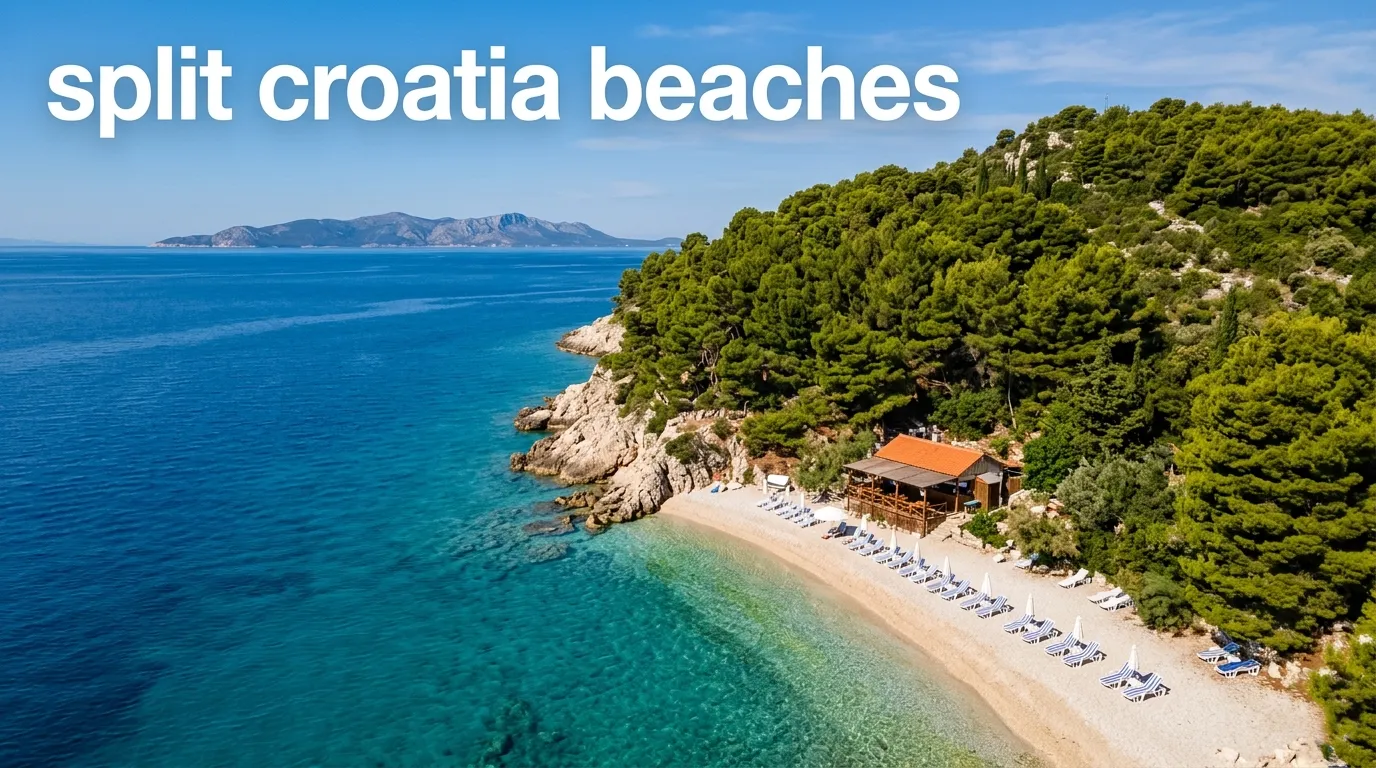
Split Croatia beaches are a mix of urban Adriatic coves and wild pine-forested peninsulas, almost all made of fine white pebbles. The beach you choose will dictate whether you need water shoes, a bus ticket, or a catamaran.
The Croatian National Tourist Board reports that the Dalmatian Coast has some of the clearest water in the Mediterranean, with visibility often exceeding 50 feet. The trade-off is the texture under your feet.
This 2026 guide gives you the honest truth about every major Split beach. You will know which coves are a five-minute walk from Diocletian’s Palace and which island beaches are worth the ferry ticket.
split croatia beaches
The split croatia beaches on the Marjan Peninsula are a series of rocky and pebbled coves threading through a protected pine forest. They feel utterly removed from the ancient Roman palace just a mile away.
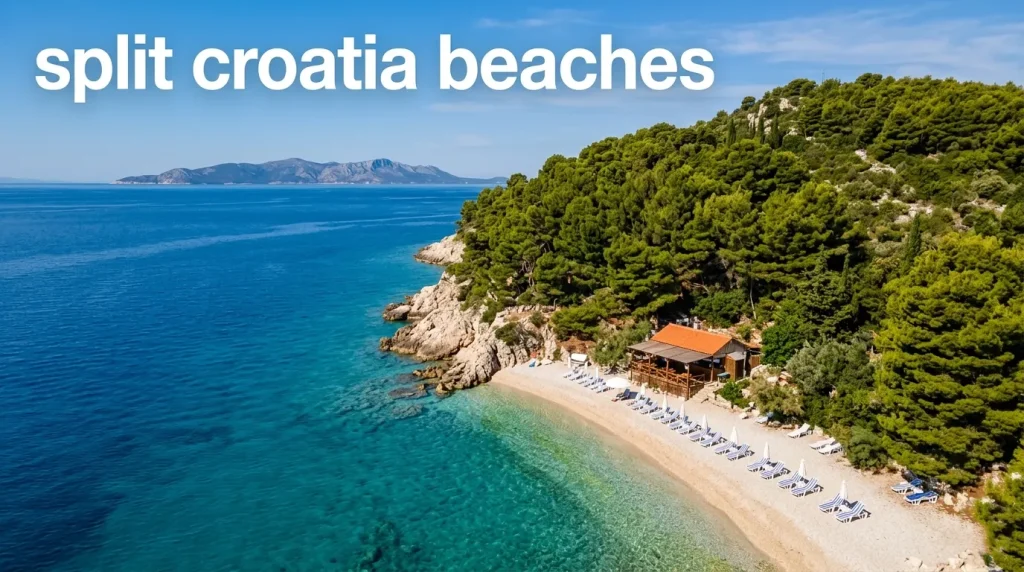
The water is an almost unnaturally clear, deep blue-green. The Adriatic Sea here has high salinity and low sediment, which creates an incredible buoyancy and a visibility that makes snorkeling genuinely rewarding even close to the shore.
The beach culture in Split is active. You do not just lay on a towel all day. You swim in the deep, cold water, play picigin (a local ball game) in the shallows, drink a coffee at a beach bar, and swim again to warm up.
Budget travelers should know that all Split beaches are public and free to access by foot. The only cost is the sun lounger rental, typically around $15 to $25 for a set per day, which is entirely optional.
best beaches in split
The best beaches in split for a classic Adriatic swim are the fine-pebble coves on the south side of the Marjan Peninsula. Kasjuni Beach and Jezinac Beach are the local favorites.
Kasjuni Beach is the best all-around choice for a full afternoon. The pebbles are fine and white, the pine trees provide natural shade, and the water drops off quickly into a deep, refreshing turquoise that is perfect for a serious swim.
Bacvice Beach is the best beach for the cultural experience. It is a shallow, sandy-bottomed urban cove where locals have played the acrobatic ball game of picigin for over a century. It is not a place for a quiet, meditative swim.
Bene Beach on the north side of Marjan is the best family beach. The water is shallower and calmer, the park has a large playground, and the 1950s concrete beach pavilion provides a retro, shaded retreat from the mid-day sun.
Znjan Beach is the best commercial beach strip, a long arc of pebbles east of the city center with multiple beach bars, water slides, and a lively, youthful atmosphere that feels like a mini-Copacabana.
split beaches croatia
The split beaches croatia are all connected to the city center by a single coastal spine. You can walk from the Old Town to the Marjan coves or take a quick Uber to the longer, more commercial beach strips in the east.
The Marjan Peninsula acts as the green lung of the city, with over 200 acres of protected forest park. The beaches are tucked into its southern and northern bases, connected by a one-way road and a network of pine-shaded footpaths.
The eastern beaches, anchored by Znjan and the Radisson Blu area, are much longer and more developed. They are the best choice for a full day of lounging with a bar and a restaurant within a few steps of your towel.
Solo travelers should spend their first afternoon walking the Marjan footpath from the Old Town. The path is well-marked, the views of the islands are spectacular, and you can hop from one cove to the next until you find a crowd that suits your mood.
beaches in split
The beaches in split directly in the city center begin at Bacvice, the most famous and most controversial beach in Dalmatia. It is a short five-minute walk from the main bus station and the ferry port.
Bacvice is a natural, shallow bay with a rare sandy bottom, which makes it totally unique on the otherwise pebbled coast. The water is warm, murky compared to the open sea, and barely knee-deep for a long stretch from the shore.
This beach is not a postcard of Adriatic beauty. It is a loud, social, and energetic urban space. Concrete cafes line the back of the sand, and the picigin players splash and dive for a small ball in a spectacle that is genuinely hypnotic.
Couples looking for a romantic swim should walk immediately past Bacvice. Do not stop. The small, rocky coves further along the path toward the Marjan tunnel offer a much quieter and cleaner alternative.
best beaches near split croatia
The best beaches near split croatia are on the nearby islands of Brac and Solta, reachable by a short passenger catamaran ride. The island beaches offer a purer, clearer water experience that the mainland cannot match.
Zlatni Rat Beach on Brac Island is the most famous, a spectacular horn of fine white pebbles that shifts its shape with the tide and wind. It is a 50-minute catamaran ride from Split to the town of Bol, plus a 20-minute walk along the coast.
The ferry is not a casual, last-minute decision. The summer schedule in 2026 will likely run a few times per day, and the round-trip ticket will cost approximately $25 to $35. You must plan your departure and return time before you even leave your hotel.
Solta Island offers a quieter, less crowded alternative to Brac. The catamaran to Rogac takes about an hour, and the nearby beach at Necujam Bay is a sheltered, pine-backed pebble cove with a single, family-friendly konoba restaurant on the shore.
The main limitation of an island beach day trip is the time cost. You will lose at least three hours to ferry transit and walking. You must commit an entire day to a single island beach, not hop between multiple coves.
Key Takeaway: A Split island beach is a full-day, single-destination commitment. Do not try to see both Brac and Solta in one day.
bacvice beach split
Bacvice Beach Split is the most central and culturally significant beach in the city, a shallow, sandy-bottomed cove a five-minute walk from the ferry port. It is a local institution, not a pristine natural escape.
The beach is a Blue Flag-certified beach, meaning the water quality is tested and safe for swimming. The shallow depth means it warms up quickly in May and stays swimmable well into October.
The picigin game is the reason to come here. Groups of athletic locals stand in the knee-deep water and slap a small ball to each other with acrobatic dives and leaps, trying to keep it from touching the sea. It is a spectator sport unique to Split.
Families with young children will find the shallow, warm water and the soft sand perfect for a safe splash. The nearby cafes and ice cream stands mean you can stay all day with zero logistics stress.
The honest limitation is the crowd and the turbidity. On a Saturday in August, the small cove is shoulder-to-shoulder. The sandy bottom churns up quickly, making the water murky and unappealing for a serious lap swimmer.
kasjuni beach split
Kasjuni Beach Split is the southernmost cove on the Marjan Peninsula, the furthest walk from the Old Town and the most rewarding. The fine white pebbles and the deep, crystal-clear water feel like a private island beach.
The beach is a long, narrow arc of pebbles backed by a steep, forested slope. The pine trees offer natural shade until the early afternoon, and the small, laid-back Joe’s Beach Bar provides a cold drink and a lounge chair.
The water here drops off very quickly into a deep, refreshing turquoise. It is the best city-accessible swimming beach for a strong swimmer who wants to feel the deep, cold Adriatic water without a crowd of children splashing nearby.
Couples and solo travelers should walk the 30-minute shaded path from the Old Town around the Marjan tip. The walk itself is a highlight, passing a small chapel and offering stunning views of the islands before depositing you directly on the pebbles.
The beach is clothing-optional at its far southern end, a common and accepted practice on remote Croatian coves. This is an unofficial tradition, and the main section of the beach is family-friendly and mixed.
zlatni rat beach split
Zlatni Rat Beach Split is not in Split. It sits on the island of Brac, a 50-minute catamaran ride and a 20-minute walk from the port of Bol. It is the most famous beach trip from the city.
The beach is a unique, half-kilometer-long spit of fine white pebbles that juts dramatically into the clear, deep Adriatic. The shape of the horn shifts subtly with the wind and the tide, so the beach you see in a photo may look different on the day you arrive.
The water is a stunning, transparent cobalt blue with visibility that rivals any tropical destination. The pebbles are soft and smooth underfoot, and the beach drops off gradually into a clean, sandy-bottomed swimming area.
The main limitation is the cost, the time, and the crowd. The catamaran round trip is not cheap. The beach is packed from mid-morning to late afternoon in July and August. You will not be alone on this postcard. You will be one of hundreds.
Honeymooners and couples should take the very first catamaran of the morning, arriving before 9 a.m. The beach is empty for a brief, glorious hour. You can walk the horn, take the photos, and enjoy a quiet swim before the day-trippers arrive en masse.
marjan hill beaches
The marjan hill beaches are a collection of small, pebbled coves and rocky platforms that ring the base of the 178-meter forested hill. They are the soul of Split’s local beach culture.
The southern side coves, Jezinac, Kasjuni, and Obojena, are the most popular. They are connected by a winding, car-free forest path that feels like a secret escape route from the bustling Riva promenade below.
The northern side coves, anchored by Bene, are calmer and shallower. They are protected from the strong afternoon sun and the southerly wind, making them a better choice for a long, lazy day with a book and a picnic.
Adventurous travelers should rent a mountain bike from the city center and explore the entire perimeter of Marjan in under an hour. This gives you a preview of every cove so you can pick the one with the perfect mix of shade and crowd for your mood that day.
The beaches here are not sandy. You will need water shoes for the rocky entry into the water. The limestone rocks are sharp, and the sea urchins, while rare in the main swim zones, are a real hazard if you step on one.
Key Takeaway: Marjan’s beaches are a treasure hunt. The most crowded cove is the easiest to find. Walk ten minutes further for solitude.
bene beach split
Bene Beach Split sits on the quiet, shaded northern side of the Marjan Peninsula, a short bus ride or a long, beautiful walk from the city center. It is the most family-friendly cove on the hill.
The beach is a wide, shallow arc of pebbles and a long, concrete pier with stairs leading directly into the calm, shallow water. A massive, retro 1950s beach pavilion provides a throwback atmosphere that feels like a vintage French seaside resort.
The water is significantly calmer and warmer here than on the south-facing coves. The shallow depth and the lack of strong currents make it the safest swim spot for small children in the entire Split area.
Families should take the number 12 bus from the city center directly to the Bene terminus. The bus ride takes about 10 minutes and drops you next to a large forest playground and a small cafe serving ice cream and grilled squid.
The main limitation is the northern exposure. The sun leaves the beach by the late afternoon, so the swimming is colder in the shade. Pack a warm layer and plan to swim in the bright, warm window from late morning to mid-afternoon.
znjan beach split
Znjan Beach Split is the longest and most commercially developed beach strip in the city, located about a 10-minute drive east of the Old Town. It is the spot for a modern, energetic beach day with a DJ set and a cocktail.
The beach is a broad arc of fine pebbles and concrete platforms, backed by a long, uninterrupted line of beach bars and clubs. Paradox Wine & Cheese Bar and the massive Zenta Beach Bar anchor the scene with lounge music and a young, stylish crowd.
The swimming here is decent but unremarkable. The water is a clean, clear blue, but the long, gradual pebble shelf means you must wade out a considerable distance for a deep-water swim. The appeal is the social atmosphere, not the snorkeling.
Groups of friends and solo travelers in their 20s and 30s will find Znjan the most fun and social beach in Split. The sunset scene transitions seamlessly from a swim to a cocktail to a late-night dance party in the summer months.
A practical warning: the pebbles are small and sharp, and the afternoon sun is relentless with no natural shade. A water-proof, sand-proof blanket and a pair of sturdy water shoes are not optional, especially if you have been walking on the Old Town’s marble streets all morning.
jezinac beach split
Jezinac Beach Split is the first major cove you encounter on the southern Marjan path, a small, sophisticated pebble beach popular with a quieter, more mature local crowd. It sits just past the nautical club.
The beach is a mix of fine white pebbles and a large, flat concrete sunbathing platform that extends into the deep water. The water clarity here is exceptional, a vivid blue-green that makes every swimmer look like they are floating in bottled glass.
The atmosphere is relaxed and unpretentious. A small cafe serves espresso and beer. The crowd is a mix of older locals reading the paper and couples quietly swimming laps in the deep, cold water.
Couples and solo travelers seeking a quiet morning should walk here directly from the Old Town in under 20 minutes. Jezinac is the first escape from the Bacvice chaos, and it rewards you with the perfect, no-fuss Adriatic swim without the walk all the way to Kasjuni.
The concrete platform is the best feature. It eliminates the need for a pebble-friendly blanket. You simply lay your towel on the smooth stone, lower yourself directly into the deep water via a metal ladder, and swim.
sandy beaches near split
Sandy beaches near Split are extremely rare on the Dalmatian Coast, a region defined by its limestone karst geology. The only genuine sandy beach is Bacvice, and its sand is a fine, greyish urban blend.
The soft, fine white sand of a Caribbean postcard does not exist in Split. The beaches are made of smooth, bleached limestone pebbles. They are beautiful and comfortable to lay on with a thick beach mat, but they are not soft underfoot.
The nearest true sandy beach experience is a 30-minute drive south to the town of Omis, where the Cetina River deposits a small amount of fine river sand into the sea at the town beach. It is a mix of sand and pebbles, but the town’s dramatic canyon backdrop is worth the drive.
Families with young children who need soft sand for digging should adjust their expectations for Split. The water is perfect, the sun is glorious, and the pine shade is a gift, but the sandcastle will not happen. Bring a float instead of a bucket and spade.
The benefit of a pebble beach is the cleanliness. The pebbles do not stick to your skin, the water is crystal-clear with no suspended sediment, and the lack of sand means you do not find grit in your bag for weeks after your trip.
split beach bars 2026
The Split beach bars 2026 season will run from late May through September, transforming the Marjan coves and the Znjan strip into an open-air social scene. The bars are casual, stylish, and focused on the view.
Joe’s Beach Bar at Kasjuni is the most iconic, a tiny, charmingly ramshackle wooden deck tucked into the pine trees directly on the pebbles. It serves cold beer, simple cocktails, and grilled sandwiches to a loyal local crowd.
Paradox Wine & Cheese Bar on the Znjan strip is the most upscale beach experience, a sleek, modern space with a focus on Dalmatian wines and cheese boards. It is the spot for a sunset date, not a rowdy party.
Zenta Beach Bar is the largest, a multi-level complex with a swimming pool, a DJ stage, and a massive terrace. The crowd is young, international, and ready to party. The music starts in the late afternoon and goes late into the night.
Budget travelers should do as the locals do. Buy a cold bottle of Karlovacko beer and a bag of chips from a Tommy grocery store on the way to the beach. Find a free patch of pebbles or a rock, and enjoy the exact same Adriatic view without the $10 cocktail price tag.
split ferry to beaches
The split ferry to beaches on the islands of Brac, Hvar, and Solta is the key to unlocking the best Adriatic swim of your trip. The city’s main ferry port is a five-minute walk from the Old Town.
The two main ferry operators are the state-run Jadrolinija and the private Kapetan Luka (Krilo) catamaran lines. The Krilo catamarans are slightly faster and more expensive. The Jadrolinija ferries are slower, cheaper, and carry cars.
The critical mistake is assuming the ferry is a shuttle. It is a scheduled inter-island transport system. The summer 2026 schedules will likely offer two to four morning departures to Bol (for Zlatni Rat) and the same number of afternoon returns. If you miss the last boat, you are stuck.
To plan a successful island beach day:
- Check the 2026 ferry schedule on the Jadrolinija website before booking your hotel.
- Buy a round-trip catamaran ticket at the port the day before to avoid the morning rush.
- Aim for the first departure of the morning, typically around 7:30 or 8:30 a.m.
- Confirm the exact location of your return ferry pier in Bol.
- Set a phone alarm for 30 minutes before the last afternoon departure time.
Solo travelers on a budget should look at the slower Jadrolinija ferry to Supetar on Brac. It is cheaper than the catamaran to Bol, and the town beach in Supetar is a perfectly pleasant, sandy-pebble cove with far fewer crowds.
split beaches map
A functional split beaches map divides the coastline into three distinct access zones. Your choice of beach should be determined by how long you are willing to walk, ride, or sail.
The first zone is the walkable Old Town and Marjan coves. Bacvice, Jezinac, Kasjuni, and Bene are all accessible by a shaded footpath. You can leave your hotel on the Riva and be in the water in under 40 minutes without spending a single kuna.
The second zone is the eastern commercial strip of Znjan. This requires a short Uber ride or a local bus from the city center. The journey takes 10 to 15 minutes and costs a few dollars. The beach is long, developed, and social.
The third zone is the islands. The Brac and Solta beaches require a full-day commitment, a ferry ticket, and a walk on the other side. Your map should show the ferry port as the starting line, not the beach itself.
Couples on a romantic trip should use the map to identify the quietest Marjan coves away from the main bars. The unnamed stretch of rocks between Jezinac and Kasjuni is almost always empty, even in August, and requires only a willingness to sit on a towel on a flat limestone rock.
Safety and Seasonal Warnings for Split Beaches
The greatest danger at Split beaches is not the sea but the exposed limestone rocks and the hidden sea urchins. The Adriatic is a calm, safe sea for swimming, but the shoreline is sharp and unforgiving.
Key safety and seasonal facts every visitor should know:
- Never walk barefoot on the rocks. The limestone is razor-sharp, and the black sea urchins are common in the shallow, rocky zones. A puncture wound requires immediate medical attention.
- The deep water is cold even in August. The Adriatic drops off quickly. A cold shock can impact even a strong swimmer. Enter the water gradually from a platform or a pebble beach.
- The Marjan forest paths are uneven and poorly lit at night. Wear shoes with good grip, and use your phone’s flashlight if walking back to the Old Town after sunset.
- The Split summer sun is intense and unforgiving. The pine trees provide natural shade only until the early afternoon. A wide-brimmed hat and a UV rash guard are essential for a full beach day.
For real-time information on wind conditions and swimming advisories, check with the Split Port Authority or the local harbor master’s office, and always swim at a designated beach with a lifeguard presence.
Frequently Asked Questions About Split Beaches
Does Split have sandy beaches?
Only Bacvice Beach has a genuine sandy bottom in the city center.
All other Split beaches are made of fine white limestone pebbles or rock platforms.
The nearest true long sandy beach is a drive south in Omis or on the island of Brac.
Can you swim in Split Croatia?
Yes, the Adriatic Sea is clean, clear, and calm during the summer months.
The water temperature peaks at a comfortable 76°F to 79°F in August.
The swimming season runs reliably from late May through early October.
How do you get to the beach from Split Old Town?
You walk to the Marjan coves like Jezinac and Kasjuni in 20 to 30 minutes.
You take a short Uber or local bus to the eastern strip of Znjan.
You take a catamaran ferry from the city port to reach the island beaches of Brac.
Is Zlatni Rat beach worth the day trip from Split?
Yes, Zlatni Rat is worth the day trip if you take the very first morning catamaran.
The beach is an iconic, unique pebble spit with stunning, crystal-clear blue water.
It is not worth a last-minute, short afternoon trip due to the ferry transit time.
Are Split beaches free?
Yes, all beaches along the Split coast are public and free to access.
The cost is for optional sun lounger and umbrella rentals, typically around $15 to $25.
The pine forest shade and the public concrete platforms are free for everyone.
What is the best beach for families in Split?
Bene Beach on the north side of Marjan Hill is the best beach for families.
The water is shallow, calm, and safe, with a large playground and a cafe right behind the shore.
Znjan Beach is good for families with teenagers who want water slides and a social atmosphere.
Your mental map of Split now divides the city’s coastline into the sandy, urban energy of Bacvice, the pine-forest coves of Marjan, and the full-day commitment of the island ferries. Pick your zone and commit to it for the afternoon.
Your most important booking decision is not your hotel, but which 2026 catamaran schedule you will follow for an island day. The wrong move is sleeping in and arriving at the port at noon, only to find the last return boat leaves before sunset.
Ferry timetables and beach bar opening dates for the 2026 season are subject to change. Confirm the latest schedules with the Split Tourist Board before your departure to avoid being stranded on the wrong side of the Adriatic.
Now pack your water shoes, leave the sandcastle bucket at home, and walk into that impossibly clear blue water.