What Florida Beaches Are Actually Like
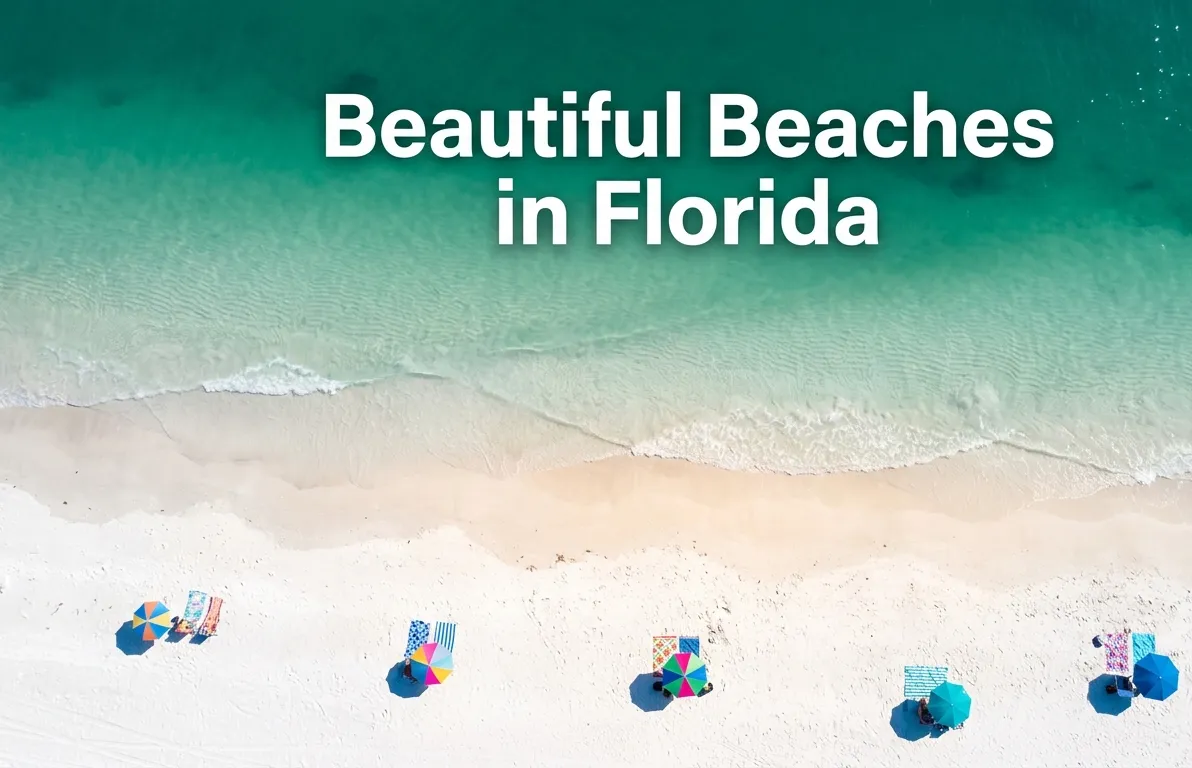
Florida beaches are wildly diverse, from powdery white quartz to compacted golden coquina. The water changes from emerald green in the Panhandle to deep Atlantic blue off the southeast coast.
The Panhandle beaches have sand so fine it squeaks underfoot. South Florida sand is coarser and darker, but the water is bathwater-warm year-round.
Wave action defines each coast more than sand color. The Gulf side is often lake-calm, while the Atlantic delivers real surf.
Crowd levels are not uniform across the state. A beach near a major city like Miami feels very different from a remote stretch in the Panhandle.
Knowing which coast matches your trip vision is the first critical decision. Choose the wrong side of the state and your beach day will disappoint.
Couples seeking calm, clear, shallow water should look to the Gulf Coast first. Surfers and those wanting a social scene belong on the Atlantic side.
Families will find more gentle-entry beaches on the Gulf side. The Atlantic side has more waves, more action, and more people.
Key Takeaway: The Florida beach experience splits sharply between calm Gulf waters and active Atlantic surf.
Siesta Key Beach Sarasota
Siesta Key Beach delivers sand that is 99 percent pure quartz crystal. It stays cool underfoot even on a 95-degree August afternoon.
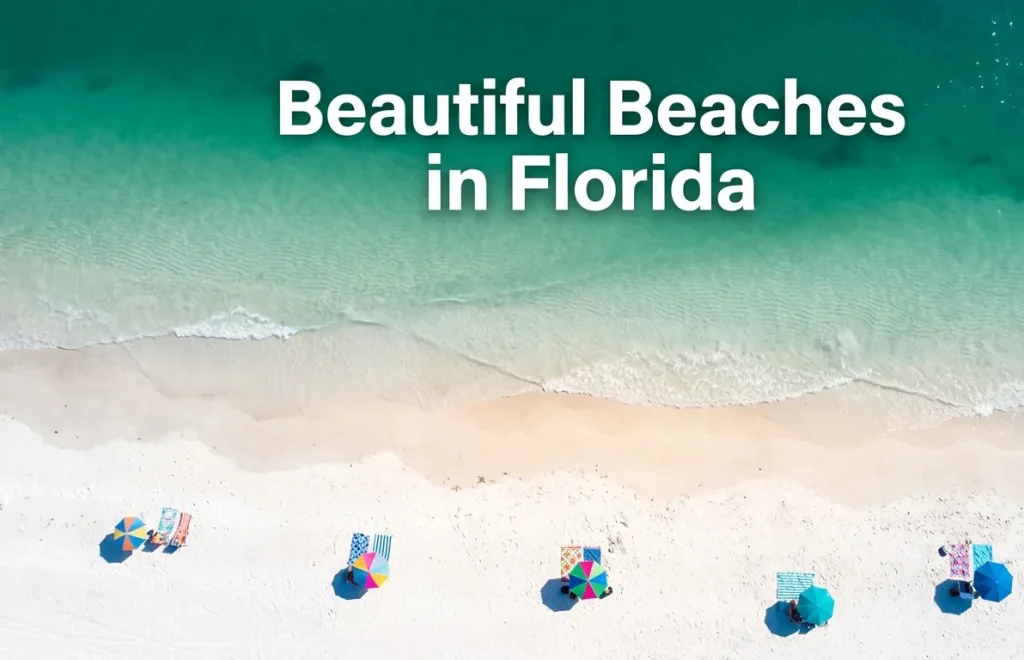
The sand is so fine and white it looks like powdered sugar. The water here in the Gulf of Mexico is typically calm, clear, and shallow for a long distance.
This beach is not a secret. It fills to capacity on weekends from March through October, so arrive by 9 a.m.
The public facility is excellent, with a large parking lot, a concession stand, and a playground. Parking costs roughly free to a few dollars per hour depending on the lot and season.
Families with young children will find this beach nearly perfect. The shallow, calm water and soft sand reduce stress dramatically.
Couples and honeymooners seeking solitude will find Siesta Key’s main beach too crowded. Walk north toward the less-developed crescent for more space and fewer people.
The sand’s reflective quality means the water appears a brilliant turquoise on sunny days. The actual water clarity is good but not Caribbean-level.
The village of Siesta Key has solid casual dining but limited luxury options. Most visitors drive from Sarasota for the day rather than staying beachfront.
Key Takeaway: Siesta Key has Florida’s best sand for families but gets crowded fast.
Destin and Miramar Beach Emerald Coast
Destin and Miramar Beach sit on a stretch of the Panhandle where the water glows an almost unnatural emerald green. The sand is Appalachian quartz, washed down over millennia to a blinding white fineness.
The water color here is genuinely distinct from the rest of Florida. It shifts from clear to emerald to deep blue depending on sunlight and depth.
Henderson Beach State Park in Destin offers a quieter, protected alternative to the condo-lined public accesses. Entry costs a few dollars per vehicle, and the parking lot fills by mid-morning in summer.
Miramar Beach has the highest concentration of beachfront resorts and vacation rentals in the Panhandle. Prices spike dramatically from Memorial Day through Labor Day.
Families will find endless rental options but also crushing summer traffic on Highway 98. The water is calm and shallow, ideal for young swimmers.
Couples and luxury seekers should look at the quieter end near Topsail Hill Preserve State Park. The high-rise condo density in central Destin can feel more Myrtle Beach than serene coast.
Red tide is an occasional, unpredictable disruptor on this coast. Check the Florida Fish and Wildlife Conservation Commission red tide map before booking a non-refundable trip.
Fall offers the best value here, with warm water, lower rates, and thinner crowds through October. The spring break month of March brings heavy college crowds to the central Destin area.
Key Takeaway: Destin’s water color is the best in Florida, but traffic and high-rise density surprise first-timers.
Clearwater Beach and Caladesi Island
Clearwater Beach wins awards for its sugar-fine sand and gentle Gulf waves. It is also one of the most consistently crowded beaches in the state.
The sand is wide, soft, and impeccably maintained. Pier 60 anchors the scene with a daily sunset festival that draws families and tourists by the hundreds.
Parking is expensive and scarce near the beach. A public garage and limited street spots fill completely by 10 a.m. on weekends from spring through fall.
Caladesi Island State Park, just south, is the anti-Clearwater. You reach it only by a 20-minute ferry or private boat, which limits the crowd to a blissful few hundred people per day.
The ferry from Honeymoon Island costs roughly 15 to 20 dollars per adult round trip in 2026. Once there, you get pristine, undeveloped beach with excellent shelling and zero high-rises.
Families who want a full-service beach scene with restaurants and activities will love Clearwater. Anyone seeking peace should take the Caladesi ferry immediately.
Clearwater’s water clarity is good but can get murky after heavy storms. Caladesi’s water stays clearer due to less human traffic and development.
The Clearwater Marine Aquarium, home of Winter the Dolphin’s legacy, sits nearby. It offers a rainy-day or break-from-sun activity for families.
Key Takeaway: Caladesi Island is the Florida beach experience Clearwater visitors actually want.
South Beach Miami
South Beach is not Florida’s most beautiful natural beach. It is Florida’s most culturally significant and visually iconic stretch of sand.
The sand is imported, coarse, and beige, not the fine quartz of the Gulf. The water is warm Atlantic blue, often with real waves and a steep drop-off close to shore.
This beach is a social runway as much as a swimming destination. Lummus Park runs parallel, with Art Deco buildings framing the backdrop in pastel and neon.
The scene between 5th and 15th streets is dense with locals, tourists, and bodybuilders at the outdoor gym. The crowd thins significantly as you walk north past 21st Street.
Parking is a notoriously expensive hassle. A city garage will run you 20 dollars or more for a beach afternoon, and street parking is a competitive sport.
Couples, solo travelers, and luxury seekers who want to see and be seen will find South Beach electrifying. Families with young children will find the crowd density, waves, and social atmosphere overwhelming.
Genuine luxury here means a day pass at a high-end hotel pool like The Setai or 1 Hotel South Beach. These passes can cost 100 to 250 dollars but include a serene, serviced environment away from the public sand.
The water is clean by urban beach standards, but it is not the clear gin of the Panhandle. Swim near the lifeguard stands and watch for rip current warnings.
Key Takeaway: South Beach is a social scene with sand, not a tranquil natural escape.
Bahia Honda State Park Florida Keys
Bahia Honda State Park in the Lower Keys offers the closest thing to a Caribbean beach within the continental United States. The sand is soft and white, the water is shallow and impossibly blue.
The beach faces the open Atlantic on one side and a calm lagoon on the other. The lagoon side is shallow, protected, and ideal for families with small children.
The old Bahia Honda Bridge looms dramatically over the water, creating a surreal backdrop. Snorkeling near the old bridge pilings reveals coral, tropical fish, and the occasional ray.
Entry costs a few dollars per vehicle, but the park caps attendance strictly. Arrive before 9 a.m. or expect to be turned away, especially on weekends and all of peak season from December through April.
Families will find the calm lagoon and excellent facilities the best in the Keys. Camping and cabin rentals book out a full 11 months in advance, so plan accordingly.
Couples and honeymooners should walk to the far end of the Sandspur Beach side for more privacy. The natural beauty here genuinely rivals many Caribbean beaches.
The drive from Miami takes roughly three hours without traffic. The Overseas Highway drive itself is part of the experience.
Snorkeling gear rentals and a concession stand are available inside the park. Bring reef-safe sunscreen, as the Keys ecosystem is fragile and legally protected.
Key Takeaway: Bahia Honda is Florida’s best Caribbean substitute, but you must arrive early.
Delray Beach and Boca Raton
Delray Beach and Boca Raton anchor a stretch of southeast Florida that combines wide, well-maintained sand with a walkable, upscale downtown scene. The sand is beige and moderately coarse, and the Atlantic water is a clean deep blue.
The beach in Delray is broad and backed by a pleasant sidewalk that runs the length of the shore. The downtown strip of Atlantic Avenue sits a short walk away, lined with restaurants and bars.
Boca Raton’s Red Reef Park and Spanish River Park offer quieter, more manicured alternatives. These parks charge a small per-vehicle entry fee and have limited parking.
The snorkeling at Red Reef Park is a rare south Florida treat right off the beach. The artificial reef sits in about 10 to 15 feet of water and attracts parrotfish, angelfish, and the occasional sea turtle.
Couples, luxury seekers, and active solo travelers will find Delray and Boca ideal. The combination of a good beach, excellent dining, and no need for a car once you arrive is rare in Florida.
Families can make this work, but the Atlantic waves and drop-offs require closer supervision than Gulf beaches. Budget travelers will find cheaper accommodations inland or further north.
Sea turtle nesting season runs from March through October on these beaches. Bright lights and flashlights on the sand at night are prohibited and strictly enforced.
Winter water temperatures drop into the low 70s. That is swimmable for most, but not the bathwater feel of summer.
Key Takeaway: Delray and Boca offer the best walkable beach-town lifestyle in Florida.
Grayton Beach State Park 30A
Grayton Beach State Park anchors the less-developed western end of Scenic Highway 30A. The sand is blinding white quartz, and the water glows the same emerald as Destin without the high-rise skyline.
The beach here is wide, uncrowded by design, and backed by rare coastal dune lakes. Western Lake, one of the largest dune lakes, sits inside the park and offers a surreal brackish water paddleboarding experience.
Park entry costs a few dollars per vehicle. The parking lot is small, so arrive before the gate opens in peak season or book a campsite or cabin months ahead.
The town of Grayton Beach is a funky, artsy holdout amid 30A’s increasingly polished aesthetic. The Red Bar, a local institution, serves solid food in a memorably eclectic space.
Couples and honeymooners will find the quiet, low-rise beauty here more romantic than any high-rise resort area. Families will love the calm water and the novelty of the dune lake.
Luxury seekers should look at private rentals in neighboring WaterColor or Seaside rather than Grayton’s older beach cottage stock. The beach itself is the luxury at Grayton.
This stretch of 30A escaped the high-rise development that defines Destin and Panama City Beach. The tradeoff is fewer budget accommodation options and higher rental prices.
Biking the 30A path to Seaside or Alys Beach makes for an excellent non-beach afternoon. Rentals are available everywhere along the route.
Key Takeaway: Grayton Beach is 30A’s most authentic and beautiful stretch of protected shoreline.
Fort De Soto Park St. Pete
Fort De Soto Park near St. Petersburg is a 1,136-acre county park with multiple distinct beaches, a historic fort, and a top-10-in-America dog beach. The sand is soft and white, the water is shallow and calm.
North Beach consistently ranks as the park’s best stretch, with a wide tidal pool area that creates a natural kiddie pool. This feature alone makes Fort De Soto the single best family beach in the Tampa Bay region.
The park charges a small per-vehicle entry fee. Kayak rentals, a snack bar, and excellent restroom facilities make a full day comfortable.
The dog beach at Paw Playground is a legitimately great beach, not a fenced afterthought. Dogs can run off-leash on the sand and into the shallow Gulf water.
Families with young children should prioritize the North Beach tidal pool zone. Couples seeking quiet can walk farther down the beach away from the main parking area.
The historic fort from the Spanish-American War era adds an educational layer to a beach day. Climbing the fort’s top gives panoramic views of the Gulf and Tampa Bay.
Weekend parking fills fast, so arrive by 9 a.m. or earlier from spring through fall. Weekdays offer a much more relaxed experience with the same facilities.
The 20-minute drive from downtown St. Petersburg makes this an easy day trip. Combine it with a dinner in the city’s thriving Central Avenue district.
Key Takeaway: Fort De Soto’s tidal pool makes it the best young-family beach in the region.
Sanibel and Captiva Islands Shelling Beaches
Sanibel Island and Captiva Island are global shelling destinations, with a unique east-west orientation that catches shells from the Gulf by the thousands. The sand is darker and coarser here, and the water is often less clear than the Panhandle.
Shelling is the primary activity, not swimming or sunbathing. The “Sanibel Stoop” posture of bent-over shellers is a genuine cultural phenomenon.
Bowman’s Beach is the most beautiful and remote public beach on Sanibel. It has a large parking lot, a short wooded walk to the sand, and excellent shelling at low tide.
Turner Beach at Blind Pass between Sanibel and Captiva is the most famous shelling spot. The current is dangerously strong for swimming, so keep children in sight and out of the water here.
Captiva’s beach is narrower and more intimate, with a romantic, Old Florida feel. The drive up Captiva Drive past multi-million-dollar beach cottages is a scenic experience.
Couples and shelling-obsessed travelers will adore Sanibel and Captiva. Families who prioritize calm, clear swimming water over shelling will find better options on the Panhandle.
Luxury seekers should look at South Seas Island Resort on Captiva or the Sanibel Harbour Marriott on the mainland side. Both are premium properties, though Hurricane Ian’s 2022 impact has reshaped the landscape.
Verify lodging and beach access conditions before booking in 2026, as the islands continue their long-term recovery. The shelling, however, remains world-class and unaffected.
Key Takeaway: Sanibel and Captiva are for serious shellers, not for those seeking clear swimming water.
Amelia Island and Fernandina Beach
Amelia Island delivers 13 miles of uncrowded, wide, hard-packed Atlantic sand. It feels like a low-country South Carolina barrier island, not a typical Florida beach town.
The sand is golden-beige and packed firm enough for cycling at low tide. The water is Atlantic blue-green with consistent small to medium waves.
Fort Clinch State Park at the island’s north end combines an 1847 brick fort with a rugged, driftwood-strewn beach. Entry costs a few dollars per vehicle, and the beach here feels wild and nearly private.
Main Beach Park in Fernandina Beach is the central hub with a playground, skate park, and mini-golf. The historic downtown of Fernandina Beach sits a mile away with excellent independent restaurants and zero chain-store feel.
Couples and honeymooners seeking a romantic, non-commercial beach escape will love Amelia Island. Families will appreciate the wide, firm sand, the fort exploration, and the family-friendly downtown.
Luxury seekers should target The Ritz-Carlton, Amelia Island for a full-service oceanfront resort experience. The property sits on a secluded stretch of dune-backed beach with all the expected Ritz-Carlton amenities.
Horses are permitted on certain beach sections, and guided horseback rides on the sand are a signature local experience. Book these well in advance for sunset slots.
The drive from Jacksonville International Airport takes about 35 minutes. Amelia is a feasible weekend trip from much of the Southeast.
Key Takeaway: Amelia Island is Florida’s best beach for a quiet, Southern, non-commercial escape.
The Honest Florida Beach Comparison Table
| Beach | Best For | Water Type | Sand Type | Crowd Level | Honest Limitation |
|---|---|---|---|---|---|
| Siesta Key | Families | Gulf calm/clear | Powder quartz | High | Crowds crush weekend serenity |
| Destin/Miramar | Water color | Emerald Gulf | White quartz | Very High | Traffic and high-rises |
| Clearwater/Caladesi | Caladesi escape | Gulf calm | Sugar white | Clearwater high, Caladesi low | Clearwater parking nightmare |
| South Beach | Social scene | Atlantic waves | Coarse beige | Extreme | Scene, not tranquility |
| Bahia Honda | Caribbean feel | Lagoon+ocean | Soft white | High, capped | Long drive, entry limits |
| Delray/Boca | Walkable town | Atlantic clean | Beige med-coarse | Moderate | Winter water cooler |
| Grayton Beach | Natural beauty | Emerald Gulf | Powder white | Low | Few budget stays |
| Fort De Soto | Young families | Gulf shallow | Soft white | Moderate on weekends | 20 min from city |
| Sanibel/Captiva | Shelling | Gulf, variable | Dark coarse | Moderate | Water often murky |
| Amelia Island | Quiet escape | Atlantic blue-green | Golden packed | Low | Remote from S. FL |
Best Florida Beaches to Visit for Families
Fort De Soto Park is the single best beach in Florida for families with toddlers and young children. The North Beach tidal pool creates a natural, shallow, wave-free wading zone.
Siesta Key Beach runs a close second with its soft, cool quartz sand and gentle Gulf entry. The playground and ample facilities make logistics easier.
Clearwater Beach offers the most complete family infrastructure, with Pier 60, nearby aquariums, and endless casual dining. The parking and crowd situation, however, requires early arrival and patience.
Maiori Beach logic applies here: accessible, sandy, gentle, and well-serviced beats remote and dramatic every time for young kids. Skip the Keys for toddlers; the rocky entries and boat-focused lifestyle are better for older children.
For families with teenagers who want waves and a scene, Delray Beach and Cocoa Beach deliver surfable waves and walkable town centers. Rent a board, let them crash in the shore break, and walk to dinner.
Sanibel Island works well for families with school-age children who can appreciate the shelling hunt. The lack of clear water and gentle surf makes it less ideal for the preschool set.
Pack water shoes regardless of beach. Florida sand gets scorching, and shells and rocks lurk even on the nicest beaches.
Reef-safe sunscreen is now legally required or strongly mandated in many Florida coastal areas, particularly the Keys. Bring it from home; the markup at beachside shops is steep.
Key Takeaway: Fort De Soto’s tidal pool and Siesta Key’s sand win for families.
Best Florida Beaches for Couples and Romance
Little Palm Island in the Lower Keys is the ultimate romantic Florida beach experience. It is a private island resort reachable only by seaplane or boat, with no televisions and no guests under 18.
The beach here is a small, soft-sand crescent surrounded by turquoise water. The bungalows are thatched, the vibe is barefoot luxury, and the price is genuinely ultra-premium, running well over 1,000 dollars per night.
For a drivable romantic escape, Amelia Island delivers Southern charm, uncrowded sand, and the Ritz-Carlton’s adults-only pool area. The historic downtown of Fernandina Beach offers dinner-and-a-walk date nights without any South Beach chaos.
Grayton Beach and the 30A corridor offer a different brand of romance: biking to Seaside, sunset bonfires on the sand, and low-rise beach house rentals. Book a private dune-facing cottage for the best experience.
Captiva Island at sunset is one of Florida’s most reliable romantic vistas. The shelling by day and the sunset by night creates a simple, repeatable, deeply satisfying couple’s rhythm.
South Beach is romantic only if your relationship thrives on high-energy social energy. For most couples seeking connection, the quieter Gulf and northern Atlantic beaches deliver more intimacy.
A sunset sail from Key West or Destin is a romantic splurge worth booking. Private charters run 400 to 800 dollars for a two-hour sail but create a core honeymoon memory.
Honeymooners should ask about romance packages at any Ritz-Carlton, Eau Palm Beach, or Little Palm Island. These often include Champagne, private dinners, and spa credits that justify the resort premium.
Key Takeaway: Little Palm Island is the ultimate; Amelia and 30A deliver romance drivable.
Safety and Seasonal Warnings for Florida Beaches
Florida beaches present specific seasonal risks that no glossy tourism brochure will emphasize. Ignoring them can ruin a trip or, in rare cases, be deadly.
Key safety and seasonal facts every visitor should know:
- Hurricane season runs June 1 through November 30, with peak activity from mid-August through October. Book refundable accommodations and buy travel insurance if traveling during this window.
- Rip currents kill more people on Florida beaches than hurricanes. If caught, swim parallel to shore, never directly against the current. Obey flag warning systems: double red means water is closed, full stop.
- Red tide (Karenia brevis) is an algal bloom that causes respiratory irritation and fish kills, primarily on the Gulf Coast. Check the Florida Fish and Wildlife Conservation Commission red tide map before booking.
- Lightning is Florida’s other deadly beach hazard. Afternoon thunderstorms in summer are daily occurrences. When thunder roars, leave the sand immediately and shelter in a hard-topped vehicle.
- Jellyfish and Portuguese man o’ war drift onto both coasts, particularly in spring and when winds push onshore. Their stings are painful; vinegar or hot water rinse helps. Know where the lifeguard station is.
- Heat and sun exposure in July and August are extreme. The UV index hits 11+ daily. Reapply reef-safe sunscreen every 90 minutes, and seek shade between 11 a.m. and 3 p.m.
The Florida Beach Warning Flag system is standardized and should be learned before your trip. Purple flags indicate dangerous marine life; check with lifeguards for specifics.
What Tourists Get Wrong About Florida Beaches
Tourists assume the most famous beach is the best beach for them. South Beach, Daytona, and Clearwater are iconic, but they are also the most crowded and least relaxing.
Visitors think Florida is a year-round beach destination. North Florida beaches are legitimately cold from December through February, and even South Florida sees cooler water days.
People underestimate the distance between coasts. Driving from Miami to Destin takes longer than driving from Miami to Atlanta, yet visitors treat “Florida beaches” as one compact region.
Many tourists are shocked to learn that beach access is not always free. Parking fees, state park entry, and even some municipal access points now charge 5 to 20 dollars per vehicle.
Red tide and seaweed blooms are invisible on booking sites. No resort website mentions them, yet a bloom can make a beach unusable for days.
Sand quality varies dramatically. Booking a South Florida hotel and expecting Siesta Key powder sand leads to genuine disappointment on arrival.
The Atlantic side has waves that can knock a toddler over. The Gulf side can feel like a bathtub with no surf action at all.
Your beach choice must match your actual activity and profile needs. The right Florida beach for a family of five is not the right beach for a honeymoon couple.
Key Takeaway: Match your beach to your actual trip type, not to the most famous name.
Frequently Asked Questions About Florida Beaches
What is the most beautiful beach in Florida?
Siesta Key Beach has the most objectively beautiful sand, made of 99 percent pure white quartz that stays cool in summer heat.
Bahia Honda State Park offers the most beautiful water color, a Caribbean turquoise in a calm lagoon setting.
Grayton Beach State Park delivers the most beautiful natural beachscape with emerald water and zero high-rises.
Which Florida beach has the clearest water?
Destin and the Emerald Coast have the clearest water on the Gulf side, with visibility often exceeding 50 feet on calm days.
Bahia Honda and the Lower Keys offer the clearest water on the Atlantic side.
Caladesi Island and St. George Island are the best bets for clear water without the crowds of Destin.
What is the best family beach in Florida?
Fort De Soto Park near St. Petersburg is the best family beach for young children due to its natural tidal pool and calm shallow water.
Siesta Key Beach is the best family beach for soft sand and gentle Gulf waves with excellent facilities.
Clearwater Beach is the best family beach for those wanting a full-service scene with restaurants and activities steps from the sand.
Are Florida beaches free?
Some beaches are free, but parking is almost never free at major beaches.
State parks like Bahia Honda and Grayton Beach charge a small per-vehicle entry fee, typically 4 to 8 dollars.
Municipal lots at Clearwater and South Beach can cost 15 to 25 dollars for a beach day.
When is red tide season in Florida?
Red tide can occur any time but is most common from late summer through fall on the Gulf Coast.
Check the Florida Fish and Wildlife Conservation Commission red tide map before booking a Gulf beach trip.
Red tide is rare on the Atlantic side, though other algae blooms can occasionally appear.
What months can you swim in Florida?
You can swim year-round in South Florida, where winter water temperatures hover around 70 to 74 degrees Fahrenheit.
North Florida and the Panhandle are swimmable from roughly April through October.
Winter swimming in North Florida requires a wetsuit for all but the hardiest swimmers.
Florida’s beaches deliver almost any beach experience you can imagine, but only if you choose the right coast and the right beach for your specific trip. Match your profile to the recommendations in this guide. Book your state park entries early, your luxury resort well in advance, and your travel insurance during hurricane season. Beach conditions, red tide status, and parking fees all change with seasons and storms. Verify the current conditions with the specific park or municipality before you lock in your 2026 trip.