Best Beaches Near NYC 2026: Day Trips and Transit Guide
New York City is surrounded by beaches. Most New Yorkers never visit half of them.
The right beach for you depends entirely on whether you have a car. The car-free and car-required beach experiences are fundamentally different.
According to New York State Parks, Jones Beach alone welcomes over six million visitors annually. Most of them arrive on summer Saturdays between 10:00 AM and noon.
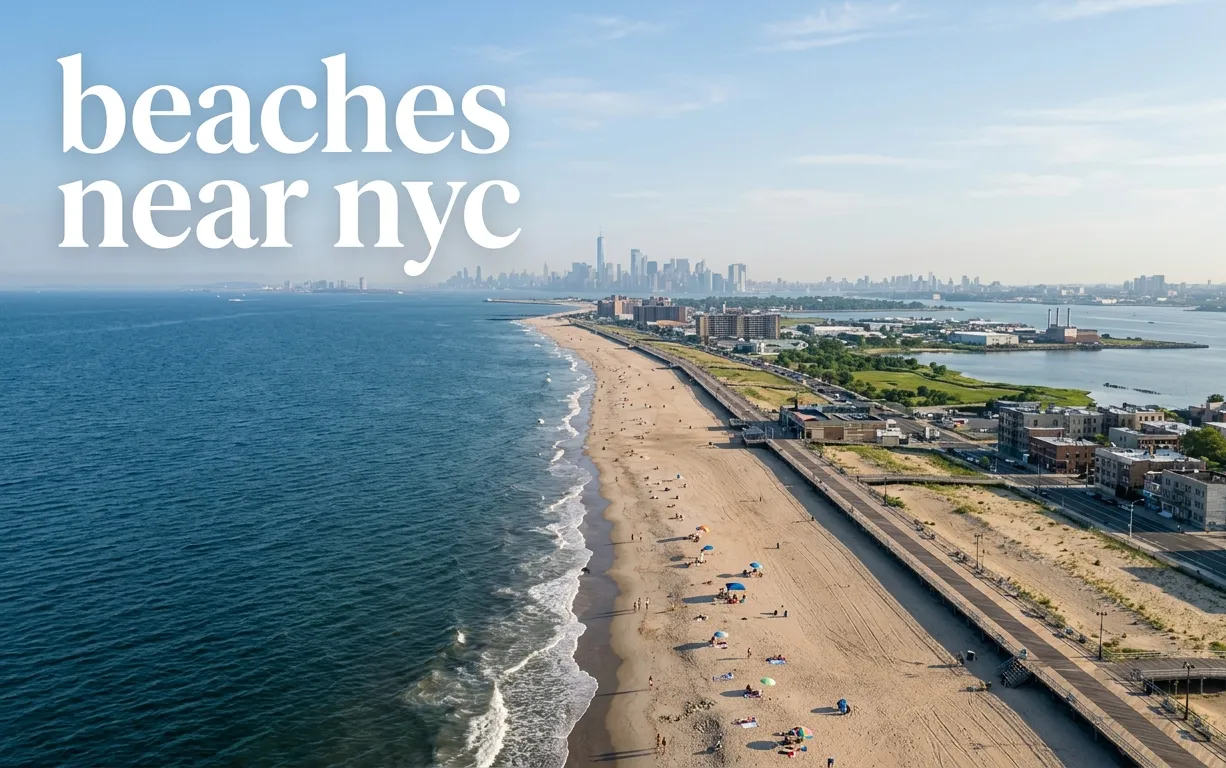
This guide ranks 15 beaches near NYC by transit access, crowd level, and traveler profile. It covers water quality reality, weekend traffic honesty, and exactly which beaches to skip for your situation.
Beaches Near NYC Overview
NYC-area beaches split into four access categories. Subway beaches sit within city limits. LIRR beaches stretch across Long Island.
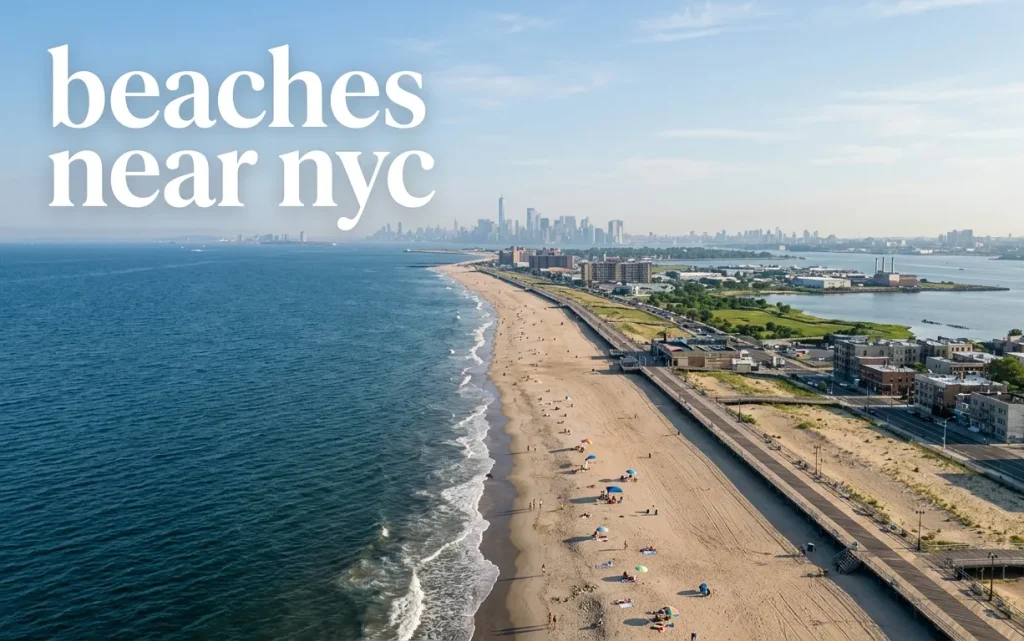
NJ Transit beaches line the Jersey Shore. Drive-only beaches require a car and reward the effort.
Each category suits a different New Yorker. The car-free beaches deliver convenience. The drive-distance beaches deliver space.
All share cold Atlantic water. Peak summer ocean temperatures max out around 70 to 74 degrees Fahrenheit. Set expectations accordingly.
| Beach Type | Best For | Transit Time from Midtown | Cost | Weekend Crowd Level |
|---|---|---|---|---|
| Subway Beaches (Rockaway, Coney Island) | Car-free day trips, social scene | 45-75 minutes | $2.90 MetroCard swipe | Very high |
| LIRR Beaches (Long Beach, Jones Beach) | Families, surfers, Long Islanders | 50-90 minutes plus bus or walk | $10-$25 train + $10 beach pass | High to very high |
| NJ Transit Beaches (Sandy Hook, Asbury Park) | Nature lovers, music fans, car-free | 60-90 minutes plus ferry or bus | $16-$20 train + $10-$20 beach or ferry | Moderate to high |
| Drive-Only Beaches (Hamptons, Montauk, Fire Island) | Weekend escapes, quiet seekers | 2-3 hours driving | $30-$60 gas and parking | Moderate (spread across large areas) |
Key Takeaway: Rockaway Beach is the best car-free beach near NYC. Jones Beach is the best family beach reachable by transit.
Rockaway Beach NYC Guide
Rockaway Beach is the best beach near NYC accessible by subway. The A train delivers you to sand for a single $2.90 MetroCard swipe.
The beach stretches for miles along the Rockaway Peninsula in Queens. The sand is tan, medium-grain, and well-maintained by the city.
The water is cold Atlantic Ocean. It reaches swimmable temperatures, roughly 68 to 72 degrees Fahrenheit, from late June through early September.
The surf break here is consistent and accessible. Rockaway is New York City’s best beginner-to-intermediate surf beach.
The social scene defines Rockaway as much as the sand. The boardwalk concessions at 86th, 97th, and 106th Streets serve food, drink, and music.
Families should target the beaches between 67th and 86th Streets. These sections are calmer and closer to facilities.
Couples and young adults will find the 96th to 106th Street zone more engaging. The concessions and social energy concentrate here.
Weekend crowds are intense by noon. Arrive before 10:00 AM or expect to sit on a towel surrounded by other towels.
NYC Ferry offers a seasonal Rockaway route from Wall Street and Sunset Park. It costs more than the subway but delivers harbor views and a bar on board.
Insider Tip: Walk 20 minutes east from the 116th Street end of the boardwalk. The beach continues as Fort Tilden Beach, a former military base with no concessions, no lifeguards, and dramatically fewer people.
Coney Island and Brighton Beach Brooklyn
Coney Island Beach is the most iconic beach near NYC. It is also the most crowded, most chaotic, and most entertaining.
The beach itself is clean, wide, and functional. The sand is finer and lighter than Rockaway. The water is the same cold Atlantic.
The boardwalk defines the Coney Island experience. Luna Park amusement rides, Nathan’s Famous hot dogs, and the New York Aquarium sit directly adjacent.
Brighton Beach runs immediately east of Coney Island. The atmosphere shifts from amusement park energy to Russian-speaking neighborhood beach culture.
The boardwalk restaurants at Brighton serve authentic Eastern European food. The people-watching rivals any beach on the Eastern Seaboard.
Families with young children will find Coney Island’s combination of beach, rides, and aquarium provides full-day entertainment without a car.
Solo travelers and couples seeking a cultural beach experience should walk the Brighton Beach boardwalk. The atmosphere is unlike any other NYC beach.
Weekends bring maximum crowds to both beaches. The sand fills completely by early afternoon. The boardwalk stays crowded into the evening.
The D, F, N, and Q trains serve Coney Island. The B and Q trains serve Brighton Beach. Verify weekend service changes on the MTA website before traveling.
Insider Tip: The boardwalk at Brighton Beach offers genuinely excellent Georgian and Uzbek food. Skip the beachfront pizza and eat khachapuri instead.
Key Takeaway: Coney Island and Brighton Beach offer the most culturally distinct beach experience near NYC. The sand is secondary to the spectacle.
Long Beach New York
Long Beach on Long Island’s south shore offers the closest LIRR-accessible ocean beach to Manhattan. The train ride takes about 50 minutes from Penn Station.
The beach runs for 3.5 miles along a barrier island. The sand is white, soft, and significantly nicer than Rockaway or Coney Island.
The water is the same Atlantic Ocean but feels cleaner. The distance from New York Harbor improves water clarity.
Long Beach requires a beach pass for access. Non-resident day passes typically cost $10 to $15 per person. Verify the 2026 daily pass fee before traveling.
The boardwalk here is wide, recently rebuilt, and ideal for walking. The restaurants and bars near the LIRR station serve a post-beach crowd.
Surfers will find Long Beach a consistent, accessible break. The wave here is forgiving for beginners but offers enough shape for intermediates.
Families should target the central beaches near Edwards Boulevard for bathroom and concession proximity.
Couples and adult friend groups will find the west end near the Allegria Hotel more social. The beach bars and restaurant scene skews adult.
Weekend LIRR trains to Long Beach fill completely on summer mornings. The return trains in the evening are standing-room-only.
Insider Tip: Buy the beach pass online before boarding the train. The on-site lines on summer Saturdays can exceed 20 minutes.
Jones Beach State Park
Jones Beach State Park is the most famous beach near NYC. The six-mile barrier island beach serves as New York City’s de facto public ocean.
The sand is clean, well-maintained, and pale beige. The beach is wide enough to absorb massive crowds without feeling as claustrophobic as Rockaway.
The Art Deco bathhouses and the Jones Beach Boardwalk create a sense of event that smaller beaches lack. The Nikon at Jones Beach Theater adds concert programming.
Parking fills completely by 9:30 AM on summer Saturdays. The parking fee typically runs $8 to $10 per vehicle. The Empire Pass offers unlimited state park entry for a flat annual fee.
Access without a car is possible but requires commitment. The LIRR to Freeport or Wantagh plus a connecting bus takes roughly 90 minutes total.
Families will find Jones Beach the best all-around beach day near NYC. The facilities, space, and family-oriented atmosphere are unmatched.
Couples seeking a quieter Jones Beach experience should head to Field 6 or the West End. The central fields near the boardwalk absorb the largest crowds.
The Jones Beach Boardwalk Cafe and the new food concession areas have improved the dining situation significantly from the hot-dogs-only era.
Insider Tip: Jones Beach implements a timed entry reservation system on peak summer weekends. Reserve your parking time slot online before driving. Drive-ups without reservations are turned away when capacity fills.
Robert Moses State Park Beach
Robert Moses State Park sits at the western tip of Fire Island. It offers the same barrier island beach experience as Jones Beach with smaller crowds.
The sand here is whiter and finer than Jones Beach. The beach feels more natural, less engineered.
The Fire Island Lighthouse stands at the eastern edge of the park. The climb rewards with panoramic views of the barrier island chain.
Parking is more limited than Jones Beach. The Field 2 and Field 5 lots fill early on summer weekends. Arrival by 8:30 AM is recommended.
Access without a car is challenging. The LIRR to Babylon plus a Suffolk County Transit bus takes two-plus hours. This is a car-recommended beach.
Families who find Jones Beach overwhelming will appreciate Robert Moses. The smaller scale, shorter boardwalk, and reduced commercial activity create a calmer atmosphere.
Couples and solo travelers should walk east past the Field 2 lifeguard zone. The beach continues toward the lighthouse with dramatically fewer people.
Surfers will find the west side of the park near Democrat Point delivers a reliable, less-crowded break than Rockaway or Long Beach.
Insider Tip: The walk from Field 5 east toward the lighthouse offers the most scenic stretch of publicly accessible barrier island beach within two hours of NYC.
Key Takeaway: Robert Moses delivers a superior beach experience to Jones Beach for travelers who prioritize sand quality and crowd reduction over facilities.
Fire Island Beaches Guide
Fire Island is the most unique beach destination near NYC. The 32-mile barrier island has no cars, no roads beyond service paths, and no bridges from the mainland.
Access requires a ferry from Sayville, Bay Shore, or Patchogue. The LIRR connects to each ferry terminal from Penn Station.
Ocean Beach is the most accessible Fire Island community. The ferry lands directly in town. The beach is a 10-minute walk.
Kismet and Fair Harbor offer closer, quieter alternatives. The ferry rides are shorter. The beaches are less crowded.
Fire Island’s beaches are wide, clean, and backed by dunes rather than boardwalks. The sense of removal from mainland life is genuine.
The Fire Island National Seashore protects undeveloped sections of the island. These beaches offer the most secluded sand within three hours of NYC.
Families should target Ocean Beach for facilities and restaurants. The car-free streets let children walk and bike safely.
Couples and solo travelers seeking quiet should head to the national seashore sections or smaller communities like Sailors Haven.
The ferry schedules dictate the entire Fire Island experience. Miss the last ferry, and you are sleeping on the beach. Verify the 2026 ferry schedules carefully before departing.
Insider Tip: The communities west of Ocean Beach (Kismet, Fair Harbor) have shorter ferry rides and smaller crowds. They offer the best ratio of travel time to beach quality on Fire Island.
Sandy Hook Beach NJ from NYC
Sandy Hook Beach within Gateway National Recreation Area offers the best nature-focused beach accessible from NYC without a car.
The seven-mile barrier spit features multiple distinct beaches. North Beach is the quietest. Gunnison Beach is clothing-optional. The bayside beaches offer calm water.
The sand is coarser and darker than Long Island beaches. The water is colder, influenced by deeper ocean proximity.
Access from NYC without a car requires the Seastreak Ferry from Wall Street or East 35th Street. The ferry ride takes roughly 40 to 50 minutes.
The ferry fare runs $45 to $55 round trip. A shuttle bus connects the ferry dock to the beaches. Verify the 2026 ferry schedule and pricing before booking.
Sandy Hook parking lots fill by 10:00 AM on summer weekends. The park entrance fee is $20 per vehicle. The ferry bypasses this problem entirely.
Families should target the bayside beaches for calm, shallow water. The ocean-side beaches have stronger surf and rip currents.
Couples and nature seekers will find North Beach and the Fisherman’s Trail sections genuinely peaceful even on summer weekends.
Insider Tip: The Seastreak ferry to Sandy Hook includes the beach shuttle and park entry. The total cost compares favorably to driving plus parking plus park entry when factoring in gas and tolls.
Asbury Park Beach from NYC
Asbury Park Beach delivers the best music, food, and culture beach experience accessible from NYC by train.
NJ Transit North Jersey Coast Line runs from Penn Station to Asbury Park in roughly 90 minutes. The train station is a 10-minute walk from the beach.
The beach itself is clean, wide, and well-maintained. Daily beach badges are required in season, typically $9 to $12 per person. Verify the 2026 badge fee.
The Asbury Park Boardwalk and Convention Hall frame a beach experience built as much for dining, music, and shopping as for swimming.
The Stone Pony, Asbury Lanes, and the House of Independents host live music year-round. The summer schedule is packed with weekend shows.
Couples and adult friend groups will find Asbury Park the most engaging beach town day trip from NYC. The combination of sand and culture is unmatched.
Families with young children should visit on weekdays. The weekend boardwalk energy skews adult and can feel intense for toddlers.
The restaurant scene on Cookman Avenue and the boardwalk rivals many NYC neighborhoods. The food alone justifies the train ride.
Insider Tip: Book a late-afternoon return train and stay for dinner and a show. Asbury Park after dark is better than Asbury Park at noon.
Key Takeaway: Asbury Park offers the best overall beach day trip from NYC for adults who want more than just sand and water.
Hamptons Beaches Guide
The Hamptons beaches are the best beaches near NYC for travelers with a car and a willingness to pay for access. They are also the most frustrating for travelers without both.
Cooper’s Beach in Southampton consistently ranks among America’s top beaches. The sand is white, soft, and meticulously maintained.
East Hampton Main Beach offers equally beautiful sand with slightly more space. The beach is wide, clean, and backed by dunes.
Non-resident parking permits at Southampton and East Hampton beaches can cost $50 or more per day on peak weekends. The price is an intentional access barrier.
The Hampton Jitney and LIRR to Southampton or East Hampton offer car-free access. The train station is a significant walk from most beaches. Budget for a taxi or rideshare from the station.
The beaches north of Montauk Highway, like Gibson Beach and Flying Point Beach, offer quieter sand. Access paths are poorly marked. Local knowledge helps.
Couples and luxury seekers will find the Hamptons beaches worth the cost and effort. The sand quality, maintenance, and atmosphere are genuinely superior.
Families should target Main Beach in East Hampton for the best combination of facilities, space, and sand quality.
Budget travelers will find the Hamptons beach access system hostile by design. These beaches are built for local taxpayers and premium-paying visitors.
Insider Tip: The North Fork beaches, including Orient Beach State Park, offer a quieter, more accessible alternative to the Hamptons. The Long Island Sound water is calmer and warmer.
Best Surfing Beaches Near NYC
Surfing near NYC concentrates on the south shore of Long Island and the Rockaway peninsula. The Atlantic swell provides consistent, surfable waves year-round.
Rockaway Beach between 67th and 90th Streets is the best beginner surf beach near NYC. The wave is forgiving and the surf community is welcoming.
Long Beach offers multiple breaks along its length. The Lincoln Boulevard and Grand Boulevard breaks reward intermediate surfers.
Ditch Plains Beach in Montauk is the best surf beach near NYC overall. The wave is the most consistent and highest-quality in the region.
Montauk surf culture is genuine. The break at Ditch Plains has shaped East Coast surfing since the 1960s.
Winter surfing requires a 5/4mm wetsuit, booties, gloves, and hood. Water temperatures drop into the low 40s Fahrenheit from December through March.
Board rental and lessons are available at Station Surf and Boarders in Rockaway, Unsound Surf in Long Beach, and Air and Speed in Montauk.
- Best beginner surf beach: Rockaway Beach (67th-90th Streets)
- Best intermediate surf beach: Long Beach (Lincoln Blvd)
- Best advanced surf beach: Ditch Plains, Montauk
- Best winter surf beach: Long Beach (consistent swell, manageable access)
Best Family Beaches Near NYC
Families near NYC need beaches with gentle surf, bathroom access, and manageable logistics. Several beaches deliver all three.
Jones Beach State Park is the best family beach near NYC. The wide sand, gentle surf, and extensive facilities serve families perfectly.
Robert Moses State Park offers a quieter family beach experience. The smaller scale and reduced commercial activity suit families seeking calm.
Coney Island Beach wins for family entertainment variety. The amusement park, aquarium, and boardwalk activities fill a full day.
Orchard Beach in the Bronx offers a unique family option. The Long Island Sound water is calmer and warmer than the Atlantic. The crescent-shaped beach has a promenade and playgrounds.
Long Beach suits families with older children. The boardwalk, nearby restaurants, and easy LIRR access create a manageable day trip.
- Best overall family beach: Jones Beach State Park
- Best car-free family beach: Coney Island Beach
- Best quiet family beach: Robert Moses State Park
- Best calm-water family beach: Orchard Beach, Bronx
- Best family beach with transit: Long Beach (LIRR direct)
Avoid Rockaway Beach with very young children on summer Saturdays. The crowd density and limited shade create a challenging environment for toddlers.
Best Quiet Beaches Near NYC
Quiet beaches near NYC require either timing, transport, or tolerance for reduced facilities. They exist, but they are not the famous ones.
Fort Tilden Beach near Rockaway delivers the quietest sand within city limits. Walk 20 minutes east from the end of the Rockaway boardwalk. No concessions. No lifeguards. Few people.
Sandy Hook Beach (North Beach section) offers reliable quiet even on summer weekends. The national park setting and distance from parking concentrate crowds closer to the entrance.
Fire Island National Seashore sections between communities offer completely undeveloped beach. Walk 15 minutes from any Fire Island town to find solitude.
Robert Moses State Park (east of Field 2 toward the lighthouse) delivers quiet sand without the Fire Island ferry logistics.
Weekdays in June and September are the quietest beach days near NYC. The same beaches that are packed on a July Saturday feel completely different.
Couples and solo travelers seeking peace should target Fort Tilden or Sandy Hook North Beach. These beaches reward the extra effort with genuine solitude.
Insider Tip: Any beach within two hours of NYC is quiet before 9:00 AM. The early-morning window delivers soft light, clean sand, and near-total solitude even at Jones Beach.
Key Takeaway: Fort Tilden and Sandy Hook North Beach deliver the most reliable quiet sand near NYC. The access effort filters the crowd.
How to Get to Beaches Near NYC Without a Car
Getting to NYC-area beaches without a car is easier than most New Yorkers believe. The transit system serves multiple quality beaches directly.
Rockaway Beach and Coney Island Beach are accessible by MTA subway. The A train to Far Rockaway and the D, F, N, or Q to Coney Island cost $2.90 each way.
Long Beach is accessible by LIRR from Penn Station. The 50-minute ride costs roughly $10 to $15 off-peak. The beach is a 10-minute walk from the station.
Jones Beach requires LIRR to Freeport or Wantagh plus the N88 bus. Total travel time is roughly 90 minutes. The N88 bus operates seasonally. Verify the 2026 N88 schedule before traveling.
Sandy Hook is accessible by Seastreak Ferry from Manhattan. The 40-50 minute ferry ride costs $45 to $55 round trip. The shuttle bus connects the dock to all beaches.
Asbury Park is accessible by NJ Transit from Penn Station. The 90-minute ride costs roughly $16 to $20 each way. The beach is a 10-minute walk from the station.
Fire Island requires LIRR to Sayville, Bay Shore, or Patchogue plus a connecting ferry. Total travel time is 90 to 120 minutes. The combined fare runs $30 to $45.
- Cheapest car-free beach: Rockaway Beach (one subway swipe)
- Best transit beach overall: Long Beach (easy LIRR, good beach)
- Best car-free nature beach: Sandy Hook (Seastreak ferry)
- Best car-free culture beach: Asbury Park (NJ Transit + walk)
NYC Beach Water Quality and Seasonal Guide
NYC beach water quality is monitored by the NYC Department of Health and Mental Hygiene during the official beach season from Memorial Day weekend through early September.
Water quality at NYC beaches is generally safe for swimming during dry weather. The monitoring program samples water weekly at all public beaches.
Heavy rainfall triggers swimming advisories. Combined sewer overflow events discharge untreated wastewater into near-shore water. The advisory typically lasts 24 to 48 hours after rain.
The New York State Department of Environmental Conservation monitors Long Island beaches. Water quality advisories are posted on the NYS DEC website and at beach entrances.
The official NYC beach season runs from the Saturday of Memorial Day weekend through the Sunday after Labor Day. Lifeguards are on duty from 10:00 AM to 6:00 PM during the season.
Swimming outside guarded hours is prohibited at most beaches. The rule is enforced. Ignoring it risks fines and genuinely dangerous water conditions.
Rip currents are the primary water safety risk at all Atlantic beaches. Swim parallel to shore if caught. Do not fight the current directly.
Jellyfish presence increases in late July and August as water warms. Stinging sea nettles are the most common species near NYC.
Check the NYC Department of Health beach advisory page or the NYS DEC beach monitoring page before departing for any beach after recent rainfall.
| Month | Water Temp | Crowds | Facilities | Verdict |
|---|---|---|---|---|
| May | 50-58°F | Low | Limited pre-season | Cold water, good for walking |
| June | 58-68°F | Moderate, peaks late | Full after mid-month | Best month overall |
| July | 68-74°F | Maximum | Full | Peak crowds, warmest water |
| August | 70-74°F | High, drops late | Full | Warmest water, late August improves |
| September | 65-70°F | Low after Labor Day | Reduced | Best quiet month |
| October | 58-65°F | Very low | Minimal | Surfing and walking only |
Frequently Asked Questions About Beaches Near NYC
What is the best beach near NYC accessible by subway?
Rockaway Beach in Queens is the best beach near NYC accessible by subway on the A train.
Coney Island Beach and Brighton Beach in Brooklyn are also subway-accessible on multiple lines.
All three beaches cost a single $2.90 MetroCard swipe each way.
How do I get to Jones Beach from NYC without a car?
Take the LIRR from Penn Station to Freeport, then transfer to the N88 bus directly to Jones Beach.
The combined travel time is roughly 90 minutes, and the N88 bus operates seasonally during summer months.
Verify the 2026 N88 schedule before traveling, as service dates change annually.
What is the best beach near NYC for families?
Jones Beach State Park is the best beach near NYC for families with its wide sand, gentle surf, and extensive facilities.
Robert Moses State Park offers a quieter family beach experience with better sand quality and smaller crowds.
Coney Island Beach wins for family entertainment variety with its amusement park, aquarium, and boardwalk.
Can you swim at NYC beaches?
Yes, swimming is permitted at NYC beaches during the official beach season from Memorial Day weekend through Labor Day.
Lifeguards are on duty from 10:00 AM to 6:00 PM during the season, and swimming outside guarded hours is prohibited.
Check the NYC Department of Health beach advisory page before swimming, especially after heavy rainfall.
What is the least crowded beach near NYC?
Fort Tilden Beach near Rockaway is the least crowded beach near NYC, accessible by walking 20 minutes east from the Rockaway boardwalk.
Sandy Hook North Beach in New Jersey offers reliable quiet even on summer weekends with ferry access from Manhattan.
Fire Island National Seashore sections between communities deliver completely undeveloped, uncrowded sand.
How much does it cost to go to the beach near NYC?
Rockaway Beach and Coney Island are free beyond the $2.90 subway fare each way.
Long Beach and state park beaches charge daily access fees ranging from $8 to $15 per person or vehicle.
Hamptons beaches can cost $50 or more per day for non-resident parking on peak summer weekends.
Rockaway Beach and Long Beach deliver the best car-free sand near NYC. Jones Beach serves families better than any other option within two hours.
Choose your beach based on your transit situation and your tolerance for crowds. The wrong beach choice on a summer Saturday turns a day trip into a frustration exercise.
Beach access fees, transit schedules, timed entry reservation systems, and water quality advisories all change seasonally and annually. Verify current conditions, entry requirements, and transit schedules before departing for any NYC-area beach in 2026.
Leave before 8:00 AM on summer weekends, and your beach day feels entirely different. Show up at noon, and you get the beach you deserve. The early New Yorker gets the good parking spot and the quiet sand.