Best Puerto Rico Beaches to Visit in 2026: Honest Guide
Puerto Rico beaches range from world-ranked offshore island shores to urban stretches within walking distance of San Juan hotels. Knowing which to choose, and which to skip, is what separates a genuinely great trip from a frustrating one.
The island stretches roughly 100 miles east to west. Its beach character varies dramatically by coast, island proximity, and season.
This guide covers the specific beaches worth your time in 2026: where they are, what the water actually looks like, who each beach genuinely suits, and what logistics you need to sort before you leave home.
Puerto Rico Beaches Overview: What the Island Actually Delivers
Puerto Rico beaches fall into four distinct categories, and each category delivers a different experience.
The main island’s Atlantic-facing north and east coasts offer more wave energy and a livelier atmosphere. The Caribbean-facing west and southwest coasts deliver calmer, clearer water more comparable to what travelers associate with the British Virgin Islands or St. John.
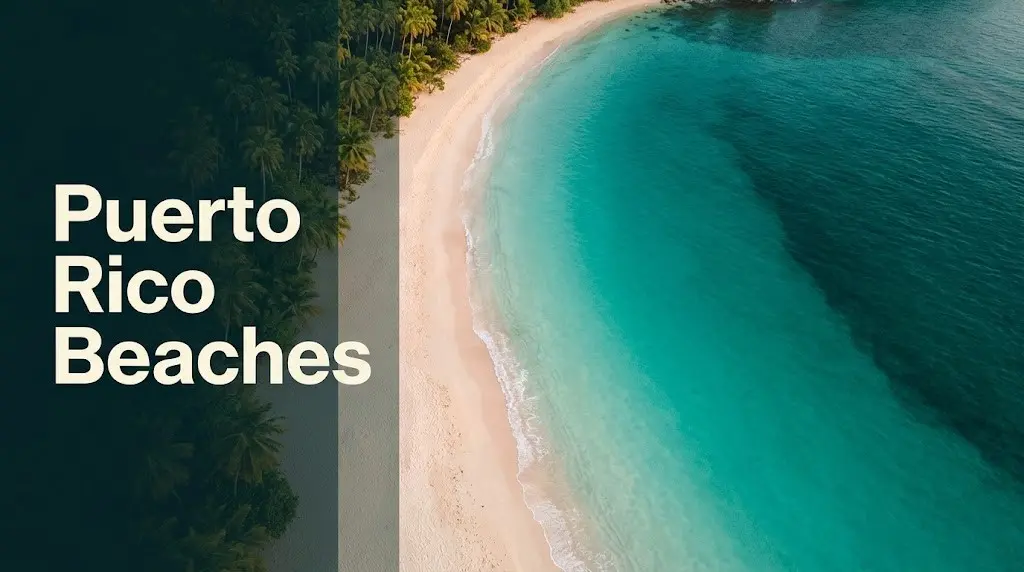
The offshore islands of Culebra and Vieques sit in a separate category entirely. Water clarity and sand quality there rival anywhere in the Caribbean.
Urban beaches in Condado and Ocean Park in San Juan are walkable from major hotels. They are convenient, but they are urban beaches, not remote ones.
Puerto Rico is a US territory. American citizens do not need a passport to visit. That single fact makes it the most accessible Caribbean-quality beach destination for US travelers.
The Puerto Rico Tourism Company notes that the island receives over 3 million visitors annually, with beach access as the primary draw. Visitor numbers continue to grow, making beach selection and timing more important than ever.
Families, couples, snorkelers, and surfers all find genuinely suited beaches here. All-inclusive resort seekers will find the inventory limited compared to Jamaica or the Dominican Republic.
| Coast | Water Character | Best For | Sargassum Risk |
|---|---|---|---|
| North/Atlantic | Choppier, wave energy | Surfing, active beach | Low |
| West/Caribbean | Calm, clear, warm | Swimming, snorkeling | Low |
| Southwest | Very calm, turquoise | Couples, snorkeling | Low to moderate |
| East | Variable, sometimes choppy | Day trips, families | Moderate to high (May–Oct) |
| Culebra/Vieques | Exceptional clarity | Everyone, snorkeling | Low |
Best Beaches in Puerto Rico Ranked for 2026
The best beaches in Puerto Rico for 2026 are Flamenco Beach (Culebra), Crash Boat Beach (Aguadilla), Sun Bay Beach (Vieques), Playa Buyé (Cabo Rojo), and Playa Sucia (Cabo Rojo).
These five consistently outperform in water quality, sand condition, and overall experience relative to the effort required to reach them. Proximity to San Juan does not guarantee quality.
Flamenco Beach ranks at the top across most metrics: sand color, water clarity, crowd management, and snorkeling access. It requires a ferry from Fajardo.
Crash Boat Beach delivers water color rivaling beaches that cost twice as much to access. It is reachable by rental car in under two hours from San Juan.
| Beach | Best For | Water Color | Crowd Level | Access from SJU |
|---|---|---|---|---|
| Flamenco Beach, Culebra | All profiles | Electric turquoise | Moderate; lower midweek | Ferry from Fajardo (~1.5 hrs total) |
| Crash Boat Beach, Aguadilla | Couples, snorkelers | Vivid blue-green | Moderate; crowded weekends | Drive, ~1.5–2 hrs |
| Sun Bay Beach, Vieques | Couples, relaxation | Clear pale turquoise | Low to moderate | Ferry from Fajardo + car |
| Playa Buyé, Cabo Rojo | Families, couples | Clear, calm green-blue | Low to moderate | Drive, ~2–2.5 hrs |
| Playa Sucia, Cabo Rojo | Couples, adventurers | Brilliant turquoise | Low | Drive + 4WD-friendly road |
| Luquillo Beach | Families | Calm green-blue | High on weekends | Drive, ~45 mins |
| Ocean Park Beach | Urban convenience | Clear green | Moderate | Walkable from Condado hotels |
| Seven Seas Beach, Fajardo | Families, snorkelers | Clear blue | Moderate | Drive, ~1 hr |
Insider Tip:
- Weekday visits to any Puerto Rico beach reduce crowds by 40 to 60 percent versus weekend visits
- Puerto Rican families typically visit beaches on Saturday and Sunday. Plan accordingly.
- Honeymooners specifically should prioritize Sun Bay or Flamenco midweek for genuine quiet
What Part of Puerto Rico Has the Best Beaches
The west and southwest coasts of Puerto Rico have the best overall beach quality on the main island. The offshore islands of Culebra and Vieques have the best beaches in the entire territory.
The west coast, from Aguadilla south through Rincón, Mayagüez, and into Cabo Rojo, faces the calmer Caribbean side. Water is clearer, wave energy is lower, and sargassum accumulation is minimal compared to the east coast.
The Cabo Rojo peninsula at Puerto Rico’s southwestern tip is specifically where the most visually striking main-island beaches concentrate. Playa Sucia and Balneario de Boquerón are both within this region.
The eastern coast near Fajardo is the departure point for ferry access to Culebra and Vieques. The mainland beaches around Fajardo, including Seven Seas Beach, are solid but not in the same tier as the west coast or offshore islands.
San Juan beaches, specifically Condado Beach and Ocean Park Beach, are the most convenient. They are not the most impressive.
According to the Puerto Rico Tourism Company, the Cabo Rojo area is one of the island’s most biodiverse coastal zones, with protected salt flats and lighthouse grounds adjacent to beach access points.
For travelers with only one week and one rental car day, the west coast drive covering Crash Boat Beach and then heading south toward Playa Buyé and Cabo Rojo delivers the most geographic beach variety per mile driven.
Budget travelers note: all beaches listed above are publicly accessible. The public beach (balneario) system in Puerto Rico charges minimal parking fees, typically a few dollars, rather than entry fees per person. Confirm current parking rates before visiting.
Best Beach Near San Juan for Easy Access
Ocean Park Beach is the best beach near San Juan for travelers who want genuine sand and swimmable water within 20 minutes of most San Juan hotels.
It sits between Condado and Isla Verde, offers calmer water than the reef-sheltered stretches further west, and has a local neighborhood feel that Condado Beach lacks. Weekend crowds are manageable.
Condado Beach is the most centrally located San Juan beach. It is walkable from most Condado hotel properties, including the Condado Vanderbilt Hotel and La Concha A Renaissance Resort. Water is swimmable but can be rougher than travelers expect.
Playa Escambron, just east of Old San Juan, is a sheltered cove beach with calm water and a reef nearby. It is one of the best urban snorkeling spots on the island.
Playa Escambron typically charges a small parking fee. Snorkel rentals are available nearby. The reef is close to shore and accessible without a boat.
For families staying in San Juan: Playa Escambron suits children better than Condado Beach due to its calmer, more sheltered water entry. Wave watchers and open-water swimmers will prefer Condado.
Isla Verde Beach, running along the hotel strip in Carolina, is adjacent to several major resort properties including the InterContinental San Juan and El San Juan Hotel. The water is clean and swimmable, but the beach itself is narrower than Ocean Park and more crowded with resort guests.
Couples and solo travelers who want the combination of walkable urban dining with genuine beach access will find Ocean Park the strongest balance. It has no major resort fronting it directly, which keeps the atmosphere more local.
Key Takeaway: The best beach near San Juan for most travelers is Ocean Park Beach, for its calmer water, local atmosphere, and 20-minute access from Condado hotels.
Flamenco Beach in Culebra: The Gold Standard
Flamenco Beach in Culebra is consistently ranked among the top beaches in the entire Caribbean and is the single best beach in Puerto Rico by most objective measures.
The sand is fine, white, and powdery. The water sits in several shades of turquoise, transitioning from pale aqua near shore to deep electric blue further out.
Water entry is gentle. The bottom is sandy and gradual. Wave energy is low, making it suitable for swimmers of most skill levels.
The eastern end of Flamenco Beach offers accessible snorkeling over a reef. Sea turtles are occasionally spotted here, particularly in calmer morning conditions.
To reach Flamenco Beach from San Juan:
- Drive to the ferry terminal in Fajardo (approximately 1 hour from most San Juan hotels)
- Book the ferry to Culebra via the Puerto Rico Port Authority well in advance, especially for December through April
- The ferry crossing takes approximately 75 to 90 minutes
- From the Culebra ferry dock, take a público (shared taxi) or rent a golf cart to Flamenco Beach (approximately 10 minutes)
- Arrive by 9 a.m. on peak season days. The beach fills significantly by mid-morning.
Honeymooners and couples will find Flamenco at its most intimate on weekday mornings from January through March, before cruise-adjacent day visitors arrive midday. For Profile 2 (honeymooners), request the quieter northern stretch of the beach.
Facilities include restrooms, outdoor showers, and food kiosks at the main access point. Chair and umbrella rentals are available but sell out quickly on high-season weekends.
The ferry schedule changes seasonally. Verify the Culebra ferry schedule directly with the Puerto Rico Port Authority before booking accommodation in Culebra. Weekend ferries fill weeks in advance during January through April.
Crash Boat Beach in Aguadilla: The West Coast’s Most Underrated Beach
Crash Boat Beach in Aguadilla delivers water color and clarity that most travelers do not expect from a beach this accessible. The vivid blue-green water is genuinely striking and earns its photographs.
The beach sits in a protected cove near an old pier. The pier itself is a local gathering point and a jumping-off point for swimmers. The water is calm, warm, and clear enough for snorkeling close to shore.
Sand is coarser than Flamenco but still pleasant. The beach is wide and open, with a boat ramp area at one end that sees recreational fishing boat activity on weekends.
The drive from San Juan takes approximately 1.5 to 2 hours via PR-22 west. Parking is available at the beach itself, though weekend afternoons fill the lot quickly.
Local food vendors operate near the parking area on weekends. This is one of the few Puerto Rico beach locations where genuinely good fried seafood is available steps from the sand.
Crash Boat Beach is excellent for families (Profile 3) during weekday visits. The calm cove water, gradual entry, and food vendor proximity make logistics easy for parents with young children. Weekend crowds, however, bring a louder, more festive local atmosphere that suits adults more than young families.
Couples (Profile 1) who visit on a Tuesday or Wednesday morning will find the beach nearly quiet, with the remarkable water color and the pier backdrop creating a photogenic setting without competition for space.
The beach does not have full resort infrastructure. Come with sunscreen, water, and any snorkeling equipment you want. Rental availability is inconsistent. Verify before you arrive.
Luquillo Beach and the Northeast Coast
Luquillo Beach, officially Balneario La Monserrate, is the most popular public beach on Puerto Rico’s main island and one of the most family-oriented in the northeast.
The water is calm for a northeast-coast beach, sheltered by a headland that reduces wave energy. The sand is golden-tan rather than brilliant white. Entry is gradual and sandy-bottomed.
The beach is famous for its row of kiosks immediately behind the main beach access road. These offer everything from piña coladas to fried alcapurrias (fritters). It is one of the most authentic local food beach experiences on the island.
Luquillo is approximately 35 to 45 minutes east of San Juan via PR-3. Parking at the balneario charges a small fee. Weekend crowds are heavy, particularly from late morning onward.
The Yunque Mar section of the Luquillo beach area is calmer and less crowded than the main balneario. Local visitors know this. Most tourists default to the main parking area.
For families with young children (Profile 3), Luquillo is one of the strongest choices on the main island. The calm water entry, food kiosks, and restroom facilities reduce logistical complexity significantly.
For couples and honeymooners (Profiles 1 and 2), Luquillo is not the right beach. It is busy, family-oriented, and decidedly un-intimate. The kiosk row is worth stopping at for lunch, but couples seeking quiet should continue east toward Seven Seas or plan the ferry west.
The Caribbean Tourism Organization notes that Luquillo’s balneario system exemplifies Puerto Rico’s public beach infrastructure, which provides accessible coastal recreation with managed facilities across the island.
Key Takeaway: Luquillo Beach is the strongest main-island choice for families with young children, but couples should plan for the offshore islands instead.
Sun Bay Beach in Vieques: The Quieter Island Choice
Sun Bay Beach, known locally as Balneario Sun Bay, on the island of Vieques is a mile-long public beach with pale turquoise water, white-gold sand, and a level of quiet that Flamenco Beach cannot always match.
The water is calm, clear, and warm. Bottom entry is sandy and gradual. Snorkeling is possible at the rocky points at either end of the bay.
Vieques receives fewer day visitors than Culebra because the ferry logistics are slightly more involved and the island itself is less developed. That relative lack of development is precisely its appeal.
To reach Sun Bay Beach from San Juan:
- Drive to Fajardo’s ferry terminal (approximately 1 hour)
- Book the Vieques ferry well in advance via the Puerto Rico Port Authority
- The ferry crossing takes approximately 60 to 75 minutes
- From the Vieques ferry dock in Isabel Segunda, rent a car or hire a taxi to Sun Bay (approximately 10 to 15 minutes south)
- A small vehicle entry fee applies at Balneario Sun Bay. Confirm the current rate before visiting.
The Vieques National Wildlife Refuge, managed by the US Fish and Wildlife Service, surrounds much of the island’s coastline. This federal protection keeps the landscape remarkably undeveloped.
Mosquito Bay (Bioluminescent Bay) is accessible from Vieques via guided kayak tour at night. Booking in advance is essential. This experience adds a second compelling reason to stay overnight on Vieques rather than doing a day trip.
For couples and honeymooners (Profiles 1 and 2), an overnight or two-night stay on Vieques combining Sun Bay with a bioluminescent bay tour is one of the most genuinely distinctive experiences Puerto Rico offers. Budget for accommodation on the island. The ferry day-trip option exists but wastes most of the day on logistics.
Playa Buyé on the West Coast: Calm, Clear, and Genuinely Underrated
Playa Buyé near Cabo Rojo is consistently underrepresented in standard Puerto Rico beach roundups. That is a mistake. The water clarity and calmness rival beaches that receive twice the attention.
The water at Playa Buyé is clear, green-blue, and genuinely calm due to its Caribbean-facing orientation. Sand is light tan and fine. The beach curves gently with tree shade at the back edge, which most Caribbean beaches cannot offer.
The shade from sea grape trees along the northern end of Playa Buyé is notable. It is one of the few Puerto Rico beaches where natural shade exists without needing to rent an umbrella.
The drive from San Juan takes approximately 2 to 2.5 hours via PR-2 south and PR-100 toward Cabo Rojo. There is no ferry. A rental car is required.
Parking is available near the beach access point. The area has minimal commercial development. Come with food, water, and all equipment you need.
According to the Puerto Rico Department of Natural and Environmental Resources, the Cabo Rojo coastal zone, which includes Playa Buyé, contains protected sea grass beds and reef formations that support diverse marine life accessible from shore.
For budget travelers (Profile 4), Playa Buyé is one of the strongest value propositions on the island. Access is free or minimal cost. The beach quality significantly exceeds what proximity to a major resort cluster would suggest. Bring your own snorkel gear.
Playa Buyé suits families (Profile 3) well due to the calm water and shaded areas. It is less suited to travelers who need commercial infrastructure nearby, as the immediate area has limited food and retail options.
Key Takeaway: Playa Buyé delivers west-coast calm water and natural tree shade in a setting that most Puerto Rico visitors never discover, because it requires a dedicated rental car day.
Playa Sucia and the Southwest Corner
Playa Sucia, also known as La Playuela, sits near the Cabo Rojo Lighthouse at Puerto Rico’s southwestern tip. The water color here is among the most visually striking on the main island.
The water shifts between brilliant turquoise and vivid cobalt. The beach curves in a protected cove beneath limestone cliffs and the lighthouse hill. The combination of geology, water color, and isolation makes this one of the most photographed beaches in Puerto Rico.
Despite its appearance in nearly every Puerto Rico beach photo collection, Playa Sucia receives far fewer visitors than its visual appeal would suggest. The access road is the reason.
The road to Playa Sucia from the PR-301 junction is unpaved, rutted, and approximately 1.5 to 2 miles of rough terrain. Standard rental cars navigate it in dry conditions, but wet season rain can make it impassable. A higher-clearance vehicle is preferable and worth requesting.
The beach has no commercial facilities. No food vendors. No chair rentals. No restrooms at the beach itself. The lighthouse area above has limited facilities and is worth the short walk.
For couples (Profile 1) willing to accept the logistics and the self-sufficiency requirement, Playa Sucia delivers a level of relative solitude and visual drama that most Caribbean beaches charge premium ferry rates to provide. Arrive by 9 a.m. to maximize the light on the water.
For families with young children (Profile 3), the access road and absence of facilities make Playa Sucia genuinely impractical. The effort is better directed toward Playa Buyé or Balneario de Boquerón, both within the same region and with better infrastructure.
Balneario de Boquerón, also in Cabo Rojo, is the commercial balneario alternative in this region. It has full facilities, calmer water, and is far more family-accessible. It lacks Playa Sucia’s dramatic setting.
Best Beaches in Puerto Rico for Snorkeling
The best beaches in Puerto Rico for snorkeling are Flamenco Beach (Culebra), Playa Escambron (San Juan), Seven Seas Beach (Fajardo), and the waters surrounding Culebra’s smaller cays including Playa Carlos Rosario.
Flamenco’s eastern end has a reef accessible from shore. Playa Escambron’s sheltered cove sits directly over reef formations. Seven Seas Beach in Fajardo has calm, clear water with reef access without a boat.
Playa Carlos Rosario, accessible by a short hike or water taxi from Flamenco Beach, is specifically regarded among snorkelers as the strongest close-shore reef site in the entire territory. Visibility on calm mornings can reach 60 to 80 feet.
Key snorkeling beaches and what to know:
- Flamenco Beach eastern end: reef, turtle sightings possible, best visibility morning
- Playa Carlos Rosario (Culebra): premier reef, requires short water taxi or hike from Flamenco
- Playa Escambron (San Juan): reef from shore, urban convenience, rental gear available nearby
- Seven Seas Beach (Fajardo): calm cove, reef access, family-appropriate depth
- Crash Boat Beach (Aguadilla): pier pilings attract fish, coral formations visible close to shore
Snorkel equipment rental is not guaranteed at every beach. Bringing your own mask and fins eliminates a logistical variable. Rental availability at Culebra-area beaches is better than at southwest coast beaches.
Solo travelers and experienced divers (Profile 5) should note that open-water dive sites around Culebra and Vieques, including the wrecks near Culebra, require dive operator booking in advance. Surface snorkeling from the beaches above is self-guided. Dive operator availability changes. Verify before traveling.
For snorkeling water visibility, the Puerto Rico dry season from December through April generally delivers the clearest conditions. Summer months bring more marine particulate from rainfall runoff, particularly after storms.
Best Puerto Rico Beaches for Families
The best Puerto Rico beaches for families are Luquillo Beach, Playa Buyé, Seven Seas Beach, and Balneario de Boquerón, in roughly that order depending on geography and logistics.
All four offer calm water entry, sandy bottoms, manageable wave conditions, and some level of facility infrastructure. These are the conditions that actually matter for families with young children.
What families often get wrong: they choose beaches based on photographs. Flamenco Beach photographs brilliantly, but the ferry logistics with young children, no guaranteed same-day return trip, and limited shade on the main beach make it genuinely challenging for families with children under eight.
Luquillo Beach remains the strongest family choice for travelers based in San Juan. The kiosk row for food, the gradual sandy entry, the restroom facilities, and the 45-minute drive all combine into a practical, low-stress family beach day.
Balneario de Boquerón is the best family choice if you are spending time on the west coast. The bay is very calm, facilities are solid, and the fishing village of Boquerón behind the beach has good food options within walking distance.
Family beach checklist for Puerto Rico:
- Confirm restrooms and shower facilities before selecting a remote beach
- Bring sunscreen rated SPF 50 or higher. UV intensity at this latitude is high year-round.
- Pack snacks and water for any beach outside the Luquillo kiosk zone
- Car seats are available from major rental car companies but book in advance
- Shade is rare at most Puerto Rico beaches. Bring a shade tent or umbrella.
For families with older children (ages 10 and up), the Culebra ferry day trip to Flamenco Beach becomes more manageable. Book the earliest morning ferry both directions and pack for a full self-sufficient beach day.
Best Puerto Rico Beaches for Couples and Romance
The best Puerto Rico beaches for couples are Sun Bay Beach (Vieques), Playa Sucia (Cabo Rojo), Flamenco Beach midweek (Culebra), and Playa Buyé (Cabo Rojo).
What distinguishes these beaches for couples is the combination of visual quality, relative quiet, and atmosphere. Romantic beach experiences in Puerto Rico require planning. The most beautiful beaches are not the most convenient ones.
Couples staying in San Juan who cannot justify a full west-coast drive or a ferry day should know that Ocean Park Beach on a weekday morning offers a genuinely calm, less-resort-dominated atmosphere within easy cab distance.
For honeymooners (Profile 2), a two-night stay on Vieques combining Sun Bay with the Mosquito Bay bioluminescent kayak tour is the strongest genuinely distinctive honeymoon experience Puerto Rico offers. Book the kayak tour well in advance. Availability in peak season is limited.
Luxury accommodation in Puerto Rico for couples:
- Dorado Beach, a Ritz-Carlton Reserve in Dorado: private beach stretch, spa, genuinely secluded within its property grounds, approximately 30 minutes west of San Juan. Room rates run from roughly $1,200 to $3,000 per night. The beach access and service level justify the premium for couples who want a self-contained property. The limitation is that Dorado’s beach is managed within the resort, not a wild open stretch.
- W Retreat and Spa, Vieques Island (confirm current operating status before booking): positioned near the island’s beaches. Check availability before planning around it, as island resort operations can change.
For couples, the honest advice is to plan at least one full day away from San Juan. The beaches that deliver genuine romance are the ones that require the most effort to reach.
Key Takeaway: Couples and honeymooners get the most from Puerto Rico by committing to either a Vieques overnight or a full west-coast drive day. San Juan beaches alone will not deliver the experience they came for.
Surfing Beaches in Puerto Rico
The best surfing beaches in Puerto Rico concentrate on the northwest coast, specifically in and around Rincón, and the north shore near Isabela.
Rincón hosted the 1968 World Surfing Championships and has been a serious surf destination ever since. Waves from November through March arrive from North Atlantic swells and can reach 6 to 12 feet or more on the best days at breaks including Maria’s Beach and Domes Beach.
Playa Jobos in Isabela is another strong north-shore surf location with a more consistent year-round break and a local surf community. The break is accessible from the beach without boat access.
Key surfing locations and what to know:
- Maria’s Beach, Rincón: well-known reef break, advanced skill recommended in peak swell season
- Domes Beach, Rincón: named for a nearby nuclear facility dome, powerful right-hand break
- Sandy Beach, Rincón: more forgiving beach break, better for intermediate surfers
- Playa Jobos, Isabela: reliable break, both lefts and rights, strong local community
- Wilderness Beach (Playa Wilderness), Isabela: less-crowded alternative to Jobos
Rincón is approximately 2 hours west of San Juan via PR-22. Multiple surf schools and board rental shops operate in town. Lesson availability is generally strong from November through March.
For non-surfing partners traveling with a surfer: Rincón has legitimate beach-side accommodation, a developed restaurant scene by small-town standards, and calm-water stretches (including at nearby Playa Balneario de Rincón) for non-surfers to use while surfers are in the water.
Summer surfing in Puerto Rico (May through October) sees significantly smaller waves on the northwest coast. South swells occasionally produce surfable conditions on the south coast, but the island is fundamentally a winter-swell destination for surf quality.
Best Time to Visit Puerto Rico Beaches
The best time to visit Puerto Rico beaches is mid-November through April. This window delivers the driest weather, lowest hurricane risk, calmest seas on most coasts, and best overall water visibility for snorkeling.
December through March is peak season. Prices at San Juan hotels and limited resort properties rise accordingly. Ferry tickets to Culebra and Vieques sell out weeks in advance during holiday weeks. Book well ahead for any travel in this window.
April and early May offer the value sweet spot: post-peak prices, still-dry weather, and manageable crowds. Water temperatures are already warm and comfortable.
| Month | Weather | Crowds | Pricing | Verdict |
|---|---|---|---|---|
| November (mid–late) | Dry, comfortable | Low to moderate | Lower than peak | Excellent |
| December | Dry, warm | High (holiday weeks) | Peak | Good but book early |
| January–March | Driest, slightly cooler | High | Peak | Best conditions, highest cost |
| April–May | Warm, transitional | Moderate | Declining | Best value window |
| June–August | Hot, humid, rain risk | Lower | Lower | Manageable with right beaches |
| September–October | Hurricane risk peak | Very low | Lowest | Not recommended for first visit |
The Caribbean hurricane season runs June through November, with peak intensity from August through mid-October. Travel during this period carries meaningful weather disruption risk. Travel insurance that covers hurricane-related cancellations is essential if you visit June through October.
Sargassum seaweed accumulation on Puerto Rico’s east coast and some south coast beaches typically peaks between May and October. West coast and offshore island beaches generally see lower sargassum impact.
Water temperatures are warm year-round, typically ranging from 77 to 80 degrees Fahrenheit in winter and 83 to 86 degrees Fahrenheit in summer. No month is cold for swimming.
Safety and Sargassum: What Most Visitors Miss
Rip currents are the primary water safety risk at Puerto Rico beaches, particularly on Atlantic-facing north and east coast beaches during periods of high wave activity.
Key safety and seasonal facts every visitor should know:
- Atlantic-facing beaches (north and east coast) can develop rip currents without visible warning. Check posted flags and beach advisories before entering the water.
- Sargassum seaweed accumulation on east and south coast beaches peaks between May and October and can significantly reduce the visual quality and swimming comfort of otherwise good beaches. The west coast and offshore islands are less affected.
- UV radiation at Puerto Rico’s latitude is intense year-round. Standard SPF 30 sunscreen burns off faster than in temperate climates. Reapply every 60 to 90 minutes. Children require more frequent reapplication.
- The Culebra and Vieques ferry service can be suspended during rough weather, including tropical storms and hurricanes. If you are staying overnight on either island, monitor weather forecasts and the Puerto Rico Port Authority’s service advisories during June through November.
- Sea urchins are present at reef areas including Playa Escambron and Crash Boat Beach. Water shoes are a practical precaution when walking over reef areas.
- Jellyfish encounters are possible and variable, most commonly in warmer months. Ask locally before swimming in unfamiliar coves.
In any water emergency at Puerto Rico beaches, contact US Coast Guard Sector San Juan or local emergency services (911). Puerto Rico operates on the US 911 emergency system as a US territory.
Frequently Asked Questions About Puerto Rico Beaches
What is the most beautiful beach in Puerto Rico?
Flamenco Beach on the island of Culebra is the most beautiful beach in Puerto Rico by most measures, with fine white sand, electric turquoise water, and a gently curved bay backed by green hills.
Playa Sucia in Cabo Rojo is the strongest contender on the main island itself, with brilliant turquoise water and a dramatic lighthouse setting.
The two beaches serve different traveler profiles: Flamenco requires a ferry, Playa Sucia requires a rough-road drive.
Do you need a passport to visit Puerto Rico beaches?
US citizens do not need a passport to visit Puerto Rico because it is a US territory.
A valid government-issued photo ID is sufficient for the flight from the continental United States.
Non-US citizens need valid passport and visa documentation as required for entry into any US territory.
What is the best beach in Puerto Rico for snorkeling?
Playa Carlos Rosario on Culebra is the best snorkeling beach in Puerto Rico, with reef formations, high water clarity, and frequent sea life encounters accessible from shore or a short water taxi.
Playa Escambron in San Juan is the best snorkeling beach for travelers who cannot make the trip to Culebra, with a reef accessible from shore and snorkel gear available nearby.
Visibility at top sites typically ranges from 40 to 80 feet on calm mornings during the dry season.
How do you get to Flamenco Beach in Culebra?
Getting to Flamenco Beach requires a ferry from Fajardo’s terminal to Culebra, followed by a short público ride or golf cart rental from the Culebra dock.
The ferry crossing takes approximately 75 to 90 minutes and is operated by the Puerto Rico Port Authority.
Book ferry tickets well in advance for peak season travel (December through April), as weekend ferries sell out weeks ahead.
When is the best time to visit Puerto Rico beaches?
The best time to visit Puerto Rico beaches is mid-November through April, when rainfall is lowest, hurricane risk is minimal, and water visibility for snorkeling is at its clearest.
April into early May is the best value window: conditions remain excellent and post-peak pricing makes accommodation more accessible.
Avoid September and October if possible, as these are the peak months of Atlantic hurricane season and carry the highest weather disruption risk.
Are there sargassum seaweed problems at Puerto Rico beaches?
Sargassum seaweed affects some Puerto Rico beaches, particularly on the east and south coasts, most commonly between May and October.
West coast beaches including Crash Boat Beach, Playa Buyé, and the Cabo Rojo area generally see less sargassum impact due to their Caribbean-facing orientation.
Culebra and Vieques are typically less affected than mainland east coast beaches, but conditions vary by year. Check recent visitor reports for any specific beach before traveling.
Making Your Puerto Rico Beach Decision
The single most useful thing this guide can tell you: every hour you invest in getting to the west coast or the offshore islands returns significantly more beach quality than staying in the San Juan area.
Book Culebra ferry tickets the moment your travel dates are confirmed. They sell out. Book Vieques accommodation before the ferry, because options on the island are limited. If you are driving west to Crash Boat or Playa Buyé, plan a weekday departure from San Juan to avoid highway congestion.
Resort pricing, ferry schedules, beach facility costs, and sargassum conditions all change year to year. Verify ferry availability with the Puerto Rico Port Authority, confirm resort inclusions directly with properties, and check recent traveler reports for current beach conditions before your trip.
The traveler who arrives in Puerto Rico with a ferry ticket already booked, a rental car confirmed, and at least one west-coast beach day planned will have a dramatically better trip than the one who assumed San Juan’s doorstep beaches would be enough.