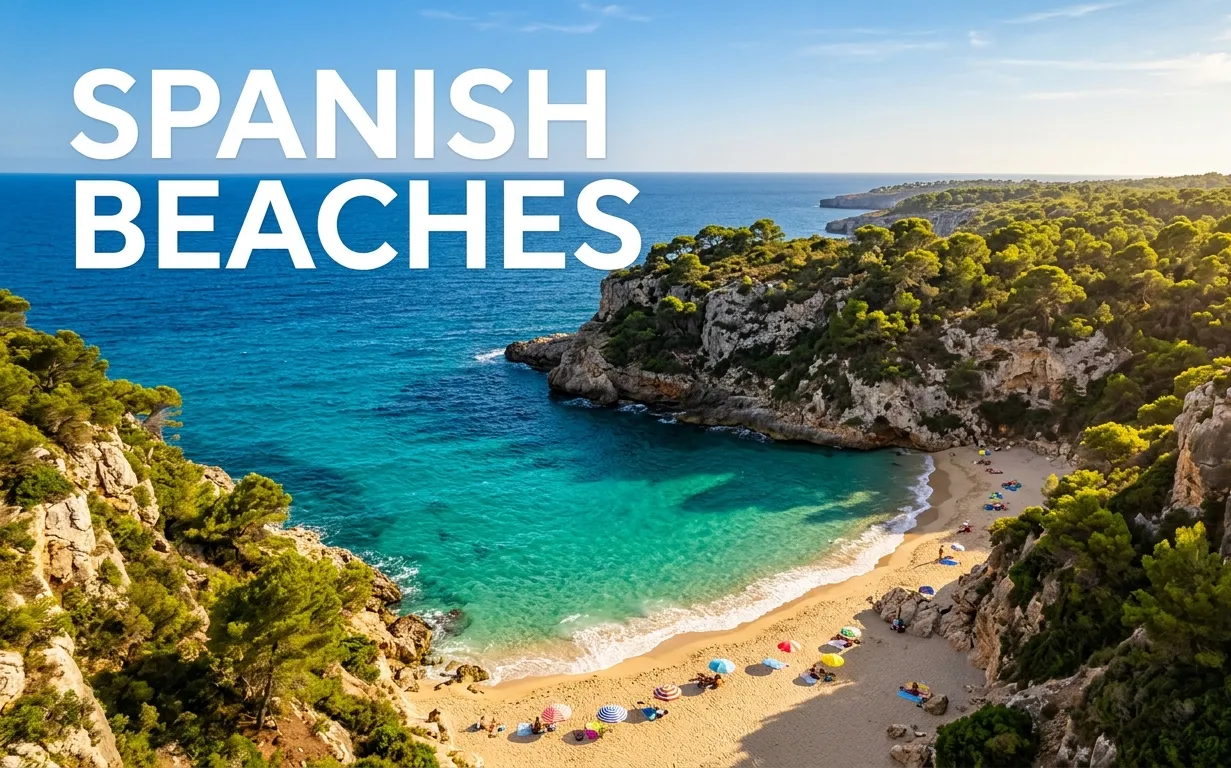
Best Spanish Beaches 2026: Honest Coast Guide for Every Traveler
Spanish beaches are not a single experience. They span the warm Mediterranean, the wild Atlantic, the volcanic Canary Islands, and the green-cliffed Bay of Biscay, each delivering something genuinely different.
Spain holds more Blue Flag certified beaches than any other country on earth. The Foundation for Environmental Education awarded Spain over 600 Blue Flags in recent years for water quality, safety, and environmental management.
This guide covers exactly which Spanish beaches deliver for swimming, families, couples, and crowd-averse travelers in 2026. It also tells you honestly which famous beaches buckle under August crowds and which regions offer winter sun when Mediterranean beaches are too cold.
Best Beaches in Spain Overview
The best beaches in Spain are not all on the Mediterranean coast. The country’s beach diversity means the right beach for you depends entirely on what you want from a beach day.
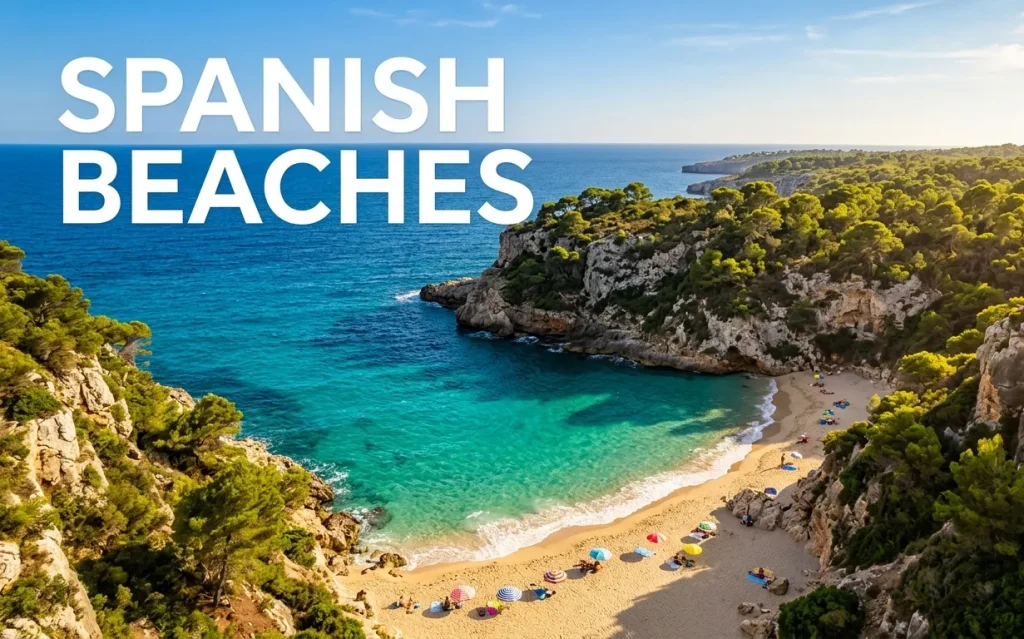
Mediterranean beaches along the Costa Brava, Costa Dorada, Costa Blanca, and Costa del Sol offer calm, clear, warm water from June through October. These are Spain’s classic beach holiday coastlines.
Atlantic beaches along the Costa de la Luz in southern Spain and the Canary Islands offer wider sand, stronger surf, and milder water temperatures that stay swimmable year-round in the Canaries.
Northern beaches along the Bay of Biscay in Galicia, Asturias, and the Basque Country feature dramatic green-cliffed scenery, cooler water, and a completely different beach culture focused on surfing and seafood.
The Balearic Islands of Mallorca, Menorca, Ibiza, and Formentera combine Mediterranean water with island character and some of Spain’s most photographed calas, or rocky coves.
According to Turespaña, the Spanish Tourism Board, Spain’s coastline attracts over 80 million international visitors annually with beaches representing the primary draw for the majority.
Key Takeaway: Spain offers five distinct beach experiences across different water bodies and island territories. Match your region to your priorities.
Spain Beaches by Region
Spain beaches by region break into six primary coastal zones, each with a distinct character that suits different travelers and different times of year.
The Costa Brava north of Barcelona features dramatic rocky coves framed by pine-covered cliffs. The water is clear and calm but colder than southern Mediterranean beaches until July.
The Costa del Sol in Andalusia offers wide sandy resort beaches with the warmest Mediterranean water in mainland Spain. This is package holiday country with developed infrastructure.
The Balearic Islands deliver turquoise calas, white sand beaches, and the full spectrum from family-friendly Mallorca to club-culture Ibiza to pristine Menorca.
The Canary Islands provide year-round beach weather with volcanic black sand on some islands and Saharan golden sand on others. The water stays swimmable all twelve months.
The Costa de la Luz faces the Atlantic in southern Spain with wide, windswept beaches, stronger surf, and a wilder character than Mediterranean resort coastlines.
Northern Spain’s Green Coast from Galicia through the Basque Country offers dramatic scenery, surfing culture, and water temperatures that rarely exceed 70 degrees even in August.
Costa Brava Beaches
The Costa Brava beaches north of Barcelona deliver Spain’s most dramatic Mediterranean coastline with hidden coves accessible only by coastal paths or small boats.
Platja de Castell near Palamós is the Costa Brava’s finest unspoiled beach. A pine forest backs the wide sandy crescent with no buildings visible from the sand, a rarity on the developed Spanish coast.
Cala del Pi near Platja d’Aro features turquoise water framed by rocky cliffs and reached via a short coastal path. The walk filters out casual visitors and keeps crowds manageable.
Cala Sa Tuna in Begur is a small fishing cove with crystal water, excellent swimming, and a handful of waterfront restaurants serving fresh seafood.
The Costa Brava’s honest tradeoff is water temperature. The Mediterranean here warms later than the Costa del Sol. June water temperatures hover around 68 degrees Fahrenheit.
Peak July and August crowds concentrate at the most accessible beaches. The coves requiring coastal path walks stay quieter but still fill by late morning.
Families with young children should target wider beaches like Platja de Castell and Empuriabrava rather than rocky coves with steep entries.
Couples benefit most from the Costa Brava’s romantic cove culture, coastal path walking, and seafood-forward dining scene.
Key Takeaway: Costa Brava delivers dramatic beauty but cooler water and requires cove-hiking effort for the best spots.
Costa del Sol Beaches
The Costa del Sol beaches in southern Spain offer the warmest Mediterranean water on the mainland with wide sandy resort beaches and the most developed tourist infrastructure in the country.
Playa de la Malagueta in Málaga city provides an urban beach experience with excellent chiringuito beach bars, full facilities, and cultural city access minutes from the sand.
Playa del Duque in Marbella offers upscale beach club service, imported golden sand, and the Costa del Sol’s most polished beach experience. Beach clubs here charge premium sunbed rates.
Playa de Bolonia near Tarifa is the Costa del Sol’s most beautiful natural beach with a massive sand dune system, Roman ruins overlooking the shore, and an undeveloped feel rare on this coast.
The Costa del Sol’s honest advantage is infrastructure. Beachfront hotels, chiringuitos, water sports rentals, and easy airport access from Málaga Airport (AGP) make this Spain’s most logistically accessible beach destination.
The honest tradeoff is authenticity. The Costa del Sol is heavily developed with high-rise hotels and package tourism infrastructure that feels more manufactured than the Costa Brava or Balearic coves.
Families benefit from the Costa del Sol’s shallow-water beaches, abundant facilities, and child-friendly chiringuito culture.
Budget travelers find the widest range of accommodation options here, from hostels to mid-range beachfront hotels to luxury resorts.
Mallorca Beaches
The Mallorca beaches of the Balearic Islands deliver the quintessential Mediterranean cala experience with turquoise water, white sand or pebble coves, and pine-covered limestone cliffs.
Playa de Muro on the northeast coast is Mallorca’s best family beach with miles of shallow, calm, warm water on fine white sand. The gradual entry makes it ideal for young children.
Cala Macarella on the south coast is Mallorca’s most photographed beach. The turquoise water color is genuinely remarkable. Access requires a 30-minute walk from summer parking or arrival by boat.
Cala Saladeta near Sant Antoni offers similar turquoise beauty with slightly easier access and a more manageable scale for visitors who want the cala experience without the Macarella crowds.
Playa de Ses Illetes in Formentera, reachable by ferry from Ibiza or Mallorca, features Caribbean-style water color over shallow white sand flats. The water stays waist-deep for hundreds of feet.
Mallorca’s honest crowd reality is intense during July and August. Popular calas fill completely by 10:00 AM. Beach parking at Cala Macarella closes entirely during peak summer with shuttle bus access only.
Families should book accommodations near Playa de Muro or Alcúdia Bay for the calmest swimming and best facilities.
Couples should target the eastern coves around Cala Millor and Cala Bona for romantic settings with slightly fewer crowds than the southern calas.
Key Takeaway: Mallorca calas are stunning but peak summer crowds demand early arrival or boat access.
Canary Islands Beaches
The Canary Islands beaches provide Spain’s only year-round beach destination with mild water temperatures, reliable sunshine, and dramatic volcanic scenery across seven distinct islands.
Playa de las Canteras in Las Palmas, Gran Canaria offers one of the world’s finest urban beaches. A natural lava reef creates a protected lagoon with calm, clear water and excellent snorkeling.
Playa de Sotavento in Fuerteventura features miles of wide Saharan-imported golden sand with turquoise Atlantic water and consistent wind that makes it a world-renowned kitesurfing destination.
Playa de Papagayo in Lanzarote is a series of protected golden sand coves within a volcanic national park setting. The water stays calm, clear, and mild year-round.
Playa del Duque in Tenerife offers upscale beach club service with imported sand, calm water, and southern Tenerife’s reliable winter sunshine.
The Canary Islands’ honest advantage is winter sun. While Mediterranean beaches are cold and seasonal from November through March, Canary water stays 66 to 72 degrees Fahrenheit with air temperatures in the 70s.
The honest tradeoff is that many Canary beaches are volcanic black sand rather than the golden Mediterranean sand that Spanish beach marketing emphasizes.
Families seeking winter beach escapes benefit most from Gran Canaria and Tenerife’s developed resort infrastructure and year-round services.
Water sports enthusiasts find Europe’s best conditions in Fuerteventura and Lanzarote for wind-dependent sports.
Best Spanish Beaches Ranked
The best Spanish beaches ranked depend entirely on what you value. The beach that ranks first for family swimming ranks differently for romantic seclusion or winter sun.
| Beach | Region | Best For | Water Type | Crowds Summer |
|---|---|---|---|---|
| Playa de Muro | Mallorca | Families, shallow swimming | Warm Mediterranean | High but spread out |
| Playa de las Canteras | Gran Canaria | Urban beach, snorkeling | Mild Atlantic year-round | Moderate |
| Cala Macarella | Mallorca | Photography, beauty | Warm Mediterranean | Extreme, arrive early |
| Playa de Bolonia | Costa del Sol | Natural beauty, dunes | Warm Mediterranean | Lower, remote |
| Playa de Ses Illetes | Formentera | Caribbean-style water | Warm Mediterranean | Very high |
| Playa de Papagayo | Lanzarote | Winter sun, coves | Mild Atlantic | Moderate |
| Platja de Castell | Costa Brava | Unspoiled beach | Cooler Mediterranean | Moderate |
| La Concha Beach | San Sebastián | Urban beach, scenery | Cool Atlantic | High |
The honest assessment is that Spain’s most photographed beaches are often not its most usable for a full beach day. Cala Macarella photographs beautifully but offers limited sand space and intense summer crowding.
Spain’s best all-around beach day beaches are Playa de Muro, Playa de las Canteras, and Playa de Bolonia for their combination of space, facilities, and manageable crowd distribution.
Key Takeaway: Spain’s most Instagrammable beaches are often its least practical. Prioritize space and facilities for full beach days.
Spanish Beaches for Swimming
The best Spanish beaches for swimming combine calm water, gentle entry, warm temperatures, and adequate facilities for a full beach day.
Playa de Muro in Mallorca is Spain’s best swimming beach for families. The shallow water stays calm, warm, and clear with a gradual sandy entry that extends far from shore.
Playa de las Canteras in Gran Canaria offers year-round swimming in a protected lagoon created by a natural lava reef. The water stays calm regardless of Atlantic conditions.
Playa de Ses Illetes in Formentera provides shallow, calm, warm Mediterranean water over white sand flats with Caribbean-style clarity during calm summer days.
La Concha Beach in San Sebastián delivers protected bay swimming with urban sophistication. The horseshoe bay shape blocks Atlantic swell and creates calm water conditions.
Swimming beach quality in Mediterranean Spain declines November through May when water temperatures drop into the 50s and 60s Fahrenheit. The Canary Islands offer the only year-round Spanish swimming.
Jellyfish presence on Mediterranean beaches typically peaks July through August when water temperatures are warmest. Moon jellyfish are common and generally harmless but startling.
Check local beach flags and lifeguard stations for current jellyfish warnings. Purple flags indicate dangerous marine life including jellyfish blooms.
Spanish Beaches for Families
The best Spanish beaches for families combine shallow calm water, lifeguard coverage during summer, nearby facilities, and activities beyond the sand for children who tire of the beach.
Playa de Muro in Mallorca is Spain’s best family beach overall. The shallow water, fine sand, lifeguard coverage, and nearby Alcúdia with its historic town and water park create an ideal family beach week.
Playa de las Canteras in Gran Canaria offers year-round family swimming with the promenade providing stroller access, playgrounds, restaurants, and easy city conveniences.
Playa de Alcúdia adjacent to Playa de Muro provides similar family conditions with a slightly more developed resort atmosphere and more dining options within walking distance.
Playa de la Malagueta in Málaga delivers an urban family beach experience with the city’s cultural attractions, aquarium, and transport infrastructure directly behind the beach.
Spanish beach culture is genuinely family-friendly. Children are welcome at chiringuito beach bars, dining hours stretch late enough that families eat together, and the afternoon siesta window provides natural rest time during peak sun hours.
Budget-conscious families benefit from Spain’s wide range of self-catering apartment rentals near beaches. Cooking some meals offsets restaurant costs that accumulate quickly for family groups.
Spanish Beaches for Couples
The best Spanish beaches for couples deliver romantic settings, turquoise water, manageable crowds, and proximity to excellent dining.
Cala Macarella and neighboring Cala Macarelleta in Menorca offer the most romantic beach setting in Spain. The turquoise water, pine-framed coves, and boat-access-only atmosphere during peak hours create genuine intimacy.
Cala Saladeta in Ibiza provides a romantic cala experience with turquoise water, rocky headlands for privacy, and Ibiza’s legendary sunset proximity for evening drinks.
Playa de Bolonia near Tarifa offers a romantic natural beach experience with massive sand dunes, Roman ruins as a backdrop, and a wilder, less-developed feel than resort coastline.
Cala del Pi on the Costa Brava combines romantic cove swimming with coastal path walking and excellent Catalan seafood dining in nearby Platja d’Aro.
Couples without children should avoid Playa de Muro and Playa de Alcúdia during July and August when these beaches fill with families. Shoulder season delivers the same water quality with romantic quiet.
Honeymooners benefit from the Balearic Islands’ combination of cala beauty, boutique hotel options, and short flight connections from major European cities.
Key Takeaway: Menorca and Ibiza calas deliver Spain’s most romantic beach settings. Avoid family beaches in peak summer.
Blue Flag Beaches Spain
The Blue Flag beaches Spain program identifies beaches meeting rigorous international standards for water quality, safety, environmental management, and accessibility.
Spain consistently leads the world in Blue Flag certified beaches with over 600 flags awarded in recent years. This represents approximately one in every five Spanish beaches.
The Blue Flag program is administered by the Foundation for Environmental Education and requires beaches to meet 33 criteria across water quality testing, lifeguard coverage, restroom facilities, accessibility features, and environmental education.
Communities with the highest Blue Flag concentrations include the Costa Blanca, the Costa del Sol, Mallorca, and the Canary Islands.
For families, Blue Flag certification signals reliable lifeguard presence, clean facilities, and tested water quality. These are the safest beaches for children.
For all travelers, Blue Flag status indicates a developed, maintained beach rather than a wild, unserviced shoreline. The tradeoff is that Blue Flag beaches are almost always the busiest beaches in their area.
Verify current Blue Flag status for specific beaches before booking, as certifications are awarded annually and can change.
Wild, unspoiled beaches like Platja de Castell and Playa de Bolonia often lack Blue Flag certification because they lack facilities, not because of poor water quality.
Spanish Beach Season Guide
The Spanish beach season varies dramatically between Mediterranean and Canary Islands destinations. Understanding these seasonal differences prevents expensive disappointment.
June through September delivers reliable Mediterranean beach weather with water temperatures reaching the mid-70s to low 80s Fahrenheit and air temperatures in the 80s and 90s.
July and August bring peak crowds, peak rates, and peak water temperatures but also jellyfish presence and genuine overcrowding at popular beaches.
May and October offer shoulder season value with thinner crowds, lower rates, and still-pleasant air temperatures, but Mediterranean water will be cool in the 60s Fahrenheit.
November through April represents Mediterranean beach off-season with cold water, limited services, and many chiringuitos closed. This is not Mediterranean beach season despite marketing that suggests year-round appeal.
| Month | Mediterranean Water | Canary Water | Crowds | Verdict |
|---|---|---|---|---|
| January-March | Cold 55-60 F | Mild 66-68 F | Low | Canaries only |
| April | Cool 60-63 F | Mild 67-69 F | Low | Canaries best, Med marginal |
| May | Cool 63-68 F | Mild 68-70 F | Low-Med | Shoulder value both regions |
| June | Warm 68-74 F | Mild 69-71 F | Med-High | Best balance Med region |
| July | Warm 74-78 F | Mild 70-73 F | Extreme | Too crowded, jellyfish |
| August | Warm 76-80 F | Mild 71-74 F | Extreme | Peak crowds, peak jellyfish |
| September | Warm 74-78 F | Mild 71-73 F | Med-High | Excellent Med region |
| October | Cool 68-72 F | Mild 70-72 F | Low-Med | Good Canaries, Med marginal |
| November-December | Cold 58-63 F | Mild 68-70 F | Low | Canaries only |
The Canary Islands deliver year-round beach weather with water temperatures staying 66 to 74 degrees Fahrenheit and air temperatures in the 70s even in January.
Key Takeaway: Mediterranean beaches are viable June through September. Canary Islands work year-round.
Spanish Beaches Summer Crowds
The Spanish beaches summer crowds reality is that July and August bring genuinely overwhelming visitor numbers to Spain’s most accessible and famous beaches.
August is the single most crowded month on Spanish beaches. European school holidays align in August, Spanish families take their annual beach holidays, and the combination creates crush conditions at popular beaches.
Beaches most affected by summer crowds include Playa de Ses Illetes in Formentera, Cala Macarella in Menorca, La Concha Beach in San Sebastián, and the main beaches of Benidorm and Marbella.
To avoid summer crowds at Spanish beaches:
- Visit in June or September instead of July or August
- Arrive at popular calas before 9:00 AM or after 4:00 PM
- Target beaches requiring coastal path walks that filter out casual visitors
- Book accommodations in less-famous beach towns rather than the main resort strips
- Consider the Costa de la Luz and northern Spain beaches that draw fewer international crowds
The honest crowd reality is that Spanish beach marketing photographs showing empty sand at famous calas are almost always taken at sunrise before crowds arrive. By noon in August, those same beaches are packed.
Budget travelers benefit doubly from shoulder season visits. Rates drop 30 to 50 percent from peak summer while crowds thin significantly.
Best Spanish Beach Resorts
The best Spanish beach resorts range from budget-friendly family properties to ultra-luxury boutique retreats serving different traveler profiles and price points.
Iberostar Selection Anthelia in Tenerife offers upscale family resort experience with multiple pools, direct Playa del Duque access, and year-round Canary Islands sunshine.
Meliá Calviá Beach in Mallorca provides mid-range beachfront resort living with Magaluf beach access and comprehensive facilities at a competitive price point for the Balearic Islands.
Barceló Illetas Albatros in Mallorca delivers adults-oriented beachfront luxury with a cala setting, rooftop pool, and proximity to Palma for dining and culture.
Parador de Aiguablava on the Costa Brava offers a unique Spanish experience: a government-run luxury hotel built into a cliffside overlooking one of the Costa Brava’s most beautiful coves.
Spanish beach resorts differ from Caribbean all-inclusives. Most Spanish resorts operate on a room-only or bed-and-breakfast basis with restaurants and bars available on-site at additional cost.
All-inclusive packages exist at Spanish resorts, primarily in the Canary Islands and Mallorca, but are less common and generally less comprehensive than Caribbean all-inclusive offerings.
Verify current resort inclusions when booking, as meal plans and amenity access change between seasons.
Budget travelers should book self-catering apartments near beaches rather than resorts. Spanish supermarkets provide excellent fresh food at reasonable prices for in-room meal preparation.
Key Takeaway: Spanish beach resorts offer room-only or half-board models. All-inclusive is less common than in the Caribbean.
Safety and Seasonal Warnings for Spanish Beaches
Jellyfish blooms and intense summer UV exposure are the primary safety concerns at Spanish Mediterranean beaches. Atlantic and Cantabrian beaches present additional rip current risks.
Jellyfish blooms typically peak in the Mediterranean during July and August when water temperatures are warmest.
Key safety and seasonal facts every Spanish beach visitor must know:
- Purple flags at Spanish beaches indicate dangerous marine life including jellyfish. Never enter the water when a purple flag is flying.
- Apply high-factor sunscreen every 90 minutes during Spanish beach days, particularly between 12:00 PM and 4:00 PM when UV index is highest. The Mediterranean sun is intense and burns happen faster than at tropical latitudes.
- Atlantic beaches on the Costa de la Luz and in northern Spain feature rip currents. Check local flag systems and only swim at lifeguarded beaches in these regions.
- Many small calas lack lifeguard coverage. Swim at your own risk assessment at unguarded beaches, particularly coves accessible only by boat or coastal path.
- Topless sunbathing is common and culturally accepted at all Spanish beaches. This may differ from beach norms in your home country.
- Mediterranean beaches November through May have cold water temperatures and limited or no lifeguard services. These are not swimming months outside the Canary Islands.
Spanish beach flag system: Green means safe swimming. Yellow means caution, swim with care. Red means swimming prohibited. Purple means marine life danger including jellyfish.
Frequently Asked Questions About Spanish Beaches
What is the best beach in Spain for swimming?
Playa de Muro in Mallorca is the best beach in Spain for swimming with calm shallow water and gradual sandy entry.
Playa de las Canteras in Gran Canaria offers year-round swimming in a protected natural reef lagoon.
Both beaches provide the combination of safety, facilities, and water quality that swimmers need.
Which Spanish coast has the warmest water?
The Costa del Sol in southern Spain has the warmest Mediterranean water on mainland Spain.
The Canary Islands offer the warmest year-round water in Spain with consistent mild temperatures.
Mediterranean water peaks in August around 78 to 80 degrees Fahrenheit.
What is the best Spanish beach for families?
Playa de Muro in Mallorca is the best Spanish beach for families thanks to shallow calm water and nearby facilities.
Playa de Alcúdia adjacent to Playa de Muro provides similar family conditions with more dining options.
Both beaches offer the space, safety, and services that family beach days require.
When is the best time to visit Spanish beaches to avoid crowds?
June and September are the best months to visit Spanish beaches to avoid peak summer crowds.
Late May and early October offer even thinner crowds with still-pleasant weather.
July and August bring extreme crowding at popular Spanish beaches.
Are Spanish beaches free to access?
Yes, Spanish beaches are overwhelmingly free public access under Spanish coastal law.
Private beach clubs may charge for sunbed and umbrella rentals but the sand and water remain public.
Parking at municipal lots near popular beaches is typically paid during summer season.
Which Spanish beaches have the most Blue Flag certifications?
The Costa Blanca and Costa del Sol regions consistently hold the highest concentration of Blue Flag certified beaches in Spain.
Mallorca and the Canary Islands also maintain high numbers of Blue Flag certified beaches.
Blue Flag status indicates tested water quality, lifeguard coverage, and clean facilities.
Your Spanish Beach Plan for 2026
Spanish beaches deliver Europe’s most diverse and accessible coastline. The right beach for your trip depends entirely on matching region, season, and traveler profile.
Choose Mallorca’s Playa de Muro for family beach weeks. Target Menorca or Costa Brava calas for romantic cove swimming. Head to Gran Canaria or Tenerife for reliable winter sun when Mediterranean beaches are too cold for swimming.
Book June or September for the best combination of warm water, manageable crowds, and reasonable rates. Accept that famous calas in August require sunrise arrival for any hope of personal space.
Seasonal services, Blue Flag certifications, jellyfish conditions, and resort pricing change annually. Verify current beach conditions with regional Spanish tourism boards before finalizing your 2026 beach itinerary.
A Spanish beach trip matched to the right coast, the right season, and the right beach for your travel profile delivers exactly the European beach experience you traveled across the Atlantic to find.