Santa Monica Beaches Overview
Santa Monica State Beach is not one beach but a 3.5-mile series of distinct zones. Each zone offers a completely different visitor experience.
The iconic coastline runs from the Pacific Palisades border in the north to Venice Beach in the south. Your choice of where to settle determines your entire day.
According to Santa Monica Travel & Tourism, the beach attracts millions of visitors annually. This popularity is due to its width, facilities, and the famous pier.
You will find soft, pale sand averaging 150 feet in width. The beach is backed by Palisades Park’s bluffs, not private homes or resorts.
This guide breaks down each named stretch with honest, practical detail. We distinguish the family-friendly zones from the chaotic tourist hubs.
Key Takeaway: Santa Monica Beach is a collection of different experiences. The stretch you choose defines whether you love it or find it crowded.
Santa Monica State Beach North of the Pier
The northern stretch, from the pier to Palisades Park, is the postcard image of Santa Monica. Wide sand meets rolling waves with a backdrop of grassy bluffs.
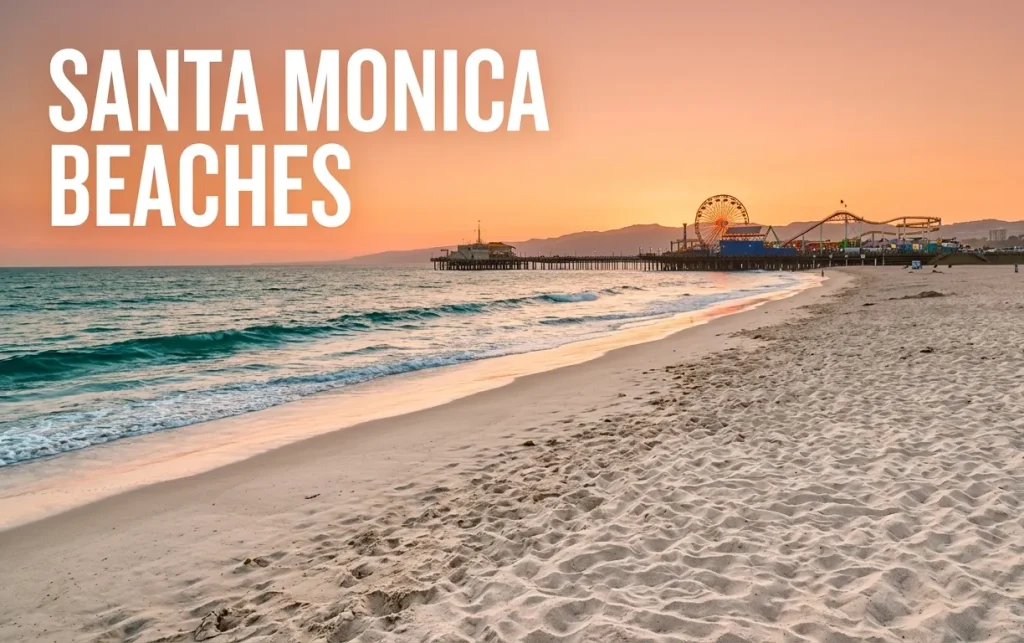
Water clarity is generally better here than south of the pier. Sand is soft and fine, perfect for a long, barefoot walk.
Parking is most convenient at Lot 1 North, located directly under the bluffs on Pacific Coast Highway. This lot typically fills by late morning on summer weekends.
A beach cruiser rental or an easy walk leads you to the pier action. The atmosphere is more relaxed, attracting a mix of families and couples.
This zone is best for couples and travelers wanting the classic view. It feels less chaotic than the area immediately surrounding the pier.
Insider Tip: The area directly below the Annenberg Community Beach House offers a slightly more local and less crowded feel. The historic pool and courtyard are a separate paid facility.
Summer brings consistently sunny skies and manageable surf. Avoid this stretch during the first rainy day of the season due to runoff.
The Annenberg Community Beach House provides a landmark for orientation. Its parking lot is an option, but county rates apply and require verify-before-booking confirmation.
Santa Monica State Beach South of the Pier
The sand immediately south of the Santa Monica Pier is the energy hub. This is where the main volleyball courts, Original Muscle Beach, and street performers live.
The sand is packed and busy, especially on weekends. Water and wave conditions are classic beach break, fun for body surfing but watch for rip currents near the pilings.
Parking here is a genuine battle on summer days. Lot 4 South at 2030 Ocean Avenue is the closest, but a better strategy is the Santa Monica Place Mall.
The structure at Santa Monica Place offers 90 minutes free and a reasonable flat rate after that. It is a short walk from the pier and beach.
This area suits social travelers, people-watchers, and volleyball enthusiasts. It is the wrong spot for anyone seeking tranquility or a pristine, quiet beach day.
The permanent volleyball courts hum with pickup games and leagues. Right next to them, the International Chess Park offers shaded tables for a quick game.
Food vendors and Perry’s Cafe stands are most concentrated here. Everything is walkable and high-energy, a perfect introduction to Southern California beach culture.
Ocean Park Beach Santa Monica
Ocean Park Beach begins at lifeguard tower 26 and runs south to the Venice border. This is where Santa Monica sheds its tourist skin and becomes a local neighborhood beach.
Sand quality remains excellent, wide and soft. The crowd changes dramatically here, favoring local families, picnicking groups, and the surf school crowd.
Parking becomes simpler and less expensive south of Pico Boulevard. Metered street parking along Barnard Way and adjacent streets is the go-to choice.
The world-famous The Strand bike path separates the homes from the sand at this point. This stretch is less serviced by rental stands, so bring your own gear.
This is the best family beach for those wanting a mellow atmosphere. It lacks the pier’s amusement rides, so children must be content with sand and surf.
Perry’s Cafe at tower 26 is the main hub for snacks and rentals. The scene here feels unpretentious, slow, and distinctly Southern Californian.
For surfers, the Ocean Park break is a gentle, forgiving spot. It is the primary location for surf lessons in the city, making it very accessible for beginners.
Will Rogers State Beach
Will Rogers State Beach extends north from the Santa Monica border near Temescal Canyon Road. This stretch feels worlds away from the pier’s carnival energy.
The beach is narrower here but dramatically less crowded. The backdrop is the Pacific Palisades bluffs, creating a more scenic and natural enclosure.
This is a destination for surfers, paddleboarders, and those seeking solitude. Sand is a bit coarser, mixed with small pebbles, and the water entry is steeper.
Parking is easy and linear, with a long, narrow lot running parallel to Pacific Coast Highway. Rates typically follow standard Los Angeles County beach parking structures.
Insider Tip: A rain advisory hits Will Rogers hard due to the outflow from Santa Monica Canyon. Avoid the water for at least 72 hours after any significant rainfall.
The atmosphere attracts advanced beginners on soft-top boards and longboarders. Groups set up pop-up tents for the day, creating a relaxed, all-day social scene.
Restaurants are non-existent on the sand. You need to pack a cooler or drive a mile back into the Palisades Village for lunch.
Santa Monica Beach Parking and Access
Santa Monica Beach parking is the single biggest pain point for unprepared visitors. Your strategy depends entirely on which beach zone you are targeting.
Official beach lots run from Lot 1 North to Lot 9 South. Rates at publication typically range from $10 to $20 per day depending on the season and lot.
The single best value is the downtown Santa Monica Place mall parking structure. The first 90 minutes are free, and subsequent hours are at a moderate city rate.
For North of the Pier, aim for Lot 1 North by the Annenberg Beach House. It is the only large lot directly under the palisades with a direct sand path.
For South of the Pier, do not circle endlessly for Lot 4. Park at Santa Monica Place and walk the two blocks down the incline to the pier.
Ocean Park offers metered street parking on Barnard Way. Verify current rates before arrival as city parking fees are adjusted periodically each fiscal year.
The Big Blue Bus and Metro E Line train drop you blocks from the sand. The train is the most efficient way to bypass summer weekend traffic jams from downtown Los Angeles.
Santa Monica Beach Bike Path the Strand
The Marvin Braude Bike Trail, universally called The Strand, is a 22-mile paved path. It is the spine connecting all Santa Monica beaches to Torrance Beach in the south.
The Santa Monica section is a flat, wide, and beautifully maintained ride. It runs directly between the sand and the bluffs or luxury homes.
You can rent a beach cruiser, an e-bike, or a Surrey at dozens of shops near the pier. Perry’s Cafe locations also offer hourly and daily rentals.
Ride south to Venice Beach for high-energy people-watching and the skatepark. It takes about 5 to 10 minutes on a bike at a leisurely pace.
The northbound section past the pier climbs slightly into the bluffs. The views looking back toward the Santa Monica Bay and mountains are spectacular on a clear day.
Pedestrians have the right of way on the parallel walking path. Keep your speed under 15 mph and announce your pass on the bike side to avoid collisions.
Winter weekday mornings offer a nearly empty Strand. Summer weekends are a slow-moving conveyor belt of wheels and walkers.
Surfing in Santa Monica
Santa Monica State Beach offers consistent, gentle beach break waves ideal for beginners. The sandy bottom and generally softer breaks are forgiving for soft-top boards.
The most popular and best surf zone is at Ocean Park Beach near lifeguard tower 26. Multiple surf schools hold lessons here every morning, rain or shine.
Wave heights typically range from 1 to 3 feet in summer. Winter swells bring larger surf, reaching 4 to 8 feet on a solid west-northwest pulse.
Water temperature peaks in August, reaching a high of around 68 degrees Fahrenheit. A 3/2 mm full wetsuit is comfortable year-round and necessary from November through April.
The break immediately south of the Santa Monica Pier offers a short left and right. It can be punchy on the right tide, but rips here are common and can catch novices off guard.
Will Rogers State Beach surf breaks are best at the northern and southern ends. These spots hold slightly bigger swells and attract a more experienced local crowd.
Surf lessons at Ocean Park must be booked in advance in summer. Walk-in availability is rare from June through August due to high demand from camps and tourists.
Key Takeaway: Ocean Park is the beginner-friendly classroom. Experienced surfers will prefer Will Rogers or the pier break on a winter swell.
Santa Monica Beach Volleyball
The courts south of the Santa Monica Pier are the spiritual home of beach volleyball. This is where the two-man game was born and remains world-class.
Over 170 permanent nets line the sand between the pier and Rose Avenue. This is the densest concentration of public beach volleyball courts in the world.
Courts are first-come, first-served. On summer weekends, arrive by 8 AM to secure a net, or prepare to wait and challenge the winners.
The level of play ranges from complete beginner to former AVP pros. A simple rule applies: winners stay on, and new challengers rotate in.
Insider Tip: The courts at Will Rogers State Beach offer a more relaxed pick-up scene. You can often find an open net here, with a friendly, intermediate-level crowd.
If you do not own a ball, Perry’s Cafe sells and rents volleyballs. Court boundaries and poles are permanent, so you just need a ball and a partner.
Solo travelers can join pick-up games at the pier courts. Just be honest about your skill level, and a team looking for a fill-in will pick you up.
Santa Monica Beach Water Quality and Safety
Santa Monica Beach water quality is generally safe for swimming during dry summer weather. The nonprofit Heal the Bay publishes a weekly Beach Report Card grading bacterial levels.
An A or B grade means the water is safe. A C grade or lower, especially after a rain event, means you should stay out.
The single most important safety rule is the 72-hour rain advisory. The Los Angeles County Department of Public Health advises avoiding ocean contact for three days after any rainfall.
Storm drains flush urban runoff, bird waste, and bacteria directly into the surf zone. The area near the Pico-Kenter storm drain is the most notorious for spikes in bacterial levels.
Lifeguards are on duty from Memorial Day to Labor Day, with limited winter staffing. Verify 2026 seasonal hours directly with LA County Fire Department Lifeguard Division.
Rip currents can form near the pier’s pilings and at deeper sandbar channels. If caught, do not fight the current; swim parallel to the shore until free.
Stingrays are present, especially during warmer months. Shuffle your feet when entering the water to avoid stepping on one buried in the sand.
Santa Monica Beach for Families
Ocean Park Beach and the Annenberg Community Beach House area are the best zones for families. They offer quieter sands, simpler parking, and gentler experiences than the pier.
The Annenberg Beach House itself is a county-run family jewel. It offers a historic pool, splash pad, playground, and beach equipment rentals for a daily fee.
The pier zone works for families with older children who want constant stimulation. Pacific Park’s amusement rides and the carnival games are a powerful draw for kids over five.
Younger children will be happier building sandcastles away from the pier’s noise. The soft, wide sand north of the pier is ideal for a pop-up tent and a toddler’s first beach day.
The surf at Ocean Park is gentle enough for boogie boarding. Surf schools offer kids’ camps and private lessons, a great way to tire out active 8 to 12 year olds.
Public restrooms are located at the pier, Annenberg Beach House, and Ocean Park. They are clean but basic; bring your own soap and a towel for drying hands.
Santa Monica Pier Aquarium, run by Heal the Bay, is a perfect shady break. It is tiny, hands-on, and teaches kids about the local marine life just under the pier.
Santa Monica Beach at Sunset for Couples
The best sunset spot for couples is Palisades Park, not the sand directly. This palm-lined blufftop park sits 100 feet above the beach with an unobstructed Pacific horizon.
Arrive an hour before sunset. Walk the path and choose a bench north of the Camera Obscura for the most private, cinematic view.
For a sunset on the actual sand, head to the quiet stretch at the far north end of Will Rogers State Beach. The crowd vanishes by 5 PM, leaving a serene, romantic scene.
A dinner plan makes the sunset work. Walk from Palisades Park to a rooftop on Main Street or an ocean-view table at Big Dean’s Ocean Front Cafe.
The winter months bring the most dramatic skies. Clear January and February evenings produce intense, vibrant colors and far fewer people on the pier.
The pier itself is not a romantic sunset spot. It is loud, crowded, and the low sun blinds you from the west-facing end.
Insider Tip: Pick up a gourmet picnic from Bay Cities Italian Deli before heading to your spot. A Godmother sandwich and a bottle of wine in a discrete container is a classic local move.
Santa Monica Beach Crowds by Season
Santa Monica Beach crowd patterns are predictable. The busiest days by a wide margin are sunny Saturdays from June through August.
The immediate pier area reaches gridlock-level crowds by 11 AM on these days. You will be laying your towel just feet from the next group.
September and October are the sweet spot for value-seeking travelers. The weather remains hot and sunny, but the out-of-town family vacation crowd vanishes.
Weekdays all summer are surprisingly manageable. By mid-morning, the beach is busy but not packed, with plenty of room to spread out.
Winter weekdays offer the most solitude. The beach can feel almost empty, with just surfers and a few dog walkers along the hard-packed shoreline.
Spring break, usually late March through early April, brings a second mini-peak season. The college and family crowds fill the pier and volleyball courts.
To avoid crowds entirely, go on a Monday or Tuesday. To enjoy the vibrant scene, go on a sunny Saturday in July and accept the glorious chaos.
Key Takeaway: Choose September for the best beach experience. You get peak summer weather without the peak summer parking and towel-to-towel crowds.
Santa Monica Beach Weather and Best Time to Visit
The best time to visit Santa Monica for a beach day is September through early November. Air temperatures stay in the 70s Fahrenheit, and the water is at its warmest.
Summer is famous for “June Gloom,” a persistent morning marine layer. It can hang over the coast until 11 AM or even 2 PM on heavy days.
This overcast sky blanket can make a July morning surprisingly chilly. Visitors expecting blazing sun can be genuinely disappointed if they arrive too early.
Water temperatures peak from August to September at around 68 to 70 degrees Fahrenheit. The warmest water often arrives after the peak summer air tourists have left.
Winter is the rainy season, from late November through March. This period brings the highest risk of rain advisories and poor water quality.
A perfect beach day in any season starts with a layered approach. Bring a sweatshirt for the morning gloom and a swimsuit for the afternoon sun.
Always check a live beach webcam before heading out. The ground-level view from the pier cam tells you more about real conditions than any weather app.
Hidden Santa Monica Beach Spots and Local Knowledge
The “Inkwell” at Bay Street is Santa Monica’s most historically significant hidden spot. This was a segregated African American beach during the Jim Crow era, a story told on a new historical marker.
The Original Muscle Beach south of the pier is not just a playground. The rings and ropes on the sand still host a serious daily acrobatics scene, free to watch and amazing.
Tongva Park, just across Ocean Avenue from the pier, is a beautiful, quiet oasis. Its modern, drought-tolerant landscaping and water features offer a calm pre-beach coffee spot.
For a completely different perspective, walk underneath the Santa Monica Pier. The view of the pilings and the sound of the surf echoing is a photographer’s delight.
The best breakfast burrito on the sand is not from a chain. Locals walk a few blocks inland to Dogtown Coffee for a Morning Glorious burrito before heading to the beach.
On a clear winter day, you can see the snow-capped San Gabriel Mountains. The backdrop of snow against the blue ocean is a surreal Southern California moment.
Finding a tide pool requires a very low tide and a walk south of Ocean Park Beach. The rocky patches near the Venice border reveal small sea stars and hermit crabs.
Santa Monica Beach Rules and Regulations
Santa Monica beaches are managed under a clear set of city and county regulations. Violating these rules can result in a fine and ejection from the beach.
No alcohol is the most important rule for visitors. Open containers, coolers with alcohol, and public intoxication are strictly illegal and enforced by police and lifeguards.
No smoking is a blanket rule on all Santa Monica beaches. This includes traditional cigarettes, cigars, and all vaping devices on the sand or pier.
Dogs are not allowed on the beach. They are, however, welcome in Palisades Park on a leash no longer than six feet.
Beach hours are technically from 5 AM to midnight. Overnight sleeping on the sand, in tents, or in parked cars in beach lots is illegal.
Glass containers are prohibited. Use plastic or metal containers for all food and drink to avoid a ticket and a dangerous cleanup situation.
Fires and barbecues are only permitted in designated fire pits. These pits are first-come, first-served and fill up incredibly fast on summer evenings.
Santa Monica Beach vs Venice Beach
Santa Monica Beach and Venice Beach are geographically the same stretch of sand. However, their cultures, crowds, and aesthetics are completely different universes.
Santa Monica is a curated, classic Southern California beach city experience. It feels safe, clean, and designed for broad family and tourist appeal.
Venice Beach is a raw, eccentric, and iconic performance art stage. The boardwalk is a carnival of skaters, bodybuilders at Muscle Beach Venice, street artists, and drum circles.
Santa Monica’s sand is wider, softer, and generally better maintained. You go to Santa Monica for a pleasant, comfortable, and predictable day on the sand.
You go to Venice to see a show and participate in a cultural phenomenon. It is grungier, more chaotic, and undeniably more memorable for people-watching.
Insider Tip: For the best of both worlds, set up your base at Ocean Park Beach. You get a clean Santa Monica beach vibe, but you can walk to the Venice scene in five minutes.
The Venice Beach Skatepark and the graffiti walls are a short bike ride away. This makes a mid-day people-watching excursion easy without committing your whole day to the chaos.
Safety and Seasonal Warnings for Santa Monica Beaches
Ocean safety is a real and serious concern, especially around the pier and after rain. The biggest dangers are rip currents, polluted runoff, and stingrays.
Key safety and seasonal facts every visitor should know:
- Strictly obey the 72-Hour Rain Advisory. Swimming near storm drains in the 72 hours after rain is a health risk from elevated bacteria.
- Rip currents are strongest near the pier. If caught, swim parallel to the shore, not against the current, until free.
- Shuffle your feet to avoid stingrays. They bury themselves in warm, shallow water, especially from June through September.
- The “June Gloom” marine layer brings deceptive sun. UV rays easily penetrate the overcast, so apply sunscreen even on cloudy mornings.
- Surf can change from flat to dangerous in hours. Always check in with the lifeguard on duty to ask about the current conditions and hazards.
In a true emergency on the sand or in the water, dial 911. Request the LA County Fire Department lifeguard division to ensure a proper ocean rescue response.
Frequently Asked Questions About Santa Monica Beaches
Is Santa Monica Beach free to access?
Yes, the sand and shore are completely free to enter with no admission fees.
You only pay for parking, renting equipment, or using paid facilities like the Annenberg Beach House pool.
What is the best part of Santa Monica Beach?
The best overall zone is Ocean Park Beach for its local vibe, easier parking, and gentle waves.
Families love the north end by Annenberg, while first-timers should still see the iconic pier zone at least once.
Where do you park for Santa Monica Beach?
The single smartest place is the Santa Monica Place mall structure for its 90 free minutes and central location.
Official beach lots like Lot 1 North and Lot 4 South are more convenient but pricier and fill by mid-morning.
Is the water quality at Santa Monica Beach safe for swimming?
Water quality is generally safe for swimming during dry weather, grading an A or B per Heal the Bay.
The water becomes unsafe for 72 hours after any rain due to polluted urban runoff from storm drains.
Does Santa Monica Beach have waves for beginner surfing?
Yes, the gentle beach break at Ocean Park Beach is one of the best beginner spots in Los Angeles County.
Multiple surf schools use this forgiving location daily to give soft-top lessons in small, rolling waves.
Can you drink alcohol on Santa Monica Beach?
No, alcohol is strictly prohibited and enforced on all Santa Monica beaches and the pier.
The fine is substantial, and police patrols are frequent, especially on weekends and holidays.
Your Santa Monica beach choice defines your entire experience. The pier is the chaotic heart, but the quiet coves and local stretches are the soul.
Park smartly at a downtown structure to skip the true stress. Then walk or bike to the sand that matches your mood rather than the default tourist spot.
Confirm parking rates, surf conditions, and the all-important rain advisory before you head out. A quick live webcam check saves you from a gloomy June morning surprise.