Best Beaches Near Lisbon: 2026 Honest Local Guide
The best beaches near Lisbon are not actually in Lisbon. The city sits on the Tagus River estuary, not the open Atlantic Ocean.
You need to travel 20 to 45 minutes west or south. The journey takes you to the Estoril Coast, the Sintra cliffs, or the Caparica sand stretch.
This 2026 guide names the exact beaches that suit your travel profile. You will get honest water temperature data, parking app instructions, and dangerous shore break warnings.
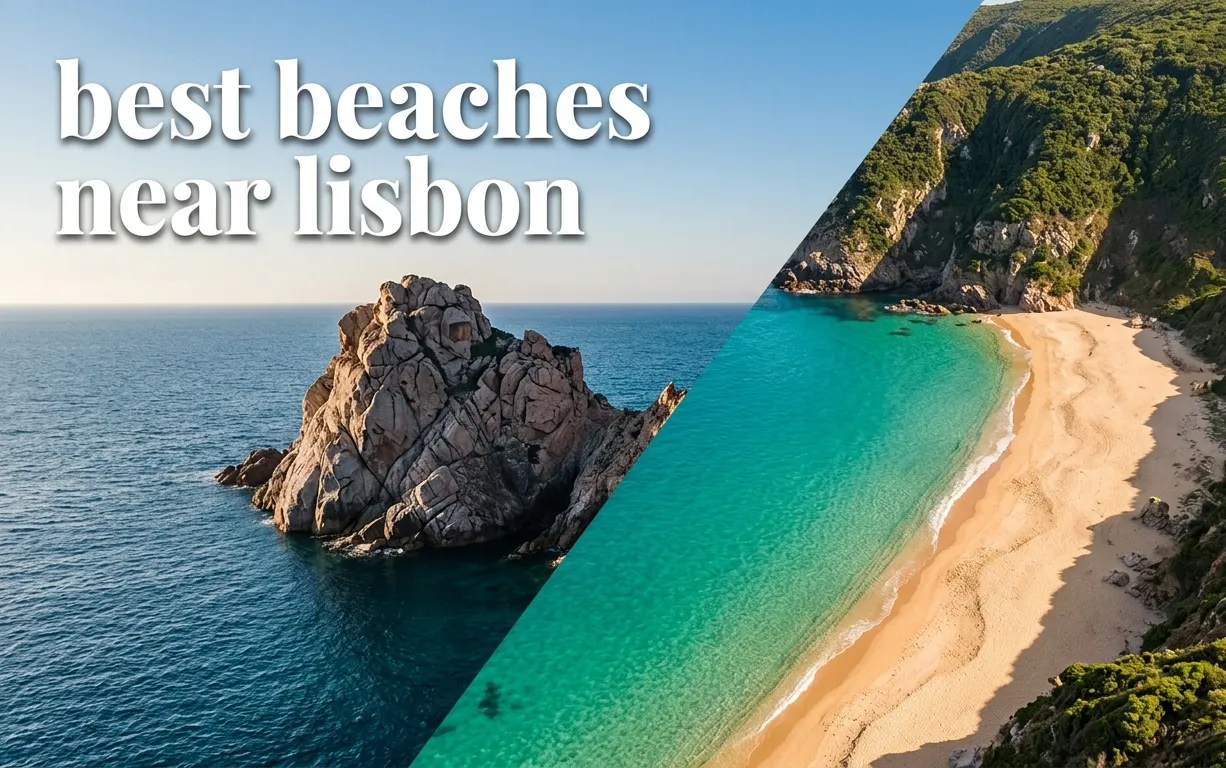
best beaches near lisbon
The single best beach near Lisbon for a complete day trip is Praia do Tamariz in Estoril. It combines train access, calm water, and a free oceanfront pool at high tide.
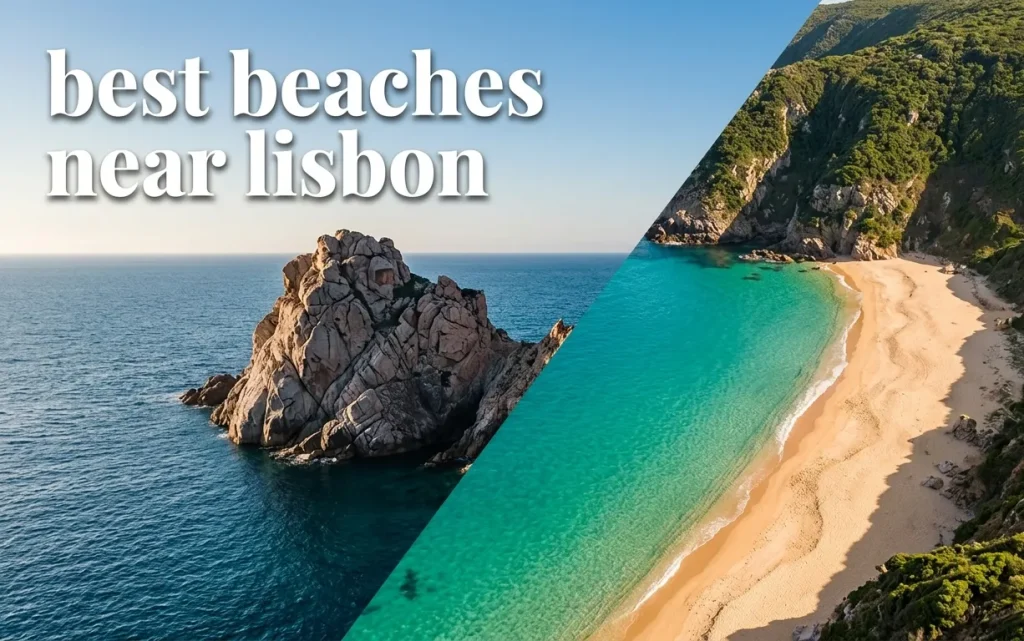
The wildest and most photogenic beach is Praia da Ursa near Cabo da Roca. This is not a swimming beach. It is a hike-down photography pilgrimage.
The best beach for long walks and surfing is Praia do Meco on the Caparica coast. It stretches for miles with a designated clothing-optional zone.
For calm, clear water and a nature reserve backdrop, head to Praia da Figueirinha in the Arrábida Natural Park. The Serra da Arrábida mountains create a Mediterranean microclimate.
Families with young children should target Praia da Rainha in Cascais. It sits in a protected cove right next to the historic town center.
The best beach for escaping Lisbon’s cruise ship crowds is Praia do Ribeiro do Cavalo. It requires a steep cliff scramble that keeps 90 percent of visitors away.
Key Takeaway: Lisbon’s best beach depends on your transport access and swim comfort level. Pick Tamariz for ease or Arrábida for beauty.
beaches near lisbon portugal
The beaches near Lisbon Portugal split into three distinct coastlines. Each region has a fundamentally different beach character and microclimate.
The Lisbon to Cascais coastline runs west along the Estoril train line. Beaches here are small, family-friendly coves with calm water and historic forts.
The Costa da Caparica stretches south of the Tagus River. It offers 30 kilometers of exposed Atlantic sand with consistent surf and a party vibe.
The Arrábida Natural Park hides an hour south of Lisbon. It shelters a protected bay with calm, Caribbean-turquoise water and dramatic limestone cliffs.
Water temperature peaks at a cold 64 to 68 degrees Fahrenheit even in August. This is not the Mediterranean. Pack a wetsuit if you plan extended swimming.
The wind pattern changes dramatically by coast. Cascais often has calm mornings. Caparica is almost always windy in the afternoon, attracting kitesurfers.
beaches lisbon portugal
The phrase beaches Lisbon Portugal is a geographical misnomer. Lisbon proper has zero ocean beaches within the city limits.
The downtown riverfront at Cais do Sodré and Praça do Comércio faces the Tagus estuary. The water is brackish, industrial, and entirely unsuitable for swimming.
The closest genuine sand beach to Lisbon’s city center is Praia de Carcavelos. You can reach it in roughly 30 minutes on the Cascais train line.
Carcavelos is the city’s unofficial summer epicenter. It fills with university students, surf schools, and families grilling sardines on the wide, golden sand.
The train drops you roughly a five-minute walk from the sand. A round-trip train ticket from Cais do Sodré is inexpensive, typically running just a few euros.
This accessibility makes Carcavelos the most democratic beach choice. It is also the most crowded choice by an overwhelming margin in July and August.
best beaches in portugal near lisbon
The best beaches in Portugal near Lisbon are concentrated inside the Arrábida Natural Park. The Serra da Arrábida mountain range blocks the north wind and warms the air significantly.
Praia da Figueirinha is the park’s crown jewel. The shallow, calm water and a protected bay create the warmest swimming conditions within a two-hour radius of Lisbon.
The water color here is a genuine Caribbean milky turquoise on a calm, sunny day. The contrast with the jagged green mountains is dramatically more beautiful than the flat Caparica coast.
Parking at Figueirinha is controlled by a physical gate system. On summer weekends, the road access closes by 9:30 a.m. due to reaching strict vehicle capacity limits.
Praia de Galapinhos, just around the cliff, was named Europe’s Best Beach by European Best Destinations in 2017. The water clarity here is the best in the region.
Arrive before 8:30 a.m. on a Saturday in July to secure legal parking. Taking a rideshare like Uber or Bolt is an option, but getting one back from the park is difficult.
costa da caparica beaches
The Costa da Caparica beaches form a 30-kilometer stretch of exposed Atlantic shoreline directly south of the Tagus River mouth. This is Lisbon’s surf and party beach region.
The urban strip starts at Praia de São João da Caparica, immediately accessible by bus from the ferry terminal. Expect densely packed umbrellas, loud music, and a young crowd.
The further south you travel along the mini-train line, the wilder and more natural the beaches become. Praia do Castelo offers a solid surf break and a quieter mid-week experience.
Praia do Meco sits at the southern limit. It is known for its nudist section, its powerful shore break, and its legendary grilled fish restaurants in the village.
Parking in Caparica uses a mix of free street parking and paid lots near the central access points. The paid lots are inexpensive, typically just a few euros for an afternoon.
This coast is not for weak swimmers. The rip currents are powerful and the shore break can throw a person hard onto compacted sand.
Key Takeaway: Costa da Caparica is a long, wild Atlantic surf coast with a party atmosphere near the ferry. Drive south for peace.
cascais beaches
The Cascais beaches are the refined, easily accessible option for a Lisbon day trip. You take the scenic train line from Cais do Sodré station along the Tagus River to the Estoril Coast.
Praia do Tamariz in Estoril is the most fully serviced beach in the region. It has a saltwater pool that fills with the high tide, a bar, and a famous ruined fort overlooking the sand.
Praia da Rainha sits in the heart of historic Cascais. It is a tiny, sheltered cove tucked between the town’s elegant buildings and a rocky cliffside.
This was formerly a private beach reserved for Portuguese royalty. The sand is fine and golden, and the water is typically calm without any dangerous surf.
Praia da Conceição is the main stretch of sand connecting Cascais to Estoril. It is a wide, family-packed expanse with excellent facilities and multiple beach bars.
Parking in Cascais is a serious logistical challenge. The underground garages near the station fill before 10 a.m. on summer weekends.
sintra beaches
The Sintra beaches are a completely different beast from the calm Cascais coves. These are wild, wind-pounded stretches of golden sand at the base of towering granite cliffs.
Praia da Adraga is the most accessible of the wild Sintra beaches. It sits at the bottom of a steep road north of Cabo da Roca, with a legendary seafood restaurant right on the sand.
Praia Grande is the massive, commercial surf hub of the Sintra coast. It has a huge parking lot, a pool complex, and an international surfing competition wave.
Praia das Maçãs is the charming tram-accessible beach at the end of the old electric tram line from Sintra town. It offers a more family-friendly vibe than the wild northern beaches.
These beaches face the full, unfiltered power of the North Atlantic. The water is consistently colder here than in Cascais due to the deep-water upwelling that feeds the powerful swells.
Do not turn your back on the ocean at Praia Grande or Adraga. Sneaker waves are a real and documented danger that pulls tourists off rocks every summer.
praia da ursa
Praia da Ursa is the most photogenic, raw, and logistically challenging beach in the Lisbon region. It sits hidden at the base of massive granite sea stacks just north of Cabo da Roca.
The beach is named for the iconic “Bear” rock formation jutting from the sea. The sand is a coarse, golden-beige mix that glitters under the oblique evening sunlight.
Access is the barrier to entry. You descend a steep, unmarked dirt trail that takes roughly 30 to 40 minutes down a crumbling cliff face.
You need hiking shoes with solid grip. People wearing flip-flops regularly injure themselves on the loose scree on this specific trail.
This is not a swimming beach in any traditional sense. The surf pounds hard, the water is deep, and there is no lifeguard coverage.
Photographers and adventurous couples should target Ursa for a late afternoon visit. The sunset light on the granite stacks is the most dramatic coastal scene in Portugal.
praia do tamariz
Praia do Tamariz in Estoril is the single most practical, fully-featured beach day trip from Lisbon. The train deposits you a flat, two-minute walk from the soft golden sand.
The beach’s most iconic feature is the Piscina do Tamariz, a massive oceanfront saltwater pool that fills with a crashing tidal wave at high tide. Entry to the pool area is separate from the free sand.
The water inside the pool is deep, clean, and calm. It is the best swimming option in the region for families with young children who fear waves.
The Tamariz sand is groomed daily, and the promenade is lined with excellent, affordable seafood restaurants. The famous Pastéis de Belém has an outpost nearby.
Parking is the primary downside of this beach. The nearby street parking is metered and extremely limited, so take the train from Cais do Sodré for a stress-free trip.
Insider Tip: The beach directly in front of the pool fills with tourists. Walk 200 meters toward Cascais for a much more spacious patch of sand at the far end of the cove.
praia da rainha
Praia da Rainha is a postcard-perfect, pocket-sized cove in the center of historic Cascais. It sits between the town’s marble-paved promenades and a weathered cliff.
The name translates to “The Queen’s Beach,” as it was once a private beach reserved for the Portuguese royal family. The cove’s intimate scale and clear water justified that royal favor.
The sand area is genuinely small, perhaps 50 meters wide. On a summer weekend, the towel-to-towel density here is intense by 11 a.m.
The water is reliably calm due to the protective cliffs on both sides of the cove. This creates a natural swimming pool effect, rare on this stretch of the Atlantic.
Arrive before 9:30 a.m. in July or August to claim a square meter of sand. The tight space makes it a poor fit for large families with coolers, umbrellas, and beach toys.
Couples and solo travelers will appreciate the secluded, romantic feel and the ability to walk directly into Cascais for lunch or a glass of vinho verde.
arrábida beaches
The Arrábida beaches sit an hour south of Lisbon inside a protected natural park. The difference in water color, temperature, and scenery from the Lisbon coast is visually staggering.
Praia da Figueirinha is the main family beach, with a wide sandbar, shallow water, and a stunning view of the Serra da Arrábida ridge. The water here is the warmest and calmest near Lisbon.
Praia de Galapinhos requires a short forest trail hike to access. The water clarity is the best in the entire Lisbon region, with a genuine, shallow-water turquoise color.
Portinho da Arrábida is a tiny, rocky cove with a few excellent seafood restaurants literally on the water. It is the best spot for paddleboarding in calm, clear, shallow conditions.
Parking is the critical logistical choke point. The park authority limits vehicle access on summer weekends and charges a per-car entry fee at the Figueirinha gate.
The access road closes fully when capacity is hit, often by 9:30 a.m. on a Saturday. This is not negotiable: when the gate drops, you turn around and drive home.
praia do ribeiro do cavalo
Praia do Ribeiro do Cavalo is the secret, unofficial gem of the Arrábida coast that requires a rugged adventure to access. It sits in a deep, inaccessible cove between Sesimbra and Cabo Espichel.
The official path is steep and unmarked, descending through thick pine forest. You follow a dirt path along a cliff edge for roughly 20 minutes to reach the final rocky scramble down.
The sand is blindingly white limestone pebbles and coarse sand. The water is shockingly clear and a deep, glassy emerald green on a calm, windless day.
There are zero facilities. No bathrooms, no lifeguards, no snack bar, and no cell service. You must pack all water and food in and carry all trash out.
The reward is a beach that feels undiscovered. Even in the peak of August, you might share this cove with only a dozen other people.
Solo travelers and adventurous couples will find this the most rewarding beach experience near Lisbon. Weak swimmers and families should stay at Figueirinha instead.
praia da adraga
Praia da Adraga is a breathtaking, rugged beach north of Cabo da Roca that epitomizes the wild Sintra coastline. It sits at the base of a lush green valley that cuts through the granite cliffs.
The beach is famous for its colossal, wave-carved rock formations at the waterline. At low tide, you can walk through caves and arches that glisten with exposed mussel beds.
The Restaurante da Adraga sits directly on the sand. It is one of the best seafood restaurants on the entire Portuguese coast, serving locally caught fish grilled over open coals.
The surf here is powerful and unpredictable. You must never wade out past your knees unless you are a strong, experienced ocean swimmer.
Sneaker waves are a genuine danger. A calm set of waves can suddenly be followed by a massive surge that rushes dozens of meters up the beach and sweeps belongings into the sea.
Parking is free in a large dirt lot above the beach. Arrive for an early lunch at the restaurant and claim a table with a view of the wild Atlantic.
praia do meco
Praia do Meco marks the remote, natural southern limit of the Costa da Caparica. It is a vast, wild stretch of sand famous for powerful surf and a popular clothing-optional section.
The beach sits far from the Caparica mini-train line, requiring a bus or a car. A wide wooden staircase descends from the cliff-top parking lot to the massive expanse of golden sand.
The designated nudist beach is on the southern section, clearly signed and accepted as part of the local culture. The northern section is a standard textile beach.
The surf break is heavy and barrels dangerously on a big Atlantic swell. This is a surfers’ beach first and a swimmers’ beach as a distant second.
The restaurant scene at Meco is legendary among Lisbon locals. The village above the cliffs is packed with rustic, high-quality grilled fish houses serving fresh-caught sea bass and dourada.
Surfers and open-minded couples will love Meco’s authentic, untamed atmosphere. Families with young children will find the powerful shore break and remote location impractical.
Safety and Seasonal Warnings for Lisbon Beaches
The North Atlantic is a cold, powerful ocean. The biggest risk to tourists is underestimating the shore break and rip currents.
Key safety and seasonal facts every visitor should know:
- Water Temperature: The ocean rarely exceeds 68 degrees Fahrenheit even in August. Hypothermia risk is real for extended swimming without a wetsuit.
- Rip Currents: The exposed Caparica and Sintra coasts have permanent rip channels. Swim parallel to shore to escape a rip, never fight directly against it.
- Sneaker Waves: Beaches like Praia da Ursa and Praia da Adraga experience sudden, massive surges of water that can sweep people off rocks.
- Sun Intensity: The UV index is extreme from May through September. Reapply high-SPF sunscreen every 90 minutes.
- Cliff Instability: The access trails at Ursa, Ribeiro do Cavalo, and Adraga are not maintained. Falling rock and loose scree injuries are common.
Contact the Portuguese Maritime Authority (Polícia Marítima) for emergencies on the beach. Dial 112 for all emergency services in Portugal.
Frequently Asked Questions About Beaches Near Lisbon
How far are beaches from Lisbon?
The closest beach to Lisbon is Praia de Carcavelos, roughly a 30-minute train ride from Cais do Sodré station.
Cascais and Estoril beaches are a 35- to 40-minute train ride on the same line.
The Arrábida beaches are roughly a 50- to 60-minute drive south across the 25 de Abril Bridge.
Can you swim at Lisbon beaches in June?
Yes, you can swim, but the water is still cold by most standards at roughly 62 to 66 degrees Fahrenheit.
The Arrábida protected bay warms slightly faster and is the most comfortable June swimming option near Lisbon.
Pack a light wetsuit if you plan extended swimming in June, especially on the exposed Sintra coast.
Is Cascais or Costa da Caparica better?
Cascais is better for families and those wanting easy train access to calm, sheltered coves.
Costa da Caparica is better for surfers and those wanting a long, party-focused sand strip with powerful waves.
The choice depends entirely on whether you value protection from waves or the raw energy of the Atlantic.
Which beach near Lisbon has the clearest water?
Praia de Galapinhos in the Arrábida Natural Park has the clearest water near Lisbon.
The protected bay and the lack of river sediment create a Caribbean-turquoise clarity on a calm day.
Praia do Tamariz in Estoril also offers good clarity on a calm, windless morning.
Do you need a car for Lisbon beaches?
No, you do not need a car for the Cascais coast beaches, which are directly served by the Lisbon to Cascais train line.
You need a car or a rideshare like Uber or Bolt to reach the wild Sintra beaches and the Arrábida Natural Park.
The Costa da Caparica beaches are accessible via a short ferry ride from Cais do Sodré followed by a bus.
Is Praia da Ursa safe to visit?
The trail down to Praia da Ursa is steep, unmaintained, and dangerous without proper hiking shoes.
The beach itself is not safe for swimming due to powerful, unpredictable surf and deep water with no lifeguards.
It is safe for photography and a careful walk, but the cliff scramble is not for young children or those with mobility issues.
Your 2026 Lisbon Beach Strategy
You now know Lisbon is a river city with a train line to golden sand. The best beach for you depends entirely on your tolerance for Atlantic chill and transportation logistics.
Download the Bolt rideshare app before your trip for reaching Arrábida and Sintra. Take the cheap, scenic Cascais train for Carcavelos, Estoril, and Tamariz.
The most important gear for a Lisbon beach day is a pair of solid sandals with grip for the rocky access trails. Bring a windbreaker even in August for the windy Caparica coast.
Verify the gate status for Arrábida before driving early on a weekend. Confirm the Cascais train schedule from the CP Comboios de Portugal website.
Embrace the cold, powerful Atlantic as a true Portuguese experience. After the beach, a plate of charcoal-grilled sardines and a glass of vinho verde will warm you from the inside.