Tenerife Beaches Guide 2026: 12 Best Spots & Tips
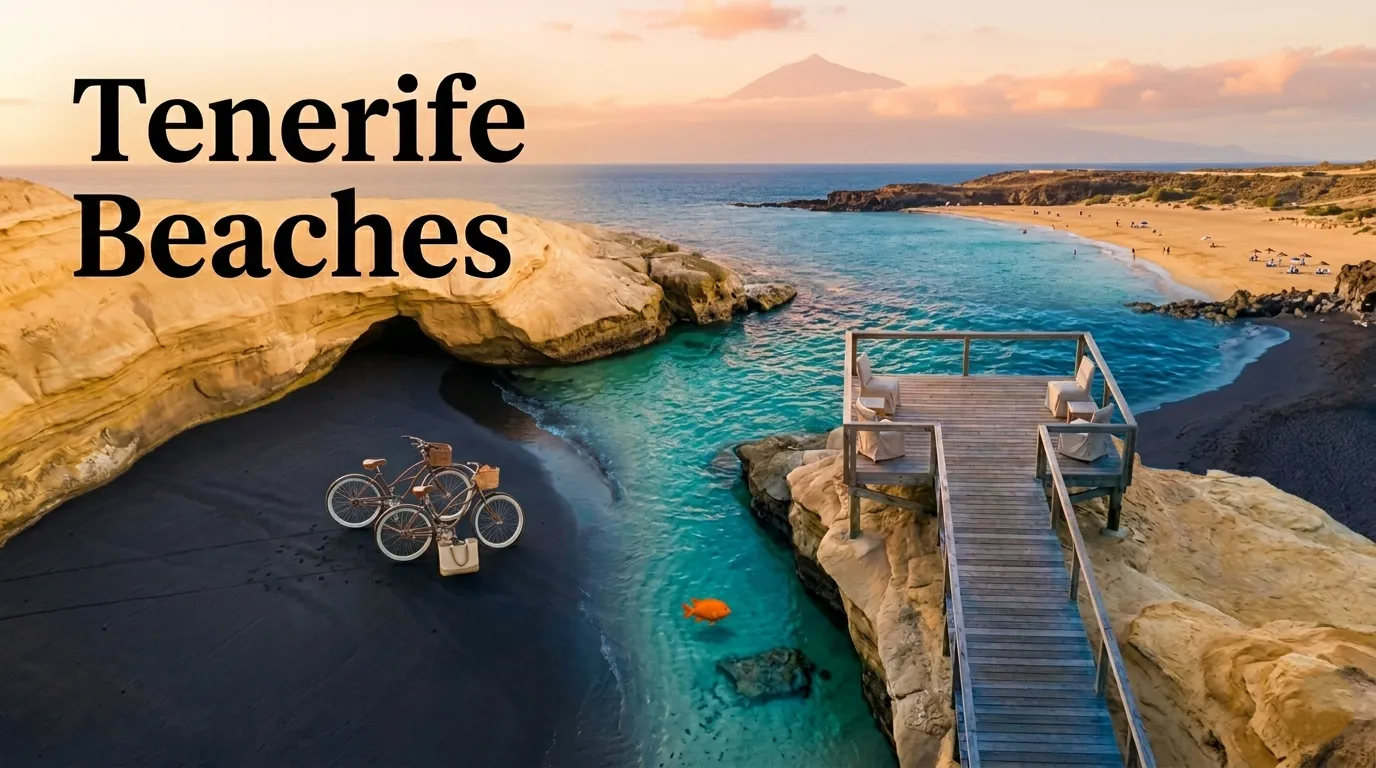
Tenerife does not have one single beach style. The island is a radical geological split between black volcanic sand in the north and golden Sahara sand in the south.
The beach you choose defines your entire holiday experience. A wrong choice means you fight the wind, the waves, or the crowds for a week.
This guide names every beach that matters. I will tell you honestly which strip of sand fits your specific mission, from a family swim to a wild, cliff-backed surf check.
Tenerife Beaches Overview
Tenerife’s beaches are a study in extreme contrast shaped by volcanic geology and imported sand. The island splits into a lush, rugged north and a sunny, arid south.
The north coast has wild, dramatic, black-sand beaches pounded by Atlantic swell. The sand is coarse, dark, and strikingly beautiful against the green cliffs.
The south coast is a purpose-built sun destination. Many of its golden-sand beaches were created with sand imported from the Sahara Desert, making them soft, wide, and calm.
According to Turismo de Tenerife, the island boasts over 400 kilometers of coastline and more than 40 named beaches. The weather is the defining variable, with the north often under a blanket of cloud while the south bakes in clear sun.
The water is a deep, dark Atlantic blue. It is clean and refreshing but never the bath-warm turquoise of the Caribbean, even in August when it peaks around 75°F.
Key Takeaway: Choose the south for guaranteed sun and calm water. Choose the north for wild beauty and surfing.
Best Beaches in Tenerife
The best beach in Tenerife is not a single place. It shifts depending on whether you want a safe family swim, a perfect wave, or a postcard volcanic view.
Playa del Duque in Costa Adeje is the island’s premier luxury beach. Playa de Benijo in the Anaga wilderness is the most dramatically beautiful.
My comparison table below provides an honest ranking. It matches each major beach to its ideal traveler, sand type, and core activity.
| Beach | Region | Sand Type | Best For | Honest Note |
|---|---|---|---|---|
| Playa del Duque | South (Costa Adeje) | Golden Sahara | Couples, luxury, calm swims | Premium, clean, and artificial. Sunbeds are expensive. |
| Playa de Las Vistas | South (Los Cristianos) | Golden Sahara | Families, accessibility | The best wheelchair-accessible beach with calm water. |
| Playa de Las Teresitas | East (San Andrés) | Golden Sahara | Local families, photos | Stunning view, but the water can be murky. |
| Playa del Médano | South (El Médano) | Natural golden | Windsurfing, kitesurfing | The wind is a feature, not a bug. Do not come here for a calm sunbathe. |
| Playa Jardín | North (Puerto de la Cruz) | Black volcanic | Families, gardens, design | A beautiful César Manrique design, but the surf can be rough. |
| Playa Bollullo | North (La Orotava) | Black volcanic | Couples, seclusion | A hidden gem requiring a steep walk. Worth the effort. |
| Playa de Benijo | North (Anaga) | Black volcanic | Photographers, sunset, raw beauty | Wild, dangerous for swimming, and utterly spectacular. |
| Playa de los Gigantes | West (Los Gigantes) | Black volcanic | Scenery, boat trips | The beach is small and can be windy, but the cliff view is a 10/10. |
A first-time visitor seeking a classic holiday should head straight to the southern strips of Costa Adeje. A nature lover should rent a car and chase the wild north-coast coves.
Tenerife North vs South Beaches
The north and south coasts of Tenerife offer completely different beach holidays. Choosing between them is your single most important decision.
The south, centered on Costa Adeje and Los Cristianos, is a sunny, arid, and well-organized resort zone. It has the golden sand, the calm water, and the reliable weather.
The north, centered on Puerto de la Cruz, is greener, wilder, and culturally richer. Its beaches are dramatic black-sand coves, but the weather is more volatile with more cloud and rain.
A common, trip-ruining mistake is booking a charming hotel in the north expecting a week of sunbathing. The north’s beauty is in its volcanic power, not in guaranteed sunshine.
The south is for the classic sun-and-sand holiday. It is best for families and couples who want to swim, sunbathe, and eat at a beachfront chiringuito with calm, predictable conditions.
The north is for surfers, hikers, and landscape photographers. It suits active travelers who care more about a dramatic view than a calm swim, and it is a poor fit for a poolside lounger.
Playa de Las Teresitas
Playa de Las Teresitas is Tenerife’s most photographed beach, a mile-long crescent of golden sand set against the green Anaga Mountains. It is an artificial masterpiece in the village of San Andrés.
The sand was shipped here from the Sahara in the 1970s. A long breakwater keeps the surf calm, creating a safe, lagoon-like swimming zone that is rare for this side of the island.
The beach is a local favorite, which means it gets genuinely crowded on weekends and holidays. The village of San Andrés fills with cars, and the parking becomes a stressful scramble by midday.
The water is calm but can appear murkier than the south-coast beaches. This is due to the fine Sahara sand suspended in the water, not pollution, but it is a visual disappointment for some.
This is the best beach for a Tenerife postcard photo and a long, scenic walk. Couples and families from Santa Cruz flock here, so go on a weekday morning in May or October for the quietest experience.
Key Takeaway: Las Teresitas is a local treasure, not a tropical secret. The water is calm but visually cloudy.
Playa del Duque
Playa del Duque is the most elegant and upscale beach in Tenerife. It anchors the luxury end of Costa Adeje and is surrounded by five-star hotels and designer shops.
The sand is soft, clean, and golden. The water is a calm, clear, deep blue, and the entire bay feels curated for a premium, peaceful experience.
The facilities are excellent, with stylish chiringuitos and clean restrooms. The sunbeds here are the most expensive on the island, with a pair typically costing 15 to 20 euros per day, and you should budget for this.
The breakwater keeps the surf gentle, making it a safe swimming spot. It is the perfect beach for couples and honeymooners who want a polished, quiet, and comfortable sunbathing day without children running wild.
Budget and value travelers will find the surrounding restaurants and bars far more expensive than Los Cristianos. This is the place to dress well, pay for a sunbed, and enjoy a glass of wine, not a cheap beer.
Playa de Benijo
Playa de Benijo is the wild, jaw-dropping antithesis of the southern resort beaches. It sits at the far tip of the Anaga Rural Park, a winding drive through a prehistoric laurel forest.
The sand is jet-black volcanic grit. The beach is backed by towering, jagged rock formations called the Roques de Anaga, which rise from the sea like stone monsters.
This is not a swimming beach. The waves are powerful, the currents are dangerous, and there is no lifeguard. You come here for the view, the sunset, and the sheer raw power of the Atlantic.
Sunset at Benijo is a ritual. The sky explodes in orange and pink behind the Roques, and photographers line up on the sand to capture one of the most dramatic scenes in Spain.
Access requires a steep walk down a paved path from a small, often-full parking area. The drive alone takes over an hour from the south, so this is a full-day mission for landscape lovers, not a casual swim stop.
Key Takeaway: Benijo is a photographer’s dream and a swimmer’s danger. Go for the sunset, not the surf.
Tenerife Surfing Beaches
Tenerife is a world-class surfing destination, and the north coast is the epicenter. The same volcanic geology that creates the black sand also shapes powerful, hollow reef breaks.
Playa del Socorro near Los Realejos is the island’s most consistent and best-known surf beach. It is a black-sand, reef-break spot suitable for intermediate and experienced surfers.
Playa Martiánez in Puerto de la Cruz is the primary beach break for beginners. Several surf schools operate right on the sand, and the gentle, rolling waves are perfect for a first lesson.
The south coast offers a completely different surfing experience. The waves here are generally smaller and windswell-driven, with the best spots found near Playa de las Americas.
In winter, the north-coast swell becomes a serious, powerful force. Beginners should only surf in the south or at Martiánez. Never paddle out at an exposed north-coast reef break without local knowledge of the rocks and currents.
Surf lessons for a half-day typically cost 40 to 60 euros in 2026. Book your instructor the week before, as the best ones fill their schedules during the peak summer and winter swell seasons.
Tenerife Snorkeling Beaches
Snorkeling in Tenerife is an honest but modest affair. The volcanic, nutrient-rich Atlantic water supports abundant life, but you will never mistake it for the crystal-clear shallows of the Maldives.
The best beginner snorkeling spot is Playa del Duque. The calm, clear water and the rocky edges of the breakwater attract schools of small, colorful fish like ornate wrasse and parrotfish.
For a more advanced and rewarding experience, go to Radazul Bay on the east coast. This is a designated marine reserve with a steep drop-off accessible directly from a concrete jetty.
The water is cold by tropical standards. A 3mm shorty wetsuit will keep you comfortable in summer, and a full-length suit is necessary from November through May when the water drops to around 66°F.
Never snorkel on a north-coast beach in winter. The powerful swell reduces visibility to near zero, and the surge can push you against the sharp volcanic rocks, making it a genuinely dangerous activity.
Tenerife Family Beaches
The best family beach in Tenerife is Playa de Las Vistas in Los Cristianos. It is a wide, golden-sand bay with a gentle entry, calm water, and a full suite of family-focused amenities.
The beach has a raised promenade with shops and cafes directly behind it. The sand is soft and safe for play, and the water deepens so slowly that children can wade out a considerable distance safely.
Playa del Duque is an excellent choice for families who want a quieter, more upscale environment. The water is calm, but the sunbed cost adds up quickly for a family of four, so pack a large blanket and set up on the free sand.
Playa de Las Teresitas works well for families with older children who can handle the slightly murkier water. The breakwater creates a safe pool, but the weekend crowds can be overwhelming for parents with toddlers.
The most important family safety rule is to obey the beach flag system. A red flag means no swimming, and this is enforced by lifeguards on all major beaches, especially during the winter swell season.
Key Takeaway: Las Vistas in the south is the no-brainer family beach. Safe, calm, and accessible.
Best Tenerife Beaches for Couples
A romantic beach in Tenerife means quiet, scenic, and far from the resort crowds. This rules out most of Costa Adeje’s main strips.
Playa Bollullo is the best romantic beach on the island. This secluded black-sand cove is reached via a steep, 15-minute walk through banana plantations, which filters out the casual sunbather.
The beach feels wild and intimate. You share the dark, coarse sand with just a few other couples and the sound of the crashing waves, which are too powerful for swimming but perfect for a dramatic backdrop.
For a luxury romantic experience, book a sunbed at a beach club on Playa del Duque at sunset. The service is impeccable, the wine is cold, and the atmosphere is sophisticated and quiet.
A sunset dinner at a restaurant overlooking Playa de Benijo is the ultimate romantic gesture. The view of the Roques de Anaga as the sun melts into the sea is a moment that defines a trip.
Tenerife Hidden Beaches
Tenerife’s hidden beaches are hidden for a reason. They require a hike, a rough track, or a local’s knowledge to find, which is exactly what keeps them quiet.
Playa de Antequera is a stunning, remote black-sand beach in the Anaga range. The only ways to reach it are a challenging 2.5-hour hike down a steep barranco or a boat trip from Santa Cruz.
The hike is spectacular but punishing. You must carry all your water and food, and the beach is completely undeveloped, so this is a serious day trip for experienced hikers, not a casual stroll.
Playa de las Gaviotas is a smaller, more accessible black-sand beach just past Las Teresitas. It has a nudist section and a more bohemian, local atmosphere, and it is reached by a short, steep staircase.
Playa de Diego Hernández near La Caleta in the south is a hidden pocket cove favored by locals in the know. There are no sunbeds, no chiringuitos, and no parking lot, just a narrow strip of sand and clear, protected water.
Tenerife Beach Access
Access to Tenerife’s beaches ranges from a fully paved, wheelchair-accessible promenade to a treacherous goat path. You must know the difference before you go.
All major resort beaches like Las Vistas and Del Duque have flat, paved access and designated disabled parking. They are stroller-friendly and easy to navigate for all ages and mobility levels.
Wild north-coast beaches like Benijo and Bollullo require a steep descent on paved footpaths with many stairs. Anyone with knee problems or limited fitness will find them a genuine struggle.
The most remote beaches, like Antequera, are only accessible by a multi-hour hike with no shade. Do not attempt these hikes in summer without a minimum of two liters of water per person and a start time of 8 AM.
Always check the official Cabildo de Tenerife website before hiking to a remote beach. Trails in the Anaga region are periodically closed for maintenance or due to rockfall risk, and the closure notice is often only posted online.
Tenerife Beach Parking
Parking at Tenerife beaches is a mixed experience. The southern resorts have large, organized pay lots, while the northern coves force you into small, chaotic pull-offs.
In Costa Adeje and Los Cristianos, use the large underground parking at Avenida de España or the designated beach lots. A full day of parking typically costs 5 to 10 euros.
At Playa de Las Teresitas, a huge free lot stretches behind the beach, which feels like a gift. It fills completely by noon on a sunny Saturday, so arrive early to claim your spot.
Parking at Playa de Benijo is a small, dirt pull-off on a steep cliff road. In winter sunset season, the parking situation is a chaotic, stressful game of inches, so arrive at least an hour before sunset.
Never leave valuables visible in a parked car at a remote trailhead. Break-ins at isolated hiking spots are a known risk, so take your passport and wallet with you in a waterproof bag.
Key Takeaway: Parking is easy at the southern resorts and a stressful gamble at the northern coves. Arrive early everywhere.
Tenerife Beach Flags
The beach flag system on Tenerife is a strict, legally enforced safety measure, not a suggestion. You must understand it before you enter the water.
A green flag means safe swimming. A yellow flag means caution, and you should only swim if you are a confident, strong swimmer who stays within the marked safety zone.
A red flag means swimming is prohibited. Ignoring a red flag can result in a fine from the local police, and more importantly, it can kill you in a powerful Atlantic rip current.
The flag is often red on north-coast beaches for the entire winter season. The swell is simply too powerful for safe swimming, and the lifeguards will whistle you out of the water immediately if you enter.
Always look for the flag at the main lifeguard station before setting up your towel. The ocean conditions can change drastically from morning to afternoon, and a green flag at 9 AM can become yellow by noon.
Best Time to Visit Tenerife Beaches
The best time to visit Tenerife for a purely beach-focused holiday is September. The summer crowds have gone home, the Atlantic water is at its warmest around 75°F, and the calima risk is low.
June through August offers the most reliable sun and the liveliest atmosphere. This is when the water is calmest on the south coast, but you pay for it with peak hotel rates and the need to book a sunbed by 10 AM.
January and February are the prime months for a winter sun escape. The air is a pleasant 70°F, and the south coast is sunny, but the water is a bracing 66°F, and the calima is most common.
Spring and autumn are the sweet spot for an active trip. You can sunbathe on a calm south-coast beach in the morning and hike through the wildflowers in Anaga in the afternoon without oppressive heat.
The islands’ trade winds are the defining variable. The south coast is sheltered by Mount Teide, while the north and east coasts are deliberately windy, which is perfect for the world-class windsurfing at El Médano.
Tenerife Calima
The calima is a hot, dusty wind that blows from the Sahara Desert and can transform a Tenerife beach holiday overnight. It is a phenomenon every visitor should know about.
A severe calima feels like standing in a giant hairdryer. The sky turns a hazy, pale yellow, visibility drops, the heat becomes oppressive even at night, and a fine layer of red Saharan dust settles on every surface.
The calima can occur at any time of year but is most frequent in winter. It is unpredictable, typically lasting from two to five days, and there is nothing you can do except wait for it to pass.
During a bad calima, a day at the beach is miserable. The sand blows painfully against your skin, the air is hard to breathe, and the hazy sky blocks the sun, creating a strange, oppressive light.
The best strategy is to check the forecast for the Spanish word “calima” before you travel. If one is forecast, swap the beach for a trip up to the clear air above the haze on Mount Teide, where you often escape the dust layer.
Key Takeaway: The calima is a Saharan weather event that ruins a beach day. Check the forecast and have a backup plan.
Safety and Seasonal Warnings for Tenerife Beaches
Tenerife beaches are beautiful but demand a specific, non-negotiable respect for the Atlantic Ocean. The sea is powerful, and the cliffs are real.
Key safety and seasonal facts every visitor should know:
- Rip Currents: Powerful rips can form at any beach, especially near headlands and during winter swells. If caught, do not fight it; swim parallel to the shore until you are free, then swim back in.
- Cliff Collapse: The volcanic cliffs backing many north-coast beaches are unstable. Never sit, sunbathe, or place your towel directly at the base of a vertical cliff face.
- North Swells: From October through March, the north-coast surf can triple in size in a single hour. Never turn your back on the ocean, and never swim on an unsupervised north-coast beach in winter.
- Sun Intensity: The Canary Islands are at the same latitude as Florida. The sun is intense even on a cloudy day, and a high-factor SPF 50 sunscreen, a hat, and UV-protective sunglasses are mandatory year-round.
- Marine Life: Stinging jellyfish, specifically the Portuguese man o’ war, can wash ashore during periods of strong wind. Do not touch them even if they appear dead, as their tentacles deliver a painful, dangerous sting.
For any beach emergency, call 112, the single European emergency number. All major beaches have lifeguards on duty during the peak season from 10 AM to 6 PM.
Frequently Asked Questions About Tenerife Beaches
Which part of Tenerife has the best beaches?
The south coast, specifically Costa Adeje and Los Cristianos, has the best beaches for swimming and sunbathing.
These beaches have calm, clear water, soft golden sand, and full facilities.
The north coast has more beautiful, wild scenery but is rougher and cloudier for a traditional beach holiday.
Are Tenerife beaches black sand?
Many north-coast beaches are naturally made of coarse, black volcanic sand.
The south-coast beaches are mostly golden sand that was imported from the Sahara Desert.
You can find both natural golden sand at El Médano and stunning black sand at Playa Jardín.
Is it safe to swim at Tenerife beaches?
Yes, it is very safe on the calm, lifeguarded beaches of the south coast.
You must obey the strict flag system, as a red flag means no swimming under any circumstances.
Never swim at an unsupervised north-coast beach in winter due to the powerful Atlantic swell.
Which Tenerife beach is best for children?
Playa de Las Vistas in Los Cristianos is the best beach for children of all ages.
It has soft sand, a very gentle water entry, a playground, and a calm, protected bay.
The flat promenade behind it makes it easy to navigate with a stroller.
Can you surf in Tenerife?
Yes, Tenerife is a world-class surfing destination, especially for reef breaks on the north coast.
Playa Martiánez in Puerto de la Cruz is the best spot for beginners with several surf schools.
Experienced surfers should head to Playa del Socorro for a powerful, consistent winter swell.
What is the best time of year to visit Tenerife for a beach holiday?
September is the best month for the warmest water, fewest crowds, and calm weather.
June through August offers the most reliable sun but with peak tourist crowds and higher prices.
January and February are excellent for a warm winter escape, though the ocean will be cooler at around 66°F.
The defining truth of Tenerife is that the island is two different beach holidays in one. Pick the sunny, golden south for a classic swim-up-bar vacation, or pick the wild, black north for a surfing and hiking adventure.
Your first step is to decide which of those two trips you actually want. Then rent a car, book the specific beach from this guide that matches your mission, and arrive by 10 AM to claim your spot.
All 2026 beach access conditions, parking fees, and trail closures are subject to change. Verify the current status on the official Cabildo de Tenerife website before you leave home.