Best Beaches in the USA 2026: An Honest Coastal Guide
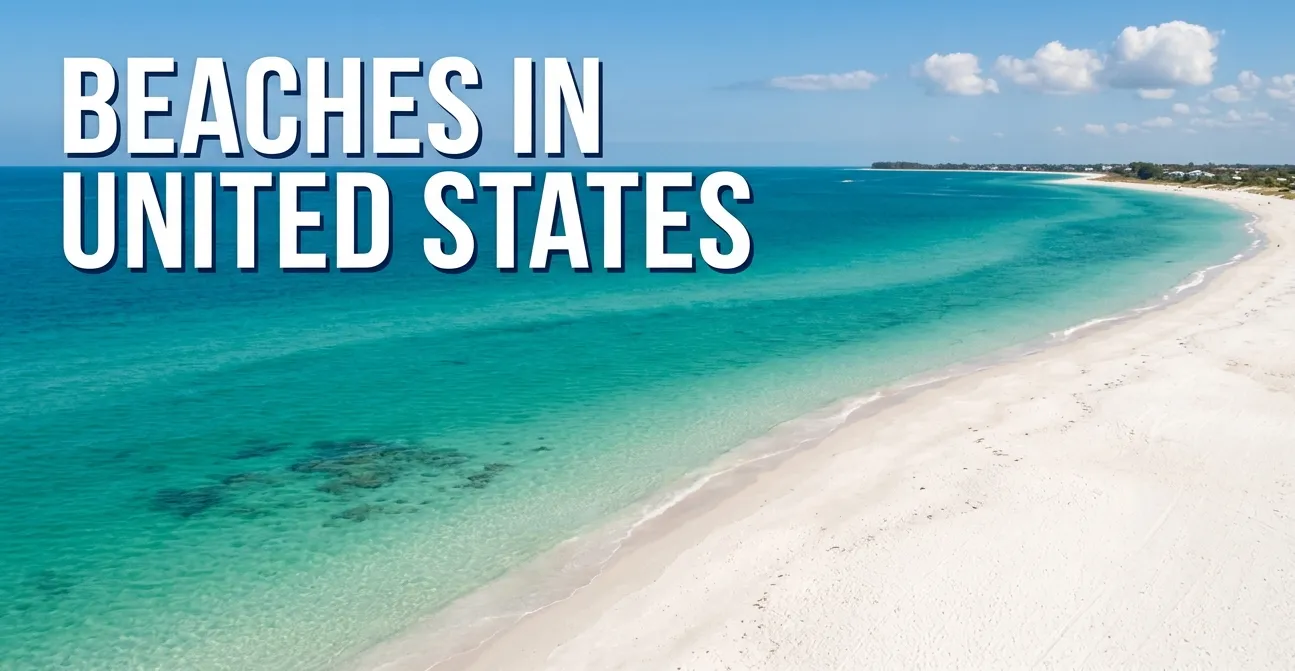
The beaches in united states span from the cold, moody Pacific to the warm, turquoise Caribbean. The single most important filter is not beauty, it is the month of your trip.
A Florida beach that is perfect in April can be a humid, seaweed-choked swamp in July. A California beach that is gray and frigid in June can be spectacular in October.
This guide names the specific beaches that deliver. It also names the famous ones that underdeliver, and it matches each coast to the traveler who will love it most.
beaches in united states
The beaches in united states cannot be ranked on a single list because they operate in completely different climate systems. The Pacific, Atlantic, Gulf, and Caribbean beaches of the US have almost nothing in common.
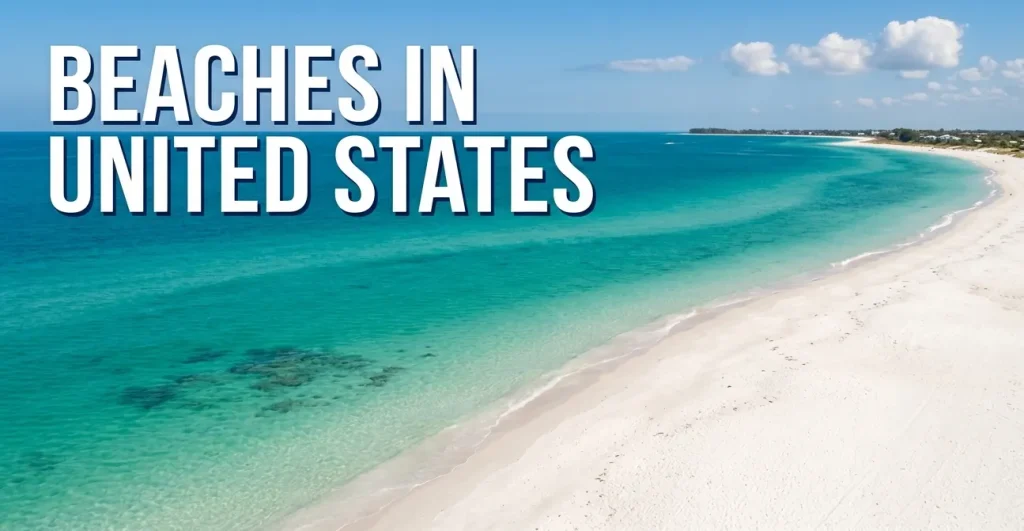
The Gulf Coast from Florida to Texas has the whitest, finest sand in the country. The water is warm, shallow, and often crystal clear.
The Pacific Coast offers dramatic, cliff-backed scenery with cold, rough water. You come here to look, hike, and surf, not to float in bath-warm shallows.
Hawaii and the US territories in the Caribbean deliver the tropical island experience. Expect volcanic black sand, coral reefs, and warm water year-round.
The Mid-Atlantic from New Jersey to the Carolinas is the classic American boardwalk beach. It is social, developed, and best for a specific kind of nostalgic family trip.
beaches in the usa
The most common mistake travelers make with beaches in the usa is assuming warm weather equals warm water. This single assumption ruins trips to California every summer.
The Pacific Ocean runs a frigid current from Alaska. Santa Monica Beach water temperatures peak at around 68 degrees Fahrenheit in August.
That is cold enough to require a wetsuit for all but the quickest dip. For a New Englander, it might feel refreshing, but for a Floridian, it is a shock.
Meanwhile, Hilton Head Island in South Carolina has water that reaches the low 80s by July. The air temperature and water temperature in the Southeast and Gulf actually match in summer.
This water temperature divide is the fundamental filter for your trip. Choose your coast based on whether you want to swim, or whether you want to walk and look.
Key Takeaway: The Pacific is for viewing and surfing. The Gulf and Atlantic South are for swimming.
prettiest beaches in us
The prettiest beaches in us are not the ones with the most hotels and bars. They are the protected, hard-to-reach places where geology and water color collide.
Pfeiffer Beach in Big Sur, California, has purple sand caused by manganese garnet washing down from the cliffs. A natural rock arch stands just offshore.
Cannon Beach in Oregon is dominated by Haystack Rock, a 235-foot sea stack that rises from the sand like a cathedral. The beach is vast, moody, and often empty.
Hanauma Bay on Oahu, Hawaii, is a flooded volcanic crater with water so clear you can see the coral from the parking lot. The curve of the bay is visually perfect.
These beaches are not resorts. They are natural wonders, and their beauty demands specific seasonal timing and a tolerance for cold water and wind.
prettiest beaches in the usa
For pure, consistent tropical beauty, the prettiest beaches in the usa are in Puerto Rico and the US Virgin Islands. No passport is required for US citizens.
Flamenco Beach on Culebra Island, Puerto Rico, is a horseshoe of white sand facing water striped in bands of turquoise and royal blue. There are no high-rise hotels here.
Trunk Bay on St. John in the USVI has an underwater snorkeling trail marked by signs. The sand is flour-soft, and the bay is protected from open-ocean swells.
These beaches compete visually with anything in the Maldives or the Seychelles. The difference is you can reach them on a domestic flight and spend US dollars.
The honest limitation is infrastructure. Culebra is a small island with limited power and water. Luxury here means a simple villa, not a Four Seasons.
best US beaches
A shortlist of the best US beaches must account for what you actually want to do when you get there. The answer filters the country into three lanes.
To swim and float in clear, warm, shallow water with zero waves, go to the Florida Gulf Coast. Siesta Key Beach is the gold standard for this experience.
To surf or watch powerful waves in a dramatic setting, go to the North Shore of Oahu or the central California coast. Waikiki Beach is the beginner-friendly entry point.
To experience a wild, undeveloped barrier island, go to the national seashores of the East Coast. Cumberland Island in Georgia has wild horses and empty beaches.
There is no single best beach. There is only the best beach for your specific activity and tolerance for cold water and crowds.
best beaches in florida
The best beaches in florida are on the Gulf Coast, not the Atlantic side. The sand is whiter, the water is calmer, and the sunsets are better.
Siesta Key Beach near Sarasota has sand that is 99% pure quartz crystal. It stays cool underfoot even on a 95-degree day.
The water here is shallow and warm, extending at waist depth for 50 yards or more. It is the safest and most comfortable swimming beach in the continental United States.
Clearwater Beach is the more developed resort alternative. It has a long pier, calm water, and a family-friendly scene with plenty of hotels and restaurants.
Avoid Florida’s Atlantic beaches like Daytona Beach if you want clear water. The surf churns up sediment, and the hard-packed sand is built for cars, not barefoot luxury.
Key Takeaway: Florida Gulf sand is cooler, whiter, and softer than Atlantic sand. This is a quartz geology fact, not a marketing claim.
best beaches in california
The best beaches in california are about spectacle, not swimming. The water is cold, the surf is powerful, and the scenery is unmatched.
Pfeiffer Beach in Big Sur is the most visually unique. Purple sand, a rock arch, and zero commercial development make it a photographer’s pilgrimage site.
Coronado Beach in San Diego is the closest California gets to a classic resort beach. The sand here has a high mica content, so it glitters gold in the afternoon light.
The water is still cold, even in San Diego. Summer water temperatures at Coronado hover in the upper 60s, and a wetsuit is common for bodyboarders.
For a couple (Profile 1) wanting a romantic Pacific sunset walk, California is peerless. For a family (Profile 3) wanting to float in warm water all day, it is the wrong choice.
best beaches in hawaii
The best beaches in hawaii are split between the developed resort coasts and the wild, remote shores that define the islands’ geological drama.
Kaanapali Beach on Maui is the iconic resort beach. Three miles of golden sand front a row of hotels, with calm water and a paved beachwalk connecting it all.
Hanauma Bay on Oahu is the best snorkeling beach in the United States for beginners. The water inside the volcanic crater is calm, clear, and full of fish.
Waikiki Beach is the world’s most famous beach for learning to surf. The gentle, rolling waves and warm water make it perfect for a first lesson.
The honest crowd assessment for Hawaii is critical. Hanauma Bay requires advance reservations, and the parking lot fills by 8 a.m. in peak season.
Kaanapali is busy, but the beach is long enough to absorb the crowds. For a luxury seeker (Profile 5), the Wailea side of Maui offers quieter, more exclusive sands.
best beaches in US for families
The best beaches in US for families are defined by one feature above all others. A gentle, shallow entry into calm, clear, warm water.
Siesta Key Beach in Florida is the ultimate family beach. The water is like a shallow, clear bathtub for a hundred feet from shore.
Coligny Beach Park on Hilton Head Island, South Carolina, has clean facilities, free parking, and gentle surf. It is designed for family comfort from the parking lot to the waterline.
Coronado Beach in San Diego is the best family option on the West Coast. The sand is flat and firm, perfect for sandcastles, and the Hotel del Coronado sits right behind it.
For families, avoid any beach with a steep shore break. Hanakapiai Beach on Kauai’s Na Pali Coast is famously beautiful and notoriously deadly for swimming, especially for children.
Key Takeaway: The best family beach has a lifeguard tower, a bathroom, and water that stays shallow for a long, long way.
clearest water beaches in the US
The clearest water beaches in the US are not on the mainland. They are on the protected leeward shores of the Hawaiian Islands and the US Caribbean territories.
Hanauma Bay, Oahu, has visibility routinely exceeding 50 feet inside the protected crater. You can see the coral reef floor from your towel on the beach.
Trunk Bay on St. John, US Virgin Islands, has underwater visibility that rivals the Cayman Islands. The water color is an electric, almost artificial turquoise.
Flamenco Beach on Culebra, Puerto Rico, has no rivers dumping sediment into the bay. The water is a transparent gradient of pale blue to deep indigo.
On the mainland, the Florida Keys offer the clearest water. Bahia Honda State Park has Caribbean-clear water due to its position away from mainland river runoff.
warm water beaches USA
For guaranteed warm water beaches USA, you must target the Gulf of Mexico, the Florida Keys, or the US territories south of the 25th parallel.
South Beach in Miami has water that hits 85 degrees Fahrenheit in August. It feels like a bath.
Waikiki Beach in Honolulu maintains water temperatures between 76 and 82 degrees year-round. It is the most consistently swimmable warm water beach in the Pacific US.
Bahia Honda State Park in the Florida Keys has water that stays warm from April through November. The winter months see a dip, but it rarely falls below 70 degrees.
The Pacific coast of the contiguous US does not have a single warm-water beach. Even San Diego in August requires a bracing entry.
For a traveler who hates cold water, eliminate California, Oregon, and Washington entirely. Focus on Florida, Hawaii, Puerto Rico, and the USVI.
hidden gem beaches USA
The true hidden gem beaches USA require effort. They are at the end of a dirt road, a long hike, or a ferry ride with no day-tripper amenities.
Cumberland Island, Georgia, is a national seashore accessible only by a passenger ferry. Wild horses roam the 17 miles of empty, white-sand beach.
Second Beach, Washington, is a rainforest-backed beach on the Olympic Peninsula. You hike a mile through towering old-growth cedars before you hit the sand.
Sandbridge Beach, Virginia, is a quiet residential stretch just 15 miles south of the chaos of Virginia Beach. The sand is the same, but the crowd density drops by 90 percent.
Kapalua Bay, Maui, is technically public but hidden behind a resort. It offers a protected cove with excellent snorkeling and a fraction of Kaanapali’s crowds.
These beaches suit a solo traveler or a couple (Profiles 1 & 5) seeking solitude. They do not suit a family that needs a bathroom, a snack bar, and a lifeguard.
Key Takeaway: The hidden gem tax is paid in effort and missing amenities. The reward is solitude.
best beach vacations USA
The best beach vacations USA are not just about the sand. They are about a complete town or resort ecosystem that supports a weeklong stay.
Maui, Hawaii, is the ultimate US beach vacation destination. Kaanapali and Wailea offer a strip of luxury resorts, and the island has the best whale watching in the country from December to April.
Siesta Key, Florida, is the best Gulf Coast vacation for a laid-back, walkable beach town. The village has casual seafood restaurants, and the sand is the main event.
Cannon Beach, Oregon, is the best non-tropical beach vacation. It is for a couple who wants a fireplace, a bottle of Oregon Pinot Noir, and a moody coastal view.
Flamenco Beach, Culebra, is the best “castaway” beach vacation on US soil. You rent a golf cart, a simple guesthouse, and disconnect completely.
US beaches white sand
The whitest US beaches white sand are found along the Florida Gulf Coast, a direct result of Appalachian quartz geology ground down over millennia.
Siesta Key Beach has the whitest, purest quartz sand in the country. It is so fine and reflective that it squeaks underfoot and stays cool even in direct sun.
Pensacola Beach in the Florida Panhandle has sand with the same quartz origin, so white it glares on a bright day. The water here often has a greener tint than the turquoise of Sarasota.
Clearwater Beach has sand that is a slightly coarser grain than Siesta Key. It is still blindingly white and the most developed resort strip on the Gulf.
Hawaii’s white sand is not quartz. It is crushed coral and parrotfish waste, coarser and warmer underfoot than the cool, pure quartz of Florida.
tropical beaches in the US
The only genuine tropical beaches in the US are in Hawaii and the territories of Puerto Rico and the US Virgin Islands. These are the only US beaches with warm water and coral reefs.
Kaanapali Beach, Maui, is the archetypal tropical resort beach with palm trees, calm blue water, and a paved beach walk connecting hotels and bars.
Trunk Bay, St. John, has an underwater snorkel trail through a coral reef with interpretive signs. It is a national park beach, so it is protected and pristine.
Poipu Beach, Kauai, is the safest and best tropical family beach in the US. It has a natural shallow wading pool separated from the main bay by a sandbar.
The Florida Keys are subtropical, not tropical. The water is clear and warm, but you will not find palm-fringed coral atolls like you do in the Pacific and Caribbean US.
Key Takeaway: For a true tropical lagoon experience with coral and reef fish, the US mainland cannot compete with Hawaii and the US Virgin Islands.
best time to visit US beaches
The best time to visit US beaches is September for almost the entire country. The water is at its warmest, the crowds have collapsed, and the weather is still stable.
For Florida and the Gulf Coast, April, May, and October are ideal. Avoid July and August for sargassum seaweed, suffocating humidity, and peak family crowds.
For Hawaii, April, May, September, and November offer the best balance of low rainfall and manageable tourist numbers. Winter on the North Shore is exclusively for expert surfers.
For California, September and October are the secret summer. The June Gloom fog has burned off, and the water is as warm as it ever gets.
For the Pacific Northwest, you have a narrow window from mid-July through August. Outside this, expect cold rain, wind, and water temperatures in the low 50s.
Safety and Seasonal Warnings for US Beaches
Rip currents kill more people on US beaches every year than sharks, hurricanes, and jellyfish combined. The water looks calm, but the danger is hidden beneath the surface.
Key safety and seasonal facts every visitor should know:
- Rip Currents: The single biggest threat on ocean beaches. If caught in one, swim parallel to the shore, never directly against it. The Florida Gulf and Atlantic beaches are particularly prone.
- Sargassum Seaweed (Florida & Caribbean): A massive belt of floating seaweed hits the Gulf and Caribbean shores from June through August. Check the University of South Florida’s Sargassum Watch System before booking.
- June Gloom (Southern California): A dense marine layer can smother the coast all day from May through July. Do not book a California beach trip in June expecting blazing sun.
- Shore Break (Hawaii): Waves that break directly onto hard sand can cause severe spinal injuries. Never turn your back on the ocean, and heed all posted warning signs.
- Pacific Cold Water Shock: The shock of cold water triggers an involuntary gasp reflex. Enter the Pacific slowly and never dive headfirst into cold, unfamiliar water.
For all beach emergencies in the US, dial 911. The United States Lifesaving Association also provides daily beach hazard forecasts for major coastal areas.
Frequently Asked Questions About US Beaches
What is the number 1 beach in the United States?
Siesta Key Beach in Florida was ranked the number one beach in the US by Dr. Beach in 2024.
Its 99% pure quartz sand is the finest and whitest in the country.
It also offers warm, calm, shallow water perfect for families and swimming.
Where is the clearest water in the USA?
Hanauma Bay on Oahu, Hawaii, has the clearest water on any public US beach.
The volcanic crater blocks wave action and sediment, leaving visibility over 50 feet.
Trunk Bay in the US Virgin Islands rivals it with equally transparent, Caribbean-clear water.
What US beach has the warmest water year round?
Waikiki Beach in Honolulu, Hawaii, has the most consistently warm water of any major US beach.
Water temperatures stay between 76 and 82 degrees Fahrenheit all twelve months.
South Beach in Miami rivals it in summer but drops to the low 70s in winter.
What is the prettiest beach in the US?
Pfeiffer Beach in Big Sur, California, is the most visually unique and beautiful beach in the contiguous US.
Its purple sand, offshore rock arch, and rugged cliff backdrop create a scene unlike any other.
The honest caveat is that the water is freezing cold and the beach is often windy and dangerous for swimming.
What are the best family beaches in the USA?
Siesta Key Beach, Florida, and Coligny Beach Park, Hilton Head, are the two best family beaches.
Both offer warm, shallow, gentle water entry and clean, accessible bathroom facilities.
Coronado Beach in San Diego is the best West Coast family option for its flat sand and lifeguard presence.
When should I avoid Florida beaches for seaweed?
Avoid the Atlantic side of Florida and parts of the Gulf Coast from June through August.
This is the peak of the Great Atlantic Sargassum Belt, which deposits rotting seaweed on the shore.
Check the University of South Florida Sargassum Watch System before finalizing your booking dates.
The US coastline is vast enough to offer a perfect beach for every traveler. The key is matching your travel month and your swim-comfort tolerance to the right coast.
Start by locking in your dates and then immediately cross-reference this guide’s seasonal warnings. Book your Florida or Hawaii accommodation at least six months in advance for the 2026 summer and winter peak seasons.
Verify entry fees and reservation rules for national and state park beaches before you travel. Sargassum forecasts are dynamic and must be checked close to your departure date.
Pick your coast based on the water, not the marketing photos. Your trip will succeed or fail on the temperature and clarity of the sea.