Laguna Beaches 2026: Honest Parking, Coves, and Swim Guide
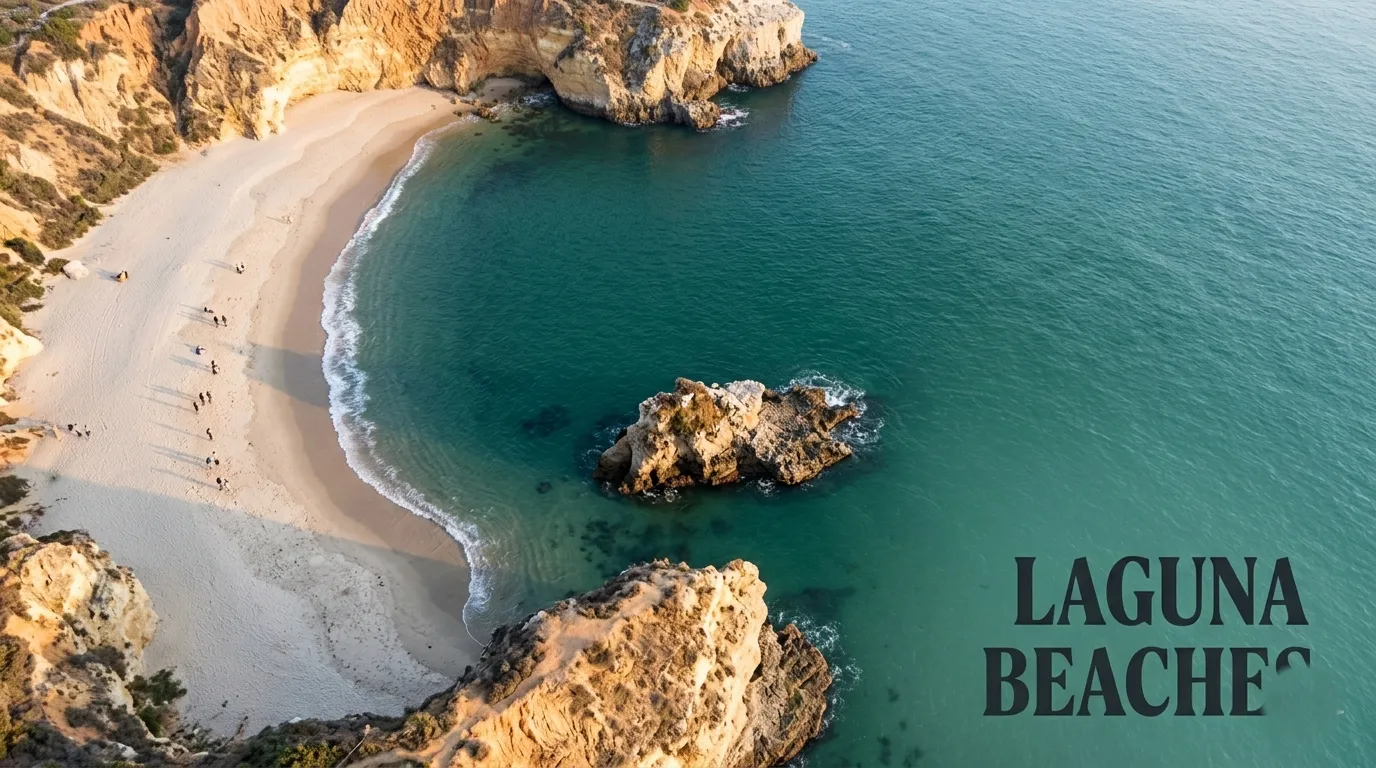
Laguna Beach is a collection of stunning, sandstone-framed coves.
It is not a single, wide, easily accessible stretch of sand.
The water is cold, the stairs are steep, and a parking spot is a victory.
You need to know exactly which cove matches your group’s gear and energy level.
The Orange County Health Care Agency tests the water weekly at these coves.
Some of the most beautiful coves suffer from poor tidal flushing.
This guide tells you where to park, which stairs to climb down, and which cove
actually fits the day you want to have.
Laguna Beaches
Laguna’s beaches are fundamentally different from the long, straight strands north
and south of the city. They are small, intimate coves carved into a rocky coastline

The geology creates a dramatic backdrop of sandstone cliffs and bluffs.
It also creates a challenge, as most coves require descending a steep set of stairs.
The city manages several core beaches, including the central Main Beach.
California State Parks operates the longer, more accessible stretches at
Crystal Cove State Park to the north.
The water is a clear, deep greenish-blue when the conditions are calm.
A south swell turns the normally gentle coves into dangerous, rough surf zones.
The entire coastline is part of a designated Marine Protected Area.
This means the tide pools are full of healthy, legally protected marine life.
Laguna Beach Beaches
The main urban beaches of Laguna are defined by their access and amenities.
Main Beach is the only beach with a large lawn, basketball courts, and a
boardwalk.
Heisler Park is a bluff-top park with winding paths, public art, and stair
access to several small coves and rocky points. It is the most scenic walk in town.
The north and south coves, like Crescent Bay and Shaw’s Cove, are more
secluded. They offer better snorkeling but have no facilities and very limited
parking.
Victoria Beach is famous for its iconic “pirate tower” stuck in the sand.
Access requires a steep walk through a residential neighborhood from PCH.
The state park beaches offer a totally different, longer, wider beach experience.
They are not coves but open stretches of sand backed by preserved coastal sage scrub.
Beaches in Laguna Beach
The beaches within the city limits are a mix of the central hub and the residential
coves. Main Beach Park is the hub, located right at the intersection of
Broadway and PCH.
It is the best option for a quick, easy stop with full facilities.
The downside is the crowd density and the lowest water quality of all Laguna
beaches.
The coves north of Main Beach, including Divers Cove and Fisherman’s Cove,
are a short walk from the Laguna Beach Free Trolley route. This is the best
strategy for a multi-cove day.
The trolley runs along the PCH and into the canyon during summer 2026.
Park your car once in a paid downtown lot and ride the trolley to explore the coves.
Parking on residential streets near the coves is fiercely protected by residents.
Permit-only zones are common and heavily enforced with $75 tickets.
Beaches Near Laguna Beach
The most significant beach near Laguna is Crystal Cove State Park, immediately
north of the city line. It offers three distinct beach areas and a historic district.
Aliso Beach Park sits just south of Main Beach and is managed by the county.
It is a wide, sandy stretch popular with surfers and skimboarders.
Salt Creek Beach Park in Dana Point, to the south, is a large county park.
It has a massive grassy park, a snack bar, and a long, wide beach.
Table Rock Beach sits right on the southern edge of the city.
It is one of the most dramatic coves with a massive rock formation splitting the
sand.
These nearby beaches often have larger, paid parking lots than the central coves.
They fill by 11 a.m. on a summer Saturday, so the same early-arrival rules apply.
Key Takeaway: Crystal Cove is the best escape if Laguna’s coves feel too tight and the stairs feel too steep.
Beaches Laguna Beach
The most famous of the Laguna Beach coves is Thousand Steps Beach.
The staircase is massive, but the beach at the bottom is wide, deep, and often less
crowded.
Victoria Beach is equally famous for its photogenic tower.
At low tide, you can walk north from Victoria through the shallow water to a hidden
circular pool.
Crescent Bay is the best all-around north cove with a large sandy area at low
tide. A rock island just offshore provides a scenic focal point for photos.
Shaw’s Cove is a compact, deep cove perfect for snorkeling on a flat day.
The rocky edges of the cove teem with garibaldi and other protected fish.
Divers Cove is a hidden notch directly south of Shaw’s, requiring a short,
steep scramble. It is the most reliably quiet cove north of Main Beach.
Main Beach Laguna Parking
Parking for Main Beach is the most expensive and time-sensitive challenge in
Laguna Beach. The primary lot is the Broadway Lot, directly across PCH from
the sand.
Hourly rates in the downtown lots typically run from $3 to $5 per hour in summer
- A four-hour beach stay can easily cost $20.
Free street parking exists on residential streets up the canyon.
These spots are universally filled by 9:00 a.m. on weekends, or they are
permit-restricted.
The Laguna Canyon Road (SR-133) corridor has a few unmetered shoulder areas.
Parking here and taking the free trolley into town is the most cost-effective
strategy.
Do not park illegally in a residential permit zone near Main Beach.
The Laguna Beach Parking Enforcement officers are aggressive and omnipresent.
A secondary pay lot, the Glenneyre Street Lot, is a block inland.
It is slightly cheaper and less trafficked than the Broadway oceanfront lot.
Thousand Steps Beach Laguna
Thousand Steps Beach requires descending a famously long, steep concrete
staircase. It is the most physically demanding access point in the city.
The effort filters out the casual crowds and most families with gear.
The sand at the bottom is wide, clean, and surprisingly spacious at low tide.
At high tide, the water reaches the base of the stairs and the beach disappears.
You must check a tide chart before planning your descent and ascent times.
A sea cave at the south end of the beach is accessible at very low tides.
The tunnel leads to a small, rocky, totally separate pocket cove.
The shore break here is powerful and dangerous on a south swell.
Do not turn your back on the water and keep children in shallow, supervised zones.
Parking is PCH street parking only, which fills instantly on weekends.
Your best bet is the free trolley from a spot further south, or arriving before 8:30
a.m.
Crystal Cove State Park Beach
Crystal Cove State Park is a 3.2-mile stretch of undeveloped coastline just
north of Laguna Beach. It is the polar opposite of the city’s rocky coves.
The beach is wide, open, and backed by preserved coastal bluffs.
It offers the best beach for a long, uninterrupted walk in the area.
The historic Crystal Cove Historic District features restored 1930s beach
cottages. The Beachcomber Cafe is an iconic breakfast and lunch spot right on
the sand.
Parking is in the large Los Trancos lot on the inland side of PCH.
A $15 day-use fee applies, and the lot fills by 10:30 a.m. on summer weekends.
The surf here is gentler than at the steep city coves.
It is the best choice for a family that wants a classic, spacious beach day.
Tide pooling is excellent at the northern end of the park at low tide.
The Reef Point area has clearly marked, well-maintained trails down to the rocks.
Key Takeaway: Crystal Cove is the practical, spacious, and family-friendly answer to Laguna’s steep, tight, and romantic coves.
Laguna Beach Hidden Coves
True hidden coves in Laguna require a willingness to scramble and walk long
distances. Divers Cove is the best-known of the genuinely hidden spots.
You access it via a steep, unmarked dirt path off Cliff Drive.
The cove is tiny, intimate, and offers excellent snorkeling along the rocky
edges.
Moss Point is a tiny, secluded cove between Victoria Beach and Aliso Creek.
It is accessible only by walking north from Victoria at a very low tide.
Wood’s Cove is a hidden pocket north of Main Beach that is often overlooked.
It requires walking over a rocky point at low tide from the adjacent coves.
Do not attempt to access these coves without checking a tide chart first.
You can be stranded on rocks or cut off from your return path by a rising tide.
These hidden coves have no facilities, no lifeguards, and no cell service.
Pack lightly, bring a friend, and be completely self-sufficient.
Laguna Beach Tide Pools
The entire Laguna coastline is a Marine Protected Area, meaning the tide pools are
legally protected. Do not remove shells, rocks, or living creatures.
The best accessible tide pools are in Heisler Park.
A paved walkway leads directly to fenced overlooks and stair access to the rocky
shelf.
Crescent Bay offers excellent tide pooling on the north side of the cove.
The rock island creates a sheltered, shallow environment for marine life.
Treasure Island Beach, south of Main Beach, is a designated marine refuge.
The tide pools here are extensive and easily reached via a ramp from the Montage
Resort area.
The best tide pooling occurs at a minus low tide, especially in winter.
Check a specific Orange County tide table, not a generic California one.
Never step on the tide pool organisms. Walk only on bare rock and sand.
A seemingly empty patch of rock may be covered in thousands of tiny, living mussels.
Key Takeaway: Heisler Park is the easiest and best tide pooling spot. Crescent Bay and Treasure Island are the best coves for it.
Best Laguna Beach for Families
Main Beach is the best Laguna beach for families with young children and heavy
gear. The adjacent park has a playground, restrooms, and grass for picnics.
The water quality at Main Beach is the lowest of all Laguna beaches.
Check the OC Health Care Agency advisory before letting toddlers wade.
Crystal Cove State Park is the best beach for families who want a wide, wilder
sand experience. The long beach is perfect for running games and kite flying.
Heisler Park is best for a family with older children who want a scenic walk.
The paved path is stroller-friendly, and the tide pools are easily supervised.
Avoid Thousand Steps and Victoria Beach for a gear-heavy family day.
The stair access is a genuine hazard when carrying a cooler, tent, and tired child.
A pop-up shade tent is essential for any Laguna family beach day.
Natural shade is scarce on the sand after the morning hours.
Best Laguna Beach for Couples
Crescent Bay is the best all-around romantic cove for a couple’s beach day.
It offers a wide sandy area, stunning rock views, and a more intimate feel than
Main Beach.
Heisler Park is the best spot for a romantic sunset walk.
The bluff-top path winds through gardens and public art, with benches overlooking
the ocean.
Book a sunset dinner at Las Brisas or The Deck on the sand at Pacific Edge
Hotel. A reservation weeks in advance is essential for a summer weekend.
Divers Cove offers the most romantic, secluded spot for a couple who is willing
to scramble. The isolation is the luxury, but the rocky access is the price.
Victoria Beach at sunset is a cliché for a reason.
The pirate tower silhouetted against a pink winter sky is a genuinely romantic
Laguna image.
Avoid Main Beach for a quiet romantic beach day during summer.
The lawn and boardwalk energy is communal and festive, not intimate.
Can You Swim at Laguna Beaches
Yes, you can swim at Laguna Beach, but the water is cold and conditions change
rapidly. A wetsuit is required for any comfortable, extended swim session.
Water temperatures peak near 70 degrees Fahrenheit in August and September.
The water is a clear, deep greenish-blue, with visibility up to 30 feet on a flat
day.
Main Beach and Crystal Cove are the safest swimming beaches.
They have the most gradual slopes, lifeguards during summer, and fewer sharp rocks.
Do not swim at the coves on a large south swell.
The normally gentle shore break becomes a dangerous, pounding force.
Snorkeling is best at Shaw’s Cove, Divers Cove, and Crescent Bay.
Enter the water from the sandy beach center and swim toward the rocky sides.
Check the OC Health Care Agency water quality advisory page before swimming.
A single rain event can spike bacteria levels and trigger a 72-hour advisory.
Best Time to Visit Laguna Beaches
September and October are the best months to visit for the perfect beach weather.
The summer crowds are gone, the water is at its warmest, and the sky is clear.
The “June Gloom” marine layer makes June and early July mornings grey and cold.
The sun typically breaks through by 11 a.m., but the water is still in the low 60s.
Winter offers the best tide pooling due to the minus low tides during daylight.
The air is cool, but a sunny January day is the best-kept secret of the coastline.
Spring is the peak wildflower season on the Crystal Cove bluffs.
The water is cold, so focus on walks, hikes, and tide pools in April.
Parking battles are at their absolute worst from late June through August.
Aim for a beach day on a Tuesday or Wednesday, regardless of the season.
The Laguna Beach Free Trolley operates on extended summer schedules.
Check the city’s transit page for the 2026 weekend and holiday schedule.
Safety and Seasonal Warnings for Laguna Beaches
Laguna’s rocky coves and unprotected ocean exposure create specific hazards that
differ from a standard flat sand beach. The beauty of the cliffs and caves is
directly tied to the risk.
Key safety and seasonal facts every visitor should know:
- Shore Break: The wave energy at Thousand Steps and Victoria can spike without warning on a south swell. Never turn your back on the water.
- Tide Cut-Off: Always check a tide chart before walking into a sea cave or around a rocky point. A rising tide can trap you.
- Cliff Instability: Bluffs above the coves are made of soft sandstone. Stay back from the edge and obey all posted fencing.
- Stingrays: Shuffle your feet when entering shallow water at Main Beach and Crystal Cove. Stingray barbs require a hot water soak.
- Water Quality: Check the OC Health Care Advisory page. Avoid swimming near any flowing storm drain or for 72 hours after a rain.
Lifeguards are on duty at Main Beach, Aliso Beach, and Crystal Cove during peak
summer hours. Call 911 for any coastal emergency.
Frequently Asked Questions About Laguna Beaches
Can you swim at Laguna Beach coves?
Yes, you can swim in the coves, but the water is cold, and conditions vary.
A wetsuit is recommended for comfort, and you must watch for rocks.
Avoid swimming during a south swell, when the waves become dangerous.
What is the best beach in Laguna for families?
Main Beach is best for families due to the playground, lawn, and boardwalk.
Crystal Cove State Park offers a wider, more natural beach for running games.
Avoid the steep stair access coves with young children and heavy gear.
How much is parking at Laguna Beach?
Downtown lot parking costs between $3 and $5 per hour during the 2026 summer season.
A four-hour beach day can cost $20 in a central lot.
Free parking exists on canyon streets but fills by 9:00 a.m. on weekends.
Are there any free beaches in Laguna?
All Laguna beaches are free to access on foot.
The cost is entirely in the parking, not the beach entry itself.
Take the free city trolley from a remote spot to avoid parking fees.
Can you access Thousand Steps Beach without stairs?
No, the only public access to Thousand Steps Beach is via the long staircase.
There is no ramp, elevator, or alternative flat path to the sand.
The staircase is steep and physically demanding, with over 200 steps.
What is the warmest beach in Laguna?
There is no significantly warmer beach, as the water comes from the same Pacific
Ocean.
Main Beach and Crystal Cove can feel warmer on the sand due to less wind.
The water temperature is uniformly cold, peaking near 70 degrees in August.
A perfect Laguna Beach day is a planned day.
You do not stumble upon a prime parking spot at Crescent Bay by accident at 11 a.m.
Pick your cove based on your physical condition and your tolerance for crowds.
Main Beach and Crystal Cove are the easiest. The hidden coves are a reward for the
early riser.
Check the tide, check the OC water quality map, and pack your wetsuit.
Park the car once, use the free trolley, and understand that the best shell is
always on the rock you did not step on. That is Laguna.