Beaches in Panama Guide 2026: Caribbean vs Pacific
Panama has two completely different ocean coasts. The Caribbean side is a calm, clear, postcard-perfect turquoise.
The Pacific side is a wild, green, and powerful world of surf breaks and dramatic tides. Choosing the right coast defines your entire beach trip.
This guide names every beach that matters in Panama. I will tell you honestly which coast, which island, and which specific stretch of sand fits your 2026 travel style.
Panama Beaches Overview
Panama is the only country where you can swim in the Caribbean Sea and the Pacific Ocean on the same day. The two coasts are only 50 miles apart at the narrowest point.
The Caribbean coast is defined by pristine, white-sand archipelagos. The water is a calm, impossibly clear turquoise, and the islands are fringed with healthy coral reefs and palm trees.
The Pacific coast is divided into two zones. The Panama City Riviera has calm, warm, but visually muted green water and dark sand beaches, while the western coast has powerful, world-class surf breaks and dramatic, rugged cliffs.
The infrastructure is honest and adventurous. Getting to the best beaches in Panama requires a 4×4 taxi, a boat transfer, or both, and you must plan these logistics in advance.
According to the Panama Tourism Authority, the country has over 1,500 miles of coastline. The key to a successful trip is understanding that you choose one coast for calm, clear swimming and the other for surfing and whale watching.
Key Takeaway: The Caribbean is for calm, clear water and palm-fringed islands. The Pacific is for surfing and adventure.
Panama Caribbean vs Pacific Beaches
The Caribbean and Pacific coasts of Panama offer completely different beach experiences. One is a calm, blue swimming pool, and the other is a wild, green surf arena.
The Caribbean coast is the postcard you have in your head. The water is a flat, clear turquoise, the sand is a soft white, and the islands of Bocas del Toro and Guna Yala are fringed with healthy coral reefs.
The Pacific coast near Panama City is a different, more muted beauty. The water is a warm, dark emerald green, the sand is a volcanic gray-brown, and the surf is gentle but the tidal range is dramatic.
The western Pacific coast, near the Azuero Peninsula, is a wild, undeveloped surf frontier. The water is a deep, clear blue-green, the cliffs are rugged, and the beaches like Playa Venao and Santa Catalina are world-class surf breaks.
A calm-water swimmer and a family with young children should choose the Caribbean. A surfer, a whale watcher, or an adventurer should choose the western Pacific coast.
Best Beaches in Panama
The best beach in Panama is not one single place. It is a function of which coast you choose and how far you are willing to travel for it.
Starfish Beach in Bocas del Toro is the calmest, clearest, and most accessible Caribbean beauty. The San Blas Islands are the most pristine, remote, and culturally unique.
My comparison table below provides an honest ranking. It matches each major beach to its ideal traveler, water condition, and access reality.
| Beach | Coast | Water & Sand | Best For | Access Reality |
|---|---|---|---|---|
| Starfish Beach | Caribbean (Bocas) | Flat calm, clear, white sand | Families, calm swimming | Easy. Water taxi from Bocas Town. |
| San Blas Islands | Caribbean (Guna Yala) | Perfect turquoise, soft white sand | Robinson Crusoe experience | Difficult. 4×4 plus boat transfer required. |
| Isla Contadora | Pacific (Pearl Islands) | Calm, dark green water, soft sand | Weekend escape, whale watching | Moderate. A 90-minute ferry from Panama City. |
| Santa Clara | Pacific (Riviera) | Gentle surf, gray-brown sand | Quick city escape, families | Easy. A 1.5-hour drive on the Pan-American Highway. |
| Playa Venao | Pacific (Azuero) | Powerful surf, deep blue-green | Expert surfing, digital nomads | Moderate. A 5-hour drive from Panama City. |
| Red Frog Beach | Caribbean (Bocas) | Strong surf, golden sand | Beginner surfing, nature | Easy. Water taxi from Bocas Town. |
| Isla Taboga | Pacific (Near City) | Calm, murky, gray sand | Day trip, historic village | Easiest. A 30-minute ferry from Panama City. |
A first-time visitor with a week should split their time. Spend two nights in Bocas del Toro for the calm, clear Caribbean, and two nights near Santa Clara for the easy Pacific beach escape.
San Blas Islands Beaches
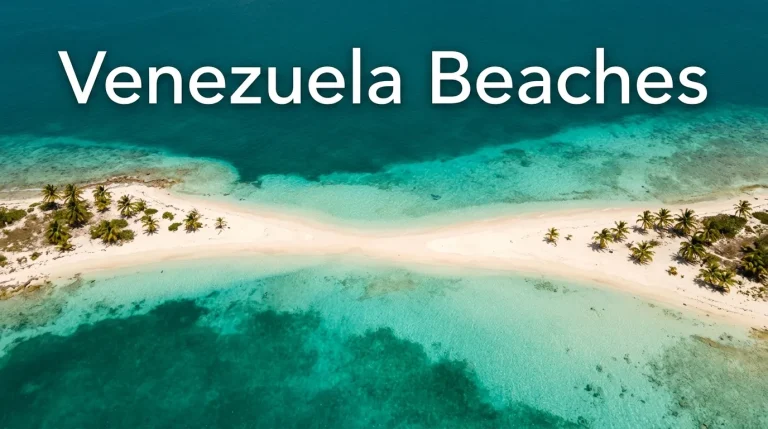
The San Blas Islands are a pristine, autonomous archipelago of over 360 tiny coral islands off Panama’s Caribbean coast. They are managed by the indigenous Guna Yala people.
The water here is an electric, surreal turquoise. The sand is a blinding, soft white, and each tiny island is a perfect, palm-fringed postcard of the tropics.
You reach the islands by a pre-booked shared 4×4 taxi from Panama City. The drive is a bumpy 2.5 to 3 hours to the Guna Yala port, followed by a 30-minute lancha boat transfer to your island.
This is not a luxury resort experience. The accommodation is rustic, overwater wooden cabins with sand floors, and the electricity is often from a generator that runs only at night.
This is the best beach experience in Panama for an adventurous couple or a solo traveler seeking a raw, unspoiled, and culturally unique island escape. It is a poor fit for a family with young children or anyone seeking seamless, five-star comfort.
Key Takeaway: San Blas is a pristine, rustic, and logistically complex adventure. It is the best beach in Panama for the right traveler.
Bocas del Toro Beaches
Bocas del Toro is a vibrant, accessible Caribbean archipelago on the western edge of Panama. It is the perfect middle ground between remote San Blas and the developed Pacific coast.
Starfish Beach on Isla Colón is the calmest, clearest, and most family-friendly beach. The water is a flat, crystal-clear turquoise, and you will see bright orange starfish dotting the seafloor.
Red Frog Beach on Isla Bastimentos is the adventure beach. The surf is a consistent, fun beach break perfect for a beginner or intermediate surfer, and the red poison-dart frogs of the island’s jungle are a specific, memorable wildlife encounter.
You reach Bocas by a one-hour flight from Panama City or a ten-hour overnight bus and water taxi. Once on the main island, you navigate by cheap, frequent water taxis.
This is the best region for a family or a couple who wants a balance of comfort and adventure. You can find a good hotel, eat at excellent restaurants, and then take a ten-minute water taxi to a pristine, jungle-backed beach.
Pearl Islands Panama
The Pearl Islands are a glamorous, storied archipelago in the Pacific Ocean, just 50 miles from Panama City. They were the backdrop for several seasons of the reality show “Survivor.”
Isla Contadora is the main tourist island. The beaches are soft, white-sand coves with calm, dark emerald-green water, and the island is a quiet, low-key escape from the city.
The primary reason to visit the Pearl Islands from July to October is the humpback whale watching. Whales migrate from the cold waters of the Southern Hemisphere to give birth in the warm, protected waters around the islands.
You reach Isla Contadora by a 90-minute ferry from the Amador Causeway in Panama City. The ferry runs daily, and you should book your ticket at least a day in advance.
This is the best beach escape for a couple or a family staying in Panama City who wants a quiet, upscale island experience without the complex logistics of San Blas.
Panama Surfing Beaches
Panama is a world-class surf destination, and the Pacific coast is the undisputed epicenter. The waves are powerful, consistent, and surprisingly uncrowded.
Santa Catalina on the western Pacific coast is the most famous and powerful surf break. A legendary, hollow right-hand point break peels off a rocky headland, and it is for expert surfers only.
Playa Venao on the Azuero Peninsula is the best all-around surf beach. It has a consistent, fun beach break that is perfect for beginners and intermediates, and a growing town of surf camps, cafes, and co-working spaces.
The surf season on the Pacific coast runs from April to November. The swells are generated by storms in the Southern Hemisphere, and the biggest, most consistent waves arrive between June and September.
A surf trip to Panama requires a rental 4×4 vehicle. The best breaks are accessible only by rough, unpaved roads, and a standard sedan will not survive the journey.
Panama Snorkeling Beaches
The best snorkeling in Panama is on the Caribbean coast. The water is calm, clear, and warm, and the coral reefs are healthy and accessible.
Starfish Beach in Bocas del Toro offers the easiest and most reliable snorkeling. You simply wade into the calm, crystal-clear water from the shore and float over seagrass beds teeming with the namesake starfish.
The San Blas Islands offer the most pristine and vibrant snorkeling. The coral reefs surrounding the tiny islands are a protected, healthy explosion of brain coral, sea fans, and tropical fish.
Coral Cay in Bocas del Toro is a specific, dedicated snorkeling site. A short boat ride from the main island, this tiny cay is surrounded by a dense, shallow coral garden that is perfect for a focused two-hour snorkeling mission.
You must bring your own mask and snorkel to Panama. Rental gear, especially in the remote islands, is often cheap, leaky, and poorly maintained.
Beaches in Panama City Panama
There are no beaches in Panama City itself. The city sits on a rocky, polluted bay that is not suitable for swimming.
The closest and most honest beach escape is Isla Taboga, a charming, historic island just a 30-minute ferry ride from the city. The beach is a small, calm, gray-sand cove with views of the Panama City skyline.
Isla Taboga is a popular weekend escape for local families. The ferry is cheap, the island’s village is a walkable, flower-filled historic gem, and the beach is perfectly fine for a quick, refreshing dip.
The honest truth is that Isla Taboga’s water is not the crystal-clear turquoise of the Caribbean. It is a calm, murky, dark green, and the beach can be crowded on a Sunday, but it is the simplest, most authentic city escape.
Beaches Close to Panama City
The best beaches close to Panama City are on the Pacific Riviera, a developing strip of resorts and beach towns west of the city. They are a 1.5- to 2-hour drive on the Pan-American Highway.
Santa Clara is the best and most accessible beach. The sand is a fine, gray-brown powder, the water is a warm, calm, dark green, and the beach is wide, clean, and backed by a small, laid-back town.
Playa Blanca is a popular, all-inclusive resort beach. It is a gated, manicured, and convenient package, and it is the best option for a family who wants a hassle-free, pool-and-beach day with all the amenities.
The Pacific Riviera’s water is not the turquoise of the Caribbean. It is a warm, clean, but visually muted greenish-brown, due to the sediment from the nearby rivers, and you must accept this before you go.
A rental car is essential for exploring the Pacific Riviera. You drive west from Panama City on a modern, well-maintained highway, and you can stop at any of the small, signed beach access points.
Panama Beach Transport
Getting to the best beaches in Panama is a logistical mission. The country’s two coasts require completely different transport strategies.
For the Caribbean islands of Bocas del Toro, you fly from Panama City on a one-hour domestic flight or take the overnight bus and water taxi. Once on Isla Colón, you get around by cheap, frequent water taxis.
For the San Blas Islands, you must book a shared 4×4 taxi in advance. The driver picks you up at your Panama City hotel at 5 AM, drives you to the Guna Yala port, and puts you on a pre-arranged boat to your island.
For the Pacific Riviera, you rent a car and drive west on the Pan-American Highway. Santa Clara and Playa Blanca are well-signed exits about 90 minutes from the city.
A 4×4 vehicle is mandatory for the remote Pacific surf beaches. The roads to Playa Venao and Santa Catalina are a mix of paved and rough, unpaved sections that are impassable in a standard sedan during the rainy season.
Key Takeaway: A 4×4, a water taxi, and a pre-dawn pickup define Panama beach logistics. Plan ahead.
Panama Island Hopping
Island hopping is the defining experience of Panama’s Caribbean coast. You cannot stay on one island and hope to see the best of the archipelago.
In Bocas del Toro, you negotiate a water taxi for the day. The driver takes you from your hotel dock to Starfish Beach, then to Coral Cay for snorkeling, then to Red Frog Beach, and waits for you at each stop.
In San Blas, your host family or lodge arranges a day trip to a series of different tiny islands. You visit one island for snorkeling, another for a fresh lobster lunch, and a third for the iconic, knee-deep sandbar photo.
A day of island hopping in Bocas costs roughly $20 to $40 per person in a shared water taxi. A San Blas island-hopping day is typically included in your lodge’s all-inclusive package price.
Panama Family Beaches
The best family beach in Panama is Starfish Beach in Bocas del Toro. The water is a flat, calm, crystal-clear turquoise, and the sand is a soft, clean white.
The starfish are the natural, free entertainment. A child can wade into the knee-deep, warm water and see bright orange starfish sitting peacefully on the seagrass floor.
Santa Clara on the Pacific Riviera is the best family beach near Panama City. The surf is gentle, the beach is wide, and you can rent a sunbed and an umbrella from a friendly vendor.
A family with young children should avoid the powerful surf beaches of the western Pacific coast. The waves at Playa Venao and Santa Catalina are for experienced surfers and are not safe for a casual, unsupervised child’s swim.
Panama Romantic Beaches
A romantic beach in Panama is a quiet, pristine, and logistically private island. This points directly to the San Blas Islands.
A private overwater cabin on a tiny San Blas island is the ultimate romantic experience. You fall asleep to the sound of the calm lagoon, you wake to a flawless sunrise, and you feel like you are the only two people on Earth.
Isla Contadora in the Pearl Islands is the most accessible romantic escape. The ferry is a simple, 90-minute ride from the city, and the island’s quiet, sandy coves and whale-watching opportunities create a memorable, low-stress romantic getaway.
A romantic couple should avoid the crowded, family-oriented Pacific Riviera beaches on a weekend. The Sunday crowd at Santa Clara is a dense, local party scene, and you should plan your romantic beach day for a Tuesday.
Best Time to Visit Panama Beaches
The best time to visit Panama’s beaches is the dry season, from mid-December through April. This is the summer of the tropics, with reliable sun, low humidity, and calm seas on both coasts.
The Caribbean coast has its best weather in February and March. The trade winds calm down, the water is a flat, glassy mirror, and the snorkeling visibility is at its peak.
The Pacific coast has its best, most consistent surf from April to November. The biggest waves arrive between June and September, and this is also the peak humpback whale-watching season in the Pearl Islands.
The worst time is October and November on the Caribbean coast. The rain is a daily, heavy, and persistent downpour, the water visibility drops, and some smaller lodges close for the season.
The single best strategy is to book your trip for early March. You get the peak dry-season sun on the Caribbean, the start of the Pacific surf season, and you avoid the peak Christmas and New Year holiday crowds.
Safety and Seasonal Warnings for Panama Beaches
Panama’s beaches are beautiful but demand specific, informed precautions. The ocean is powerful on the Pacific, and the remote island logistics require planning.
Key safety and seasonal facts every visitor should know:
- Pacific Rip Currents: The Pacific coast has powerful, deceptive rip currents. Swim on a lifeguarded beach when possible, and if caught in a rip, swim parallel to the shore, never against it.
- Remote Island Medical Access: The San Blas Islands and the remote Pacific surf camps have no hospital or advanced medical care. You must carry a comprehensive first-aid kit and any necessary prescription medication.
- Rainy Season Flooding: From May to November, the unpaved roads to the remote Pacific beaches can become impassable mud pits. A 4×4 vehicle is non-negotiable, and you must check the road conditions before you depart.
- Sun Intensity: Panama is near the equator. The UV index is extreme year-round, and a broad-spectrum SPF 50 sunscreen, a hat, and a UV-protective rash guard are mandatory.
- Cash Economy: The San Blas Islands and many rural areas operate entirely on cash, specifically US dollars. You must bring all the cash you need for your entire stay, as there are no ATMs on the islands.
For any emergency, dial 911. Be aware that response times are slow or nonexistent in remote island areas, and your primary safety net is your own preparation.
Frequently Asked Questions About Beaches in Panama
Which coast of Panama has the best beaches?
The Caribbean coast has the calmest, clearest, turquoise water and powdery white sand.
The Pacific coast has darker sand, green water, and powerful, world-class surf breaks.
Choose the Caribbean for calm swimming and the Pacific for surfing and whale watching.
Are there any beaches near Panama City?
Yes, Isla Taboga is a charming island beach just a 30-minute ferry ride from the city.
Santa Clara is the best mainland beach, a 90-minute drive west on the Pan-American Highway.
Neither beach has the turquoise water of the Caribbean, but both are calm, accessible, and convenient.
Is it safe to swim in Panama’s beaches?
Yes, the Caribbean beaches are generally very calm and safe for swimming.
The Pacific coast has powerful surf and dangerous rip currents, especially during the rainy season.
Always ask a local about the specific conditions before entering the water on the Pacific coast.
When is the best time to visit Panama for a beach holiday?
The dry season from mid-December through April offers the most reliable sun and calm seas.
February and March are the best months for the calm, clear Caribbean water.
The Pacific surf is at its best from April to November, with peak swell from June to September.
How do I get to the San Blas Islands?
You book a shared 4×4 taxi from your Panama City hotel that departs at 5 AM.
The bumpy drive to the Guna Yala port takes 2.5 to 3 hours.
A pre-arranged lancha boat then takes you on a 30-minute ride to your specific island lodge.
Which Panama beach is best for surfing?
Santa Catalina is the most famous and powerful expert-only point break.
Playa Venao on the Azuero Peninsula is the best all-around beach break for beginners and intermediates.
Both require a 4×4 vehicle to reach and are best during the April-to-November swell season.
The single most useful thing to know is that Panama is two different beach trips in one country. Pick the Caribbean for calm, clear water and the Pacific for surfing and adventure.
Your first step is to choose your coast. Then book your flights into Panama City, secure the 4×4 rental or the San Blas shared taxi, and pack all your cash.
All 2026 San Blas entry fees, ferry schedules, and rainy season road conditions are subject to change. Verify the current details with the Panama Tourism Authority before you leave home.