Venezuela Beaches 2026: Safety, Access, and Honest Guide
Venezuela has some of the most beautiful undeveloped Caribbean beaches on Earth. The US Department of State maintains a Level 4 “Do Not Travel” advisory for the country.
Los Roques archipelago rivals the Maldives for water clarity and sand quality. Reaching these beaches requires navigating a country with significant safety risks.
This guide describes Venezuela’s beaches honestly while providing essential safety context. Read the safety sections before dreaming about the white sand cays.
Venezuela Beaches
Venezuela beaches span over 2,800 kilometers of Caribbean coastline and offshore island archipelagos. The best beaches are not on the mainland.
Los Roques Archipelago offers 350 cays and islands with powder-white sand and turquoise water. The snorkeling and scuba diving here ranks among the Caribbean’s finest.
Morrocoy National Park on the mainland coast features mangrove-fringed cays with calm shallow water. These beaches are more accessible but less pristine than Los Roques.
Isla Margarita provides the most developed beach infrastructure in Venezuela. Resorts, restaurants, and direct international flights make this the most accessible option.
Mochima National Park on the eastern coast offers dramatic fjord-like bays with rainforest-backed beaches. The scenery here differs completely from the coral cay archipelagos.
According to INPARQUES, Venezuela’s national parks contain most of the country’s best beaches. Park entry fees are minimal but facilities are basic or nonexistent.
Key Takeaway: Venezuela’s best beaches are on offshore islands and cays, not the mainland coast. Each region requires different logistics.
Are Venezuela Beaches Safe
Venezuela beaches exist in a country with a US State Department Level 4 advisory warning against all travel due to crime, civil unrest, kidnapping, and arbitrary detention.
The beaches themselves are physically safe for swimming with calm Caribbean water and minimal natural hazards. The risk is not the beach, it is the journey to reach them.
Violent crime in Venezuelan cities, especially Caracas, is among the highest in the world. Airport transfers, bus stations, and urban areas pose the greatest risk.
Isla Margarita and Los Roques have lower crime rates than mainland cities. These island destinations are the safest beach access points in Venezuela.
The UK Foreign Office advises against all travel to areas near the Colombian border and against all but essential travel to remaining parts of Venezuela. Read your government’s current advisory before planning.
The beaches described in this guide exist in a country experiencing severe political and economic crisis. Travel here requires accepting risks that do not exist at other Caribbean beach destinations.
Key Takeaway: Venezuela’s beaches are physically safe, but the country’s security situation creates serious risks for travelers. Read government advisories.
Is Venezuela Safe for Beach Vacation 2026
Venezuela is not safe for a casual beach vacation in 2026 according to major government travel advisories. The security situation affects every aspect of travel.
The US Department of State warns that the Venezuelan government has detained US citizens without due process. Consular services for US citizens in Venezuela are extremely limited.
European and Latin American travelers face fewer specific political risks but the same crime environment. Robbery, express kidnapping, and carjacking occur regularly in urban areas.
A Venezuela beach trip requires treating safety as the primary planning consideration. Fly directly to island destinations when possible, avoid Caracas overnight stays, and arrange secure airport transfers.
Isla Margarita receives direct international flights from some Caribbean and South American cities. This allows travelers to reach beaches without transiting mainland Venezuela.
Los Roques requires a domestic flight from Caracas. This means transiting through the highest-risk city in Venezuela to reach the country’s most beautiful beaches.
The Government of Canada advises avoiding all travel to Venezuela. Travel insurance with emergency evacuation coverage is essential and may be difficult to obtain.
Key Takeaway: Venezuela is not a safe beach vacation destination by any government standard. Island-only itineraries reduce but do not eliminate risk.
Can Americans Visit Venezuela Beaches
Americans can technically visit Venezuela beaches, but the US State Department explicitly warns against it with a Level 4 “Do Not Travel” advisory. This is the highest warning level.
The US Embassy in Caracas suspended routine visa services and has limited ability to assist US citizens. Emergency consular support is severely restricted.
US citizens who travel to Venezuela despite the advisory face risks beyond crime. Arbitrary detention of US citizens has occurred, and the US government has limited ability to intervene.
Some US citizens visit Venezuela beaches despite the advisory, typically entering through Isla Margarita on direct flights from other Caribbean islands. This is done at their own significant risk.
Travel insurance policies for US citizens may exclude coverage for travel to Level 4 advisory countries. Verify coverage explicitly before purchasing any policy.
Most US travel insurance providers will not cover medical evacuation from Venezuela under current conditions. Without evacuation coverage, a medical emergency becomes catastrophic.
Americans considering Venezuela beaches should read the full State Department advisory, register with the Smart Traveler Enrollment Program if traveling, and understand they travel entirely at their own risk.
Key Takeaway: The US government warns Americans against all travel to Venezuela. Those who go anyway face extreme risks with minimal consular support.
Best Beaches Venezuela
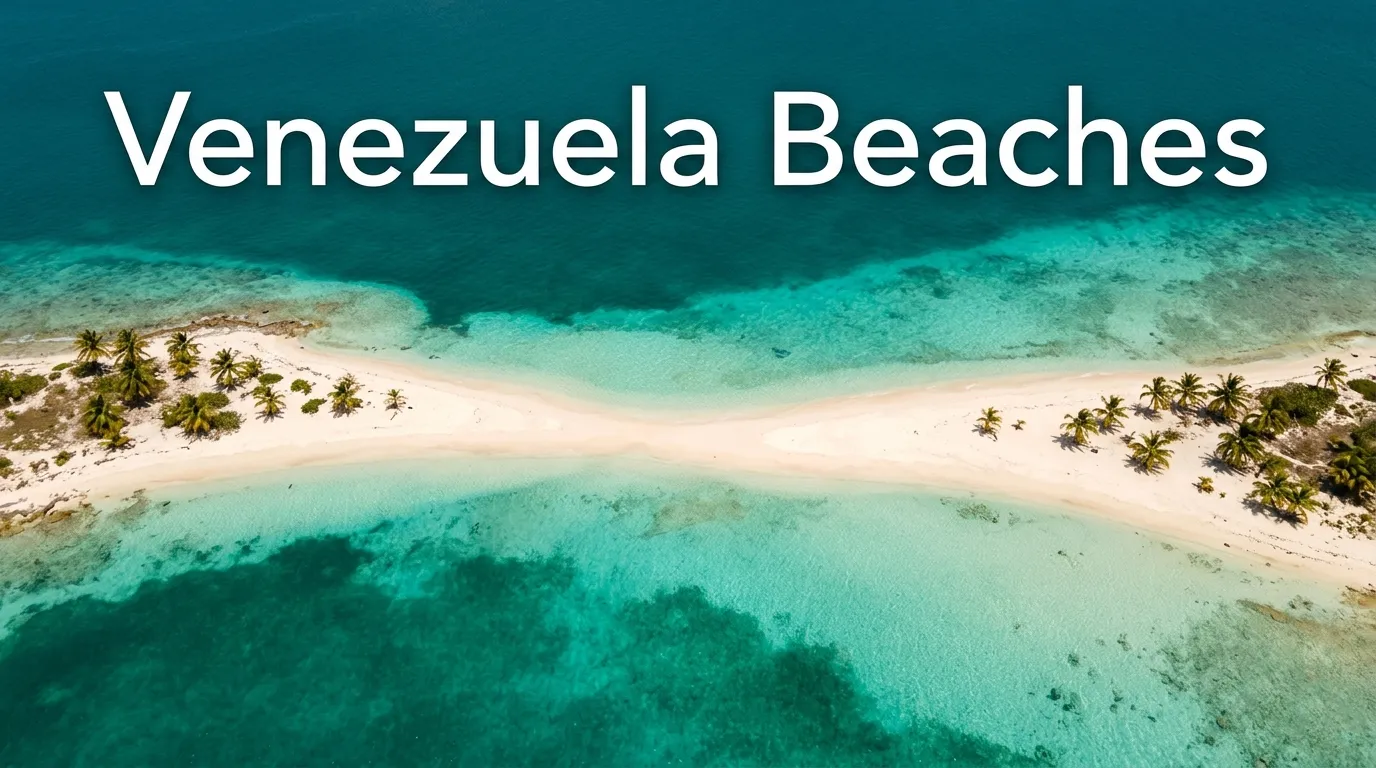
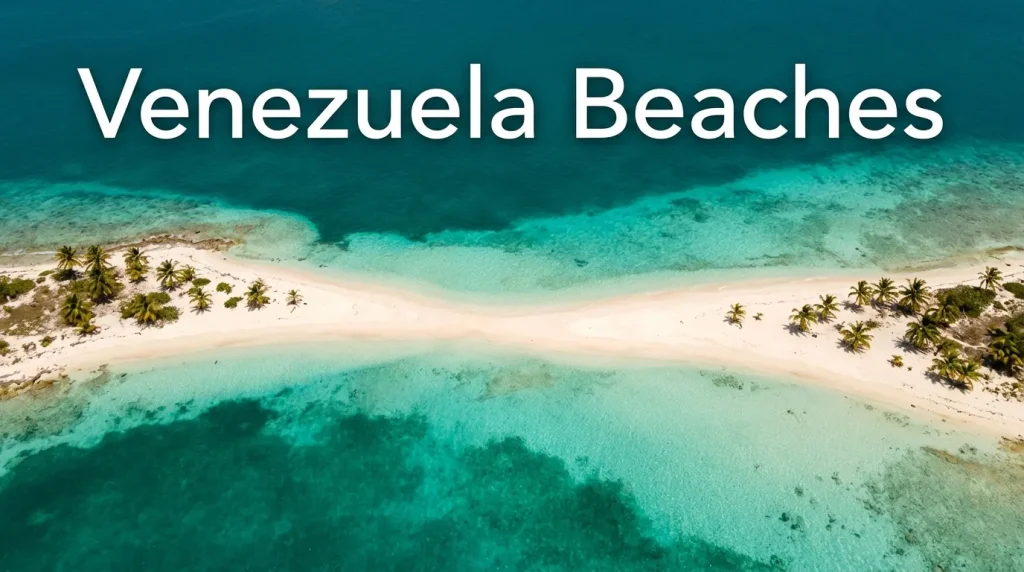
Cayo de Agua in Los Roques is the single most beautiful beach in Venezuela. A sandbar connects two small islands in water so clear it looks like a swimming pool.
The sand is powder-fine white coral. The water shifts through every shade of turquoise and teal visible to the human eye.
Cayo Sombrero in Morrocoy National Park offers the most accessible world-class beach on the Venezuelan mainland coast. The cay features white sand, calm water, and mangrove shade.
Boat tours from Tucacas or Chichiriviche reach Cayo Sombrero in 20 to 40 minutes. This is the easiest spectacular beach to access in Venezuela.
Playa El Agua on Isla Margarita provides the best developed beach experience in Venezuela. The four-kilometer stretch of golden sand offers restaurants, bars, and chair rentals.
The beach is wide with gentle surf suitable for swimming. Weekends and holidays bring large crowds from the mainland.
Playa El Yaque on Isla Margarita is one of the world’s best windsurfing and kitesurfing beaches. Consistent trade winds and shallow flat water create ideal learning conditions.
The beach town caters entirely to water sports travelers. International windsurfing competitions held here confirm the world-class conditions.
Key Takeaway: Cayo de Agua for sheer beauty, Cayo Sombrero for accessibility, Playa El Agua for facilities, Playa El Yaque for water sports.
Venezuela Caribbean Beaches
Venezuela’s Caribbean beaches spread across three distinct regions. Offshore coral archipelagos offer the most pristine beaches with the clearest water.
Los Roques represents the pinnacle of Venezuelan Caribbean beaches. The archipelago protects 350 cays and islands surrounded by a barrier reef.
Water visibility reaches 80 to 100 feet on calm days. The snorkeling rivals any Caribbean destination, with healthy coral and abundant fish.
The mainland Caribbean coast features two primary beach zones. Morrocoy National Park protects mangrove-fringed coral cays with calm swimming water.
Henri Pittier National Park near Choroni offers rainforest-backed beaches where mountains meet the Caribbean. The scenery differs dramatically from the offshore cays.
The eastern Caribbean coast features Mochima National Park with fjord-like bays. Desert islands and rainforest peninsulas create a landscape unlike anywhere else in the Caribbean.
Isla Margarita and the Paraguaná Peninsula offer developed beach towns with consistent trade winds. These areas attract windsurfers and kitesurfers from around the world.
Key Takeaway: Los Roques for pristine cays, Morrocoy for accessible island beaches, Mochima for dramatic coastal scenery, Isla Margarita for facilities.
What Is the Most Beautiful Beach in Venezuela
Cayo de Agua in Los Roques Archipelago is widely considered the most beautiful beach in Venezuela. A sandbar walkway connects two islands in impossibly clear water.
The beach looks digitally enhanced in photographs. The reality matches the photos, which is rare for any beach destination.
Madrisqui and Francisqui are nearby Los Roques cays that rival Cayo de Agua for beauty. Each cay offers a slightly different character and level of solitude.
Cayo Sombrero in Morrocoy National Park is the most beautiful accessible mainland beach. The white sand cay surrounded by turquoise shallows competes with Los Roques for beauty.
Playa Medina in Mochima National Park offers the most beautiful rainforest-backed beach. Palm trees lean over golden sand with green mountains rising directly behind.
Playa El Yaque wins for most beautiful beach scenery combined with world-class conditions. The sunsets over the Caribbean with windsurfers crossing the frame are extraordinary.
Venezuela’s beach beauty is genuine and largely untouched by development. The beaches themselves deliver exactly what the photos promise.
Key Takeaway: Cayo de Agua for iconic beauty, Madrisqui for solitude, Cayo Sombrero for accessibility, Playa Medina for rainforest backdrop.
Venezuela Beaches Los Roques
Los Roques Archipelago is a national park protecting 350 cays, islands, and a 24-kilometer barrier reef. The beaches here rank among the most pristine in the Caribbean.
Gran Roque is the only inhabited island, serving as the base for all Los Roques exploration. Posada accommodation, restaurants, and the airstrip are all on this small island.
Daily boat trips from Gran Roque visit the surrounding cays. Each cay offers a different experience: some for snorkeling, some for beach lounging, some for bonefishing.
Cayo de Agua is the most famous cay for its sandbar beach. Crasqui offers excellent snorkeling with sea turtles. Madrisqui provides shallow wading pools in impossibly blue water.
Los Roques operates almost entirely on a cash basis. Bring sufficient US dollars in small denominations, as credit cards and ATMs are essentially nonfunctional.
The flight from Caracas to Los Roques takes about 40 minutes on small aircraft. Flights operate through airlines like Conviasa and Laser Airlines with schedules that change frequently.
Posada rates range from $100 to $250 USD per night typically including full board. The all-inclusive meal structure simplifies the cash-only logistics.
Key Takeaway: Los Roques is Venezuela’s crown jewel, a pristine archipelago rivaling the Maldives. Cash-only, reached by flight from Caracas.
Los Roques vs Morrocoy
Los Roques offers more pristine beaches, better snorkeling, and a more remote island experience. Morrocoy offers easier access, lower costs, and mainland proximity.
Los Roques requires a flight from Caracas and a commitment of several days minimum. The archipelago experience is immersive and the beaches are world-class.
Morrocoy sits on the mainland coast in Falcón State, reachable by road from Caracas or Valencia. Day trips and weekend visits are possible without flying.
Los Roques has significantly better water clarity and healthier coral. The barrier reef and distance from mainland pollution preserve exceptional visibility.
Morrocoy’s water is beautiful but less clear due to mangrove proximity and mainland runoff. The calm shallow water is excellent for swimming and wading.
Morrocoy is more affordable than Los Roques. Posada and boat tour costs run roughly 30 to 50 percent less than Los Roques equivalents.
Los Roques feels like a remote island expedition. Morrocoy feels like a mainland beach destination with island day trips.
Key Takeaway: Los Roques for pristine beauty and snorkeling, Morrocoy for easier access and lower cost. Both offer white sand cays.
Isla Margarita Venezuela Beaches
Isla Margarita is Venezuela’s most developed beach destination with direct international flights, resort accommodation, and the country’s best beach infrastructure. It sits in the Caribbean off the northeastern coast.
Playa El Agua is Isla Margarita’s most famous beach. The four-kilometer golden sand stretch offers restaurants, bars, chair rentals, and gentle surf suitable for swimming.
Weekends and holidays bring large crowds from mainland Venezuela. Weekdays during low season offer a completely different, nearly empty experience.
Playa El Yaque on the southern coast is a world-class windsurfing and kitesurfing destination. Consistent trade winds from December to June attract water sports travelers from Europe and beyond.
Shallow flat water extends far from shore, making it ideal for learning. Schools rent equipment and offer lessons for all skill levels.
Playa Parguito offers better surf conditions for bodyboarding and surfing. The beach is less developed than El Agua with a more local atmosphere.
Playa Caribe provides a quieter beach experience away from the main tourist zones. The small cove has calm water and a relaxed local feel.
Isla Margarita has a lower crime rate than mainland Venezuelan cities. The island is not crime-free, but tourists generally experience fewer safety incidents here.
Key Takeaway: Isla Margarita offers Venezuela’s best beach infrastructure. Playa El Agua for facilities, Playa El Yaque for world-class kitesurfing.
Morrocoy National Park Access
Morrocoy National Park is accessible by road from Caracas, Valencia, or Coro, making it the easiest world-class beach destination to reach in Venezuela. The drive from Caracas takes about three to four hours.
The gateway towns are Tucacas and Chichiriviche in Falcón State. Both offer posada accommodation, restaurants, and boat tour operators.
Boat tours from Tucacas or Chichiriviche visit the park’s coral cays. Tours typically cost $30 to $80 USD per person for a full day visiting multiple cays.
Cayo Sombrero is the most popular cay with white sand, calm water, and basic facilities. Playuela and Playa Mero offer alternatives with fewer crowds.
National park entry fees are collected separately from boat tour costs. Fees are minimal, typically a few dollars, payable in cash.
Morrocoy is busiest during Venezuelan holidays, especially Semana Santa (Easter week) and Carnaval. These periods bring enormous crowds from the mainland.
INPARQUES manages Morrocoy National Park. Park regulations change periodically, and facilities are basic with limited restrooms and no food services on most cays.
Key Takeaway: Morrocoy is reached by road from Caracas in three to four hours. Boat tours from Tucacas and Chichiriviche visit the cays.
Venezuela Beach Town Safe
El Yaque on Isla Margarita is the safest beach town for travelers in Venezuela. The water sports community and consistent tourist presence provide a more secure environment.
Adicora on the Paraguaná Peninsula is the second-safest beach town destination. The small kitesurfing village has a tight-knit community and low crime profile.
Gran Roque in Los Roques is safe by Venezuelan standards. The island’s isolation, small population, and tourist-dependent economy create a relatively secure environment.
Choroni on the mainland coast in Henri Pittier National Park attracts weekend visitors from Caracas. Weekdays are quiet and relatively safe, weekends bring crowds and increased petty crime risk.
Beach towns are safer than Venezuelan cities, but they are not crime-free. Petty theft, particularly on beaches, occurs throughout Venezuela.
Do not leave valuables unattended on any Venezuelan beach. This rule applies universally, including on the seemingly deserted Los Roques cays.
Safety decreases significantly at night in all Venezuelan beach towns. Limit after-dark movement to well-lit areas near your accommodation.
Key Takeaway: El Yaque, Adicora, and Gran Roque are the safest beach towns. Never leave valuables unattended on any beach.
Venezuela Beaches Worth the Risk
Los Roques and Morrocoy beaches are genuinely worth considering for adventurous travelers who accept elevated risk. The beach quality rivals any destination in the Caribbean at a fraction of the cost.
The Los Roques archipelago delivers a Maldives-quality beach experience. The sand, water clarity, and snorkeling are objectively world-class and largely empty of tourists.
Morrocoy National Park offers white sand cays that would be overdeveloped and expensive in any other Caribbean country. The beaches here remain undeveloped and accessible.
Isla Margarita provides a functional beach infrastructure with world-class windsurfing conditions. The trade winds from December to June are as reliable as any wind sports destination globally.
The value is extraordinary for travelers who reach these beaches. Accommodation, food, and activities cost a fraction of comparable Caribbean destinations.
The risks are real and cannot be dismissed. Violent crime, political instability, and limited consular support create a fundamentally different travel experience than other Caribbean nations.
The beaches themselves are not the risk. The journey to reach them, the cities you transit through, and the country’s broader instability are what make Venezuela beach travel genuinely dangerous.
Key Takeaway: Venezuela’s beaches are extraordinarily beautiful and undervalued. The risk is the journey and the country context, not the beaches.
Can You Swim at Venezuela Beaches
Swimming at Venezuela beaches is generally safe and pleasant with warm Caribbean water and calm conditions. The physical act of swimming is not the concern.
Caribbean water temperatures stay between 78 and 84 degrees Fahrenheit year-round. The water is comfortable without a wetsuit at any time of year.
Los Roques cays offer the calmest swimming conditions with protected leeward beaches. The water is shallow, clear, and gentle, ideal for swimming and wading.
Morrocoy cays provide calm, shallow swimming water protected by mangroves and offshore reefs. These beaches are excellent for casual swimming and families.
Isla Margarita beaches have gentle to moderate surf depending on the coast. Playa El Agua has reliable swimming conditions with manageable waves.
Venezuela’s beaches do not have lifeguards. Swimming is at your own risk at every beach described in this guide.
The primary swimming risk is not water conditions but the lack of emergency infrastructure. Medical facilities are limited, and emergency response is unreliable outside major cities.
Key Takeaway: Swimming is physically safe and pleasant at Venezuelan beaches. No lifeguards exist, and medical infrastructure is severely limited.
Best Time to Visit Venezuela Beaches
December through April is the best time to visit Venezuela beaches for dry weather, consistent trade winds, and the best water visibility. This is the Venezuelan dry season.
Trade winds blow consistently from December through June, creating ideal conditions for kitesurfing and windsurfing. The wind sports season peaks from January through April.
Water visibility in Los Roques is best from January through May. Calm seas and minimal rainfall produce the clearest snorkeling and diving conditions.
Semana Santa (Easter week) and Christmas through New Year are the peak domestic tourism periods. Beaches become extremely crowded, and accommodation prices spike.
May through November is the rainy season with increased rainfall and rougher seas. Boat transfers to Los Roques and Morrocoy cays can be bumpy or canceled during this period.
July and August are popular with Venezuelan families on school holidays. Beaches are crowded, but the atmosphere is lively and culturally interesting.
October and November are the least predictable months for weather. Heavy rain and rough seas are most likely during this period.
Key Takeaway: December to April for dry weather and water sports. Avoid Semana Santa and Christmas if you dislike crowds.
Venezuela Beach Resort Recommendations
Venezuela has very few traditional beach resorts compared to other Caribbean destinations. The accommodation culture centers on posadas, small family-run inns.
On Los Roques, the best posadas include Posada Acquamarina, Posada Guaripete, and Posada El Canto de la Ballena. These offer full-board packages with boat excursion arrangements.
Rates typically range from $100 to $250 USD per night including meals. Book through direct contact with the posada, not through international booking platforms that may not process Venezuela payments.
On Isla Margarita, Hesperia Playa El Agua and Sunsol Isla Margarita offer the closest thing to traditional resort experiences. These hotels provide pools, restaurants, and beach access.
Wyndham Concorde Isla Margarita near Playa El Agua is a recognizable international brand on the island. Facilities are adequate but below the standard of Wyndham properties elsewhere.
Tucacas and Chichiriviche on the mainland coast near Morrocoy offer basic posada accommodation. Posada Los Juanes and Posada El Mar Azul are established options.
All accommodation in Venezuela operates primarily on a cash basis. Do not expect functional credit card machines or reliable online payment processing.
Key Takeaway: Posada-style inns, not large resorts, define Venezuela beach accommodation. Book directly, bring cash, set realistic facility expectations.
Safety and Seasonal Warnings for Venezuela Beaches
The US State Department Level 4 “Do Not Travel” advisory for Venezuela applies to the entire country including all beach destinations described in this guide. This is the single most important fact.
Key safety and seasonal facts every visitor should know:
- Read your government’s current Venezuela travel advisory before any planning. The US, UK, Canadian, and EU advisories all warn against travel to Venezuela at varying levels.
- Violent crime in Caracas and other mainland cities is among the world’s highest. Minimize urban transit time, arrange secure airport transfers, and avoid overnight stays in Caracas when possible.
- The Venezuelan government has detained foreign citizens arbitrarily. US citizens face specific risks of detention. Register with your embassy’s traveler program if you travel despite advisories.
- Medical infrastructure is severely limited outside major cities. Island destinations and beach towns have minimal medical facilities. Emergency evacuation insurance is essential and may be difficult to obtain.
- Venezuela operates as a cash economy. Credit cards are frequently nonfunctional, ATMs are unreliable, and US dollars in small denominations are the practical currency.
- Petty theft and beach robbery occur throughout Venezuela. Never leave valuables unattended on any beach. Carry only what you need for the day.
- Rainy season from May to November affects boat transfers. Sea conditions can cancel or delay lancha (boat) services to Los Roques and Morrocoy cays.
- Hurricanes rarely hit Venezuela directly but tropical storms affect conditions. Monitor weather during the June to November Atlantic hurricane season.
In an emergency, contact your embassy or consulate. Consular services in Venezuela are severely limited. The US Embassy in Caracas has suspended routine services. European embassies have varying levels of operations. Medical evacuation requires private arrangements, as local emergency services are inadequate for serious conditions.
Frequently Asked Questions About Venezuela Beaches
Is it safe to visit Venezuela beaches in 2026?
Venezuela beaches are not safe to visit according to the US State Department Level 4 advisory and similar warnings from other governments.
The beaches themselves are physically safe for swimming with calm Caribbean water and minimal natural hazards.
The danger comes from violent crime, political instability, and limited consular support throughout the country.
What is the most beautiful beach in Venezuela?
Cayo de Agua in Los Roques Archipelago is the most beautiful beach in Venezuela with a sandbar connecting two islands in crystal-clear water.
Cayo Sombrero in Morrocoy National Park is the most beautiful accessible mainland beach with white sand and turquoise shallows.
Playa Medina in Mochima National Park offers the most dramatic rainforest-backed beach scenery in the country.
Can US citizens travel to Venezuela beaches?
US citizens can technically travel to Venezuela beaches but the State Department explicitly warns against it with a Level 4 Do Not Travel advisory.
The US Embassy in Caracas has limited ability to assist American citizens in distress.
US citizens who travel despite the advisory face risks of violent crime, arbitrary detention, and extremely limited consular support.
How do you get to Los Roques beaches from Caracas?
Los Roques is reached by a 40-minute domestic flight from Simón Bolívar International Airport (CCS) near Caracas to Gran Roque Airport (LRV).
Flights operate through Venezuelan airlines including Conviasa and Laser Airlines with schedules that change frequently.
Daily boat trips from Gran Roque then visit the surrounding cays including Cayo de Agua, Madrisqui, and Crasqui.
Is Isla Margarita safer than mainland Venezuela?
Isla Margarita has a lower crime rate than mainland Venezuelan cities and is considered the safest beach destination in the country.
Direct international flights to Isla Margarita allow travelers to reach beaches without transiting Caracas.
The island is not crime-free and petty theft occurs, but tourist zones generally experience fewer violent incidents than the mainland.
What is the best time of year to visit Venezuela beaches?
December through April is the best time to visit Venezuela beaches with dry weather, calm seas, and consistent trade winds for water sports.
Water visibility is clearest from January through May, especially in Los Roques.
Avoid Semana Santa (Easter week) and Christmas holidays when beaches are extremely crowded with domestic tourists.
Venezuela’s beaches deliver extraordinary Caribbean beauty that rivals any destination in the world. Los Roques, Morrocoy, and Isla Margarita offer white sand, turquoise water, and undeveloped cays that would be overrun anywhere else.
This beauty comes with severe caveats. Government travel advisories warn against travel to Venezuela. Crime, political instability, and limited infrastructure make every trip a calculated risk that casual beach vacationers should not accept.
Read your government’s current Venezuela travel advisory before any planning. Verify flight availability, posada operations, and local conditions with recent travelers. The beaches are beautiful, but no beach is worth ignoring a Level 4 government warning. Travel only with full awareness of the risks and a comprehensive emergency plan.