Best Beaches in Grand Cayman 2026: Beyond Seven Mile
The best beach in Grand Cayman is not just the famous Seven Mile Beach. The island’s finest sand and clearest water are often in small, named coves you drive right past.
The entire west coast of Grand Cayman is a protected marine park with year-round 82-degree water. This geological luck creates a concentration of world-class beaches and snorkeling sites within a 15-minute drive.
This 2026 guide names the best specific access points along Seven Mile Beach. It also covers the calm North Sound, the snorkeling at Smith Cove, and a critical seaweed reality check for Rum Point.
Best Beaches in Grand Cayman: An Island Overview
Grand Cayman’s beaches are defined by a stark geographic split between two coasts. The calm leeward west coast protects the world-famous Seven Mile Beach coral sand.
The windward east and north coasts face the open Caribbean Sea. They are battered by trade winds and a seasonal influx of foul-smelling sargassum seaweed.
Most first-time visitors never leave the Seven Mile Beach corridor and assume the whole island looks the same. This is a mistake that leads to expensive disappointments when booking an East End condo.
The island is small, just 22 miles long, and everything is reachable within an hour’s drive. Understanding the difference between these two coastlines is the single most important part of planning your trip.
Key Takeaway: Grand Cayman is a tale of two coasts, and you must choose your beach location based on the season.
Grand Cayman Island Beaches: What to Expect by Region
Grand Cayman’s beaches can be grouped into four distinct geographic regions. Each one offers a completely different beach day experience.
- The Seven Mile Beach Corridor (West): The main tourist hub with powdery coral sand, calm water, and high-end resorts. This is the safest and most convenient choice for most travelers.
- The South Sound and Smith Cove (South): A dramatic ironshore coastline punctuated by small, sheltered, turquoise snorkeling coves. It feels a world away from the resort strip.
- The North Sound (Rum Point & Cayman Kai): A shallow, bath-warm lagoon with crystal-clear water over a white sandy bottom. The water is often only waist-deep far from shore.
- The East End (Windward): Wild, rugged, and often unswimmable. This region is for solitude, kiteboarding, and accepting the reality of significant seaweed.
Beaches in Grand Cayman: The Leeward vs. Windward Coast
The leeward west coast is the island’s calm, protected Caribbean side. It is sheltered from the prevailing easterly trade winds by the landmass itself.
The water here is almost always flat, clear, and perfect for swimming. This is the coast of Seven Mile Beach, Smith Cove, and Cemetery Beach.
The windward north and east coasts face the open ocean and the direct force of the trade winds. This creates choppy, turbid water and a relentless, foul-smelling accumulation of sargassum seaweed from May through October.
Rum Point is on the windward side of the sheltered North Sound and is sometimes affected. A trip to the East End is unreliable for a classic calm swimming beach day.
Before booking any accommodation outside the Seven Mile Beach corridor, you must check the seasonal seaweed forecast. A stunning natural beach can become an unusable, stinking mess of rotting marine vegetation.
Seven Mile Beach by Section: The Best Access Points
Seven Mile Beach is not a single beach but a continuous 6.3-mile crescent of public sand. The character changes dramatically depending on the specific public access point you use.
The beach is legally entirely public, but the land behind it is a wall of private resorts and condos. You reach the sand via narrow, signed public right-of-way paths between the buildings.
- Public Beach (West Bay): The most manicured public section with a kid’s playground, cabanas, and Calico Jack’s bar. It’s loud, social, and convenient for a full-service family day.
- Governor’s Beach: The quietest, widest stretch with no resorts directly behind it. The parking is a small, free lot, and the vibe is serene and residential.
- Cemetery Beach: A local favorite north of the main strip with excellent reef snorkeling just offshore. The crowd is a mix of residents and in-the-know tourists.
- The Kimpton Seafire Access: The sand in front of this luxury resort is wide and deep. The public access path is well-maintained and leads to the most pristine section of the central corridor.
Smith Cove: The Best Snorkeling Cove Near Town
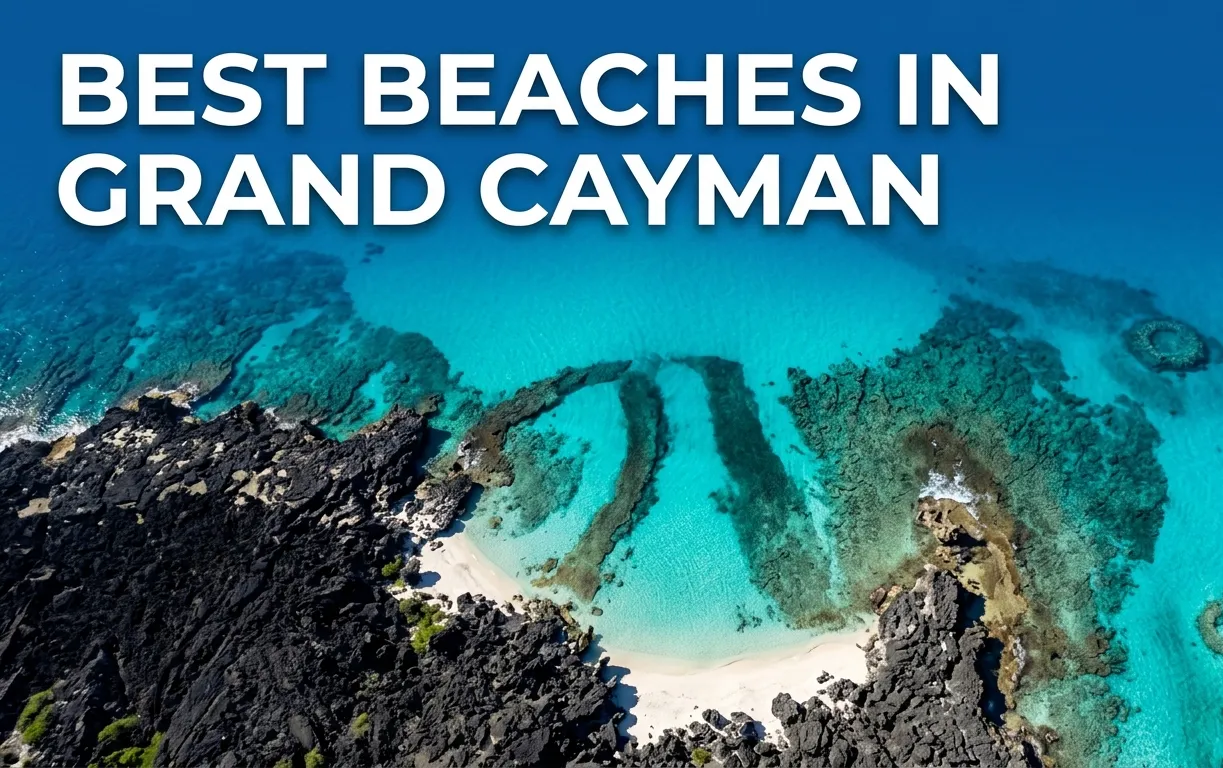
Smith Cove is a tiny, stunning natural cove just south of George Town. It is the single best snorkeling site directly from shore for both beginners and experts.
The cove is protected by a dramatic, jagged black limestone ironshore rock formation. The water inside is a vivid, glassy turquoise and almost always completely flat and calm.
Entry into the deep, clear water is easy from a small sandy beach and a set of rustic steps. The snorkeling is immediate, with a dense population of sergeant majors, parrotfish, and wrasse.
The rocky outcrops provide shade in the morning, making it a comfortable spot. The limitation is extreme: there are no restrooms, no vendors, and no fresh water.
A solo traveler or a couple can spend hours here exploring the outer reef. This is a genuine local treasure and the polar opposite of a manicured resort beach.
Key Takeaway: Smith Cove is Grand Cayman’s best shore snorkeling spot, but it’s a wild, amenity-free cove.
Cemetery Beach: The Local Favorite on Seven Mile
Cemetery Beach is a wide, quiet stretch of sand at the northern end of Seven Mile Beach. It is named for the small, historic cemetery across the quiet coastal road.
The beach here is deep, with soft, powdery white sand that is never crowded. A healthy coral reef sits just a short, 50-yard fin kick directly offshore.
Shade is provided by a line of mature casuarina trees behind the sand. This makes it one of the few places on Seven Mile where you do not need an umbrella.
Parking is on the sandy shoulder of the road, and there are absolutely no facilities. The lack of restrooms and a bar keeps the cruise ship day-tripper crowd firmly away.
A family wanting a quiet, natural beach morning with great snorkeling will love it here. The tree shade is a godsend for keeping young children out of the intense midday sun.
Rum Point: The North Sound’s Shallow-Water Icon
Rum Point is a shallow-water paradise on the north side of the island in a region called Cayman Kai. The water here is an impossibly clear, electric blue that looks like a swimming pool.
The beach is a strip of white sand facing a vast, protected lagoon with water that is often only waist-deep. This makes it the safest and most iconic swimming spot on Grand Cayman for toddlers.
The vibe is defined by the famous Rum Point Club, with its red-painted picnic tables and legendary mudslides. Hammocks hang between the trees, completing the lazy, castaway atmosphere.
The crucial caveat for 2026 is the seasonal sargassum seaweed issue. The entire North Sound can be choked with rotting grass from May through October, making the air unbreathable.
Do not book a holiday condo here for a summer trip without an absolute refund guarantee. November to April is the safe, glorious window when Rum Point is truly world-class.
Starfish Point: A Unique Grand Cayman Experience
Starfish Point is a quiet, sandy cove at the very tip of the Cayman Kai peninsula. Its defining feature is the large, bright-orange cushion starfish that rest on the shallow, sandy bottom.
The water is incredibly calm and clear, barely a foot deep for the first 50 yards out. This is a gentle, natural touch tank, and the instructions are strict and clear.
Never lift the starfish out of the water, as the air will fatally harm them. Bring a waterproof camera for a phenomenal shot of them silhouetted against the white sand.
The best time to visit is on a calm, sunny morning before the tour boats arrive from the resorts. There are no facilities here, just a sandy parking area and a very quiet residential vibe.
For a family with a young marine biologist, this is the most memorable stop on the island. It is a unique, free, and magical interaction with a healthy piece of the Grand Cayman ecosystem.
Key Takeaway: Starfish Point is a magical, free wildlife experience for families who can follow strict no-touch rules.
Governor’s Beach: The Quiet Luxury Stretch
Governor’s Beach is the most beautiful, quiet, and underrated stretch of Seven Mile Beach. It sits in front of the Governor of the Cayman Islands’ official residence.
The beach is exceptionally wide, with powdery, clean coral sand and no resorts looming directly overhead. The water is shallow, calm, and has the electric, graded-blue color of a perfect postcard.
The vibe is serene and residential, with a mix of residents and guests from nearby luxury condos. It lacks the noisy, party atmosphere and the rows of cruise ship jet skis found further south.
Access is via a small, unmarked public path with a very limited free parking lot. The official residence building is set far back, so the beach feels open and uncluttered.
Cemetery Beach is a short walk north for excellent snorkeling. A honeymooning couple or a luxury seeker who wants to avoid crowds will find their perfect spot here.
The Best Snorkeling Beaches in Grand Cayman
The best shore snorkeling in Grand Cayman is not found on the wide, sandy resort stretches. It is concentrated in the small, rocky coves and the northern tip of Seven Mile Beach.
Smith Cove is the top choice for a guaranteed calm, biodiverse, and dramatic reef experience directly from the sand. The protection from the ironshore makes it a year-round option.
Cemetery Beach has a healthy, accessible reef a short swim from a perfect sandy beach. It is the best compromise for a group where some people want to tan and others want to explore.
Spotts Beach on the south coast has a 90% chance of swimming with wild sea turtles. You will find them grazing on the seagrass in the shallows, usually in the late afternoon.
The Kittiwake Shipwreck is technically a snorkelable site from shore at the northern end of Seven Mile Beach. The wreck is a 30-yard swim out, but the current can be dangerously strong on an outgoing tide.
Grand Cayman’s Best Beaches for Families
Grand Cayman is one of the safest, most family-friendly beach destinations in the entire Caribbean. The island is wealthy, English-speaking, and has excellent medical facilities.
- Public Beach on Seven Mile: The best all-rounder, with a playground, calm water, restrooms, and food trucks.
- Rum Point (November to April): The gold standard for shallow, bath-warm water with zero waves for toddlers.
- Starfish Point: A free, magical wildlife experience that young children will talk about for years.
- Governor’s Beach: The quietest, cleanest section of Seven Mile for a family that wants to avoid a noisy bar scene.
The single biggest mistake a family can make is booking a remote East End rental. You will be isolated, the beach will often be unswimmable, and you will spend a fortune on a rental car to drive back west every single day.
Public Beach Access Rules on Grand Cayman
All beaches in Grand Cayman are public property up to the high-water mark by law. This democratic right is fiercely protected by the Cayman Islands constitution.
You can legally walk the entire length of Seven Mile Beach without being stopped. Resort security guards cannot ask you to move from the sand in front of their $1,500-a-night hotel.
The physical challenge is finding the access. Public rights-of-way are narrow, often unsigned paths between multimillion-dollar condominium buildings.
Look for small, brown wooden signs that say “Beach Access” and be prepared to park far away. The most difficult part is simply getting your car and your cooler from the road to the water’s edge.
Key Takeaway: The sand is public, but the path to it is intentionally hard to find, so look for the small brown signs.
Best Beaches for Grand Cayman Cruise Passengers
Grand Cayman is a tender port, with cruise ships anchoring off George Town. Cruise passengers are the economic lifeblood of the island but have a limited time window.
The vast majority of passengers are funneled onto shuttle buses and driven directly to the Public Beach section of Seven Mile Beach. This is the area around Calico Jack’s, where it feels like a lively, busy resort scene.
To escape the cruise ship crowd, walk north. The further you walk up Seven Mile Beach past the Kimpton Seafire, the fewer day-trippers you will see.
Smith Cove is a great choice if you just want to snorkel without paying for a chair. It is a five-minute taxi ride from the tender dock and has no facilities, which keeps the big tour groups away.
A day-pass to a resort like the Westin or the Kimpton is the most comfortable option. You will pay a premium for guaranteed shade, a clean restroom, and a strong drink.
Sargassum Seaweed in Grand Cayman: A 2026 Reality Check
Sargassum seaweed is the single biggest spoiler of a Grand Cayman beach vacation. It is a brown, floating macroalgae that has been inundating the Caribbean in unprecedented quantities.
The prevailing easterly trade winds blow sargassum onto the windward north and east coasts of the island. From May through October, this can pile up several feet deep on the shoreline.
The rotting seaweed releases a stench of hydrogen sulfide, like a rotten egg. It can be so thick it becomes physically impossible to enter the water.
The leeward west coast is naturally sheltered and is almost always seaweed-free. The irony is that an East End dream house rental is often unusable for half the year.
In 2026, this is a predictable, recurring seasonal pattern, not a freak event. Before booking any non-Seven Mile Beach accommodation, consult a local seaweed tracker like the one on sargassummonitoring.com.
Key Takeaway: Do not book a summer trip on the east or north coast without an ironclad seaweed refund policy.
Best Time to Visit Grand Cayman Beaches
The best time to visit is the dry, calm winter and spring season from November to April. The weather is sunny, the trade winds are cool, and the risk of seaweed is minimal.
The water visibility is at its absolute peak during these months. This is crucial for the world-class snorkeling and diving that the island is famous for.
The worst time to visit is the rainy and hurricane season from May to October. The humidity is high, and the sargassum seaweed on the windward coast peaks in July and August.
The risk of a direct hurricane hit is real, though statistically lower than in the eastern Caribbean. Travel insurance with a named-storm clause is essential for any trip booked during these months.
March and April are the sweet spot, with perfect weather and slightly lower prices after the peak winter luxury rush. The water has had all winter to clear up, and the visibility is spectacular.
| Month | Seaweed Risk (East) | Crowds | Price Tier | Verdict |
|---|---|---|---|---|
| Nov-Apr | Low | High | Peak | The ideal window for a perfect trip. |
| May-Jul | Very High | Medium | Mid-Range | High risk for Rum Point. Only book Seven Mile. |
| Aug-Oct | High | Low | Value | Hurricane season. A gamble for a bargain. |
What to Pack for Grand Cayman Beaches
Packing for Grand Cayman means preparing for an expensive, sun-drenched island. The items you forget will cost you a fortune to replace at the local resort shops.
Essential items for a successful 2026 trip:
- Reef-Safe Mineral Sunscreen: Chemical sunscreens damage the reef and are illegal to sell on the island.
- High-Quality Polarized Sunglasses: The glare off the white coral sand and calm water is blindingly intense.
- A Full-Body Rash Guard and Water Shoes: The ironshore rocks at Smith Cove are sharp, and the sun is brutal on a long snorkel.
- Insect Repellent with DEET: The no-see-ums, known locally as sand flies, are vicious at dawn and dusk.
- A Waterproof Dry Bag: Essential for protecting your phone and car keys while swimming and snorkeling.
- US Dollars: The Cayman Islands dollar is pegged, but USD is accepted everywhere at a fixed rate of 1 USD to 0.80 KYD. Change is given in KYD.
Frequently Asked Questions About Grand Cayman Beaches
What is the best beach in Grand Cayman for swimming?
Seven Mile Beach is the single best beach in Grand Cayman for a pure, calm-water swim.
The leeward coast is permanently sheltered, so the water is almost always flat and crystal clear.
The sand is a soft, white powder with a gentle slope into the water.
Are all beaches in Grand Cayman public?
Yes, the constitution guarantees public access to every beach up to the high-water mark.
The challenge is finding and using the often-hidden, narrow public rights-of-way to the sand.
You have the legal right to walk, sit, and swim in front of any luxury hotel on the island.
Where do cruise ship passengers go to the beach in Grand Cayman?
Most cruise ship passengers are shuttled to the Public Beach section of Seven Mile Beach.
This area near Calico Jack’s becomes very busy when multiple ships are in port.
For a quieter cruise day, take a short taxi ride north to Cemetery Beach instead.
Is there seaweed on Grand Cayman beaches?
Yes, a severe seasonal influx of sargassum seaweed affects the windward north and east coasts.
The stench and the piles of rotting grass typically make the beach unusable from May to October.
The sheltered leeward west coast, including all of Seven Mile Beach, is almost always completely clear.
Which beach is better, Seven Mile Beach or Rum Point?
They are completely different experiences and not directly comparable.
Seven Mile Beach is better for swimming, sunsets, resorts, and year-round reliable water quality.
Rum Point is better for shallow, bath-warm wading and a lazy, toes-in-the-sand castaway vibe.
Do I need a car to visit the best beaches in Grand Cayman?
Yes, a rental car is essential to reach the best coves like Smith Cove and the quiet sections of Seven Mile Beach.
The public bus service is unreliable for beach hopping with chairs and coolers.
Taxis are extremely expensive, and a single round trip can cost more than a day’s car rental.
The Smartest Way to Beach Hop on Grand Cayman
Grand Cayman’s beaches are a masterclass in choosing the right coast for the right season. The unforgettable snorkeling at Smith Cove and the shallow perfection of Rum Point in March are genuinely world-class.
Your first booking should be a rental car to escape the cruise ship section of Seven Mile Beach. Drive north for a morning of reef snorkeling at Cemetery Beach and lunch at Macabuca.
Check the current 2026 sargassum seaweed forecast on the day you book your East End or Rum Point accommodation. These specific seasonal conditions and the locations of public beach access paths are subject to change.
A perfect Grand Cayman beach day is about knowing which specific cove matches the wind, the sun, and your mood.