25 Best Beaches In Spain For 2026 (Regional Guide)
Best beaches in Spain are not all the same. The Mediterranean, Atlantic, and Balearic coasts offer completely different experiences.
Spain holds 642 Blue Flag beaches, the most of any country on Earth. But quantity does not guarantee quality for your specific trip.
This regional guide covers Spain’s best beaches for 2026. You will learn which beaches match your travel style, where to avoid crowds, and what each coast truly delivers.
Best Beaches In Spain: Overview By Coast
Spain’s coastline divides into four distinct regions. Each region has unique water conditions, sand types, and crowd patterns.
The Mediterranean coast (Costa Brava, Costa Dorada, Costa del Sol) offers calm, warm water and fine sand. July and August bring peak crowds and high prices.
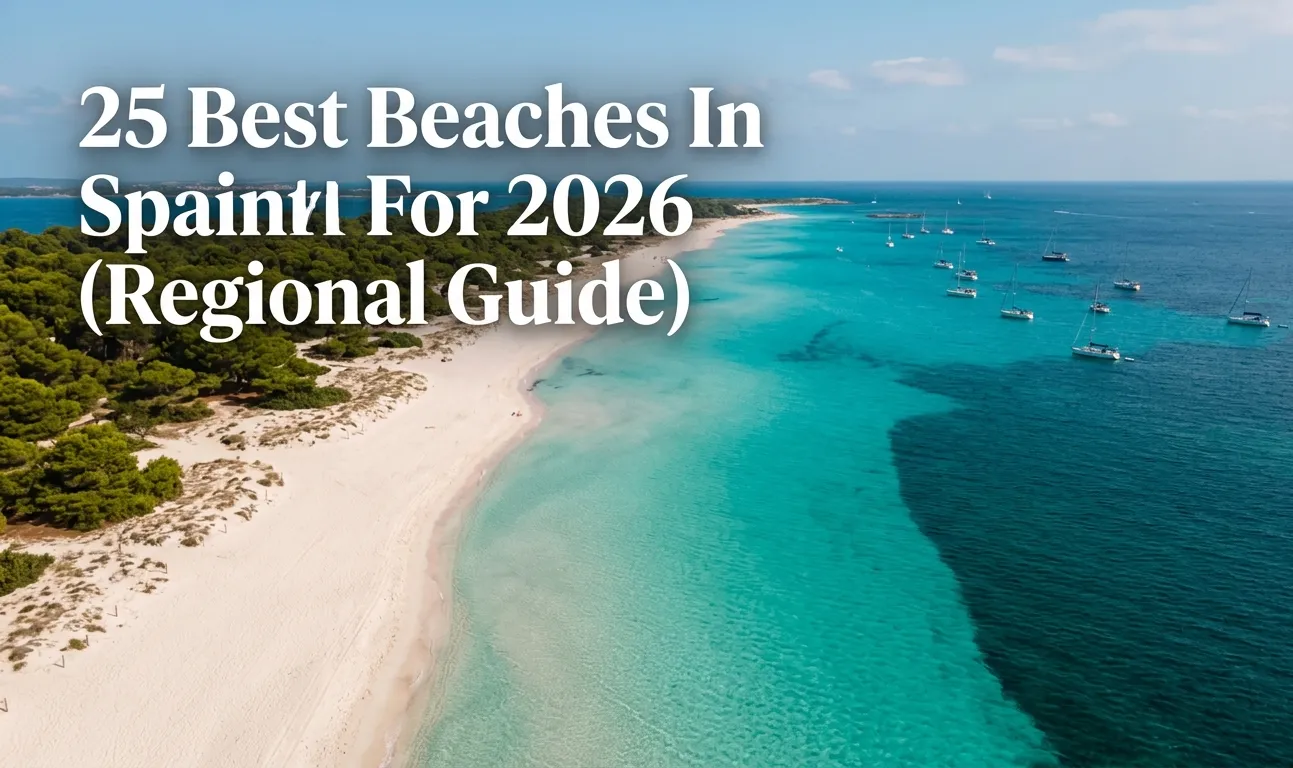
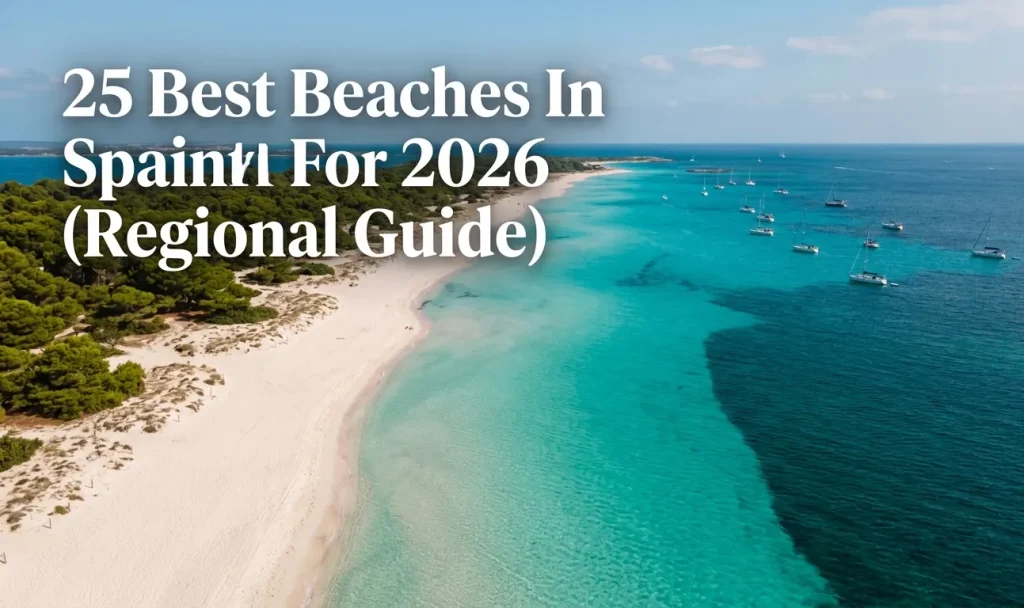
The Balearic Islands (Mallorca, Menorca, Ibiza, Formentera) have turquoise water and white sand coves. Formentera’s Playa de Ses Illetes ranks among Europe’s top ten beaches.
The Atlantic coast (Costa de la Luz, Canary Islands) delivers stronger surf, wilder landscapes, and cooler water. Tarifa’s Playa de los Lances is a kitesurfing mecca.
Green Spain (Basque Country, Cantabria, Galicia) offers rugged, uncrowded beaches with cooler temperatures. This region is a 2026 “coolcation” alternative to the Mediterranean heat.
According to TurEspaña (Spanish Tourist Board), 2026 travel trends show increasing interest in northern, less crowded coastal regions. Book accommodations in high-demand areas like Costa Brava and Formentera at least three months in advance for summer 2026.
Key Takeaway: Choose your region based on desired water temperature, crowd levels, and landscape. Mediterranean for heat and sand. Atlantic for surf and wildness. Green Spain for cool tranquility.
Best Beaches Spain: Mediterranean Coast Gems
The Mediterranean coast stretches from the French border to Gibraltar. This region has Spain’s warmest water and most developed beach infrastructure.
Playa de la Malagueta in Málaga city is the most accessible urban beach. The dark grey sand and lively promenade attract a mix of locals and tourists.
Parking is difficult in summer. Take bus line 11 or 3 from the city center instead.
Playa de la Caleta near Málaga offers a quieter alternative. This small cove sits between rocky formations on the city’s western edge.
The water is shallow and clear, making it safe for families. Arrive before 10 AM to secure parking.
Playa de Almayate east of Málaga remains completely undeveloped. There are no beach clubs, restaurants, or restrooms here.
The wild golden sand and clear water attract snorkelers and fishermen. Bring all supplies including water and food.
For families seeking calm swimming, the Costa Dorada beaches near Tarragona are excellent. The shallow, gentle water entry suits young children.
Playa de San Pedro south of Málaga combines pine forest shade with calm water. Kayaking is popular in the gentle waves.
The beach has basic amenities including restrooms and snack kiosks. Parking is easier here than at more central Malaga beaches.
Key Takeaway: Málaga province offers hidden beaches far from the Costa del Sol crowds. Skip La Malagueta in summer and drive 20 minutes east or west for tranquility.
Spain Beaches Best: Costa Brava’s Hidden Calas
The Costa Brava north of Barcelona is famous for rocky coves called “calas.” These small, sheltered beaches offer crystal-clear water and dramatic scenery.
Cala Aiguablava in Begur is one of the region’s most beautiful calas. The sheltered natural harbor has fine sand and turquoise water.
Parking is limited, so arrive before 9:30 AM in July and August. A chiringuito (beach bar) serves drinks and snacks.
Cala Pola and Cala Giverola near Tossa de Mar offer fine sand and clear water. Both calas have chiringuitos for refreshments.
Tossa de Mar’s medieval castle overlooks the coastline. Combine beach time with a morning exploring the old town.
Cala Banys in Lloret de Mar sits along the coastal path (Cami de Ronda). The crystal-clear water and rocky setting attract snorkelers.
The cala is less crowded than Lloret’s main beach. Access requires walking along the coastal path.
Roques Planes near Sant Antoni de Calonge is not a traditional beach. Wide, flat rocks face turquoise water with very few visitors.
This spot is perfect for sunbathing, yoga, or meditating above the water. Bring a towel and snacks as there are no facilities.
The Cami de Ronda coastal path runs over 200 kilometers from Blanes to the French border. It connects many of these hidden calas. Hiking this path is the best way to discover secret swimming spots.
Insider Tip for Costa Brava Calas:
- Rent a car to access remote calas, as public transport is limited
- Start your beach day by 9 AM to secure parking and a good spot
- Bring water shoes for rocky entries at most calas
- Pack lunch and water, as only larger calas have chiringuitos
- Hike sections of Cami de Ronda to find your own secret coves
Key Takeaway: Costa Brava’s calas offer Spain’s most scenic swimming. Rent a car, arrive early, and hike the coastal path for the best experience.
Best Spain Beaches: Costa Dorada Near Barcelona
The Costa Dorada south of Barcelona has easier access from the city. These beaches are perfect for day trips from Barcelona.
Platja de Garraf is only a 30-minute train ride from Barcelona’s Sants or Passeig de Gracia stations. The fine sand beach sits between green hills and colorful historic fishing huts.
The beach has full amenities including sun lounger rentals, kayaks, paddleboards, lifeguards, and restrooms. The exclusive Soho House’s Little Beach House Barcelona has a restaurant open to all beachgoers.
Cala del Pebre near Garraf offers a wilder alternative. The small cove requires climbing down a 2-meter rock face to access.
This difficulty keeps crowds away. Go with friends who can help with the climb.
Sitges is a vibrant beach town 40 minutes south of Barcelona by train. The town is one of Europe’s most LGBTQ+ friendly destinations.
The main beach has fine sand and clear water. The historic center with whitewashed buildings is steps from the shore.
Platja de l’Hom Mort near Sitges requires crossing railroad tracks to access. The wild, uncrowded beach is known as a naturist and LGBTQ+ friendly spot.
The adventurous access keeps this beach peaceful even in peak season. Follow safety signs when crossing tracks.
How to reach Costa Dorada beaches from Barcelona for 2026:
- Take the RENFE R2S train from Barcelona-Sants or Passeig de Gracia stations
- Garraf and Sitges are direct stops on this line
- Buy a return ticket to save money compared to two singles
- Travel before 10 AM on weekends to avoid crowded trains
- The journey to Garraf takes approximately 30 minutes
Key Takeaway: Costa Dorada is the most accessible beach region from Barcelona. Garraf and Sitges offer excellent day trips with reliable train connections.
Famous Beaches In Spain: Balearic Islands (Mallorca, Menorca, Ibiza, Formentera)
The Balearic Islands offer Mediterranean beach perfection. Each island has a distinct personality and beach style.
Ibiza is famous for nightlife, but its beaches are equally impressive. Cala Comte has turquoise water and sunset views over small offshore islets.
The beach has a popular chiringuito serving drinks and seafood. Arrive before 10 AM to secure parking in summer.
Cala Bassa on Ibiza’s west coast has shallow, family-friendly water. The pine forest backdrop provides natural shade.
The beach has full facilities including restaurants and water sports rentals.
Mallorca has over 200 beaches along its coastline. Playa de Muro on the north coast offers fine white sand and shallow water for kilometers.
The beach has Blue Flag certification for water quality. Many all-inclusive resorts sit behind the shoreline.
Menorca is the quietest Balearic island with the most unspoiled beaches. Cala Macarella and Cala Turqueta have Caribbean-like turquoise water.
These beaches have no development and limited facilities. Bring everything you need for the day.
According to Balearic Islands tourism authorities, 2026 is expected to maintain or exceed 2025 visitor numbers. Book ferry crossings from Ibiza to Formentera at least two weeks in advance for July and August travel.
Key Takeaway: Choose Ibiza for nightlife and beautiful coves, Mallorca for variety, Menorca for unspoiled tranquility. Each island requires at least three days to experience properly.
Popular Beaches In Spain: Formentera’s White Sand Paradise
Formentera is the Balearics’ best-kept secret. This small island sits a 40-minute ferry ride south of Ibiza.
Playa de Ses Illetes regularly ranks among the world’s top ten beaches. The white sand strip faces turquoise water so clear you can see the bottom at waist depth.
The beach has a laid-back, bohemian atmosphere. A beach bar serves drinks and simple food.
Arrive before 10 AM or after 4 PM to find parking. The beach is extremely popular with both day-trippers from Ibiza and overnight guests.
Playa de Levante connects to Ses Illetes at the northern tip of the island. The white sand continues for kilometers with fewer crowds.
The water stays shallow for a long distance from shore. This is perfect for families with young children.
Playa de Migjorn on the south coast is the island’s longest beach at 5 kilometers. The beach has a quieter, more spread-out feel.
Many beach bars (chiringuitos) dot the shoreline behind the sand. The sunset views here are spectacular.
Es Pujols is Formentera’s main town beach with a livelier atmosphere. The fine sand beach has casual bars and restaurants steps from the water.
The town has boutiques, hotels, and a weekly hippy market. This is the best option for travelers who want amenities near their beach.
Formentera 2026 travel planning:
- Ferries from Ibiza Town to Formentera run every 30-60 minutes in summer
- Book round-trip ferry tickets in advance for July and August
- Rent a bicycle or scooter on Formentera, as the island is small and flat
- Day trips are possible but staying overnight allows sunrise and sunset beach time
- The island has limited hotel inventory, so book accommodations 4-6 months in advance
Key Takeaway: Formentera has Spain’s most spectacular white sand beaches. Stay overnight if possible, as day-trippers crowd the island between 11 AM and 5 PM.
Best Beaches In Spain: Andalusia’s Costa del Sol
The Costa del Sol has Spain’s most developed beach infrastructure. The 160-kilometer coastline offers beaches for every taste and budget.
Marbella has the best beaches on the Costa del Sol. The blonde sand is cleaner and the water clearer than in Málaga city.
Cabopino Beach near Marbella has sand dunes and a pine forest backdrop. This wilder setting feels less developed than central Marbella beaches.
The beach has a chiringuito and restrooms. Parking is available but fills early.
Nikki Beach Marbella is the famous celebrity beach club. The white daybeds, champagne service, and DJs attract an upscale crowd.
Entry and lounger packages typically range from 40 to 150 euros depending on season and demand. Book reservations weeks in advance for summer weekends.
Puerto Banús beach sits next to the luxury marina. Superyachts dock meters from where you place your towel.
The beach is narrow but the people-watching is world-class. Expensive chiringuitos line the shorefront.
Playa de la Fontanilla is central Marbella’s main family beach. The gentle water entry and nearby playgrounds make this ideal for children.
The beach has full amenities including restrooms, showers, and wheelchair access. A promenade with restaurants runs behind the sand.
Málaga vs Marbella beach decision for 2026:
| Factor | Málaga City Beaches | Marbella Beaches |
|---|---|---|
| Sand color | Dark grey | Blonde |
| Water clarity | Moderate | Clearer |
| Crowd level | Very high | High to very high |
| Vibe | Urban, local | Glamorous, international |
| Cost | Budget to mid-range | Mid-range to luxury |
| Best for | Culture-plus-beach trips | Pure beach luxury |
Key Takeaway: Marbella has better beaches than Málaga city for pure sun and sand. Choose Málaga for combining beach time with museum and tapas culture.
Best Beaches Spain: Atlantic Coast Of Tarifa And Cádiz
Tarifa is Europe’s wind capital and the southernmost point of the continent. The Mediterranean Sea meets the Atlantic Ocean at this unique town.
Playa de los Lances is Tarifa’s main Atlantic beach. The white sand stretches for kilometers with no high-rise development.
The water entry is very gentle, but strong winds create waves. This beach is world-famous for kitesurfing and windsurfing.
Several kite schools offer lessons for beginners. Chiringuito Waikiki serves drinks and food near the town end of the beach.
Playa Chica on Tarifa’s east side is sheltered by Tarifa Island. The Mediterranean side has calm water perfect for families with young children.
This small wild beach has no sun lounger rentals. Bring your own chairs or towels.
Punta Paloma sits at the end of Tarifa’s beaches. A massive sand dune formed by African winds rises behind the golden sand.
The dune is a spectacular sight not visible from the road. Park at the beach and walk up to the dune for views of Morocco on clear days.
Playa de Pajares in Cádiz province has become a 2026 tourism curiosity. Herds of Retinta cattle roam freely along this 3.5-kilometer beach.
The beach sits in a military training zone (Sierra del Retín) that opens to the public in peak summer season. Check local signage for access dates.
This is a completely undeveloped, wild beach. There are no facilities, so bring all supplies.
Tarifa Beach Safety Warning:
The Atlantic has strong currents and unpredictable waves at Playa de los Lances. Check wind and surf conditions before swimming. The kiteboarding zone is clearly marked. Stay in the swimming zone if you are not an experienced ocean swimmer. Lifeguards are present during official bathing season but cannot cover the entire long beach.
Key Takeaway: Tarifa is for wind and waves, not calm swimming. Visit for kitesurfing or dramatic Atlantic landscapes. Choose the Mediterranean side (Playa Chica) for calmer family swimming.
Famous Beaches In Spain: Canary Islands’ Volcanic Shores
The Canary Islands offer year-round beach weather. Winter water temperatures stay above 18°C (64°F), making these islands Europe’s winter sun destination.
Fuerteventura has over 150 kilometers of coastline. Playa de Cofete on the Jandía Peninsula was named among Europe’s most breathtaking beaches for 2026.
The 12-kilometer golden sand beach sits below the peaks of Jandía Natural Park. There are no hotels, restaurants, or facilities of any kind.
Reaching Cofete requires driving winding mountain roads. The adventure is part of the experience. Strong Atlantic currents make swimming dangerous in many spots, so watch from the sand.
Gran Canaria has diverse beach landscapes. Maspalomas is famous for its massive sand dunes that resemble the Sahara Desert.
The dune system is a protected nature reserve. The beach has full facilities and is popular with families and naturists.
Lanzarote has unique volcanic landscapes. Papagayo Beaches are a series of golden sand coves inside a natural reserve.
The water is calm and clear, excellent for snorkeling. An entry fee is typically charged per vehicle for park access.
Canary Islands vs Mainland Spain for 2026:
| Factor | Canary Islands | Mainland Spain |
|---|---|---|
| Winter swimming | Yes (18-22°C water) | Too cold (below 16°C) |
| Summer heat | Warm but less extreme | Very hot (above 35°C) |
| Beach type | Golden to black volcanic sand | Mostly golden to white sand |
| Crowds | Year-round | Peak July-August only |
| Flight cost | Higher from US/Canada | Lower to Madrid/Barcelona |
Key Takeaway: Choose the Canary Islands for winter sun and volcanic landscapes. Choose mainland Spain for classic Mediterranean beach culture from June through September.
Spain Beaches Best: Green Spain’s Atlantic Coast
Green Spain is the country’s best-kept coastal secret. This northern region from the Basque Country to Galicia has rugged, uncrowded beaches with cooler temperatures.
San Sebastián in the Basque Country has city beaches with a French Riviera feel. La Concha Beach is shaped like a scallop shell and sheltered by a small island.
The water is Atlantic, so expect cooler temperatures (18-21°C / 64-70°F in summer). The Belle Époque promenade is beautiful for sunset walks.
Cantabria has dramatic beaches where mountains meet the sea. Playa de Oyambre is a long, wild beach backed by green hills and a nature park.
This is a surfing destination with consistent Atlantic swell. The beach is never crowded even in August.
Green Spain’s beaches are a 2026 “coolcation” trend. TurEspaña reports increased bookings to northern Spain from travelers seeking to escape Mediterranean heat.
The weather is unpredictable. Pack layers and be prepared for rain even in July. The landscape is spectacularly green for a reason.
Green Spain packing for 2026:
- Wetsuit or rash guard for swimming in cooler Atlantic water
- Layered clothing including a waterproof jacket
- Hiking shoes for coastal path walks
- Sunscreen (the sun still burns through clouds)
- A good camera for dramatic cliff and mountain backdrops
Key Takeaway: Green Spain is for travelers who prioritize dramatic landscapes and solitude over guaranteed hot sun. Summer temperatures are pleasant, not oppressive.
Safety And Seasonal Warnings For Spanish Beaches
Spain’s beaches are generally safe, but each coast has specific hazards. Pay attention to local warning flags at all times.
Flag warning system across Spain:
- Green: Safe swimming conditions
- Yellow: Caution required, dangerous conditions possible
- Red: No swimming, lifeguards actively prevent entry
Never ignore red flags. Mediterranean rip currents and Atlantic sneaker waves kill tourists every year.
Atlantic coast (Tarifa, Cádiz, Green Spain) strong currents. These beaches have powerful waves and unpredictable conditions. Swim only in designated areas with lifeguards present. Playa de Cofete has dangerous swimming conditions year-round despite its beauty.
Mediterranean heat and sun protection are essential. UV index regularly exceeds 9 from May through September. Use reef-safe sunscreen, hats, and rash guards. Seek shade between 1 PM and 4 PM when the sun is strongest.
Jellyfish appear occasionally on Mediterranean and Balearic beaches. Portuguese Man o’ War are rare but present in some years. Beach lifeguards post warning signs and can provide vinegar rinses for stings.
Peak season crowding requires early arrival. Popular calas on Costa Brava and beaches in Formentera fill parking by 9:30 AM. Arrive before 9 AM or after 4 PM for a spot. Weekdays are significantly less crowded than weekends.
Military zone access restrictions at Playa de Pajares in Cádiz. The beach is in a training area and may be closed during military exercises. Check local signage before driving to this remote beach.
Emergency services in Spain:
- Dial 112 for all emergencies (ambulance, police, fire)
- Lifeguards are present at Blue Flag beaches during official bathing season (typically June 15 to September 15)
- Hospitals with emergency rooms are in all major coastal cities including Málaga, Barcelona, Palma, and Santa Cruz de Tenerife
Frequently Asked Questions About Best Beaches In Spain
What part of Spain has the best beaches?
The Balearic Islands, specifically Formentera’s Ses Illetes, have Spain’s most spectacular white sand and turquoise water. Costa Brava’s hidden calas offer the most scenic rocky cove swimming. Choose based on whether you want sand (Balearics) or dramatic coves (Costa Brava).
Does Spain have beautiful beaches?
Yes, Spain has 642 Blue Flag beaches, more than any other country. The Mediterranean, Atlantic, and Balearic coasts offer dramatically different but equally beautiful beach experiences. Formentera, Costa Brava, and Tarifa are world-renowned for their coastal beauty.
What is the most famous beach in Spain?
Playa de Ses Illetes in Formentera is the most famous Spanish beach, consistently ranking among the world’s top ten. Playa de Cofete in Fuerteventura gained fame as a 2026 must-visit destination. La Concha in San Sebastián is the most famous urban beach.
Where are the quietest beaches in Spain?
Green Spain’s Atlantic coast (Basque Country, Cantabria, Galicia) has the quietest beaches in summer. Playa de Almayate near Málaga and Playa de Pajares in Cádiz remain undeveloped with very few visitors. Costa Brava’s remote calas like Roques Planes are uncrowded due to difficult access.
Are there any nude beaches in Spain?
Yes, Spain has many designated naturist beaches. Platja de l’Hom Mort in Sitges is a well-known nude and LGBTQ+ friendly beach. Maspalomas in Gran Canaria has a large naturist section in the sand dunes. Most beaches do not require full nudity but have designated areas.
Which Spanish beaches are least crowded in summer 2026?
Green Spain beaches including Playa de Oyambre in Cantabria and Galicia’s coastline have the smallest crowds. Remote wild beaches like Playa de Almayate (Málaga) and Playa de Pajares (Cádiz) also remain uncrowded. Avoid Costa del Sol and Costa Brava calas between 11 AM and 4 PM in July and August.
Your Next Steps For Spain’s Best Beaches In 2026
Decide which coast matches your travel style first. Mediterranean for hot sun and sand. Atlantic for surf and wild landscapes. Green Spain for cool tranquility and solitude.
Book flights at least three months in advance for July and August travel. Direct flights to Barcelona, Málaga, Palma, and Ibiza are widely available from across Europe and North America.
Rent a car for Costa Brava calas, Tarifa, and Green Spain. Use trains for Costa Dorada beaches from Barcelona. The RENFE R2S train reaches Garraf and Sitges easily.
Pack water shoes, reef-safe sunscreen, and early arrival discipline. The best Spanish beaches require effort and early wake-ups.
Verify all 2026 beach access information with local tourism offices before traveling. Military zone restrictions, chiringuito openings, and ferry schedules change annually and were current at publication but may shift.
Spain’s beach diversity means there is a perfect coast for every traveler. Choose wisely based on your priorities, not just on Instagram photos.