Tampa Florida Beaches 2026: An Honest Barrier Island Guide
Tampa itself does not have a single swimmable ocean beach.
The city sits on the brackish, shallow water of Tampa Bay.
The real beaches are a 30 to 50 minute drive west on the barrier islands of
Pinellas County. This guide names the exact sand that is worth the bridge
traffic.
The Florida Fish and Wildlife Conservation Commission (FWC) monitors red tide
daily. A perfect-looking beach can be unbreathable on the wrong weekend.
You need to know which island, which parking lot, and which month to target.
The wrong choice means a wasted day on a causeway staring at brake lights.
Does Tampa Have Good Beaches?
No, Tampa does not have good beaches within its city limits.
The city waterfront is a port and a riverwalk, not a sandy shoreline.
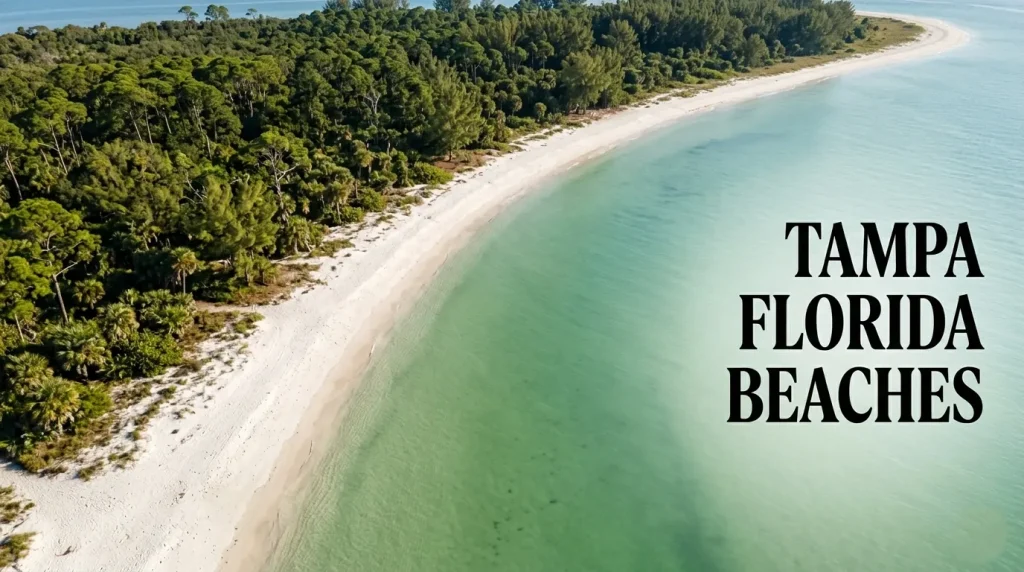
The good beaches are a drive away on the Gulf of Mexico barrier islands.
This drive takes 30 minutes on a clear Tuesday or 90 minutes on a summer Saturday.
The quality of the beaches across the bridges is genuinely high.
Clearwater Beach and St. Pete Beach frequently rank among America’s best.
The sand is composed of soft, white quartz crystal washed down from the Appalachians.
It stays cool underfoot even in direct July sun.
The water is warm, calm, and murky green, typical of the Gulf Coast.
You will not find crashing surf or turquoise Caribbean clarity here.
Tampa Beaches Florida
The “Tampa beaches” moniker is a marketing term for the Pinellas County coastline.
Locals call them by their specific names: Clearwater, St. Pete, and the state parks.
The geography splits into two main categories.
You choose between the bustling resort strips and the wild, protected state parks.
The resort strip runs along Gulf Boulevard from Clearwater down to Pass-a-Grille.
This is a dense, walkable string of hotels, bars, and public access points.
The state park system offers a quieter, more natural Gulf experience.
Caladesi Island and Fort De Soto Park require a short ferry or a longer
drive.
The intracoastal waterway side offers bay beaches with zero waves.
These are ideal for toddlers but often have lower tidal flushing.
Key Takeaway: “Tampa beaches” means a 45-minute drive to a Pinellas County Gulf beach. Plan your bridge route before you leave.
Tampa FL Beaches
The closest Gulf beach to downtown Tampa is Sand Key Park in Clearwater.
It is a quieter, more natural alternative to the main Clearwater strip.
Ben T. Davis Beach sits right on the Courtney Campbell Causeway closer to Tampa.
It is a narrow, roadside strip of sand, not a true destination beach.
Use Ben T. Davis only for a quick sunset look, not a beach day.
The water quality here is consistently lower due to causeway runoff.
Pass-a-Grille Beach at the southern tip of St. Pete Beach offers old Florida
charm. This historic fishing village has low-rise motels and a slower pace.
Honeymoon Island State Park is the most accessible state park beach from Tampa.
A short causeway drive takes you directly onto the island without a ferry.
Best Beaches Near Tampa FL
The single best beach near Tampa for a classic resort day is Clearwater Beach.
It delivers the widest white sand, a lively pier, and endless amenities.
Fort De Soto Park is the best for a natural, wild beach with history.
St. Pete Beach is best for a retro-chic, sprawling resort experience.
Your best choice depends on your tolerance for crowds and parking costs.
Clearwater wins for convenience and spectacle but loses for peace and quiet.
| Beach | Best For | Water | Parking & Cost |
|---|---|---|---|
| Clearwater Beach | Tourist Energy, Amenities | Calm, Green | $30+ Peak Day Lots |
| Fort De Soto Park | Nature, History, Dogs | Calm, Tidal Pools | $5 Park Entry |
| St. Pete Beach | Retro Resorts, Couples | Calm, Green | Metered Street Spots |
| Honeymoon Island | Quick Nature Escape | Calm, Clearer | $8 Park Entry |
| Caladesi Island | True Seclusion | Pristine, Shallow | $16 Ferry Fee |
Key Takeaway: Clearwater is the reliable crowd-pleaser. Fort De Soto is the local’s enlightened choice for a full nature day.
Top Beaches in Tampa
The top beach for parking convenience is Fort De Soto Park because its massive
lot rarely fills. The top beach for postcard photographs is Caladesi Island.
Sand Key Park ranks as the top beach for a quieter Clearwater alternative.
It sits one bridge south of the main chaos with the same sugar sand.
Pass-a-Grille Beach is the top beach for a romantic, old-Florida sunset.
The Don CeSar Hotel’s pink silhouette glows in the distance to the north.
The worst top beach on a windy day is Clearwater Beach due to limited shelter.
The fine white sand becomes a stinging, airborne exfoliant in strong wind.
Honeymoon Island wins as the top dog-friendly beach with a dedicated dog park
area. Dogs are allowed on the south beach on a six-foot leash.
Clearwater Beach Vs St Pete Beach
Clearwater Beach is dense, vertical, and fueled by resort energy.
St. Pete Beach is sprawling, lower-rise, and feels more retro-Florida.
Choose Clearwater for easy walking to bars, the pier, and daily events.
Pick St. Pete Beach for a longer, quieter stretch of sand backed by classic hotels.
Parking at Clearwater is a vertical, expensive garage game near Pier 60.
St. Pete Beach relies on street-side meters and small hotel lots.
Clearwater’s Pier 60 hosts a daily sunset festival with street performers.
It is a genuine family crowd-pleaser that justifies the parking pain once.
St. Pete’s Don CeSar Hotel provides the historic, pink landmark backdrop.
The sand in front of the Don is public, so you can enjoy the view for free.
Clearwater feels like a busy Miami-lite on a spring break Saturday.
St. Pete Beach spreads the same visitor count across more linear sand miles.
Fort De Soto Beach
Fort De Soto Park is a 1,136-acre county park at the southern tip of the
county. It has seven miles of waterfront, a historic fort, and a dog beach.
The North Beach here offers the best shallow, clear water for young children.
Massive tidal pools form at low tide, creating natural, bath-warm wading areas.
The park entry fee is a flat $5 per vehicle, the best value in the region.
Parking is abundant, and you can set up for a full day without a meter ticking.
A ferry from the park takes you to Egmont Key for shelling and snorkeling.
Book the ferry in advance during peak spring break weeks.
The downside is the location: it is a long drive to the very bottom of the county.
Traffic through St. Pete Beach can add 20 minutes to your return trip.
For families, this is the single best beach park in the Tampa Bay area.
It combines shallow water, a fort to explore, clean bathrooms, and zero resort
hustle.
Caladesi Island State Park
Caladesi Island State Park is an undeveloped barrier island only accessible by
ferry. It is the most pristine, natural beach near Tampa.
The ferry departs from Honeymoon Island State Park and costs around $16 per
adult. The ride across the channel takes roughly 20 minutes.
You arrive at a marina with a small snack bar and kayak rentals.
A short walk through a maritime hammock drops you onto a stunning, empty beach.
The shelling here is exceptional due to the lack of mechanical beach raking.
Sand dollars, whelk shells, and fighting conchs litter the wrack line.
The ferry capacity limits daily visitors, so crowds are controlled naturally.
Arrive at the ferry dock before 10 a.m. on weekends to secure a seat.
This island has no bridge, no cars, and no hotels.
Pack out everything you bring, as trash facilities are minimal.
Honeymoon Island State Park
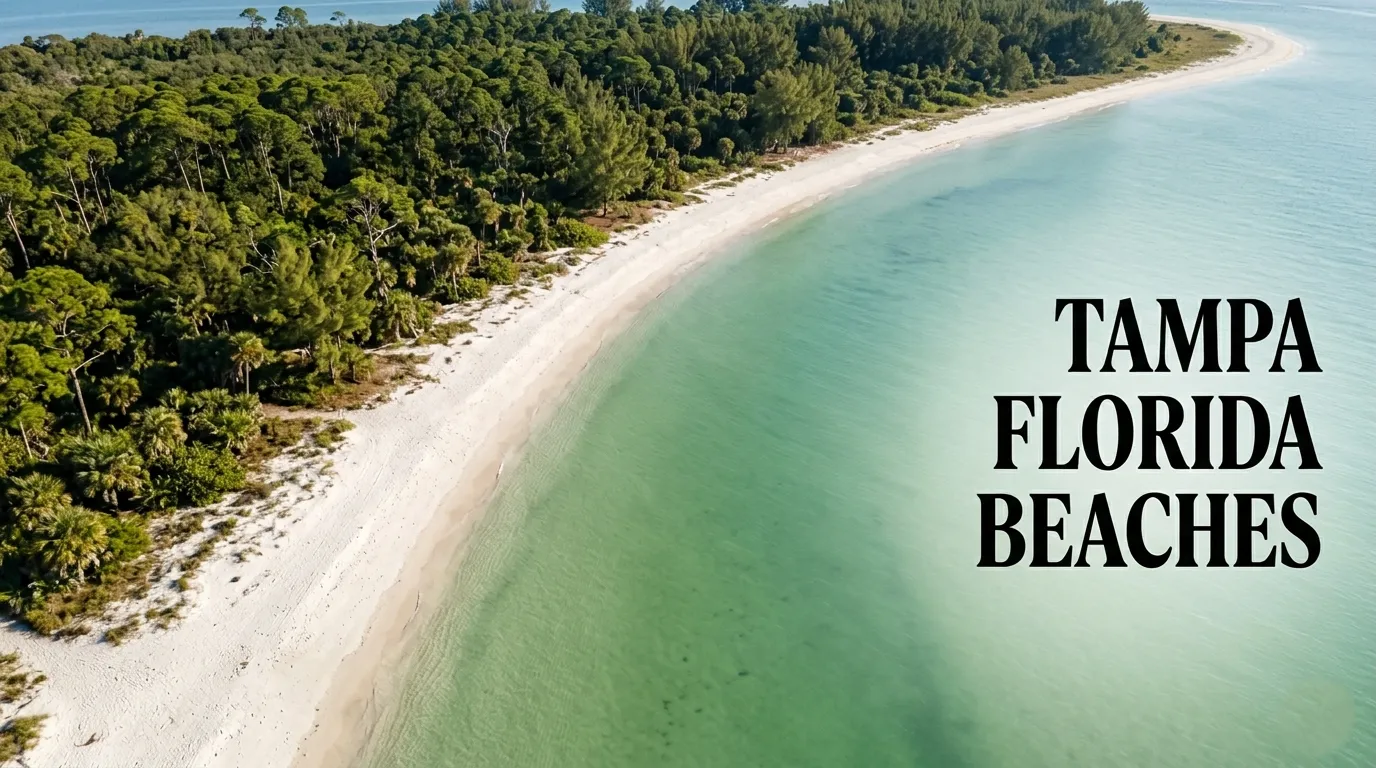
Honeymoon Island State Park is the quickest pristine beach escape from Tampa.
You drive directly onto the island via a short causeway from Dunedin.
The entry fee is $8 per vehicle for the full day.
The park has miles of beach, nature trails, and a dog-friendly section.
The North Beach offers the calmest and clearest water on the island.
It faces a protected sound, making the surf almost nonexistent.
The Oasis Beach near the parking lot gets crowded quickly on weekends.
Walk 15 minutes north past the rocks to find near-solitude.
The park closes when its main lot reaches capacity on summer Saturdays.
Arrive before 9:30 a.m. or plan a late afternoon visit after 3 p.m.
This is the best park for a quick, non-ferry nature beach day from Tampa.
It feels a world away from the Clearwater high-rises just five miles south.
Key Takeaway: Honeymoon Island is the practical, no-ferry nature beach. Caladesi is the pristine upgrade worth the boat ride.
Best Tampa Beach for Families
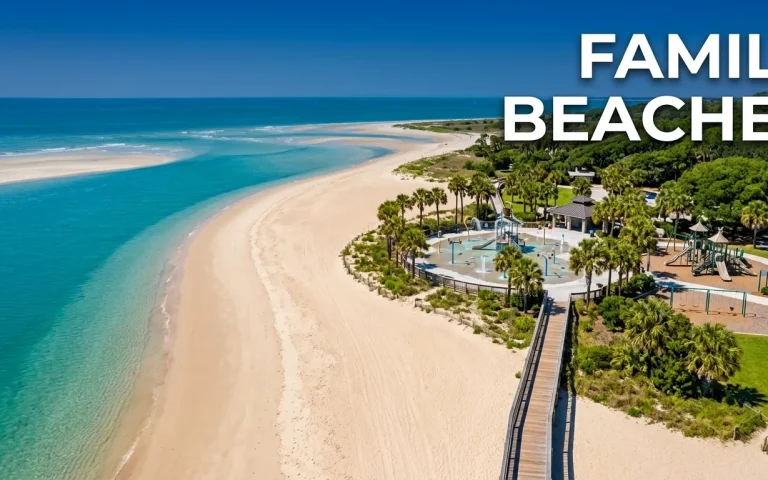
Fort De Soto North Beach is the best beach for families with young children.
The shallow tidal pools at low tide create a safe, wave-free natural splash zone.
Clearwater Beach is best for families with older kids who crave activity.
Pier 60, the playground, and the nearby aquarium keep a tween entertained all day.
Park at the Pier 60 lot and walk to everything the family needs.
The downside is the cost, which can exceed $30 on a prime summer day.
Honeymoon Island’s North Beach suits families who want a nature-based day.
The calm, protected water and on-site cafe make logistics simple.
Avoid St. Pete Beach near the TradeWinds Resort for quiet family swimming.
The rowdy beach bar scene and heavy crowds can overwhelm young sensibilities.
Always apply SPF 50 on the hour in summer.
The white sand reflects UV rays intensely, leading to fast, severe burns.
Best Tampa Beach for Couples
Caladesi Island State Park is the most romantic beach for couples seeking
privacy. The ferry ride, the empty sand, and the shelling trail feel like a shared
adventure.
Pass-a-Grille Beach delivers a walkable, quaint, and romantic sunset evening.
Eat at the Hurricane Restaurant rooftop and walk the historic brick streets
afterward.
For a luxury couple’s day, book a poolside cabana at the Don CeSar Hotel.
The history and pink architecture make the splurge feel justified.
Sand Key Park offers a quieter, high-end romantic sunset on a Clearwater-area
beach. It lacks the commercial density of the main strip just north.
Avoid the main Clearwater Beach hub near Pier 60 for a quiet couples day.
The thumping energy is fun once, but it crushes any intimate atmosphere.
Book a sunset sailing cruise out of Clearwater Marina for a memorable evening.
The Gulf sunsets are reliably spectacular when the red tide is absent.
Best Shelling Beaches Tampa Area
Caladesi Island offers the best shelling in the Tampa Bay region.
The lack of mechanical beach raking leaves the wrack line full of intact treasures.
Honeymoon Island’s North Beach is the best shelling spot accessible by car.
Walk far from the parking lot to find areas with less competition from other
shellers.
Egmont Key, accessible by ferry from Fort De Soto, delivers excellent shelling.
The remote, undeveloped nature of the island preserves shell quality.
Low tide and a good storm the night before create prime shelling conditions.
Bring a mesh bag, as plastic bags will cause your finds to rot.
Fort De Soto’s East Beach offers a quieter shelling alternative.
It faces Tampa Bay rather than the Gulf, so the wrack line builds differently.
Do not collect live sand dollars or starfish.
Sun-bleached, empty shells only, or you risk a fine from park rangers.
Key Takeaway: Caladesi Island is the shelling champion. Honeymoon Island’s far north beach is the best drive-up spot.
Best Time to Visit Tampa Beaches
The best time is April and early May for the ideal blend of warm water and clear
skies. The water is warming up, and the red tide risk is historically low.
October is a close second, with bath-warm water and thinner crowds.
The hurricane season runs through November, so monitor tropical weather closely.
Avoid late July and August if you can, due to oppressive humidity and peak red tide
threats. Afternoon thunderstorms reliably roll through during these months.
Spring break, from mid-March to mid-April, brings dense party crowds to Clearwater.
Book a state park beach during this window for a quieter family experience.
Winter months offer mild air and cold water, too chilly for a long swim.
Snowbirds from the north keep the beaches populated even in January.
Check the FWC red tide map before booking any trip between July and October.
A severe bloom can ruin a beach day regardless of how perfect the weather looks.
Red Tide Tampa Beaches 2026
Red tide is a harmful algal bloom caused by Karenia brevis in the Gulf waters.
It causes respiratory irritation, coughing, and massive fish kills on the beach.
The Florida Fish and Wildlife Conservation Commission (FWC) publishes a daily
red tide status map. Check this map on the morning of your beach drive.
Red tide severity varies wildly week to week and beach to beach.
Fort De Soto can be clear while Clearwater is experiencing a heavy bloom.
Do not rely on beach webcams to detect red tide.
You cannot see the airborne toxins, only their effects on your lungs.
Red tide is most likely from late summer through early fall.
A bloom can begin as early as June and persist until November.
If you have asthma, COPD, or any respiratory condition, monitor the FWC map closely.
The respiratory irritation from a medium bloom can ruin your vacation.
Pete Beach Parking
Parking on St. Pete Beach is a mix of public metered spaces and private hotel
lots. The ParkMobile app controls most public street-side spots.
Rates typically range from $2.50 to $3.50 per hour depending on the zone.
Enforcement is aggressive, with tickets issued immediately upon meter expiration.
The St. Pete Beach Community Center on Gulf Boulevard has a public lot.
It is a block from the sand and offers a slightly better chance at a midday spot.
Pass-a-Grille has a small, popular pay lot at the southern terminus.
It fills by 10 a.m., so plan to arrive early and make a morning of it.
Upham Beach Park at the north end of St. Pete Beach provides another public lot.
This area is popular with locals and has a more laid-back vibe than the central
strip.
Do not park in grocery store lots and walk to the beach.
Tow trucks patrol these commercial lots constantly during peak season.
Tampa Beach Water Temperature
Tampa area Gulf water is bath-warm for most of the year compared to the Atlantic
coast. Summer temperatures peak from 86 to 90 degrees Fahrenheit in August.
Winter water temperatures drop to the low 60s from December through February.
A wetsuit is not required but makes a long swim more comfortable in January.
The most comfortable swimming months are April through June and September through
November. The water then sits in the 75 to 84 degree range.
Spring is a period of rapid warming from the mid-60s in March to the low 80s by May.
The water off Fort De Soto often warms faster due to the shallow, dark-bottomed
tidal flats.
A stingray shuffle is necessary in the warmer months.
Shuffle your feet when entering the water to scare away buried stingrays.
Stingrays are most active from April through October in the Gulf waters.
Their barbs are a genuine, painful risk in the shallows of any Pinellas beach.
Safety and Seasonal Warnings for Tampa Area Beaches
Tampa Bay area beaches present specific Gulf Coast hazards that differ from
Atlantic or Caribbean destinations. The primary risks are red tide, lightning, and
intense heat.
Key safety and seasonal facts every visitor should know:
- Red Tide: Check the FWC daily map. Do not visit a beach with a high or medium red tide bloom if you have respiratory issues. Dead fish smell indicates a severe bloom.
- Lightning: Summer afternoon thunderstorms are a daily certainty. Leave the sand immediately at the first thunderclap. The beach is the most dangerous place you can be.
- Heat and Sun: The UV index is extreme from April to October. Apply SPF 50 every 80 minutes. Heatstroke risk is high; bring a shade structure.
- Stingrays: Shuffle your feet when entering the water. Stingray barbs cause painful wounds treatable only with very hot water soaks.
- Rip Currents: Rip currents can form near the passes and piers, especially at Fort De Soto and Clearwater Pass. Swim near a lifeguard.
- Wildlife: Do not disturb nesting sea turtles from May through October. Do not touch any jellyfish, even dead ones on the sand.
Contact the Pinellas County beach patrol via the non-emergency sheriff’s number for immediate safety concerns. Lifeguard towers are staffed at major beaches during peak season hours.
Frequently Asked Questions About Tampa Beaches
Is there a beach in downtown Tampa?
No, downtown Tampa sits on the Hillsborough River and the shallow, industrial
Tampa Bay.
There is no swimmable beach within the city limits.
You must drive 30 to 50 minutes west to the Pinellas County barrier islands.
How far is Clearwater Beach from Tampa?
Clearwater Beach is roughly a 45-minute drive from downtown Tampa without traffic.
On a summer Saturday morning, the drive can take up to 90 minutes.
The Courtney Campbell Causeway is the most direct route from the city.
Are Tampa beaches safe from red tide in 2026?
Red tide safety changes week by week and cannot be predicted for an entire year.
Check the Florida Fish and Wildlife Conservation Commission map for the current
status.
Avoid the beach during a high or medium bloom if you have respiratory sensitivity.
Which is better, Clearwater Beach or St. Pete Beach?
Clearwater Beach is better for walkability, amenities, and the daily pier festival.
St. Pete Beach is better for a quieter, more spread-out, retro-Florida resort vibe.
Choose based on your tolerance for dense crowds and vertical parking garages.
Is parking free at Clearwater Beach?
No, parking at Clearwater Beach is not free and is very expensive on peak days.
The Pier 60 lot and surrounding garages often cost over $30 for a full day.
Free street parking is virtually nonexistent on the barrier island.
What is the water temperature at Tampa beaches?
Tampa area Gulf water peaks at 86 to 90 degrees Fahrenheit in August.
Winter water drops to the low 60s from December through February.
The most comfortable swimming water occurs in April, May, and October.
The Tampa Bay area delivers a specific, accessible, and deeply Floridian beach
vacation. You get warm, calm water and sugar-fine sand without a passport.
The trade-off is an honest one: you must drive across a bridge, pay for parking,
and accept the periodic, unpredictable reality of red tide.
Book a state park for nature and solitude, or a resort strip for an energetic
crowd. Check the FWC red tide map on the morning of your beach day, leave before 9
a.m. to park easily, and understand that the best shell is always a mile further
down the sand than the crowd ever walks.