Best Beaches in Oahu: The 2026 Guide Beyond Waikiki
The best beaches in Oahu are not the ones most visitors actually spend their time on. Oahu has over 60 named beach parks, and only a handful of them are within walking distance of Waikiki hotels.
Kailua Beach Park on the windward coast consistently outranks Waikiki in water clarity, sand quality, and crowd manageability. It sits 30 miles from most Honolulu hotels, yet most visitors never make the drive.
This guide covers 16 specific beach topics, from named beach comparisons by activity and traveler profile to honest logistics, seasonal warnings, and access realities. Use it to plan a specific, realistic Oahu beach itinerary.
Best Beaches in Oahu: What the Island Actually Delivers
The best beaches in Oahu range from reef-protected urban shorelines to raw, remote bodyboarding breaks, and no single beach is the right choice for every traveler.
Oahu’s geographic diversity is the core reason its beach options are so different from each other. The south shore, north shore, windward coast, and leeward coast have distinct wave exposure, water clarity, sand character, and crowd profiles.
Hawaii Tourism Authority identifies Oahu as the most visited island in the Hawaiian chain, which directly affects beach crowd levels at accessible locations like Waikiki and Hanauma Bay.
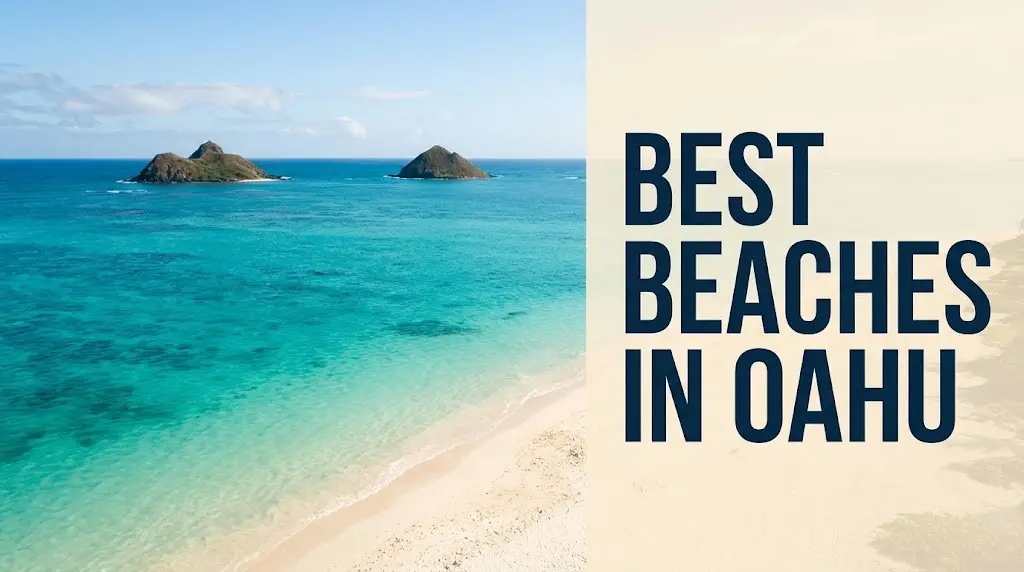
The beaches that consistently deliver the best experiences, Kailua Beach Park, Lanikai Beach, and Bellows Field Beach Park, require a 30 to 45 minute drive from Honolulu. That drive is the most important logistical decision a beach visitor can make on Oahu.
Here is a master comparison table to orient your planning:
| Beach Name | Shore | Best For | Water Conditions | Crowd Level | Parking | Best Profile |
|---|---|---|---|---|---|---|
| Kailua Beach Park | Windward | Swimming, SUP | Calm, clear, turquoise | Moderate | Easy, free | Families, couples |
| Lanikai Beach | Windward | Couples, photography | Very calm, crystal clear | Low to moderate | Street only, difficult | Couples, honeymooners |
| Hanauma Bay | Southeast | Snorkeling | Protected, excellent visibility | High (reserved) | Paid, required | Snorkelers, all profiles |
| Waikiki Beach | South Shore | Accessibility, surf lessons | Mild chop, warm | Very high | Difficult, paid | First-timers, surfers |
| Ala Moana Beach Park | South Shore | Families, lap swimmers | Calm in lagoon area | Moderate | Large free lot | Families, locals |
| Sandy Beach Park | Southeast | Bodyboarding | Heavy shore break, dangerous for swimmers | Moderate | Free | Experts only |
| Sunset Beach | North Shore | Surf watching (winter) | Massive surf Nov-Feb, flat May-Oct | Low off-season | Free roadside | Surfers, photographers |
| Waimea Bay | North Shore | Swimming (summer only) | Calm in summer, life-threatening in winter | Moderate in summer | Free, fills early | Experienced swimmers |
| Bellows Field Beach Park | Windward | Families, camping | Gentle waves, shallow entry | Low | Free (weekend access) | Families, budget travelers |
| Makapu’u Beach Park | Southeast | Bodyboarding, viewing | Strong shore break, dangerous | Low | Free | Experienced swimmers, hikers |
| Ko Olina Lagoons | Leeward | Resort swimming, toddlers | Artificially calm, protected | Resort guests | Paid or resort | Families, luxury seekers |
| Yokohama Bay | Leeward | Seclusion, views | Moderate surf, rocky entry | Very low | Free at road end | Experienced swimmers |
| Pokai Bay Beach Park | Leeward | Calm swimming, locals | Protected by breakwater | Low | Free | Families, locals |
Oahu Beaches Overview: Four Shores, Four Completely Different Experiences
Oahu beaches divide cleanly into four shore categories, each with a completely different character that affects your experience more than any single beach name does.
South Shore (Honolulu and Waikiki area): Protected by offshore reefs, calm in summer, reasonably calm year-round. The most accessible, most crowded, and most commercially developed beaches on the island.
North Shore (Haleiwa to Kahuku): World-famous for winter surf from November through February. Completely different character May through October, when waves flatten and swimming becomes genuinely pleasant.
Windward Coast (Kailua to Kaneohe Bay): The clearest water on the island. Consistent trade winds, aquamarine to turquoise color, and fine-grain pale sand. Harder to reach from Waikiki but worth the drive.
Leeward Coast (Ko Olina to Kaena Point): Drier climate, fewer crowds, protected resort lagoons at Ko Olina, and genuinely remote conditions at Yokohama Bay. Longer drive from Honolulu but delivers the most consistent calm water outside of resort lagoons.
Insider Tip:
- Most Oahu beach guides list beaches without telling you which shore they are on, making logistics planning confusing
- Understanding which shore a beach is on tells you its seasonal wave character before you even look at a map
- Couples planning a romantic windward day trip should note that Lanikai Beach has no public facilities and no shade
Beaches in Honolulu: What You Get Staying Close to the City
The beaches in Honolulu that are genuinely worth your time without a rental car are Waikiki Beach, Ala Moana Beach Park, and Duke Kahanamoku Beach.
Waikiki Beach stretches approximately 1.5 miles along the south shore and is divided into named sections. The sections closest to the Moana Surfrider Westin Waikiki and The Royal Hawaiian Waikiki are the most photographed and the most crowded.
Ala Moana Beach Park sits just west of Waikiki and offers a longer, wider stretch of sand with a protected lagoon area that is genuinely calmer than Waikiki’s open shore. It is a 10-minute drive from central Waikiki or a 25-minute walk.
According to the City and County of Honolulu Department of Parks and Recreation, Ala Moana Beach Park is one of the most heavily used urban beach parks in the state. That usage is heaviest on weekends between 10am and 3pm.
Families with young children genuinely benefit from the Ala Moana lagoon, which creates still, shallow water in a roughly protected area. Couples seeking a romantic Honolulu beach experience will find Ala Moana too municipal and should plan a windward day trip instead.
Insider Tip:
- The far western end of Ala Moana Beach Park, near the Magic Island lagoon area, is consistently less crowded than the main beach section
- Weekday morning visits before 9am offer dramatically lower crowd levels at all Honolulu beaches
- Budget travelers should note that TheBus Route 8 runs from Waikiki to Ala Moana, making it accessible without a rental car
Key Takeaway: The best beaches in Oahu are not in Honolulu. The city’s beaches are convenient, but Kailua and Lanikai on the windward coast deliver genuinely superior water quality and sand.
Waikiki Beaches: What’s Real, What’s Overhyped, and What Most Visitors Miss
Waikiki Beach is the most iconic stretch of sand in the United States and one of the most consistently overestimated beaches for pure beach quality.
The water at Waikiki is warm and swimmable year-round, typically ranging from 75 to 82 degrees Fahrenheit. However, it is not particularly clear by Hawaiian standards, and the sand, while golden, is not as fine or as pale as what you will find at Kailua or Lanikai.
What Waikiki genuinely delivers that no other Oahu beach can match is convenience and activity density. Surf lessons, outrigger canoe rides, catamaran tours, and beachside dining are all accessible within a short walk of the waterline.
Honeymooners booking rooms at properties like Halekulani Hotel or the Moana Surfrider Westin Waikiki get immediate beachfront access at one of the world’s most recognizable hotel settings. The honest limitation: you are sharing that setting with thousands of other people on any given afternoon.
The section of Waikiki in front of Kuhio Beach Park, at the eastern end toward Diamond Head, is typically less packed than the stretch in front of the major hotel row. Locals and repeat visitors consistently choose the Kuhio end for this reason.
Profile notes: First-time visitors to Hawaii will find Waikiki satisfying and convenient. Experienced Hawaii travelers or anyone prioritizing quiet and water clarity should base at Waikiki for convenience but plan beach days elsewhere on the island.
| Waikiki Section | Crowd Level | Best For | Honest Note |
|---|---|---|---|
| Central (Royal Hawaiian area) | Extremely high | Iconic experience | Most photographed, least quiet |
| Kuhio Beach Park end | High | Surf lessons, local feel | Better than center, still busy |
| Duke Kahanamoku Beach (west) | Moderate to high | Resort swimming | Slightly more sheltered |
| Fort DeRussy Beach | Moderate | Military lodging guests, open to public | Less commercial, wider sand strip |
Best Beaches on Oahu for Swimming
The best beach on Oahu for swimming is Kailua Beach Park, which offers warm, clear, calm water accessible to all swimming ability levels year-round.
Kailua Beach Park’s water stays remarkably calm because the offshore reef and the bay’s orientation diffuse incoming wave energy. The water color shifts from pale aquamarine near shore to deep turquoise farther out, with visibility typically exceeding 20 feet on a clear day.
Pokai Bay Beach Park on the leeward coast is the second-best swimming beach for calm water. A breakwater protects the bay, making it genuinely flat even on days when the rest of the leeward coast has surf.
Bellows Field Beach Park on the windward coast is a legitimate top-three swimming beach. It is open to the public only on weekends and federal holidays, which naturally limits crowding and keeps the experience genuinely calm.
For families with young children, Ko Olina Lagoons offer the most reliably still water on the island. The four man-made lagoons at Ko Olina are designed for swimming and are completely protected from open ocean swell.
The honest limitation of Ko Olina: parking access for non-resort guests requires arriving before 9am or after 4pm. The Four Seasons Resort Oahu at Ko Olina and Aulani Disney Resort and Spa guests have the most convenient access.
Profile notes: Budget travelers should prioritize Kailua Beach Park, which is completely free with easy parking. Families with toddlers who need guaranteed calm water should budget for a Ko Olina resort or plan an early morning Ko Olina parking arrival.
Best Beaches in Oahu for Snorkeling
The best beach in Oahu for snorkeling is Hanauma Bay Nature Preserve, a protected marine life conservation area with visibility that typically ranges from 30 to 60 feet on calm days.
Hanauma Bay sits inside a volcanic crater, which creates a sheltered bay with limited wave action. The reef supports an exceptional concentration of reef fish including parrotfish, surgeonfish, and Humuhumunukunukuapua’a (Hawaii’s state fish). Green sea turtles are regularly spotted near the inner reef.
According to the Hawaii Division of Aquatic Resources, Hanauma Bay’s fish populations and reef health have improved significantly since the introduction of daily visitor caps and mandatory conservation education before entry.
The mandatory education video and daily visitor reservation limit mean Hanauma Bay is no longer the overcrowded, reef-damaged site it was in the 1990s. The current version is genuinely one of the most managed and ecologically healthy snorkeling sites in the United States.
Hanauma Bay is closed on Tuesdays. Entry requires an advance online timed reservation. Fees apply (verify the current rate before visiting as pricing has changed multiple times). The facility is located on Kalanianaole Highway, approximately 10 miles east of Waikiki.
Second-tier snorkeling that does not require reservations: the Shark’s Cove area on the North Shore near Pupukea Beach Park is excellent from May through September when north swell is minimal. Electric Beach (Kahe Point Beach Park) on the leeward coast offers unique warm-water discharge snorkeling that attracts sea turtles year-round.
Profile notes: Snorkeling skill matters at Shark’s Cove, which has rocky entry and surge in any swell. Hanauma Bay’s inner reef is appropriate for all ability levels. Honeymooners should note that Hanauma Bay is not a private or romantic setting, it is an educational nature preserve with hundreds of daily visitors.
Key Takeaway: Hanauma Bay is the right snorkeling choice for first-timers. Experienced snorkelers who want fewer people and more marine variety should also plan a Shark’s Cove morning visit during summer months.
North Shore Oahu Beaches: When to Go and When to Stay Out of the Water
The North Shore beaches of Oahu are among the most famous surf destinations in the world, and they are actively dangerous for swimmers from November through February.
Sunset Beach, Ehukai Beach Park (home of the Banzai Pipeline surf break), and Waimea Bay Beach Park are the three marquee North Shore destinations. Each has a completely different character in summer versus winter, and treating them as year-round swimming options is the most common mistake visitors make.
In winter, wave faces at Pipeline regularly reach 15 to 25 feet. Waimea Bay hosts the Eddie Aikau Big Wave Invitational when wave faces exceed 40 feet. Swimming at any of these beaches in winter conditions is life-threatening.
From May through late September, the North Shore transforms. Waves flatten, water clarity improves dramatically, and Waimea Bay becomes one of the best cliff-jumping and open-water swimming destinations on the island.
The drive from Waikiki to Sunset Beach takes approximately 45 to 55 minutes via the H-2 freeway and Kamehameha Highway, depending on traffic. The North Shore Shuttle offers seasonal service from Haleiwa town to beach parks.
Insider Tip:
- Winter surf season generates enormous crowds at Sunset Beach and Pipeline, often from 8am onward on forecast big-swell days
- Summer North Shore visits are dramatically less crowded, especially on weekday mornings
- Budget travelers will find all North Shore beach parks completely free with adequate roadside or lot parking
Profile notes: Families with children should visit the North Shore only in summer. Couples and solo luxury seekers staying at Turtle Bay Resort get the most consistent North Shore access regardless of season, since the resort sits on a sheltered bay that remains swimmable in moderate winter conditions.
Windward Oahu Beaches: The Island’s Best-Kept Open Secret
The windward coast of Oahu, running from Makapu’u Point north through Waimanalo, Kailua, and Kaneohe Bay, has the clearest, most turquoise water on the island.
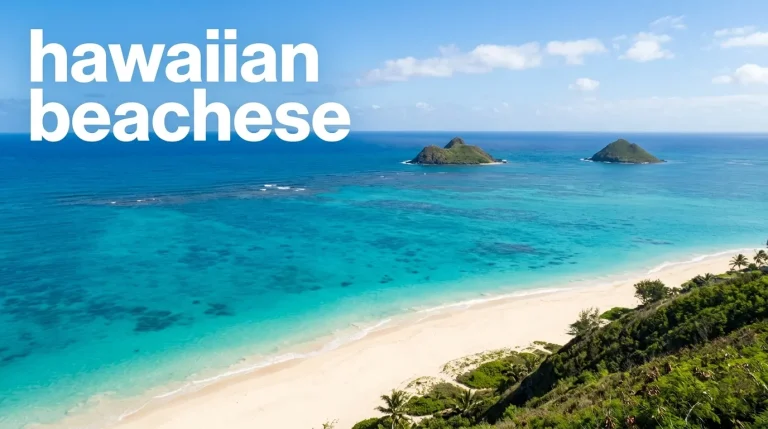
Kailua Beach Park is the windward coast’s anchor. The two-mile stretch of pale, fine sand faces Mokulua Islands offshore, creating a visually striking backdrop. Water color ranges from pale aquamarine at the shallows to deep teal further out, with consistent calm conditions driven by the natural bay formation.
Waimanalo Beach Park sits south of Kailua along the same windward corridor. It stretches for roughly 3.5 miles and is consistently ranked among the longest sandy beaches in Hawaii. The sand here is fine and white-gold, and the wave action is gentle enough for confident beginner swimmers.
Kahana Bay Beach Park further north offers a quiet, wooded beachfront setting with calm water inside a natural bay. It is far less visited than Kailua or Waimanalo and provides a genuine local-feel experience without requiring any special access.
According to the Hawaii Tourism Authority, the windward coast receives substantially fewer international tourists than Waikiki, making beaches like Waimanalo significantly less crowded on a daily basis despite being state beach parks.
The drive from Waikiki to Kailua takes approximately 30 to 40 minutes via the Pali Highway or Likelike Highway, both of which cross the Ko’olau Mountain Range through dramatic tunnels and offer views of the windward coast as you descend.
Profile notes: Honeymooners and couples should prioritize a windward coast day. The visual quality of the water and the relative privacy compared to Waikiki is substantially higher. Budget travelers can access all windward beach parks for free with easy parking.
Prettiest Beaches in Oahu: Where the Water Actually Earns the Description
The prettiest beach in Oahu by a clear margin is Lanikai Beach, a short, narrow strip of white sand facing two uninhabited offshore islands with water color ranging from pale jade to deep cobalt.
Lanikai is a neighborhood beach, not a state park. That means no public facilities, no lifeguard, limited parking on residential streets, and no concession stands. The trade-off is a visual quality that genuinely rivals the most photographed beaches in the Pacific.
The water at Lanikai is exceptionally clear on calm days, with visibility often reaching 25 to 30 feet in the shallower sections. The sand is fine, almost powder-like, and stays bright white even in afternoon light. The Mokulua Islands offshore create a frame that photographers specifically travel to Oahu to capture.
Waimanalo Beach earns a strong second place for visual beauty. The panorama from Waimanalo Beach facing the Koolau Mountains creates a green-cliffs-meeting-white-sand-meeting-turquoise-water composition that is dramatically different from any south shore view.
Lanikai is best visited between 6am and 9am. After 10am, street parking fills completely and the beach becomes noticeably more crowded. Arriving early also means catching the morning light hitting the Mokulua Islands from the best angle.
Profile notes: Couples and honeymooners will find Lanikai genuinely earns its reputation for beauty. However, the lack of facilities means no food, no beach chairs, no umbrellas for rent. Bring everything you need. Families with young children should note the absence of lifeguards and the rocky entry at some Lanikai access points.
Key Takeaway: Lanikai Beach is the most visually striking beach on Oahu, but its lack of facilities means it rewards prepared visitors who arrive early and stay less than two to three hours.
Best Oahu Beaches for Families
The best Oahu beaches for families with young children are Kailua Beach Park, Ala Moana Beach Park’s lagoon area, and the Ko Olina Lagoons.
Each of these provides calm water entry, consistent wave protection, and facilities appropriate for a day with children. The choice between them depends on your accommodation location and budget.
Kailua Beach Park offers the best combination of calm water, wide sand, good parking, restrooms, and lifeguard coverage. The beach is long enough that families can spread out comfortably even on busy weekend days.
Ko Olina Lagoons are the most controlled option for families with toddlers or non-swimmers. The four lagoons are man-made, enclosed on three sides, and generate no surf whatsoever. Aulani Disney Resort and Spa sits directly on two of these lagoons and offers water slides, a lazy river, and structured kids programming for resort guests.
The honest limitation of Ko Olina for non-resort guests: arrive before 9am or parking fills. Public access to all four lagoons is legally required, but the experience of navigating a crowded resort parking lot with children in tow can be frustrating.
Bellows Field Beach Park on the windward coast is the best family beach most guides overlook. It is open only on weekends and federal holidays, which keeps it manageable. The gentle wave action, free parking, and shaded ironwood tree canopy make it genuinely suitable for an all-day family visit.
Profile notes: Families staying in Waikiki hotels with young children should budget for a taxi or rideshare to Ala Moana Beach Park rather than swimming the Waikiki shore, where the surf and volume of beach activities create a busier, less controlled environment for small children.
Best Beaches in Oahu for Couples
The best Oahu beaches for couples are Lanikai Beach in the morning, Waimanalo Beach Park for a longer private stretch, and Sunset Beach in summer evenings for dramatic views without winter crowd chaos.
Lanikai’s combination of visual beauty, relative quiet, and the unique Mokulua Islands backdrop creates the most genuinely romantic beach setting on the island. The key for couples is the timing: arrive before 9am and you will often have long sections of the beach nearly to yourselves.
Waimanalo Beach Park’s length (roughly 3.5 miles) means that even on moderately busy days, walking 15 minutes along the shoreline puts you in a section that feels genuinely private. The mountain backdrop behind Waimanalo is unlike anything available on the south shore.
For couples staying at a higher-end Waikiki property, the beach at Fort DeRussy Beach Park (the stretch in front of the Hale Koa Hotel) is consistently less crowded than the central Waikiki sections and offers a wider, quieter strip of sand.
Sunset Beach on the North Shore in summer, specifically in the late afternoon from 4pm to 6pm, delivers long golden light and almost no crowds compared to winter. The beach is wide and flat in summer, perfect for a slow walk with the Koolau Range and North Shore cliffs as the backdrop.
Profile notes: Couples at Waikiki-area hotels who want a romantic beach without a long drive should go to the Fort DeRussy end of Waikiki Beach before 8am or after 4pm. Crowds thin noticeably outside peak hours even in high season.
Secluded Beaches in Oahu: Where to Find Actual Quiet
The most secluded beach experiences on Oahu are at Yokohama Bay (Keawaula Beach), Kaaawa Beach Park, and the north sections of Waimanalo Beach.
Yokohama Bay sits at the western end of the Farrington Highway on the leeward coast, approximately 40 miles from Waikiki. The road ends at the beach. There are no resort hotels, no commercial operations, and no lifeguards. The reward is a raw, wide, brown-gold sand beach facing open ocean with views toward Kaena Point.
The water at Yokohama Bay is not ideal for casual swimming, as currents and surge can be unpredictable. The beach is primarily visited by local surfers and fishermen. The drive through Waianae and Makaha on the leeward coast is itself a genuinely local Oahu experience that most visitors never see.
Kaaawa Beach Park on the windward coast north of Kaneohe sits in a narrow coastal strip between the highway and the ocean. It is small, used primarily by locals, and offers a quiet shaded setting with relatively calm water inside a partial reef.
According to the Department of Land and Natural Resources Hawaii, Kaena Point Natural Area Reserve at the island’s western tip is a protected coastal ecosystem with no vehicle access. The 2.5-mile trail on either the leeward or windward side to reach the point passes a genuinely remote section of rocky coastline rarely visited by tourists.
Profile notes: Solo travelers and experienced couples seeking genuine seclusion should plan a Yokohama Bay trip. It is not appropriate for young children due to the absence of lifeguards and the open ocean currents. Budget travelers will appreciate that Yokohama Bay and all mentioned secluded options are completely free.
Key Takeaway: Oahu’s most secluded beaches require a rental car and at least 45 to 60 minutes of driving from Waikiki. The payoff in quiet and visual quality is significant, but these beaches are not appropriate for inexperienced swimmers.
Best Beaches in Oahu for Honeymooners
The best beaches in Oahu for honeymooners combine visual beauty with accessible romantic accommodations, and the strongest combination is Lanikai Beach paired with a stay at a Ko Olina resort or a high-end Waikiki property.
Lanikai itself has no hotel. The nearest upscale accommodation options are in Kailua town or in Waikiki. Honeymooners who want both the visual experience of Lanikai and genuine resort luxury will need to plan a day trip to Lanikai from their resort base rather than walking to it.
For resort-based honeymooning, Ko Olina is the strongest choice on the island. The Four Seasons Resort Oahu at Ko Olina offers overwater cabana experiences, a luxury spa, multiple dining options, and private beach access on a genuinely calm lagoon. Rates vary significantly by season and room category. Confirm current pricing and honeymoon package inclusions directly with the property before booking.
The Halekulani Hotel in Waikiki is the other serious contender for honeymooners who want to be based at Waikiki. Its beach frontage on the quieter western end of Waikiki is more private than the central hotel row, and its pool and spa facilities are among the best on the south shore.
What honeymooners specifically should ask for: a high-floor ocean-view or ocean-front room, any complimentary honeymoon amenities (champagne, couples spa package, flower arrangements), and early check-in or late check-out, which most properties will accommodate with advance notice and at no charge during off-peak periods.
Profile notes: Honeymooners with a luxury budget should seriously compare Ko Olina resort packages against Waikiki properties. Ko Olina delivers more seclusion and resort polish. Waikiki delivers more dining and activity options within walking distance. The right choice depends on whether the couple wants a resort-contained experience or a more active exploration-based honeymoon.
Oahu Beach Access and Parking Guide
Beach access in Oahu is technically free at all state beach parks, but practical access for visitors without local knowledge requires understanding the parking realities at each location.
Hanauma Bay: Requires advance online timed-entry reservation and parking fee. The lot fills quickly. Arrive at least 30 minutes before your reserved entry time. The reservation system is managed online through the City and County of Honolulu (confirm the current booking URL and fee structure before visiting, as these have changed previously).
Kailua Beach Park: Large free public parking lot at the end of Kawailoa Road. Fills on weekend mornings by 9am. Weekday visits offer much easier parking.
Lanikai Beach: No public lot. Street parking only on residential streets. Severely limited. The best approach is to park at Kailua Beach Park and paddle or kayak to Lanikai, which many visitors do.
Ala Moana Beach Park: Large free public lot, usually manageable. Fills on weekend afternoons.
Ko Olina Lagoons (non-resort guests): Paid parking inside the resort complex. Access is legally public but parking is limited. Arriving before 9am on weekdays is strongly recommended.
Sunset Beach and North Shore parks: Free roadside parking or small unpaved lots. These fill quickly on forecast big-swell days in winter. Arrive by 7am if visiting during a named swell event.
Waimea Bay Beach Park: Free parking lot. Fills by 9am on summer weekends. Arrive early or use the TheBus North Shore route.
Profile notes: Budget travelers and families relying on TheBus should know that direct service reaches Kailua, Ala Moana, Waikiki, and some North Shore stops. Windward and leeward remote beaches essentially require a rental car.
- Book your Hanauma Bay reservation at least 2 to 3 weeks in advance for high season visits (December through March and June through August).
- Plan windward beach visits on weekdays for significantly easier parking and lower crowd density.
- Arrive at any popular beach park before 9am on weekends to secure parking.
- For Ko Olina, consider booking a resort day pass at Aulani or Four Seasons for guaranteed parking and facility access.
- Download the Hawaii state beach park map before departing your hotel to navigate access roads confidently.
Best Time to Visit Oahu Beaches
The best time to visit Oahu beaches for swimming, snorkeling, and calm water conditions is May through September, when the north swell is minimal and the south swell creates manageable conditions across most shores.
June through August represents the peak of Hawaiian summer. Water temperatures typically reach their warmest, ranging from 78 to 82 degrees Fahrenheit. Trade winds moderate temperatures and keep afternoons comfortable. This is also peak tourism season, meaning crowds at Waikiki, Hanauma Bay, and Kailua Beach Park are at their highest.
For travelers who want good beach conditions with lower crowds, April and early May and late September through October are the strongest shoulder season windows. Water temperatures remain warm, summer crowds have thinned, and most beach facilities operate normally.
November through February brings winter surf season to the North Shore. This period is genuinely exciting for surf watching at Sunset Beach and Waimea Bay but makes those beaches off-limits for swimming. South shore beaches remain swimmable in winter.
| Month | Water Temp | North Shore | South Shore | Crowds | Verdict |
|---|---|---|---|---|---|
| Jan-Feb | 75-77°F | Huge surf, no swimming | Good for swimming | Lower | North Shore surf watching only |
| Mar-Apr | 76-78°F | Decreasing swell | Excellent | Moderate | Strong shoulder season |
| May-Jun | 78-80°F | Calming down | Excellent | Building | Best balance overall |
| Jul-Aug | 80-82°F | Flat, excellent swimming | Excellent | Peak | Best conditions, most crowded |
| Sep-Oct | 79-81°F | Still calm | Excellent | Decreasing | Best shoulder season |
| Nov-Dec | 76-78°F | Surf building fast | Good | Low to moderate | North Shore for watching, not swimming |
Profile notes: Honeymooners wanting the most romantic conditions with manageable crowds should target late April through May or October. Families with school-age children are typically limited to June through August, which aligns with peak conditions but peak crowds.
Safety and Seasonal Warnings for Oahu Beaches
Sandy Beach Park and Makapu’u Beach Park on the southeast shore are among the most dangerous beaches for inexperienced swimmers in the United States, due to an exceptionally powerful shore break that breaks directly onto hard sand.
Key safety and seasonal facts every Oahu beach visitor should know:
- Never swim at Sandy Beach Park or Makapu’u Beach Park if you are not an experienced bodyboarder or swimmer. The shore break regularly sends swimmers headfirst into the sand. Spinal injuries occur at these beaches every year.
- North Shore beaches from November through February are closed to swimming when surf warnings are issued. Heed all lifeguard closures. Ocean Safety officers enforce these closures for documented life-safety reasons.
- Box jellyfish advisories typically occur 8 to 10 days after each full moon at south shore beaches including Waikiki and Ala Moana. Check the Hawaii Ocean Safety website (verify current URL before visiting) for the advisory calendar.
- Portuguese man-of-war wash ashore particularly on windward beaches during trades wind shifts. They are not true jellyfish but their sting is severe. Do not touch any blue bubble-like organism on the beach or in shallow water.
- Rip currents occur at all Oahu beach parks at varying intensities. The National Weather Service Honolulu issues rip current advisories that are posted at beach parks. If caught in a rip current, swim parallel to shore, not toward it.
- Apply reef-safe sunscreen only. Hawaii law prohibits sunscreens containing oxybenzone and octinoxate at all beach parks. Non-compliant sunscreen can be confiscated.
- Check wave forecasts before visiting the North Shore or southeast shore. Surfline and the National Weather Service Honolulu both provide reliable Oahu surf forecasts.
The primary emergency resource for ocean incidents on Oahu beaches is the Hawaii Ocean Safety and Lifeguard Services division of the City and County of Honolulu, which operates lifeguard towers at major beach parks. Tower hours vary by beach; confirm hours for your specific destination.
Key Takeaway: Sandy Beach and Makapu’u Beach are not appropriate for general swimming regardless of how calm they appear from the parking lot. The shore break there is dangerous in virtually all conditions.
Frequently Asked Questions About the Best Beaches in Oahu
What is the best beach in Oahu for swimming?
Kailua Beach Park is the best beach in Oahu for swimming, offering calm, clear, warm water accessible to all ability levels year-round.
The bay’s natural formation and offshore reef diffuse wave energy, keeping conditions gentle even on trade-wind days.
Pokai Bay Beach Park on the leeward coast is the second-strongest option for calm, protected swimming year-round.
Is Hanauma Bay worth it in 2026?
Hanauma Bay is genuinely worth visiting in 2026, particularly if snorkeling with reef fish and sea turtles in a protected, well-managed marine environment is a priority.
The advance reservation requirement means the site is no longer overcrowded, and reef health has improved measurably since visitor limits were introduced.
Book your timed entry reservation at least two to three weeks ahead for visits during peak season.
What beach in Oahu has the clearest water?
Lanikai Beach consistently has the clearest water on Oahu’s accessible shoreline, with visibility often reaching 25 to 30 feet on calm days.
Hanauma Bay matches or exceeds Lanikai for snorkeling visibility in its protected reef sections, often reaching 30 to 60 feet on calm days.
The windward coast overall delivers consistently better water clarity than Waikiki or the leeward coast.
Are the North Shore beaches safe to swim at?
North Shore beaches are safe for swimming from approximately May through late September, when the north swell is minimal and conditions are genuinely calm.
From November through February, wave faces at Sunset Beach, Pipeline, and Waimea Bay regularly reach 15 to 40 feet, making swimming life-threatening for anyone except elite big-wave surfers.
Never enter the water at North Shore beach parks when lifeguards or ocean safety officers have issued or posted a closure.
What is the best beach in Oahu for families with young children?
Kailua Beach Park is the best all-around family beach on Oahu, with calm water, wide sand, free parking, restrooms, and lifeguard coverage.
Ko Olina Lagoons are the best option for families with toddlers or non-swimmers who need completely flat, protected water with zero wave action.
Bellows Field Beach Park on the windward coast is the best free, lower-crowd family beach option, though it is only open on weekends and federal holidays.
How far are the best beaches from Waikiki?
Kailua Beach Park is approximately 30 to 35 miles from central Waikiki, a 35 to 45 minute drive via Pali Highway.
Hanauma Bay is approximately 10 miles east of Waikiki, typically a 20 to 30 minute drive without traffic.
North Shore beaches at Sunset Beach and Waimea Bay are approximately 35 to 40 miles from Waikiki, a 45 to 60 minute drive via H-2 freeway and Kamehameha Highway.
Plan Your Oahu Beach Days Specifically
Oahu’s best beach experiences reward specific planning. The most practical first decision is renting a car for at least two of your beach days to reach the windward coast and North Shore.
Start with Hanauma Bay (reserve in advance), plan a full windward day at Kailua and Lanikai, and use Waikiki for sunset evenings and first-day convenience. That framework covers more genuine beach variety than most visitors manage in a full week.
Resort pricing, Hanauma Bay entry fees, and Ko Olina parking logistics change regularly. Confirm all specific costs, reservation requirements, and access details directly with each venue before your departure date.