Corsica Beaches: An Honest 2026 Guide to Access and Crowds
Corsica’s beaches are the Mediterranean’s best-kept secret now fully out of the bag. They are cinematic, expensive, and often shockingly hard to reach.
The water color at the southern coves is an unnatural-looking shade of sapphire that rivals the Maldives. The sand is white, but the drive to reach it is a white-knuckle mountain road.
This guide names the specific beaches worth your rental car’s suspension in 2026. You will learn which cove to pick, when to arrive, and how much a sunbed will set you back.
corsica beachese
The beaches of Corsica are not a uniform collection of sand strips. They are a geographic split between the white-sand, turquoise lagoons of the south and the wild, wind-sculpted bays of the north.
The Sud Corse from Porto Vecchio to Bonifacio holds the iconic, postcard-ready beaches. This is where you find Palombaggia, Santa Giulia, and Rondinara.
The Agriates Desert between Saint-Florent and L’Ile-Rousse holds the remote paradises of Saleccia and Lotu. These are a 4×4 adventure, not a casual day trip.
According to the Agence du Tourisme de la Corse, the island’s coastline is one of the most well-preserved in the Mediterranean. That preservation comes at the cost of easy access.
best beaches in corsica
The best beach in Corsica is Palombaggia for sheer iconic beauty, but Rondinara wins for swimming. Saleccia is best for an adventure-seeker’s paradise.
The title of “best” is a trap here without matching it to your vehicle and your tolerance for crowds. This table breaks down the top coves for a smart match.
| Beach Name | Best For | Sand/Water | Access Difficulty |
|---|---|---|---|
| Palombaggia | Iconic Beauty, People-Watching | Fine white, shallow turquoise | Easy road, paid parking, gets packed |
| Santa Giulia | Watersports, Families | Fine white, lagoon-like | Easy, large paid lots, very busy |
| Rondinara | Swimming, Shelling | Powder white, deep sapphire | Tight winding road, small paid lot |
| Saleccia | Adventure, Seclusion | Coarse white, clear azure | Hard (4×4 required or boat taxi) |
| Lotu | Wild Beauty, Snorkeling | White sand, rocky patches | Hard (long unpaved road or boat) |
| Plage de Calvi | Town Convenience, Sunsets | Coarse white, clear blue | Very Easy, walk from town |
palombaggia beach
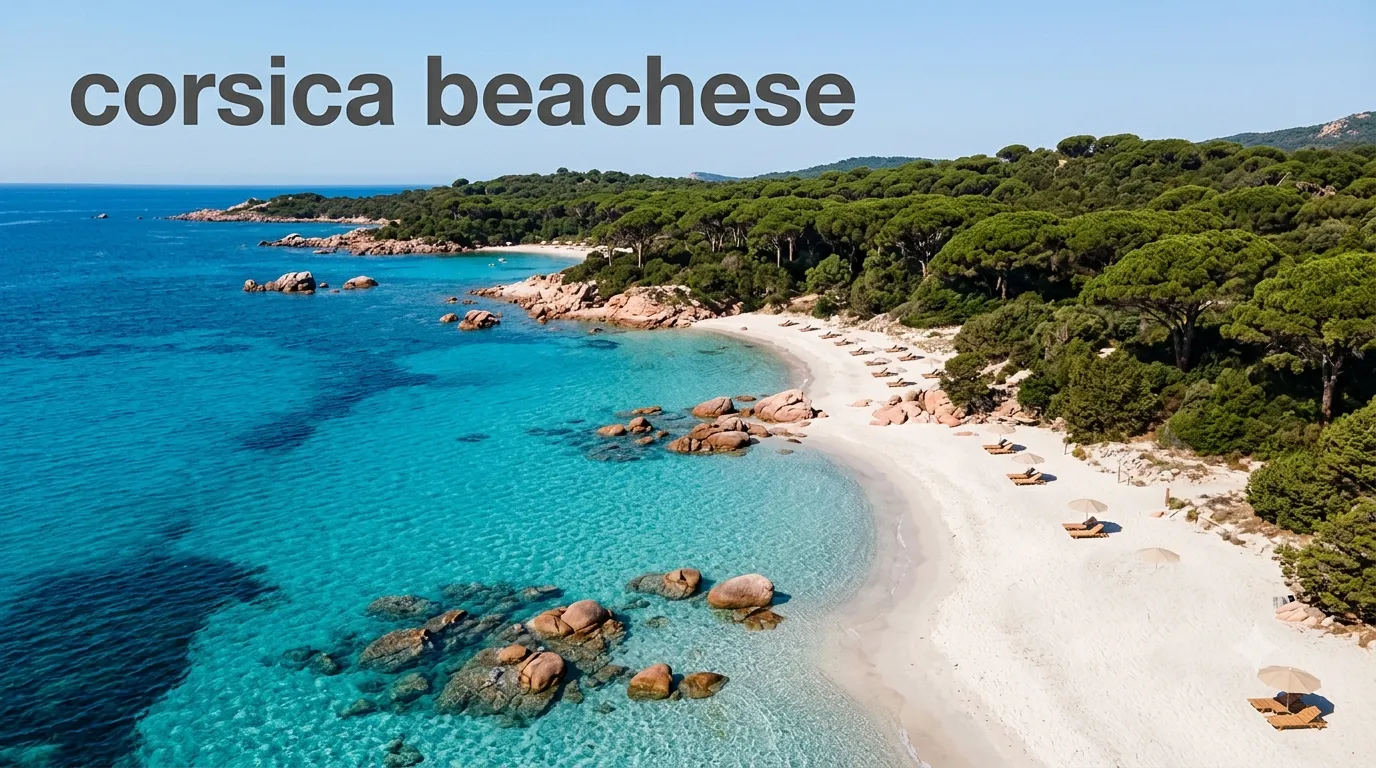
Palombaggia Beach is the screen-saver image of Corsica. A long arc of powder-white sand is backed by a forest of red granite boulders and umbrella pines.
The water is a shade of turquoise so bright it looks digitally enhanced. It is shallow for a good distance, making it a perfect wading beach.
This beach is not a secret. In July and August, the main section becomes a dense grid of sunbeds, and the parking lot fills by 9:00 AM.
Couples and honeymooners should walk to the far southern end of the beach, beyond the large rock formations. The crowd thins out, and the setting feels more intimate and private.
santa giulia beach
Santa Giulia Beach is a massive, sheltered lagoon of a beach that looks more like a Tahitian bay than a French island. The water is shallow, calm, and unbelievably clear.
This is the premier family beach in southern Corsica. The water deepens so gradually that children can wade out 50 meters and still touch the bottom.
The trade-off is a commercial atmosphere. The beach is lined with watersports rental huts, and the parking lots are large, paid, and packed with minivans.
Budget travelers should pack a full cooler and find a spot on the free public sand. The paillotes here charge premium prices for a simple lunch of grilled fish and a glass of rosé.
Key Takeaway: Santa Giulia is a safe, stunning family lagoon, but you pay for the privilege.
rondinara beach
Rondinara Beach is the connoisseur’s pick in southern Corsica. It is an almost perfectly circular, sheltered shell-shaped bay with water that shifts from sapphire to turquoise.
The access road is a steep, winding descent to a small, paid parking lot. This natural bottleneck limits the number of people who can fit on the sand.
The fine white sand and calm, deep-blue water make it the best swimming beach near Porto Vecchio. The center of the bay is pure, soft sand, ideal for a long float.
Arrive before 8:30 AM in peak season. The parking lot is small, and once it is full, you are turned away for the day with no alternative nearby.
saleccia beach
Saleccia Beach is a kilometer-long stretch of coarse white sand in the heart of the arid, protected Agriates Desert. Getting here is a genuine Corsican safari.
You have two options: a 45-minute 4×4 ride on a teeth-rattling unpaved track, or a boat shuttle from Saint-Florent. The boat is the smoother, more popular choice.
The reward for the effort is a wild, undeveloped beach with no buildings in sight. The water is a deep, clear azure, and the sand stays cool under the intense summer sun.
This is the best beach in Corsica for adventurers, solo travelers, and anyone who wants to earn their paradise. Families with very young children should choose the boat, as the 4×4 track is brutal.
lotu beach
Lotu Beach is Saleccia’s quiet, lesser-known sister beach just to the east in the Agriates Desert. It is slightly smaller, slightly more rugged, and slightly less visited.
The access is similar: a 4×4 track that requires high clearance and nerves, or a seasonal boat shuttle. The boat from Saint-Florent takes about the same time as the Saleccia route.
The water is exceptionally clear, and the rocky patches on the edges provide the best snorkeling in the desert region. The sand is white and soft but not as flour-like as Palombaggia.
Solo travelers seeking solitude should target Lotu over Saleccia. The extra logistical friction filters out the crowds, leaving a quieter, more contemplative beach day.
Key Takeaway: Lotu is the quiet, rough-edged sibling to Saleccia, and it rewards the effort with solitude.
beaches near porto vecchio
The Porto Vecchio area is the epicenter of the Corsican beach myth. The stretch of coast from the town south to Bonifacio is an embarrassment of sandy riches.
Beyond the big three, Tamaricciu and Cala Rossa are smaller coves that offer a slightly more intimate alternative to the main event. They sit tucked between Palombaggia and Santa Giulia.
The practical reality of a Porto Vecchio beach day in 2026 is a game of musical chairs with your car. You must be parked by 9:00 AM, or you risk the crushing disappointment of a “complet” sign.
Insider Tip:
- The beach shuttles from Porto Vecchio town are a stress-free alternative to the parking wars.
- They drop you directly on the sand and save you the €20+ parking fees.
- The shuttle schedule is subject to change for 2026, so verify the timetable with the Porto Vecchio tourist office.
beaches near bonifacio
The beaches near Bonifacio are a dramatic shift from the sandy lagoons of Porto Vecchio. This is a coastline of limestone cliffs, deep water, and hidden inlets.
Plage de la Tonnara is the main sandy beach, a small strip with a fantastic view of the Citadel. Plage du Petit Sperone is a tiny, remote paradise reachable only by foot.
The real draw is the Lavezzi Islands, a protected marine reserve a short boat ride from the port. Giant, smooth granite boulders plunge into water so clear it defies logic.
Honeymooners should book the first boat of the day to the Lavezzi Islands. You will have an hour of near-solitude on the main beach before the tour boats arrive and the spell is broken.
calvi beach
Calvi Beach is the civic beach of the Balagne region, a massive, sweeping crescent of coarse white sand. It sits directly below the imposing, fortress-topped citadel.
This is not a secluded cove. It is a social, active beach, with a long promenade of restaurants, watersports, and the sound of the Corsican train rattling along the shore.
The sunsets here are a nightly performance. The sun drops directly into the sea behind the citadel, turning the sky a palette of pink and orange.
Luxury seekers should book a daybed at one of the private beach clubs like Chez Tao. It is a premium experience, but the view and the service justify the cost for a single, memorable splurge.
family beaches corsica
Santa Giulia Beach is the single best family beach in Corsica for the safety of its shallow, lagoon-like entry. The water is a natural, calm wading pool for toddlers.
Palombaggia comes in second, with shallow water and a gorgeous, wide beach, but the parking and crowd stress in August is a major negative for parents.
Plage de Calvi is the best option in the north for families staying in the Balagne. The beach is wide, the town is walkable, and the train provides a fun, car-free way to explore.
For a quieter family day, the northern end of Lotu Beach has a river mouth that creates a shallow, warm-water “baby pool.” This is a local secret, but it requires the 4×4 or boat to reach.
Key Takeaway: Santa Giulia for lagoon safety, Calvi for convenience, Lotu for a wild adventure with a baby pool.
corsica beaches snorkeling
The best snorkeling in Corsica is not found on the main sandy beaches. It is found in the rocky, protected marine reserves, primarily the Lavezzi Islands and the Scandola Nature Reserve.
The Lavezzi Islands offer a dreamlike snorkel over smooth granite boulders and seagrass meadows. The water is unbelievably clear, and you will see schools of bream and the occasional grouper.
Rondinara Beach has decent snorkeling on its rocky edges, but it is not the main event. The best experience is a boat trip from Bonifacio that combines a swim stop with a beach visit.
Always wear water shoes when snorkeling in Corsica. The sea urchins on the rocks are a painful hazard, and the granite can be jagged.
wild and secret beaches corsica
The wild and secret beaches of Corsica are not secret in name, but in access. Punta di Spanu, near L’Ile-Rousse, is a free-form, rocky playground with no sand and no facilities.
Plage de Ghignu, a remote cove on the west coast, is a 3-hour hike down a cliffside trail. The reward is a massive, empty beach that you will likely share with only a handful of wild cows.
Cala di Conca is a tiny, pebbly cove carved into the cliffs south of Propriano. It requires a steep descent and delivers a single, perfect, crystal-clear swimming pool in the rock.
Solo travelers and luxury seekers looking for a genuine escape should hire a local boat captain. For a few hundred euros, you can access coves on the southwest coast that have no land access at all.
beach clubs corsica
Corsica’s beach club scene is an upscale, chilled affair, not a loud party. The clubs are chic paillotes with designer sunbeds, ambient music, and menus of grilled langouste.
Plage de Palombaggia is home to the most famous, Tamaricciu Beach. A front-row sunbed here on a summer Saturday is one of the most coveted commodities on the island.
La Plage Casadelmar, on the calmer water of the Bay of Porto Vecchio, offers a more sophisticated, design-forward take on the beach club. It is the pick for a honeymooner’s splurge day.
A daybed for two with a bottle of local rosé will typically run from 70 to 150 EUR. The premium is justified by the service, the view, and the absence of a sandy towel.
corsica beaches access guide
Access is the single greatest variable of a Corsican beach day. The best beaches are guarded by steep, winding roads, tiny parking lots, and unpaved tracks.
For Saleccia and Lotu, you must book a 4×4 shuttle or a boat. Do not attempt the Agriates tracks in a standard rental car, as your insurance will be voided.
At Palombaggia and Santa Giulia, the parking strategy is simple: arrive by 8:30 AM or after 4:00 PM. Between those hours, you are likely to be turned away in peak season.
The Lavezzi Islands and Scandola Reserve require a pre-booked boat excursion. Book these online at least a week in advance for July and August, as the morning departures sell out fast.
best time to visit corsica beaches
The best time to visit Corsica’s beaches is the second half of June and the month of September. The weather is hot, the water is warm, and the August crowds are gone.
The worst time for a beach day is the second half of May and early June. This is when sargassum seaweed and a seasonal jellyfish bloom can make some coves unpleasant.
July and August are the peak, and the experience is a high-stress, high-cost affair. The sun is scorching, the roads are clogged, and the beach feels twice as small.
September is the local’s secret. The sea is at its warmest after a summer of heating, the sunbeds are half the price, and you can park at Palombaggia at 10:00 AM.
Safety and Seasonal Warnings for Corsica Beaches
The primary seasonal risk on Corsican beaches is the intense Mediterranean sun and the often underestimated sea conditions. The wind can shift from calm to a dangerous Mistral within an hour.
Key safety and seasonal facts every visitor should know:
- Pay attention to the red and yellow bathing flags. Red means no swimming. The water may look calm, but an undertow or a sudden swell can be deadly.
- Sargassum seaweed and jellyfish are common in late May and early June. A jellyfish sting is usually not serious, but it is painful. Carry a sting relief spray and do not touch the seaweed if it is extensive.
- Never hike the coastal trails in flip-flops. The maquis and rock paths are rugged, and a twisted ankle on a remote cliffside is a serious medical emergency.
- Wildfire risk is extreme in July and August. Never light a fire or a barbecue outside of a designated area, and do not discard cigarette butts.
In any coastal emergency, dial 196, the dedicated number for maritime rescue in France.
Frequently Asked Questions About Corsica Beaches
What is the most beautiful beach in Corsica?
Palombaggia Beach is widely considered the most beautiful beach in Corsica for its iconic red granite boulders, white sand, and turquoise water.
Rondinara Beach offers a more intimate, shell-shaped bay that many travelers find even more stunning.
Do you need a 4×4 to reach the best Corsica beaches?
You do not need a 4×4 for the iconic southern beaches like Palombaggia, but you do need one for the northern wild beaches like Saleccia.
For the Agriates Desert beaches, a boat shuttle from Saint-Florent is a popular alternative to driving.
Are Corsica beaches sandy?
Yes, the most famous beaches in southern Corsica are famous for their fine, white sand.
Many northern and west coast beaches are a mix of coarse sand, pebbles, and smooth granite rock formations.
Is the water warm in Corsica?
The Mediterranean Sea in Corsica peaks at a comfortable 24-25°C (75-77°F) in August.
It is at its warmest for swimming from late June through the end of September.
Are there any free beaches in Corsica?
Yes, all Corsican beaches are free to access by foot as they are public under French law.
You pay for parking and sunbed rentals, not for the right to sit on the sand.
What is the best beach in Corsica for families?
Santa Giulia Beach is the best family beach for its exceptionally shallow, calm, lagoon-like water.
The gentle, extended slope allows young children to wade and play very safely.
Your Corsica Beach Plan, Set
You now know that a perfect Corsican beach day is a logistical puzzle solved by a 7:30 AM departure. The right cove, chosen for the right season, delivers a slice of Mediterranean heaven.
Your first booking should be a 4×4 rental or a seat on a morning boat shuttle to a wild beach. Then, check the 2026 calendar for a week in late June or September to escape the worst of the crowds.
Parking rates, paillote menus, and boat shuttle schedules are subject to change each season. Verify the latest 2026 details with the Porto Vecchio or Bonifacio tourist offices before you start the engine.
The granite boulders, the white sand, and the impossible blue of the water are waiting for you. One float in the lagoon at Rondinara, and every tight mountain turn will fade into the rearview mirror.